
Best Culinary Courses? Chef Recommendations for Restaurant Success
The culinary arts have evolved dramatically over the past decade, transforming from traditional apprenticeships into comprehensive educational pathways that combine classical techniques with modern business acumen. Whether you’re aspiring to become a head chef, restaurant manager, or culinary entrepreneur, selecting the right courses can significantly impact your career trajectory and earning potential. This guide explores the most respected culinary courses recommended by industry professionals, examining what makes certain programs stand out and how to evaluate options based on your specific career goals.
Restaurant professionals consistently emphasize that formal culinary education provides more than just cooking skills—it offers networking opportunities, industry certifications, and structured learning that accelerates career advancement. The best culinary courses balance hands-on kitchen experience with theoretical knowledge about food science, nutrition, cost management, and restaurant operations. Understanding these distinctions helps aspiring chefs make informed decisions about their educational investment.
Top Culinary Certifications Chefs Recommend
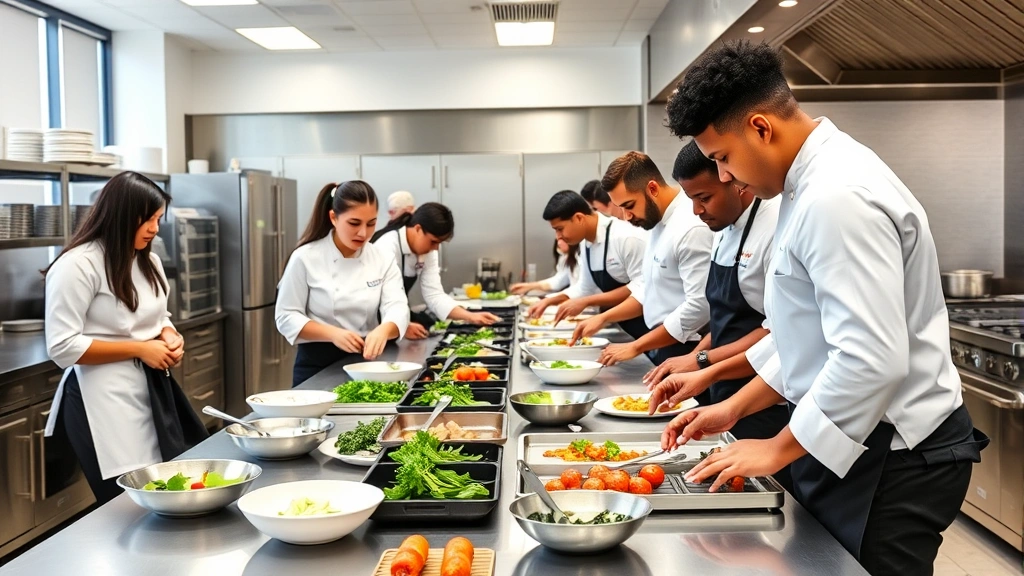
Experienced chefs frequently recommend pursuing industry-recognized certifications that validate technical competency and professional commitment. The Certified Chef de Cuisine (CCC) credential, offered through the American Culinary Federation, stands as one of the most prestigious certifications in North America. This certification requires documented work experience, continuing education, and rigorous examination, making it a gold standard that restaurants value when hiring leadership positions.
The ServSafe Food Handler and ServSafe Manager certifications represent essential foundational courses for anyone entering restaurant kitchens. These National Restaurant Association-backed programs focus on food safety protocols, sanitation standards, and allergen management—critical knowledge that protects both customers and establishment reputation. Restaurant managers consistently note that employees holding these certifications demonstrate commitment to professional standards and regulatory compliance.
Sommelier certifications through organizations like the Court of Master Sommeliers provide specialized expertise in wine and beverage pairing, increasingly important for upscale restaurant establishments. Level 1 and Level 2 certifications can be completed through intensive courses lasting weeks to months, while advancing to Master Sommelier requires years of study. Many restaurants now require wine knowledge for front-of-house staff, making these courses valuable for career advancement in fine dining contexts.
Professional pastry certifications deserve special mention, as pastry chefs command premium salaries in restaurant environments. Certified Pastry Chef (CPC) credentials demonstrate mastery of baking science, dough fermentation, chocolate work, and dessert plating. These specialized courses often attract candidates seeking distinct career paths within the broader culinary field, with some restaurants offering premium compensation for certified pastry professionals.
Comprehensive Culinary Degree Programs
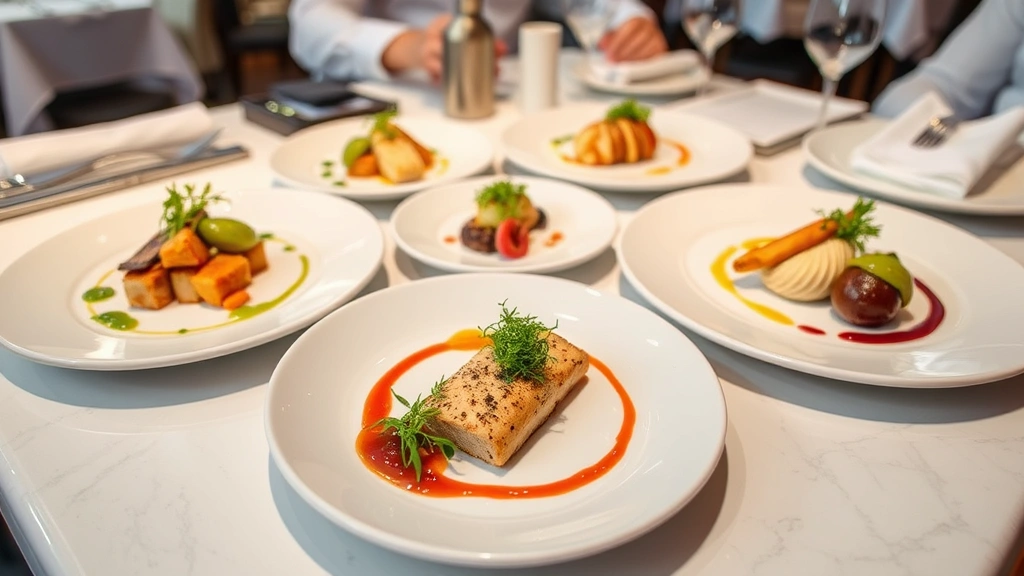
Two-year and four-year culinary degree programs provide structured education that encompasses foundational cooking techniques, advanced cuisine styles, business management, and industry-specific knowledge. The best restaurant culinary courses at accredited institutions combine extensive kitchen laboratory hours with classroom instruction in food science, nutrition, and cost analysis. According to the American Association of Family and Consumer Sciences, well-designed culinary programs integrate practical skills development with theoretical understanding of ingredient chemistry and cooking methodology.
Associate degree programs typically require 60-90 credit hours and can be completed in two years of full-time study. These programs emphasize immediate job readiness, focusing on fundamental knife skills, sauce preparation, protein cookery, and basic restaurant operations. Graduates from respected associate programs often secure entry-level management positions or specialized roles as sous chefs, pastry chefs, or line cooks in established restaurants. The practical focus of these courses means students graduate with portfolio-ready skills and industry connections.
Bachelor’s degree culinary programs extend learning over four years, incorporating business administration, hospitality management, nutrition science, and food service operations alongside technical cooking instruction. These comprehensive courses prepare graduates for executive chef positions, restaurant ownership, food service direction, and hospitality management roles. The extended curriculum allows deeper exploration of culinary theory, international cuisines, and advanced techniques that differentiate executive chefs from line cooks.
Culinary degree programs at institutions like the Culinary Institute of America, Johnson & Wales University, and Auguste Escoffier School of Culinary Arts maintain relationships with prestigious restaurants, facilitating internships and job placements. These partnerships represent significant value, as graduates gain experience in Michelin-starred establishments and high-volume commercial kitchens. The networking opportunities inherent in quality degree programs often prove as valuable as the formal instruction itself.
When evaluating degree programs, examine accreditation status through organizations like the Accreditation Council for Education in Nutrition and Dietetics. Accredited programs guarantee curriculum standards, instructor qualifications, and educational outcomes. Additionally, investigate employment outcomes data—reputable schools publish graduate placement rates and average starting salaries, demonstrating real market value of their culinary courses.
Specialized Restaurant Management Courses
Beyond pure cooking technique, successful restaurant professionals need business acumen and management skills. Specialized courses in restaurant management address operational challenges including inventory control, staff scheduling, financial management, and customer service excellence. Many culinary programs now integrate these courses restaurant-focused content, recognizing that kitchen talent alone doesn’t guarantee business success.
ServSafe Manager certification courses specifically address food safety compliance and liability management in restaurant contexts. These courses restaurant professionals recommend for supervisory and management positions focus on HACCP principles, temperature control, cross-contamination prevention, and outbreak response procedures. The certification demonstrates that managers understand regulatory requirements and can implement systems protecting both customers and business viability.
Advanced courses in restaurant financial management teach budgeting, cost control, and profitability analysis specific to food service operations. Topics include food cost percentages, labor cost management, menu engineering, and pricing strategy. Chefs who understand these business fundamentals transition more successfully into ownership and executive positions, making these courses restaurant success factors that shouldn’t be overlooked.
Customer service and hospitality management courses address the interpersonal aspects of restaurant operations. These courses cover conflict resolution, staff training methodologies, customer complaint handling, and creating positive work environments. Restaurants increasingly recognize that kitchen excellence means little without excellent front-of-house service and positive employee retention, making these soft skills courses increasingly prominent in professional development programs.
Sustainability and farm-to-table management courses represent growing specializations within restaurant education. These courses address sourcing local ingredients, building relationships with producers, menu planning around seasonal availability, and communicating sustainability values to customers. As restaurants increasingly market environmental consciousness and local sourcing, these courses provide competitive advantages for ambitious culinary professionals.
Online and Hybrid Culinary Learning Options
Modern culinary education extends beyond traditional in-person kitchen instruction, with online and hybrid courses addressing theory, business skills, and specialized knowledge. While hands-on cooking technique requires physical kitchen space, many culinary courses restaurant professionals can complete remotely cover food science, nutrition, business management, and industry-specific knowledge.
Online ServSafe certifications provide flexible scheduling for working restaurant professionals seeking food safety credentials. These self-paced courses typically require 2-3 hours of study before online examination, making them accessible for employed chefs and managers. The convenience of online food safety courses has dramatically increased industry certification rates, as professionals no longer need to attend in-person sessions.
Hybrid programs combining online theoretical instruction with intensive in-person kitchen sessions offer flexibility while maintaining hands-on skill development. These courses restaurant professionals appreciate for balancing work commitments with educational advancement. A typical hybrid model might involve online modules covering culinary history, food science, and business topics, with monthly intensive kitchen weekends for practical technique development.
Specialized online courses in culinary entrepreneurship address business planning, marketing, social media strategy, and financial management for aspiring restaurant owners. These courses are particularly valuable for chefs planning food trucks, pop-up restaurants, or catering businesses. Platforms offering these courses often provide templates, business plan frameworks, and peer networking opportunities that support entrepreneurial success.
Micro-credential courses in specific cuisines, techniques, or service styles provide focused learning without comprehensive program commitment. A working chef might pursue a three-week intensive course in French pastry techniques, Spanish tapas preparation, or molecular gastronomy without enrolling in full degree programs. These specialized courses allow culinary professionals to expand expertise in specific areas matching restaurant concepts or personal interests.
International Culinary Training Programs
Many aspiring chefs pursue international culinary courses to study techniques and cuisines in their cultural contexts. Training in France, Italy, Spain, and Thailand exposes students to authentic methods, regional ingredients, and culinary philosophies that inform modern restaurant menus. International courses often include language instruction, cultural immersion, and apprenticeships with established chefs.
French culinary schools like Le Cordon Bleu maintain international prestige for classical technique instruction. These intensive courses emphasize foundational skills—knife work, sauce preparation, stock making, and classical cuisine—that form the basis for all subsequent culinary development. Graduates often secure positions in fine dining establishments worldwide, as French culinary training represents recognized excellence.
Italian culinary courses focusing on regional cuisines teach pasta making, risotto preparation, and traditional cooking methods specific to different Italian regions. These courses address ingredient quality, seasonal cooking, and the philosophy of simplicity that characterizes Italian cuisine. For restaurants emphasizing Italian concepts, these specialized courses provide authentic expertise that differentiates menus and attracts discerning customers.
Asian culinary programs in Thailand, Japan, and Vietnam offer courses in technique, ingredient knowledge, and cultural context for Asian cuisines. These courses cover wok cooking, knife skills, sauce preparation, and food safety practices specific to Asian kitchens. As Asian cuisine becomes increasingly prominent in restaurant menus, chefs with formal training in these traditions command premium compensation and respect.
International courses often include apprenticeship components where students work alongside established chefs in working restaurant kitchens. These experiential learning opportunities provide mentorship, cultural immersion, and practical experience that accelerates skill development. Many restaurants value international training highly, viewing it as evidence of serious culinary commitment and global perspective.
Evaluating Course Quality and Instructor Credentials
When selecting culinary courses, examine instructor qualifications carefully. The best courses restaurant professionals recommend feature instructors with significant industry experience—typically 10+ years working in respected establishments. Instructors should hold relevant certifications (CCC, CMC, sommelier credentials) and demonstrate current knowledge of contemporary techniques and trends.
Accreditation represents a crucial quality indicator for culinary programs. Institutions accredited by organizations like the Accrediting Commission of Career Schools and Colleges (ACCSC) or regional accrediting bodies maintain curriculum standards, instructor qualifications, and educational outcomes. Accredited programs often qualify for federal student aid, indicating they meet rigorous educational standards.
Examine facilities and equipment when evaluating culinary courses. Quality programs maintain professional-grade kitchens with commercial equipment mirroring restaurant environments. Students should practice on equipment they’ll encounter professionally, developing familiarity that accelerates workplace adjustment. Limited facilities or outdated equipment suggest courses restaurant professionals should approach cautiously.
Industry partnerships and placement rates reveal course value and market relevance. Respected programs maintain relationships with established restaurants, facilitating internships and employment opportunities. Published placement data—showing percentages of graduates employed in culinary positions and average starting salaries—demonstrates real market value. Programs reluctant to share outcome data warrant skepticism.
Student reviews and alumni networks provide insights into course quality and career outcomes. Speaking with graduates about their experiences, job placement success, and salary progression offers perspective that promotional materials cannot. Strong alumni networks facilitate ongoing professional development and job opportunities throughout careers.
Cost analysis should account for total investment including tuition, equipment, housing, and opportunity costs of foregone employment. While prestigious programs command premium tuition, regional institutions often provide excellent education at lower costs. Calculate expected return on investment based on typical salary progression in your target market and career path.
FAQ
What’s the difference between culinary school and on-the-job training?
Culinary school provides structured, accelerated learning covering foundational techniques, food science, and business skills in 2-4 years. On-the-job training develops practical skills through experience but requires longer timelines (5-10 years) to achieve equivalent expertise. Most successful chefs combine formal education with apprenticeship experience, using school as foundation for faster advancement in restaurant kitchens.
Do I need a culinary degree to become a chef?
While formal culinary education isn’t legally required, it significantly accelerates career advancement. Self-taught chefs can succeed through dedicated practice and mentorship, but formal courses provide industry connections, certifications, and structured skill development that employers value. For restaurant management and executive chef positions, culinary degrees increasingly represent expected credentials.
Which culinary course restaurant positions value most?
ServSafe certifications and ACF Chef certifications represent industry-standard credentials that restaurants consistently value. These certifications demonstrate food safety knowledge and professional commitment. For advancement to chef positions, comprehensive culinary degrees or extensive documented experience prove most valuable. Specialized credentials (sommelier, pastry chef) add value for specific restaurant roles.
Are online culinary courses effective?
Online courses effectively teach theory, business skills, and food science, but cannot replace hands-on cooking instruction. Hybrid programs combining online learning with intensive kitchen sessions offer practical solutions. For working professionals seeking certifications or specialized knowledge, online courses provide excellent accessibility and convenience.
How much do quality culinary courses cost?
Costs vary dramatically: ServSafe certifications cost $100-200, associate degrees range $15,000-40,000, bachelor’s degrees cost $40,000-120,000+, and prestigious international programs exceed $50,000. Calculate return on investment based on typical salary progression in your target market. Many programs offer financial aid, scholarships, and payment plans that improve accessibility.
What should I look for in culinary course instructors?
Seek instructors with 10+ years professional restaurant experience, relevant industry certifications, and current knowledge of contemporary techniques. Instructors should demonstrate passion for teaching and maintain connections with working restaurants. The best courses restaurant professionals recommend feature instructor-led demonstrations followed by hands-on student practice under supervision.


