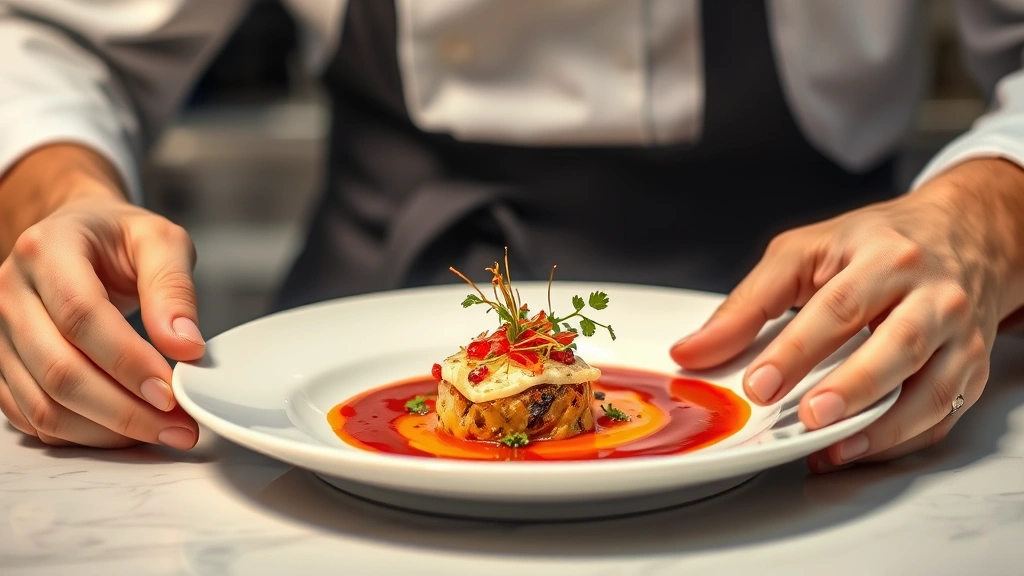
3 Course Meal Ideas: Chef Recommendations for Elegant Dining
A three-course meal represents the foundation of classical fine dining, combining thoughtful progression, balanced flavors, and culinary artistry. Whether you’re planning a dinner party, special occasion, or simply want to elevate your cooking skills, understanding how to structure and execute a three-course meal is essential. This comprehensive guide explores chef-recommended approaches, proven combinations, and practical techniques that transform home cooking into restaurant-quality dining experiences.
The beauty of a three-course meal lies in its strategic structure: an appetizer that awakens the palate, a main course that satisfies and impresses, and a dessert that leaves a lasting impression. Professional chefs have refined these principles over centuries, creating frameworks that work across cuisines, dietary preferences, and skill levels. By learning these fundamentals, you can develop systematic approaches to meal planning and execution.
Understanding the Three-Course Structure
The three-course meal framework emerged from French culinary tradition and remains the gold standard for elegant dining. Each course serves a specific psychological and physiological purpose, creating a journey rather than simply serving food. Understanding these principles allows you to develop entrepreneurial food ventures or simply cook with greater intention.
The appetizer course typically contains 2-3 ounces of food and should stimulate appetite rather than satisfy it. Chefs recommend light, flavorful, and visually striking dishes that prepare the palate for what follows. The appetizer should never be heavy or overly filling, as it sets the tone for the entire meal experience.
The main course or entrée represents the centerpiece of the meal, typically featuring a protein, starch, and vegetable or sauce. This course should showcase your best technique and ingredients, as it’s the most substantial and memorable element. Professional chefs allocate approximately 60-70% of their preparation effort to the main course.
The dessert course concludes the meal on a positive note, leaving guests with a sweet final impression. Even light desserts serve important functions: they cleanse the palate after savory courses, provide textural contrast, and create psychological satisfaction that makes the entire meal feel complete.
Classic Appetizer Recommendations
Chef-recommended appetizers balance sophistication with ease of execution. The following options work across various skill levels and occasions:
French Onion Soup
This timeless classic demonstrates how simple ingredients—onions, beef broth, bread, and cheese—transform into something elegant through proper technique. The key involves slow-caramelizing onions over 45-60 minutes until they develop deep, complex sweetness. Chefs recommend using a combination of yellow and sweet onions for optimal flavor development. The dish can be prepared entirely in advance, making it ideal for entertaining.
Shrimp Bisque
Creamy, luxurious, and impressive, shrimp bisque showcases classical French technique. The preparation involves creating a shellfish stock from shrimp shells, building a roux-based sauce, and finishing with cream and sherry. This appetizer demonstrates foundational cooking principles that apply across cuisines and can be learned progressively.
Caprese Salad
For lighter occasions, a properly executed caprese salad proves that simplicity, when done well, rivals complexity. Quality tomatoes, fresh mozzarella, fragrant basil, excellent olive oil, and balanced seasoning create a dish that demonstrates ingredient knowledge and restraint. Chefs emphasize that this dish cannot hide behind technique—every element must be exceptional.
Smoked Salmon Canapés
Small, elegant, and easily prepared, smoked salmon canapés work perfectly for sophisticated appetizers. Toasted bread rounds topped with crème fraîche, smoked salmon, capers, and fresh dill create visual appeal and complex flavors. This option allows preparation several hours in advance, reducing last-minute stress.
Appetizer Timing Tip: Serve appetizers 15-20 minutes before the main course. This interval allows guests to finish their first course, clear palates, and anticipate the next dish without hunger becoming uncomfortable.
Main Course Excellence
The main course demands the most attention, precision, and quality ingredients. Professional chefs recommend selecting dishes that align with your skill level while still challenging you slightly—this sweet spot encourages growth without risking failure.
Beef Tenderloin with Red Wine Sauce
Regarded as one of the most impressive yet achievable main courses, beef tenderloin demonstrates fundamental cooking principles. The technique involves searing the meat to develop a flavorful crust, finishing in the oven to precise doneness, resting properly, and serving with a sophisticated red wine reduction. The beauty of this dish lies in its straightforward execution and dramatic presentation. Pair with roasted potatoes and seasonal vegetables for a complete plate.
Pan-Seared Duck Breast
Duck breast intimidates many home cooks, yet professional chefs consider it one of the most forgiving proteins when proper technique is applied. The key involves rendering the skin slowly over medium heat until crispy, then finishing the meat quickly. The result offers textural contrast and sophisticated flavor that impresses guests while remaining relatively simple to execute.
Filet of Sole Meunière
For those preferring lighter options, this classic French preparation demonstrates elegant simplicity. Delicate sole fillets are lightly floured, pan-seared in butter until golden, and finished with brown butter and lemon. The preparation takes approximately 10 minutes, allowing you to focus on side dishes and coordination. This dish showcases how proper technique elevates humble ingredients.
Coq au Vin
This rustic yet refined dish involves braising chicken in red wine with pearl onions, mushrooms, and bacon. The long, slow cooking develops deep flavors while making the dish forgiving regarding timing—it actually improves when made a day ahead. This represents perfect entertaining food: impressive, delicious, and prepared largely in advance.
Main Course Principle: The plate should feature balance in protein (4-6 ounces), starch (approximately 1/2 cup), and vegetables (1 cup), creating visual interest through varied colors, textures, and heights.
Dessert Selections and Pairings
Desserts complete the meal’s narrative arc, transitioning from savory to sweet while maintaining sophistication. Chef recommendations emphasize that desserts need not be elaborate—they should be well-executed and appropriate to the meal’s overall tone.
Chocolate Soufflé
The ultimate impressive dessert, a properly executed chocolate soufflé demonstrates technical mastery while remaining achievable with practice. The combination of chocolate, eggs, and air creates a dish that feels luxurious and special. Importantly, soufflés can be prepared through the baking stage several hours ahead, requiring only final baking just before serving—perfect for entertaining.
Crème Brûlée
This elegant custard-based dessert must be prepared in advance, making it ideal for entertaining. The silky custard and crispy caramelized sugar provide textural contrast while the dish remains relatively simple to execute. Professional chefs appreciate that crème brûlée can be made 1-2 days ahead, eliminating last-minute stress.
Lemon Posset
For a lighter option, this traditional British dessert combines cream, sugar, and lemon juice in a chemical reaction that creates a silky mousse without eggs or gelatin. The preparation requires only 10 minutes of active work, yet the result feels sophisticated and refreshing—particularly after a rich main course.
Fresh Fruit Tart
Showcasing quality seasonal fruit, a well-made fruit tart demonstrates restraint and ingredient appreciation. The pastry cream and tart shell can be prepared ahead, with fruit arranged shortly before serving. This option works beautifully when fresh fruit is at its peak.
Timing and Coordination Strategies
Professional chefs emphasize that successful entertaining depends more on timing and organization than on complex recipes. Strategic planning ensures hot food arrives hot, cold dishes remain chilled, and you spend minimal time in the kitchen during dinner service.
Mise en Place Philosophy
The French culinary principle of mise en place—putting everything in its place—forms the foundation of professional kitchens and should guide home entertaining. This involves measuring, chopping, and organizing all ingredients before cooking begins. This practice reduces stress, prevents mistakes, and allows you to focus on technique and timing rather than scrambling for ingredients.
Make-Ahead Strategy
Smart meal planning emphasizes dishes that benefit from advance preparation. Appetizers like bisque or French onion soup improve when made a day ahead. Main courses like coq au vin or braised dishes develop better flavor overnight. Desserts like crème brûlée or chocolate mousse must be prepared in advance. This approach allows you to spend your evening engaging with guests rather than cooking frantically.
Serving Temperature Management
Professionals recommend warming plates for hot courses and chilling plates for cold courses. This simple practice maintains proper serving temperatures throughout the meal. Additionally, timing each course to finish just before serving ensures optimal flavor and texture.
Timeline Example: For an 8 PM dinner, prepare appetizers to serve at 7:45 PM (15-minute aperitif period), main course ready by 8:15 PM (30-minute appetizer course), and dessert at 8:50 PM (35-minute main course). This rhythm feels natural and allows proper digestion between courses.
Wine and Beverage Pairings
Beverages elevate the dining experience, complementing each course while enhancing flavors. Understanding basic pairing principles helps you make confident selections without requiring extensive wine knowledge.
Aperitif Selection
Before the meal begins, light, dry wines or sparkling beverages stimulate appetite and create a celebratory atmosphere. Champagne, Prosecco, or dry sherry work beautifully. These selections prepare the palate for the meal ahead while encouraging conversation.
Appetizer Pairings
Light white wines complement most appetizers. A crisp Sauvignon Blanc works with seafood-based appetizers, while a richer Chardonnay suits creamy soups. The key principle: appetizer beverages should be lighter than the main course wine, creating a progression toward fuller flavors.
Main Course Wines
The main course wine represents the meal’s focal point. Red wines pair naturally with beef and duck, while white wines suit seafood and lighter proteins. The wine’s body should match the dish’s richness—lighter dishes with lighter wines, heavier dishes with fuller wines. A Bordeaux-style blend works with beef tenderloin, while Burgundy suits chicken preparations.
Dessert Beverages
Sweet wines complement desserts without overwhelming them. Port, Moscato, or ice wines offer sophisticated options. Alternatively, coffee or tea provides a graceful conclusion without additional alcohol.
Pairing Principle: Wines should enhance, not overpower, food. The general rule suggests wines slightly less sweet than desserts and slightly more acidic than appetizers, creating progression and balance.

Building Your Three-Course Repertoire
Developing confidence in three-course meal preparation requires practice and intentional skill-building. Consider structured learning approaches that systematically develop your capabilities. Start with simpler combinations, then gradually increase complexity as your skills and confidence grow.
Beginner Combinations
New cooks should start with straightforward dishes that don’t require advanced techniques. A caprese salad, simple roasted chicken with vegetables, and fresh fruit with whipped cream creates an accessible yet elegant meal. This combination allows you to focus on proper seasoning, timing, and presentation rather than struggling with technique.
Intermediate Combinations
As skills develop, try more complex preparations. A shrimp bisque, pan-seared fish with sauce, and crème brûlée demonstrates growing technical confidence. These dishes require attention to detail and proper technique but remain achievable for dedicated home cooks.
Advanced Combinations
Experienced cooks might attempt beef tenderloin with red wine reduction, soufflés, or other technically demanding dishes. At this level, focus shifts toward refinement, creativity, and personal style rather than simply executing recipes correctly.
Remember that progressive skill development follows predictable patterns. Each meal you prepare teaches lessons that improve subsequent attempts. Professional chefs often cooked the same dishes hundreds of times before achieving mastery—this perspective helps home cooks approach cooking with realistic expectations and patience.

Common Mistakes and Professional Solutions
Understanding frequent errors helps you avoid them. Professional chefs identify several common mistakes in three-course meal preparation:
- Overcomplicated timing: Attempting dishes requiring simultaneous last-minute preparation creates stress and mistakes. Solution: Choose at least one course that’s completely prepared in advance.
- Inadequate seasoning: Many home cooks under-season dishes, making them taste flat. Solution: Taste constantly throughout cooking and adjust seasoning appropriately.
- Poor temperature management: Serving cold food on cold plates or vice versa diminishes the dining experience. Solution: Warm plates for hot courses and chill plates for cold courses.
- Inadequate resting time: Serving meat immediately after cooking results in dry, less flavorful results. Solution: Rest all proteins for at least 5-10 minutes before slicing and serving.
- Excessive portion sizes: Overloading plates makes the meal feel heavy and prevents proper appreciation of each course. Solution: Follow professional guidelines: 2-3 ounces appetizer, 4-6 ounces protein main course, modest dessert portions.
FAQ
How long should each course take?
Appetizers typically take 15-20 minutes to consume, main courses 25-35 minutes, and desserts 15-20 minutes. These timeframes allow proper digestion and conversation between courses without the meal becoming excessively long.
Can I make all three courses in advance?
Absolutely. Many professional chefs recommend preparing appetizers and desserts completely in advance, with only the main course requiring last-minute attention. This approach reduces stress and allows you to focus on presentation and guest interaction.
What’s the best way to handle dietary restrictions?
Communicate with guests in advance about dietary needs. Prepare alternative appetizers or main courses that accommodate restrictions while maintaining the meal’s elegance. Many dietary restrictions actually inspire creative cooking solutions.
How much wine should I serve per course?
Professionals recommend 3-4 ounces per person per wine course. This amount allows proper tasting without excessive alcohol consumption. Provide water throughout the meal as well.
Should I use recipes or cook by intuition?
Beginning cooks should follow recipes precisely to understand proper ratios and techniques. As skills develop, recipes become guidelines rather than strict instructions. Even experienced chefs reference recipes for unfamiliar preparations.
How do I present food attractively?
Professional plating emphasizes three principles: height (varying the vertical elements on the plate), color (using contrasting colors for visual interest), and negative space (avoiding overcrowding). Practice plating the same dish multiple times to develop your personal style.
What equipment do I need for three-course cooking?
Essential equipment includes sharp knives, cutting boards, heavy-bottomed pans, measuring tools, and basic utensils. You don’t need expensive or specialized equipment—proper technique with basic tools produces better results than mediocre technique with expensive equipment.
How can I reduce cooking stress when entertaining?
Plan thoroughly, prepare in advance, simplify your menu, and practice recipes before serving them to guests. Additionally, set realistic expectations—perfection isn’t the goal; providing delicious food and warm hospitality is. Guests appreciate thoughtful effort more than flawless execution.
Are there cultural variations in three-course structure?
While the French three-course model predominates in Western dining, other cultures have different approaches. Italian meals might emphasize pasta as a separate course, while Asian cuisines often serve multiple small dishes simultaneously. Understanding various traditions enriches your cooking perspective and entertaining options.
How do I choose wines if I’m not a wine expert?
Don’t be intimidated. Wine shops have knowledgeable staff who can recommend appropriate pairings based on your menu. Alternatively, following basic guidelines—white wines with seafood, red wines with meat, sweet wines with desserts—produces solid results without extensive knowledge.


