Aerial Silks Course: Expert Insights into Mastering This Dynamic Art Form
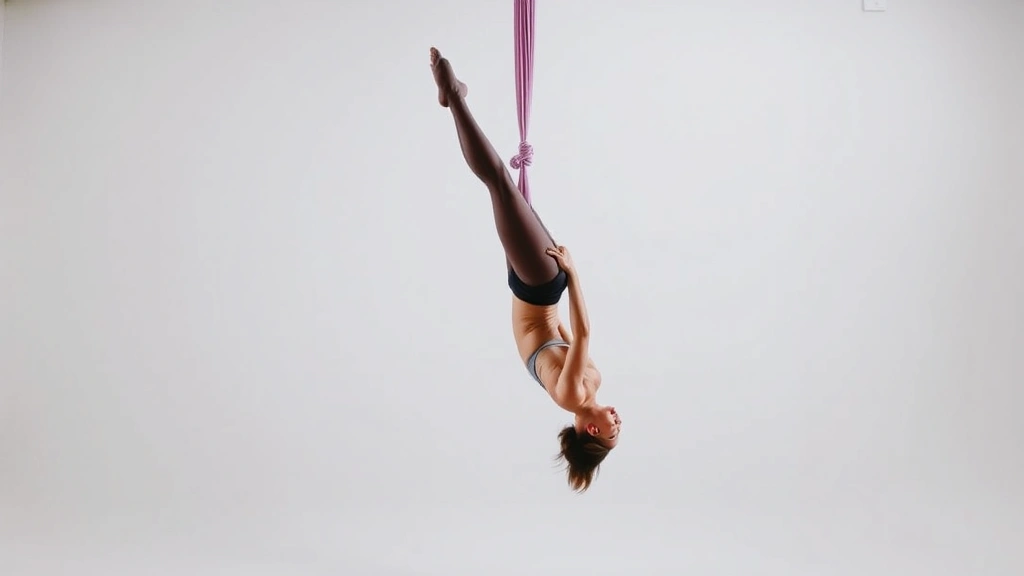
Aerial silks represents one of the most captivating and physically demanding disciplines in contemporary circus arts and movement training. This comprehensive guide explores the essential elements of an aerial silks course, drawing on expert insights from professional instructors, biomechanics researchers, and seasoned performers who have dedicated their careers to this vertical art form.
Whether you’re considering enrolling in your first aerial silks course or seeking to deepen your existing practice, understanding the foundational principles, safety protocols, and progression pathways will significantly enhance your learning experience. The journey from ground-level beginner to confident aerial performer involves structured training, consistent practice, and a commitment to both physical conditioning and mental resilience.
What Is Aerial Silks and Why Learn It
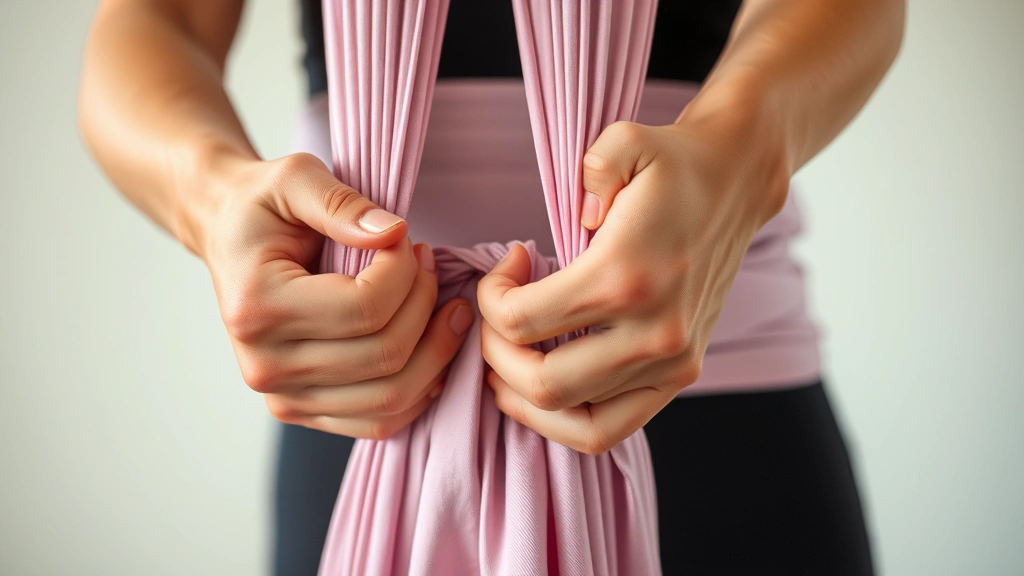
Aerial silks, also known as aerial fabrics or tissu, involves performing acrobatic movements while suspended by two lengths of fabric hanging from an aerial rig. Unlike many traditional sports and fitness activities, aerial silks combines elements of dance, gymnastics, strength training, and artistic expression into a single cohesive practice.
The fabric itself—typically made from nylon or polyester—hangs loosely, requiring practitioners to wrap, grip, and manipulate the material while executing inversions, spins, and dynamic movements. An aerial silks course teaches you how to harness gravity and momentum while building exceptional upper body and core strength.
Learning aerial silks offers multiple benefits beyond physical conditioning. Participants develop enhanced body awareness, improved balance and proprioception, increased confidence, and a profound sense of accomplishment as they master increasingly complex techniques. The meditative aspects of aerial practice—focusing on movement quality and breath control—provide significant mental health benefits including stress reduction and improved emotional regulation.
Research from the American College of Sports Medicine demonstrates that circus arts training, including aerial disciplines, produces measurable improvements in functional strength, flexibility, and cardiovascular fitness comparable to traditional strength training programs.
Essential Prerequisites and Physical Preparation
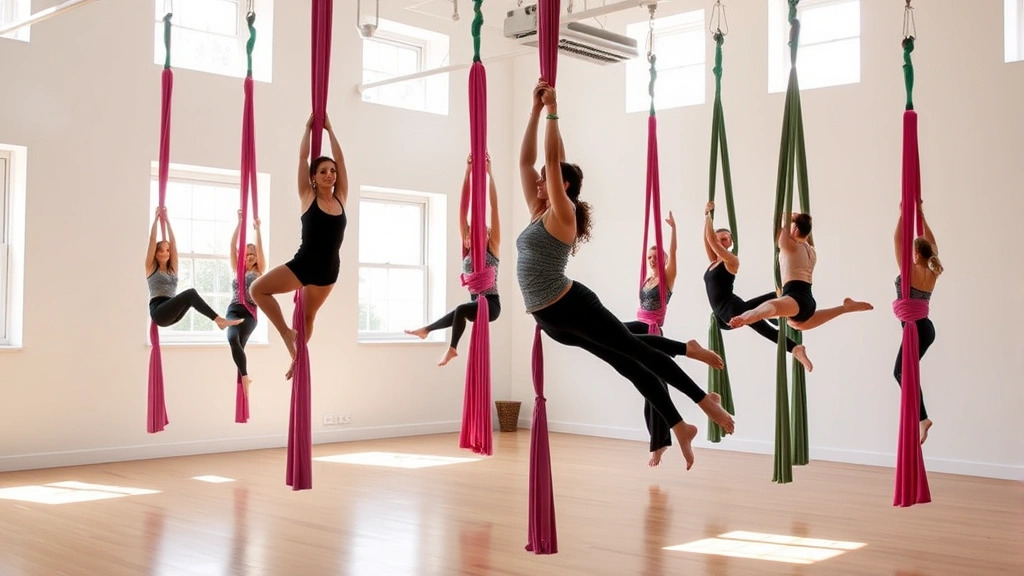
Before enrolling in an aerial silks course, prospective students should honestly assess their current fitness level and physical capabilities. While aerial silks welcomes practitioners of varying abilities, certain foundational elements significantly accelerate learning and reduce injury risk.
Baseline Strength Requirements
Most professional instructors recommend that beginners possess moderate upper body and core strength before starting. This doesn’t mean you need to be an elite athlete—many beginners successfully start aerial silks training—but having functional fitness makes the learning process more enjoyable and less frustrating.
Ideal prerequisites include:
- Ability to perform 5-10 pull-ups or assisted pull-ups on a bar
- Capacity to hold a plank position for 30-60 seconds with proper form
- Basic shoulder stability and rotator cuff strength
- Reasonable cardiovascular fitness for sustained activity
- Flexibility in hips, shoulders, and hamstrings
Pre-Course Conditioning
If you don’t currently meet these baseline requirements, dedicating 4-8 weeks to targeted conditioning before your aerial silks course begins will dramatically improve your experience. Focus on progressive bodyweight exercises, suspension training, and flexibility work.
Consider incorporating online courses for lifelong learning that address fitness fundamentals, or work with a personal trainer familiar with circus arts preparation. Some aerial silks facilities offer pre-conditioning classes specifically designed to prepare students for their main curriculum.
Medical Clearance and Injury History
Individuals with previous shoulder injuries, lower back problems, or significant joint issues should consult with a healthcare provider before beginning aerial training. Disclosure of injury history to your instructor allows them to provide appropriate modifications and progressions that respect your body’s limitations.
Core Components of Professional Training
A comprehensive aerial silks course typically incorporates several interconnected elements, each building upon previous learning to develop well-rounded aerial performers.
Foundational Fabric Manipulation
Your first sessions focus on understanding how fabric behaves, how your body interacts with it, and basic grip techniques. You’ll learn proper wrapping methods that protect your skin while providing secure contact points for movements. Instructors emphasize that aerial silks differs fundamentally from pole or rope work—the fabric’s looseness requires different engagement strategies and body awareness.
Inversion Training
Going upside down safely and confidently represents a crucial milestone in aerial silks development. Your course will progress inversions systematically, starting with supported inversions where you maintain significant fabric contact and body control. Advanced inversions involve less fabric engagement and greater reliance on momentum and spatial awareness.
Strength-Specific Conditioning
Professional aerial silks courses integrate dedicated strength work targeting muscles specifically used in aerial movement. This includes:
- Shoulder stabilization and scapular control exercises
- Core engagement work for spinal stability during inversions
- Grip strength and forearm endurance training
- Hip flexor and abdominal strength development
- Back strengthening for proper postural alignment
This conditioning work often occurs both during dedicated sessions and as warm-up components within regular classes.
Flexibility and Mobility Work
Aerial silks demands significant flexibility, particularly in shoulders and hips. Quality courses dedicate time to systematic stretching, myofascial release, and mobility work. Instructors teach students proper stretching techniques that honor current limitations while gradually expanding range of motion.
Choreography and Artistic Expression
Beyond technical skill development, professional aerial silks courses teach students to move with intention, expression, and aesthetic awareness. You’ll learn to connect movements into flowing sequences, develop personal style, and understand the performative aspects of aerial silks as artistic practice.
Research from the National Academic Advising Association indicates that arts-integrated learning enhances overall skill acquisition and retention compared to purely technical instruction.
Safety Protocols and Risk Management
Safety represents the absolute foundation of legitimate aerial silks training. Professional instructors prioritize safety through systematic protocols, proper equipment maintenance, and evidence-based progression.
Equipment Standards and Inspection
Aerial rigging systems require regular professional inspection by qualified engineers. Fabric must meet specific breaking strength standards, and all attachment points should use appropriate hardware rated for aerial applications. Reputable courses conduct equipment checks before each session and maintain detailed maintenance logs.
Spotting and Progression
Qualified instructors provide hands-on spotting during skill development, particularly when learning new movements. Progressive skill sequencing ensures students develop adequate strength and body awareness before attempting advanced techniques. Never rush progression—respecting individual timelines prevents injury and builds genuine competence.
Environmental Considerations
Proper ceiling height, adequate floor space, and appropriate flooring materials (typically 12+ inches of foam or sprung flooring) create safer training environments. Temperature regulation matters too—excessively warm studios increase perspiration and reduce fabric grip, while cold environments stiffen muscles and increase injury risk.
Review safety orientation course principles before starting any physical training program, as foundational safety awareness transfers across disciplines.
Self-Awareness and Communication
Students must develop honest self-assessment skills and communicate openly with instructors about discomfort, fatigue, or concern. Pushing through genuine pain differs fundamentally from working through manageable muscle fatigue. Professional courses cultivate cultures where asking for modifications or taking rest days is normalized and encouraged.
Progression Levels and Skill Development
Most structured aerial silks courses organize training into distinct levels, each with specific competency objectives.
Level 1: Fundamentals and Foundation Building
Beginner courses typically span 8-12 weeks of consistent training. Students learn fabric handling, basic wraps, fundamental climbs, and supported inversions. Emphasis focuses on developing comfort with the equipment, building initial strength, and establishing proper body mechanics.
Level 2: Intermediate Skills and Combinations
With foundational competency established, intermediate training develops more complex movements, unsupported inversions, and extended sequences. Students begin connecting movements into choreographed phrases and develop greater independence in problem-solving movement challenges.
Level 3: Advanced Techniques and Performance
Advanced practitioners work on sophisticated transitions, dynamic drops, and performance-quality movement. Training emphasizes artistry, personal expression, and potentially performance opportunities. Many aerial silks performers continue advanced training indefinitely, perpetually refining technique and exploring new movement possibilities.
Specialized Focus Areas
Some facilities offer specialized courses emphasizing particular aspects: aerial silks for flexibility, aerial silks for strength building, or aerial silks choreography. These specialized tracks allow practitioners to deepen specific interests within their broader aerial practice.
Choosing the Right Aerial Silks Course
Selecting an appropriate course significantly impacts your learning experience and long-term commitment to the practice.
Instructor Qualifications
Seek instructors with substantial aerial silks experience, formal training certifications, and demonstrated teaching ability. Many organizations like the International Aerial Arts Association (IAAA) and Circus Arts Foundation offer instructor certifications. Ask about instructors’ backgrounds, how long they’ve been training, and whether they’ve performed professionally.
Facility Standards
Visit potential facilities in person. Evaluate ceiling height, equipment condition, floor safety, and overall cleanliness. Observe classes to assess instructor-to-student ratios (ideally 1:6 or better for beginner classes) and the general learning environment.
Class Structure and Schedule
Consider whether you prefer drop-in flexibility or committed series courses. Some students thrive with rigid schedules ensuring accountability, while others need flexibility. Evaluate whether facilities offer beginner-specific classes or mix experience levels, as this affects pacing and instructor attention.
Cost Considerations
Aerial silks courses vary significantly in cost, typically ranging from $150-300 per month for regular classes. While budget matters, extremely cheap courses may indicate inadequate instructor training or safety standards. Consider the investment in your skill development and physical safety.
Community and Culture
Talk with current students about the community culture. Do people feel supported and encouraged? Is there a healthy balance between challenge and celebration? Does the facility foster inclusivity across body types, ages, and experience levels?
Cross-Training and Complementary Activities
Maximizing your aerial silks development involves strategic cross-training that addresses conditioning gaps and prevents overuse injuries.
Strength Training
Dedicated strength sessions using weights, resistance bands, or bodyweight exercises build the muscular foundation supporting aerial work. Focus on compound movements, single-arm exercises, and rotational strength work. Many aerial practitioners find 2-3 dedicated strength sessions weekly optimal.
Flexibility and Mobility Practice
Consistent stretching and mobility work using yoga, Pilates, or dedicated flexibility sessions prevents restrictive tightness that limits aerial performance. Foam rolling and self-myofascial release techniques accelerate recovery and maintain tissue health.
Dance and Movement Exploration
Dance training develops musicality, spatial awareness, and movement quality that translates directly to aerial performance. Many professional aerial performers incorporate contemporary dance, ballet, or other movement modalities into their training.
Related Aerial Disciplines
Exploring complementary aerial arts like aerial hoop, silks doubles, or aerial yoga provides new perspectives on movement and challenges your body differently. This variation prevents adaptation plateaus and maintains training excitement.
Mental Training and Mindfulness
Meditation, breathwork, and visualization practices develop the mental resilience necessary for confident aerial performance. These practices also enhance focus, reduce performance anxiety, and deepen the mind-body connection essential to aerial work.
For comprehensive approaches to continuous skill development, explore complementary learning approaches that emphasize progressive mastery and deliberate practice principles.
Nutrition and recovery deserve attention too. Proper fueling supports training quality and adaptation, while adequate sleep and rest days allow physiological recovery necessary for strength gains and injury prevention.
FAQ
How long does it take to learn aerial silks?
Basic competency typically requires 8-12 weeks of consistent training (2-3 classes weekly). However, aerial silks is an ongoing practice—intermediate skills develop over 6-12 months, and advanced performance-level skills require years of dedicated training. Individual progression varies based on prior fitness, natural ability, and training frequency.
Is aerial silks safe for beginners?
Aerial silks is safe when taught by qualified instructors in properly equipped facilities with appropriate safety protocols. Like any physical activity, risks exist—primarily shoulder strain, grip injuries, or falls if progressions are rushed or equipment is inadequate. Reputable courses systematically minimize risk through proper progression, spotting, and equipment standards.
What should I wear to an aerial silks class?
Wear form-fitting clothing allowing full range of motion and clear visibility of body alignment. Most practitioners wear leggings or fitted pants and a tank top or t-shirt. Avoid loose clothing that tangles in fabric. Go barefoot or wear grip socks for better foot contact with the fabric. Avoid jewelry that catches on fabric.
Can I do aerial silks if I’m not very strong?
Yes. While some baseline strength helps, many beginners start with limited upper body strength and build it through consistent training. Instructors provide modifications and progressions accommodating various strength levels. Patience and consistent practice matter far more than initial strength.
How often should I train?
Most practitioners train 2-3 times weekly for skill development and safety. This frequency allows adequate recovery between sessions while providing sufficient practice for progression. Beginners might start with once or twice weekly, while advanced practitioners often train more frequently.
What makes a quality aerial silks course different from mediocre ones?
Quality courses feature certified instructors, proper equipment maintenance, appropriate student-to-instructor ratios, systematic progression, dedicated safety protocols, and inclusive community culture. Poor courses cut corners on instructor qualifications, equipment standards, or safety practices. Trust your instincts when visiting facilities.
Can I learn aerial silks online?
Online courses cannot replace in-person training for actual aerial silks practice, as you need access to proper equipment and hands-on instruction. However, online resources teaching conditioning, flexibility, or theoretical understanding complement in-person training effectively. Some facilities offer hybrid models combining online education with in-person practice.


