Interior Design Basics: Expert Insights for Aspiring Designers
Interior design is a dynamic and creative field that combines artistic vision with practical problem-solving skills. Whether you’re considering a career change or exploring a new passion, understanding the fundamentals of interior design is essential for success. This comprehensive guide explores the core principles, essential skills, and educational pathways that will help you launch your journey in this rewarding profession.
The interior design industry has evolved significantly over the past decade, with increased demand for professionals who understand both aesthetic principles and sustainable design practices. According to the U.S. Bureau of Labor Statistics, the field continues to grow as businesses and homeowners invest in creating functional and beautiful spaces. Whether you’re interested in residential, commercial, or hospitality design, a solid foundation in interior design basics will set you up for success.

Core Principles of Interior Design
Every successful interior design project is built upon foundational principles that guide decision-making and ensure cohesive, functional spaces. These principles serve as a universal language for designers and help communicate design intent to clients and collaborators.
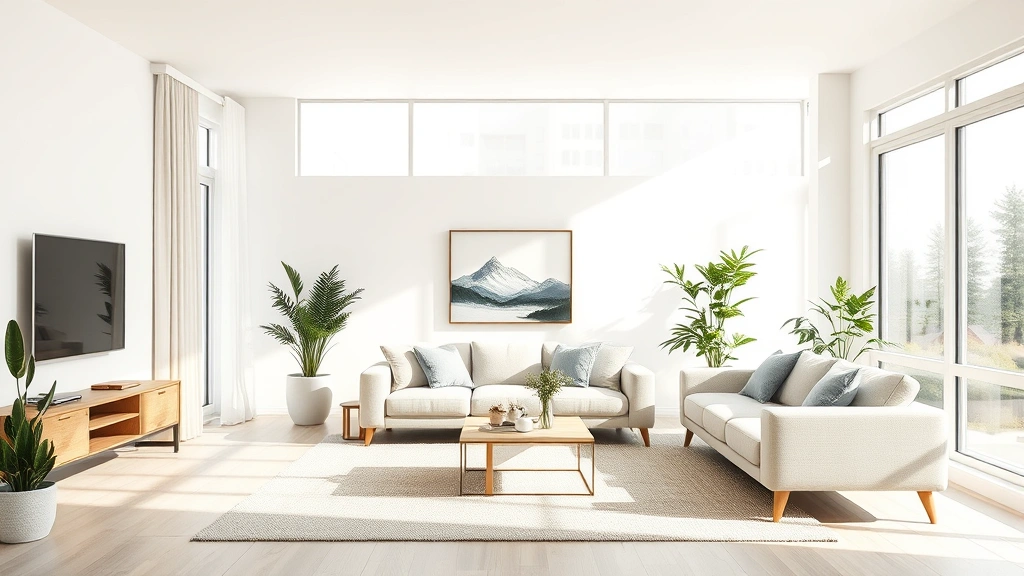
Balance is one of the most critical principles in interior design. It refers to the visual weight distribution of elements within a space. Symmetrical balance creates formal, traditional aesthetics, while asymmetrical balance offers a more contemporary, dynamic feel. When learning about interior course fundamentals, understanding how to achieve balance without creating monotony is essential.
Proportion and scale determine how elements relate to each other and to the overall space. Designers must consider furniture sizing, ceiling heights, and spatial dimensions when creating harmonious environments. Poor proportion can make even beautiful pieces feel awkward in a room.
Emphasis involves creating focal points that draw the eye and anchor a room’s design. This might be an accent wall, a statement piece of furniture, or architectural features. Every well-designed space should have a clear visual hierarchy that guides attention intentionally.
Rhythm in interior design refers to the repetition and variation of design elements. Creating visual rhythm through repeated colors, patterns, or shapes helps unify a space and creates a sense of movement and flow throughout the environment.
Harmony and unity ensure that all design elements work together cohesively. When studying interior design basics, you’ll learn that successful spaces feel intentional and coordinated, rather than random or disconnected. This doesn’t mean everything matches—it means everything belongs together.
Essential Design Elements Explained
While principles guide overall design strategy, design elements are the building blocks that create visual interest and functionality. Understanding how to manipulate these elements is crucial for anyone pursuing an interior design education.
Line is a fundamental element that influences how we perceive space and movement. Horizontal lines suggest stability and rest, vertical lines convey strength and formality, and diagonal lines create dynamic energy and movement. Curved lines add softness and elegance to environments.
Shape refers to the forms created by lines. Geometric shapes (squares, circles, triangles) feel structured and modern, while organic shapes feel natural and flowing. Combining different shapes creates visual interest and prevents monotony.
Texture adds tactile quality to spaces and creates depth through visual variation. Smooth textures feel sleek and modern, while rough textures add warmth and character. Combining varied textures prevents spaces from feeling flat or one-dimensional.
Pattern involves repetition of design elements and can significantly impact the visual character of a space. Patterns can be geometric, organic, or abstract, and they should be used intentionally to avoid overwhelming the design.
Understanding how to combine these elements effectively is a key component of any comprehensive interior design program. Whether you’re exploring traditional classroom-based education or online learning options, you’ll spend considerable time mastering element application.
Color Theory and Psychology
Color is perhaps the most powerful tool in an interior designer’s toolkit. It influences mood, perception of space, and overall aesthetic impact. Comprehensive interior course curriculum always includes extensive color theory training.
The color wheel provides the foundation for understanding color relationships. Complementary colors sit opposite each other and create high contrast and visual excitement. Analogous colors sit next to each other and create harmony and unity. Triadic color schemes use three colors equally spaced around the wheel for balanced, vibrant designs.
Color psychology explores how different hues affect human emotions and behavior. Blue promotes calmness and productivity, making it ideal for bedrooms and offices. Red stimulates energy and appetite, working well in dining areas and social spaces. Green creates a sense of nature and balance, perfect for creating restorative environments. Yellow brings optimism and warmth, though it should be used strategically to avoid overwhelming spaces.
Understanding undertones is crucial for selecting cohesive color palettes. Warm undertones (yellows, oranges, reds) create cozy, inviting spaces, while cool undertones (blues, greens, purples) feel calming and sophisticated. Many designers spend years mastering the subtle art of color selection and palette development.
The 60-30-10 rule is a practical framework many designers use: 60% dominant color, 30% secondary color, and 10% accent color. This proportion creates visual balance while allowing for creative expression and focal points.
Spatial Planning and Layout
Effective spatial planning transforms how people experience and use interior spaces. This technical aspect of interior design requires understanding traffic flow, furniture arrangement, and functional zones.
Traffic flow refers to the paths people naturally take through a space. Good design accommodates these natural movement patterns while protecting conversation areas and functional zones from disruption. Designers must consider entry points, destinations, and natural gathering areas when planning layouts.
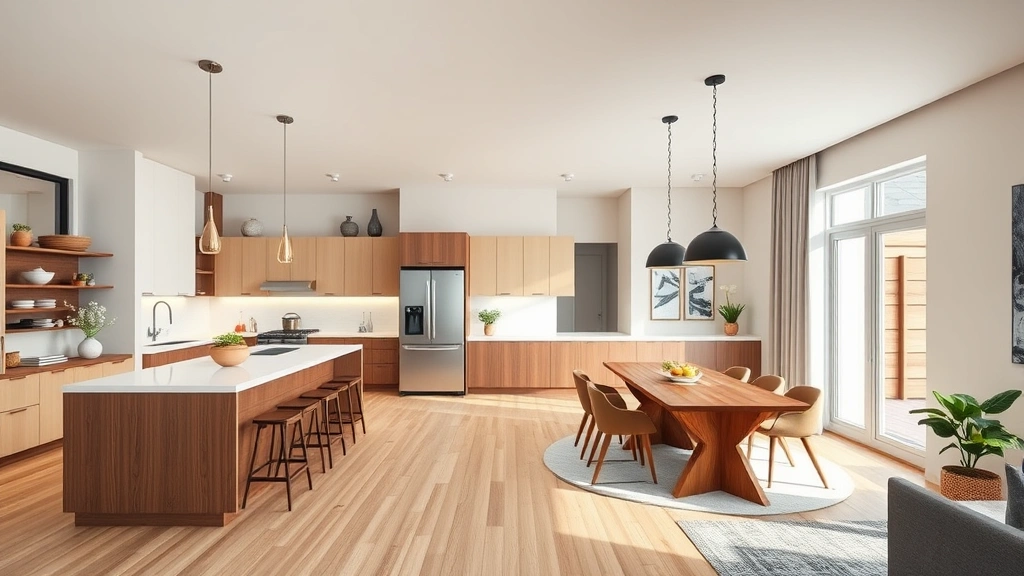
Furniture arrangement should facilitate conversation and function while maintaining balance and visual interest. Islands and floating furniture can create intimate zones within larger spaces. Back-to-back arrangement of seating creates distinct areas within open-concept homes.
Understanding ergonomics ensures that spaces are not just beautiful but comfortable and functional. Proper counter heights, seating depths, and reach distances all impact how people interact with designed spaces. An excellent interior course will emphasize the importance of balancing aesthetics with human-centered design.
Zoning defines areas for specific activities within a single space. In open-concept living, designers use color, flooring changes, lighting variations, and furniture arrangement to delineate different functional zones without physical barriers.
Measurement and scale are technical skills that separate professional designers from amateurs. Understanding how to read floor plans, create scaled drawings, and visualize three-dimensional spaces is essential for communicating design intent and ensuring functional layouts.
Materials and Finishes Selection
Material selection significantly impacts durability, maintenance, sustainability, and aesthetic appeal. Professional designers understand the properties, costs, and applications of various materials used in interior spaces.
Flooring materials range from hardwood (warm, classic, requires maintenance) to tile (durable, cool, easier to maintain) to carpet (soft, sound-absorbing, requires regular cleaning) to vinyl (affordable, water-resistant, increasingly realistic). Each material has distinct aesthetic and functional characteristics that should align with project goals.
Wall finishes include paint, wallpaper, wood paneling, shiplap, and specialty finishes. Paint offers versatility and affordability, wallpaper adds pattern and texture, while wood finishes create warmth and architectural interest. Understanding paint finishes (matte, eggshell, satin, semi-gloss, gloss) helps designers select appropriate products for different spaces.
Upholstery and fabric selection requires understanding durability ratings, colorfastness, and maintenance requirements. High-traffic residential areas and commercial spaces demand durable fabrics, while low-traffic areas allow for more delicate materials. Learning about fabric performance ratings is a key component of professional interior design education.
Sustainable material selection is increasingly important in modern interior design. Designers should understand renewable resources, recycled content, low-VOC finishes, and environmentally responsible sourcing. The U.S. Green Building Council provides valuable resources on sustainable design practices that many professionals integrate into their work.
Lighting Design Fundamentals
Lighting is often called the “fifth wall” of interior design because of its profound impact on how spaces look and feel. Professional designers understand three primary types of lighting and how to layer them effectively.
Ambient lighting provides general illumination throughout a space. This might include ceiling fixtures, recessed lights, or track lighting. Adequate ambient lighting is essential for safety and functionality while setting the overall mood of the space.
Task lighting focuses light on specific areas where detailed work occurs. Desk lamps, under-cabinet kitchen lighting, and bathroom vanity lights are common examples. Task lighting should be bright enough to prevent eye strain while avoiding glare.
Accent lighting highlights architectural features, artwork, or design elements to create visual interest and depth. Picture lights, wall sconces, and uplighting can transform how people perceive and experience a space.
Understanding color temperature (measured in Kelvin) is crucial for creating appropriate lighting designs. Warm light (2700K-3000K) creates cozy, intimate environments ideal for living spaces. Cool light (4000K-5000K) promotes alertness and is often preferred in kitchens and offices. Daylight (5600K+) is bright and energizing but rarely preferred for artificial lighting.
Modern lighting design increasingly incorporates smart technology, allowing users to adjust brightness and color temperature throughout the day. Designers must understand how technology impacts both functionality and aesthetic integration within spaces.
Choosing the Right Interior Course
Pursuing formal education through an professional interior course program provides structured learning, mentorship, and industry connections that accelerate career development. Several educational pathways are available depending on your goals and circumstances.
Associate degree programs typically require two years of study and cover design fundamentals, CAD software, color theory, and materials. These programs provide a solid foundation for entry-level positions and further education.
Bachelor’s degree programs offer comprehensive education spanning four years with coursework in design principles, technical drawing, business practices, and specialized areas like kitchen and bath design. Many employers prefer bachelor’s degrees for professional positions.
Certificate programs provide focused training in specific areas like residential design, commercial design, or sustainable design. These programs are ideal for career changers or professionals seeking to expand their expertise.
Online interior courses offer flexibility for working professionals and busy individuals. Quality online programs provide interactive learning, virtual design software training, and portfolio development support. Many reputable institutions now offer hybrid models combining online lectures with in-person studio work.
When evaluating interior design course offerings, consider accreditation through the Council for Interior Design Accreditation, instructor expertise, industry partnerships, and career support services. Quality programs emphasize both creative development and technical skills needed for professional practice.
Continuing education is essential throughout a design career. Professional organizations like the American Society of Interior Designers offer resources, certifications, and networking opportunities that help designers stay current with industry trends and best practices.
Building a strong portfolio is crucial for launching a design career. Whether through academic projects or volunteer work, aspiring designers should develop case studies demonstrating their understanding of design principles, problem-solving abilities, and aesthetic sensibility. Your portfolio should showcase diverse project types and design styles to appeal to potential employers or clients.
FAQ
What skills do I need to become an interior designer?
Successful interior designers combine creative vision with technical skills. You’ll need strong visualization abilities, understanding of design software (CAD, SketchUp, Adobe Suite), knowledge of building codes and regulations, business acumen for client management, and excellent communication skills. Problem-solving ability and attention to detail are equally important, as is the ability to balance client preferences with professional design principles.
How long does an interior design course typically take?
Duration varies significantly by program type. Certificate programs might require 6-12 months of intensive study. Associate degrees typically span two years, while bachelor’s degrees require four years. Online courses offer flexibility and might be completed faster depending on your pace. Many professionals continue learning throughout their careers through specialized certifications and continuing education.
Is an interior design degree necessary for a career?
While a formal degree provides comprehensive education and credibility, some designers enter the field through alternative pathways. However, formal education through an accredited interior course provides structured learning, industry connections, and credentials that significantly advantage career prospects. Licensing requirements vary by location, and some jurisdictions require formal education and examination for professional practice.
What’s the difference between interior design and interior decorating?
Interior design involves comprehensive space planning, including structural considerations, building codes, safety requirements, and functional layout. Interior decorators focus primarily on aesthetic elements like furniture, colors, and accessories within existing spaces. Interior designers have broader technical knowledge and responsibility for overall functionality and safety, while decorators specialize in visual styling.
How much does an interior design course cost?
Cost varies dramatically based on program type and institution. Community college programs might cost $5,000-$15,000, while university bachelor’s degrees range from $40,000-$100,000+. Certificate programs typically cost $3,000-$10,000. Many schools offer financial aid, scholarships, and payment plans. Online programs often provide cost advantages compared to traditional classroom-based education.
What software should I learn for interior design?
Industry-standard software includes AutoCAD for technical drawing, SketchUp for 3D visualization, Adobe Creative Suite (Photoshop, InDesign, Illustrator) for presentations, and rendering software like V-Ray or Lumion. Many programs also teach Revit for building information modeling. Quality interior courses provide comprehensive software training integrated throughout the curriculum.
Can I study interior design online?
Yes, many accredited institutions now offer online or hybrid interior design programs. Online education provides flexibility for working professionals while delivering comprehensive curriculum through interactive platforms, virtual design labs, and digital software training. However, ensure programs are properly accredited and include adequate hands-on learning opportunities, mentorship, and portfolio development support.


