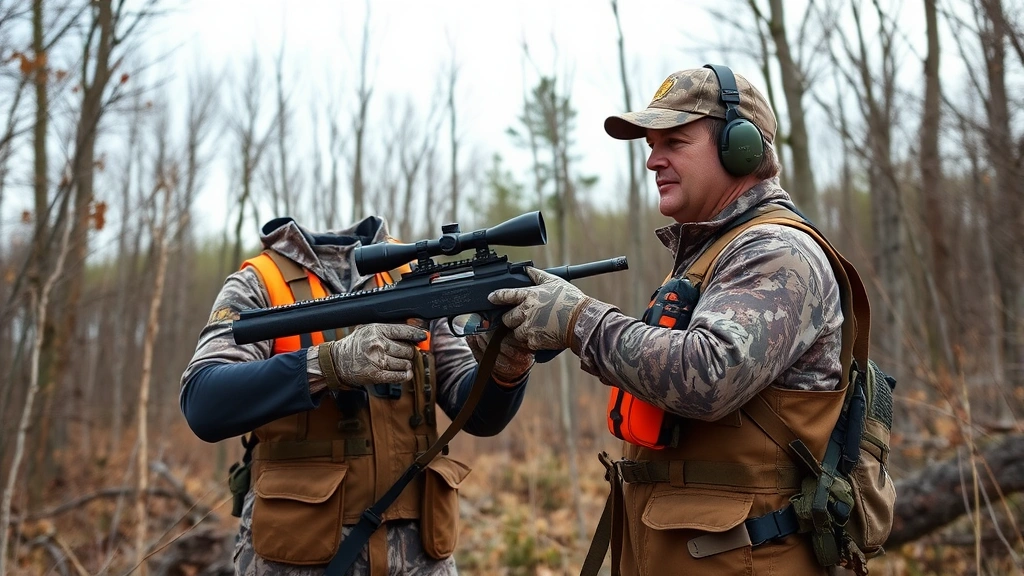
Hunting is a cherished tradition in Missouri, offering outdoor enthusiasts an opportunity to connect with nature while engaging in a regulated activity that supports wildlife conservation. However, before you can legally hunt in Missouri, you must complete an approved hunter safety course—a requirement that ensures all hunters understand firearm safety, ethical hunting practices, and wildlife management principles. This comprehensive guide explores everything you need to know about Missouri’s hunter safety requirements, course options, and what to expect during training.
Whether you’re a first-time hunter or someone relocating to Missouri, understanding the state’s hunter safety regulations is essential. The Missouri Department of Conservation has established rigorous standards for hunter education, and completing an approved course demonstrates your commitment to responsible hunting practices. These courses combine classroom instruction, practical demonstrations, and assessments to equip you with knowledge that could save lives—yours and others in the field.
Missouri Hunter Safety Requirements
Missouri law mandates that all first-time hunters born on or after January 1, 1985, must complete a hunter safety course before purchasing a hunting license. This age-based requirement ensures that younger generations receive formal education in hunting safety, firearm handling, and wildlife ethics. The regulation applies regardless of whether you’re hunting with a rifle, shotgun, bow, or crossbow.
The Missouri Department of Conservation oversees all hunter safety programs in the state, ensuring consistency in curriculum quality and instructor qualifications. This centralized oversight means that whether you take a course in St. Louis, Kansas City, or rural areas, you’re receiving education based on the same rigorous standards. The department has invested significantly in developing comprehensive curricula that address both traditional hunting concerns and emerging safety issues.
If you were born before 1985, you may be exempt from the course requirement, though many experienced hunters choose to take refresher courses to stay current with changing regulations and safety practices. Taking a course voluntarily demonstrates your dedication to responsible hunting and helps you stay informed about updates to Missouri hunting laws.
The hunter safety certification is valid for life, meaning once you complete the course and receive your certificate, you won’t need to retake it. However, the knowledge and skills you gain provide a foundation for lifelong safe hunting practices. Many hunters find that reviewing course materials periodically helps them maintain sharp safety awareness.
Approved Course Options
Missouri offers multiple pathways to complete your hunter safety education, accommodating different learning styles and schedules. The primary course providers include the Missouri Department of Conservation’s official program, certified volunteer instructors, and approved online education platforms. Each option maintains the same rigorous educational standards while offering flexibility in delivery methods.
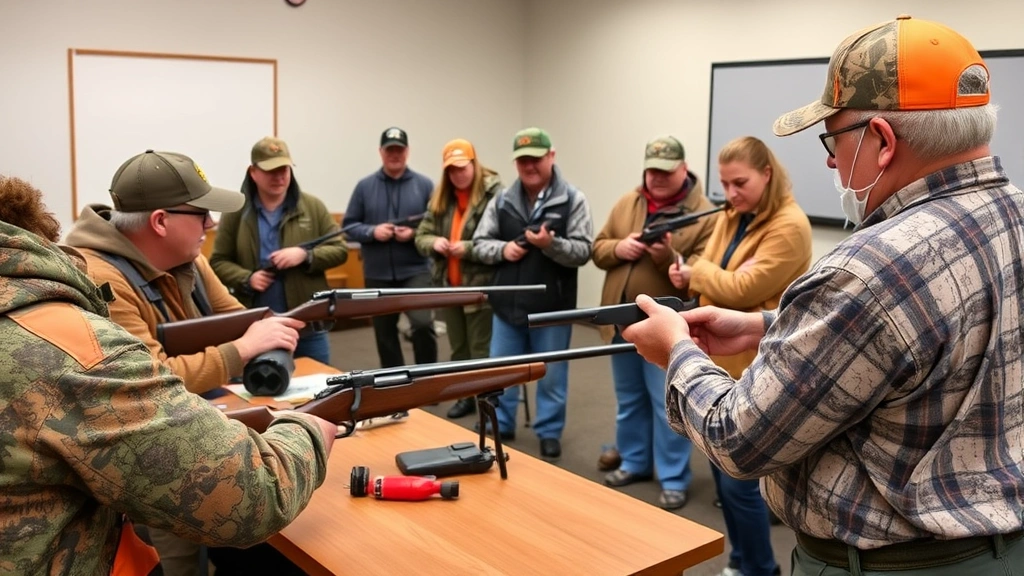
The Missouri Department of Conservation directly administers in-person hunter safety courses throughout the state at various locations and times. These courses typically span one full day or two half-days and include both classroom instruction and hands-on demonstrations. Classes are limited in size to ensure quality instruction and adequate attention to each participant. You can find upcoming course dates and register through the International Hunter Education Association, which partners with state programs to maintain national standards.
Certified volunteer instructors also conduct courses in communities across Missouri. These dedicated professionals undergo extensive training and certification to deliver hunter safety education. Volunteer-led courses often provide a more intimate learning environment and may be scheduled at convenient times for local hunters. Many volunteer instructors are experienced hunters themselves, bringing real-world perspective to classroom discussions.
For those interested in understanding how educational programs are structured, you might explore resources on how to create online courses, which demonstrates the planning behind quality educational delivery. Missouri’s hunter safety program exemplifies these principles in action.
Online hunter safety courses have become increasingly popular, offering maximum flexibility for busy individuals. These courses are fully approved by the Missouri Department of Conservation and provide the same content as in-person classes. Online programs allow you to progress at your own pace while maintaining rigorous assessment standards to ensure comprehension.
Course Content and Curriculum
Missouri’s hunter safety curriculum covers eight essential subject areas that form the foundation of responsible hunting. Understanding these topics thoroughly prepares you for safe and ethical hunting experiences.
Firearm Safety and Handling forms the cornerstone of hunter education. You’ll learn proper firearm mechanics, safe handling techniques, storage protocols, and how to identify and correct unsafe practices. Instructors emphasize the four fundamental rules of firearm safety: treating every firearm as if it’s loaded, keeping your finger off the trigger until ready to shoot, never pointing a firearm at anything you don’t intend to shoot, and being certain of your target and what’s beyond it.
Hunting Regulations and Laws ensure you understand Missouri’s specific hunting seasons, bag limits, licensing requirements, and area restrictions. The curriculum covers recent changes to regulations and helps hunters understand the reasoning behind conservation-based rules. This section emphasizes the importance of staying informed about regulatory updates, as hunting laws change periodically to reflect wildlife population data and conservation goals.
Wildlife Identification teaches you to recognize game species, protected species, and similar-looking animals that might be confused during hunting. Proper identification is crucial for ethical hunting and legal compliance. You’ll study animal behavior, seasonal patterns, and habitat preferences that help hunters locate game while respecting wildlife populations.
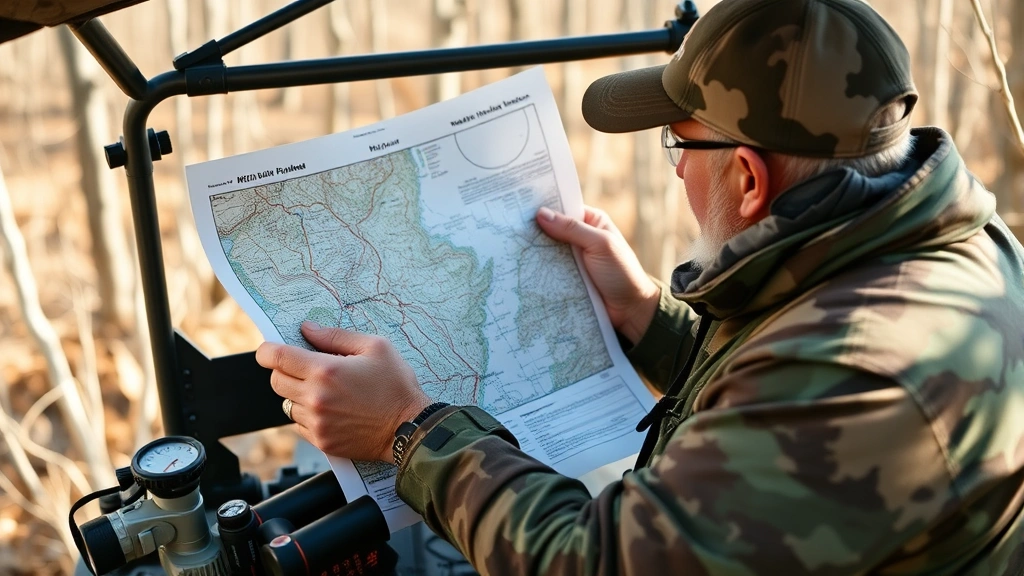
Hunting Zones and Maps instruction helps you understand Missouri’s wildlife management areas and hunting zone designations. You’ll learn to read topographic maps, identify public hunting lands, and understand access restrictions. This knowledge prevents trespassing violations and helps you locate appropriate hunting locations.
Hunting Methods and Ethics covers different hunting techniques, stand safety, decoy usage, and ethical decision-making. Instructors emphasize fair chase principles and the importance of clean, quick kills that minimize animal suffering. This section reflects the values of the hunting community and broader conservation ethics.
Survival and First Aid teaches basic wilderness survival skills and emergency response procedures. You’ll learn how to prevent and treat common hunting-related injuries, signal for help, and survive unexpected situations. These practical skills can be lifesaving in remote hunting environments.
Hunter Responsibility and Conduct addresses the social aspects of hunting, including respecting other hunters’ space, communicating effectively in the field, and maintaining a positive image for the hunting community. This section emphasizes that hunter behavior reflects on everyone who hunts and influences public perception of the sport.
Wildlife Conservation explains how hunting licenses fund conservation efforts and how regulated hunting supports wildlife management. You’ll learn about population dynamics, habitat management, and the role hunters play in maintaining healthy ecosystems. Understanding these connections helps hunters appreciate their role in broader conservation initiatives.
Online vs. In-Person Training
Choosing between online and in-person hunter safety courses involves considering your learning style, schedule, and preference for hands-on instruction. Both options meet Missouri’s requirements and prepare you adequately for hunting.
Online courses offer unprecedented flexibility, allowing you to complete training on your schedule from home or anywhere with internet access. You can pause lessons, review challenging material, and progress at your own pace. Online platforms typically include interactive elements, video demonstrations, and knowledge checks that reinforce learning. The self-paced nature makes online courses ideal for busy individuals, shift workers, and those in remote areas.
However, online courses lack the hands-on firearm demonstrations and live instructor interaction that some learners prefer. You won’t handle firearms during online training, though many programs provide detailed video demonstrations of proper handling techniques. The absence of peer interaction might be a disadvantage for those who benefit from group discussion and shared learning experiences.
In-person courses provide direct instruction, immediate feedback, and hands-on firearm safety demonstrations. Instructors can answer questions in real-time and observe whether students are applying techniques correctly. The classroom environment fosters community among new hunters and provides networking opportunities. Many people find the interactive format more engaging and memorable.
In-person courses require scheduling around class times and locations, which may be inconvenient for some. Travel time and time commitment represent barriers for those with inflexible schedules. Additionally, course availability varies by region, with rural areas sometimes having fewer options than urban centers.
The best choice depends on your individual circumstances. If you value flexibility and self-directed learning, online courses excel. If you prefer hands-on instruction and immediate feedback, in-person courses better serve your needs. Regardless of format, ensure you’re taking an officially approved Missouri course recognized by the Department of Conservation.
Certification and License Application
Upon successful completion of your hunter safety course, you’ll receive a certificate of completion recognized throughout Missouri. This document serves as proof of hunter safety education when applying for hunting licenses. Keep your certificate in a safe place—you may need it for license applications or when hunting.
The certification process involves passing a final assessment covering course material. Most courses include a written examination with questions about firearms safety, regulations, wildlife identification, and ethics. Some courses also include practical demonstrations where instructors observe your ability to handle firearms safely and apply course concepts. Passing standards are rigorous, ensuring only properly trained individuals receive certification.
After receiving your certificate, you can apply for a Missouri hunting license through the Missouri Department of Conservation. Licenses are available for different hunting methods—rifle, shotgun, archery, crossbow, and muzzleloader—allowing you to choose based on your preferred hunting style. License applications can be completed online, by phone, or at authorized vendors throughout the state.
Your hunting license typically expires on June 30 of the year following purchase, regardless of when you buy it. This timing aligns with Missouri’s primary hunting seasons and allows for streamlined annual renewal. Many hunters purchase licenses early in the season to ensure they have proper documentation when hunting begins.
Cost and Accessibility
Missouri’s hunter safety courses are remarkably affordable, with most in-person courses costing between $10 and $25. The Missouri Department of Conservation subsidizes course costs to remove financial barriers to hunter education. This low cost reflects the state’s commitment to making hunter safety education accessible to all interested individuals, regardless of economic background.
Online courses typically cost $15 to $35, with some platforms offering premium options with additional content. The slight cost difference reflects the digital platform infrastructure and automated grading systems. Despite modest costs, online courses provide excellent value by eliminating travel expenses and allowing you to learn on your schedule.
Many communities offer free or reduced-cost courses through partnerships with conservation organizations, hunting clubs, and educational institutions. Check with your local Missouri Department of Conservation office or visit the official Missouri Department of Conservation website for information about free course opportunities in your area.
Accessibility extends beyond cost to include courses offered at convenient locations and times. The Department of Conservation schedules courses throughout the year, with increased offerings before major hunting seasons. Weekend and evening courses accommodate working hunters, while daytime options serve students and retirees.
For individuals with disabilities, many course providers offer accommodations to ensure full participation. Contact the course provider in advance to discuss any accessibility needs, allowing instructors to make appropriate arrangements. Missouri’s commitment to inclusive education means hunter safety courses should be accessible to everyone interested in hunting.
If you’re interested in understanding how educational institutions structure learning experiences, you might review information about medical terminology course design, which demonstrates principles applicable to specialized education like hunter safety.
FAQ
Do I need a hunter safety certificate to hunt in Missouri?
Yes, if you were born on or after January 1, 1985, you must complete an approved hunter safety course before purchasing a hunting license in Missouri. Those born before this date are exempt but may choose to take a course voluntarily for knowledge and safety skills.
How long is a hunter safety certificate valid?
Your hunter safety certificate is valid for life. Once you complete the course and receive certification, you won’t need to retake it, though reviewing course material periodically helps maintain safety awareness.
Can I take an online hunter safety course in Missouri?
Yes, Missouri approves online hunter safety courses that meet state curriculum standards. Online courses provide the same educational value as in-person classes while offering greater scheduling flexibility.
What topics does a Missouri hunter safety course cover?
Courses cover firearm safety, hunting regulations, wildlife identification, hunting zones and maps, hunting methods and ethics, survival and first aid, hunter responsibility and conduct, and wildlife conservation principles.
How much does a Missouri hunter safety course cost?
Most in-person courses cost between $10 and $25, while online courses typically range from $15 to $35. Some areas offer free courses through conservation partnerships. Contact your local Missouri Department of Conservation office for affordable options.
How do I find a hunter safety course near me?
Visit the Missouri Department of Conservation hunter education page to find course schedules and locations. You can also contact your regional conservation office for information about upcoming courses.
What happens if I fail the hunter safety course assessment?
Most course providers allow you to retake the assessment at no additional cost if you don’t pass initially. Instructors can help identify areas where you need additional study before attempting the assessment again.
Is hunter safety certification recognized in other states?
Most states recognize hunter safety certificates from other states through reciprocal agreements. However, you should verify with your destination state’s fish and wildlife agency before hunting out of state, as some states have additional requirements.


