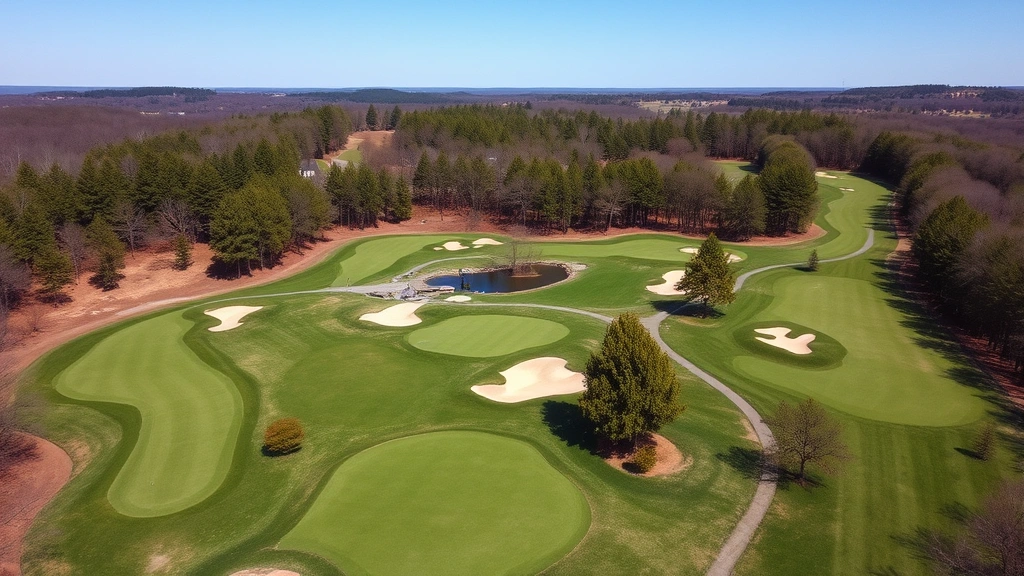
Golf Course Design: Expert Insights into Wintonbury Hills Golf Course
Golf course design is a sophisticated blend of art, science, and strategic planning that transforms landscapes into challenging yet playable recreational spaces. Wintonbury Hills Golf Course stands as a testament to thoughtful design principles that balance aesthetic beauty with functional gameplay. Understanding the intricacies of golf course design requires examining how architects integrate terrain, vegetation, water features, and strategic hazards to create memorable rounds for golfers of all skill levels.
The design philosophy behind courses like Wintonbury Hills reflects decades of evolution in golf course architecture. Modern designers must consider sustainability, playability, maintenance requirements, and environmental impact alongside traditional elements like shot values and strategic difficulty. This comprehensive approach has transformed golf course design from simple pasture layouts into carefully orchestrated experiences that demand respect and reward skillful play.
Core Principles of Golf Course Design
Successful golf course design begins with understanding fundamental principles that have guided architects for over a century. The most critical principle is creating strategic variety—each hole should present different challenges that require distinct approaches and shot selections. Designers must balance par-4s, par-3s, and par-5s in sequences that prevent monotony while maintaining flow throughout the eighteen holes.
Shot value is another cornerstone concept in golf architecture. Each shot on a well-designed hole should have clear consequences; poor shots should be penalized appropriately while good shots should be rewarded. This principle ensures that golfers understand the strategic intent of each hole and can develop coherent game plans. Lake Presidential Golf Course demonstrates this principle through its carefully positioned hazards and green complexes.
The concept of playability for all skill levels has become increasingly important in modern design. Forward tees allow beginners to enjoy the course while back tees challenge accomplished players. This tiered approach, sometimes called “multiple routing,” enables courses to serve diverse membership bases without compromising design integrity.
Environmental stewardship now ranks alongside traditional design considerations. Contemporary architects like those who designed Wintonbury Hills must navigate regulations regarding water usage, pesticide application, and habitat preservation. The Golf Course Superintendents Association of America (GCSAA) provides extensive resources on sustainable design practices that balance playability with environmental responsibility.
Terrain and Topography Considerations
The natural terrain of a property fundamentally shapes design possibilities and constraints. Designers assess elevation changes, soil composition, drainage patterns, and existing vegetation before sketching the first routing. Wintonbury Hills benefits from its Connecticut location, which provides rolling terrain ideal for creating visually interesting holes without excessive earthmoving.
Elevation changes create natural drama and strategic interest. A well-placed bunker that’s invisible from the tee becomes a surprise hazard that challenges assumption-based play. Conversely, elevated greens reward aggressive play and provide visual satisfaction. Designers use topography to create optical illusions—a green that appears closer than it actually is, or a fairway that seems narrower due to strategic bunkering.
Flat terrain presents different challenges. Without natural elevation, designers must create interest through bunkering, water features, and vegetation placement. South Suburban Golf Course exemplifies how architects work with varied topography to establish memorable routing patterns and strategic hole designs.
Drainage considerations are critical for course longevity. Poorly drained areas become unplayable during wet seasons and require expensive remediation. Expert designers incorporate drainage into the initial design phase, using subtle contouring to direct water toward appropriate outlets while maintaining aesthetic appeal.
Water Features and Hazard Placement
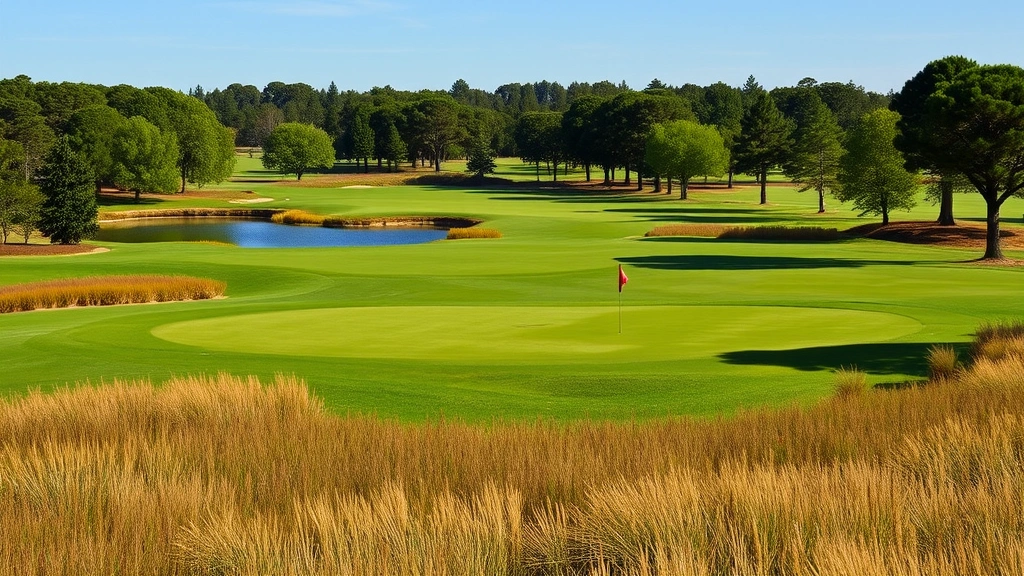
Water features serve multiple functions in golf course design: they create visual appeal, establish strategic challenges, provide drainage, and support environmental ecosystems. The most effective water hazards are those that force meaningful decisions rather than random luck.
Strategic water placement requires understanding golfer psychology. A water hazard that blocks the direct route to the green creates a genuine choice: attempt the carry for a better approach shot, or lay up safely and accept a longer second shot. This decision-making process is what separates golf from other sports and makes course design so engaging.
Hazard visibility matters enormously. Architects debate whether hazards should be obvious or subtle. The modern consensus favors transparency—golfers should be able to see hazards and make informed decisions. Hidden water that punishes unsuspecting players creates frustration rather than satisfaction.
Wetland preservation has become increasingly important. Many courses now incorporate native wetlands into their design rather than draining them. North Park Golf Course demonstrates how environmental stewardship and playability can coexist through thoughtful water feature integration.
The relationship between water and bunkers requires careful consideration. Bunkers positioned in front of water create layering effects that add visual depth and strategic complexity. A well-designed water feature might require different club selections depending on wind conditions, player skill level, and course conditions.
Vegetation and Landscaping Strategy
Trees and vegetation fundamentally alter how golfers perceive and play a course. Strategic tree placement frames holes, creates optical illusions about fairway width, and establishes visual rhythm throughout the routing. Wintonbury Hills likely incorporates native Connecticut flora that requires minimal intervention while providing year-round visual interest.
Native plantings offer substantial advantages over ornamental landscaping. They require less water, fertilizer, and pest management while providing superior wildlife habitat. The Audubon Society’s Cooperative Sanctuary Program certifies courses that incorporate native plants and sustainable practices, improving both playability and environmental value.
Rough vegetation serves as the primary penalty for wayward shots. Designers must balance playability with difficulty—rough should punish poor shots without making recovery impossible. The height and density of rough vegetation changes throughout the season, requiring sophisticated maintenance planning.
Tree maturation timelines influence design decisions. Young trees provide little visual definition, so designers must plan for decades-long growth cycles. Some courses plant clusters of trees that will eventually create strategic corridors, while others preserve existing mature trees that immediately define the landscape.
Seasonal variation in vegetation provides natural rhythm. Spring blooms, summer canopies, autumn colors, and winter silhouettes create constantly evolving visual experiences. A well-designed course reveals different character in different seasons, encouraging repeat play year-round.
Grass selection for fairways, roughs, and greens requires matching species to climate, soil conditions, and maintenance capabilities. Cool-season grasses suit northern courses like Wintonbury Hills, while warm-season varieties dominate southern courses. Selecting appropriate grasses prevents disease, reduces chemical inputs, and improves playability.

Playability and Difficulty Balance
The most challenging aspect of golf course design is creating courses that accommodate diverse skill levels while maintaining design integrity. A hole that’s perfect for scratch golfers might be unfairly difficult for high-handicappers, yet too simple courses bore accomplished players.
Multiple tee positions address this challenge directly. Forward tees might reduce hole length by 500 yards over eighteen holes, fundamentally changing strategic considerations while maintaining the designer’s intent. Back tees preserve the architect’s original vision for accomplished players while providing appropriate challenges for others.
Green complexity provides another difficulty lever. Small, undulating greens demand precision and penalize poor shots, while larger, flatter greens reward solid striking regardless of approach angle precision. Designers balance these elements to create appropriate difficulty curves.
Handicap ratings quantify course difficulty, accounting for length, hazard placement, and green complexity. A well-designed course typically has slope ratings that reward excellent play while remaining playable for everyone. The USGA’s handicap system relies on accurate course ratings that reflect design difficulty.
Par 3 courses near you offer valuable lessons in simplified course design. These courses demonstrate that strategic interest doesn’t require length or complexity—excellent par-3 design creates engaging golf in compact spaces.
Wintonbury Hills Specific Features
Wintonbury Hills Golf Course represents Connecticut golf at its finest, incorporating regional design principles adapted to local conditions. The course likely features the rolling terrain characteristic of central Connecticut, with strategic use of natural elevation changes to create memorable holes.
The course name suggests topographic prominence—Wintonbury Hills probably incorporates views and elevation that provide visual drama and strategic opportunity. Connecticut’s climate influences maintenance schedules and vegetation selection, with cool-season grasses providing year-round playability.
Like other regional courses such as golf courses hiring near you, Wintonbury Hills employs skilled maintenance staff who understand the specific requirements of northeastern golf course management. Seasonal transitions require different maintenance approaches, and expert superintendents adjust strategies throughout the year.
The course design likely reflects modern sensibilities regarding environmental stewardship, incorporating native plants and sustainable practices that reduce chemical inputs while improving wildlife habitat. Connecticut courses increasingly emphasize environmental responsibility, attracting environmentally conscious golfers who value sustainability.
Routing decisions at Wintonbury Hills probably consider prevailing winds, sun exposure, and natural drainage patterns. Expert designers avoid routing into afternoon sun when possible, and they position holes to take advantage of prevailing breezes that add strategic variety depending on wind direction.
Maintenance and Sustainability
Course design doesn’t end with construction—maintenance requirements must be considered during the design phase. Holes that are beautiful but impossible to maintain create ongoing financial and environmental problems. Expert designers balance aesthetic ambitions with practical maintenance realities.
Integrated pest management has become standard practice at forward-thinking courses. Rather than relying on chemical pesticides, sustainable courses employ cultural practices, biological controls, and targeted applications that minimize environmental impact while maintaining playability.
Water conservation represents a critical design and maintenance consideration. Courses in water-scarce regions must design irrigation systems carefully, while courses in humid climates like Connecticut face different challenges related to excessive moisture and disease pressure. The EPA’s water quality guidelines establish standards that golf courses must follow, influencing both design and maintenance decisions.
Turfgrass health directly impacts playability and aesthetics. Well-maintained greens provide consistent putting surfaces, while healthy fairways support clean contact and consistent ball striking. Maintenance budgets significantly influence course quality, making design choices that reduce maintenance costs increasingly valuable.
Course conditioning varies seasonally and annually depending on weather. Spring overseed programs, summer heat stress management, and fall preparation require different approaches. Experienced maintenance teams adjust practices based on seasonal conditions while following design intent.
Sustainable design practices reduce long-term maintenance costs and environmental impact. Native plantings require less fertilizer, efficient irrigation systems reduce water consumption, and thoughtful drainage eliminates problem areas. Audubon’s Cooperative Sanctuary Program for Golf Courses provides certification and guidance for courses pursuing sustainability.
FAQ
What makes golf course design different from other landscape design?
Golf course design integrates strategic gameplay requirements with aesthetic and environmental considerations. Unlike general landscape design, golf courses must create specific shot values, strategic choices, and playable conditions for diverse skill levels while maintaining environmental responsibility.
How do designers decide where to place bunkers?
Bunker placement reflects strategic intent. Bunkers positioned at drive distances create fairway challenges, while greenside bunkers penalize approach shots and reward precision. Expert designers consider sight lines, drainage, maintenance requirements, and visual aesthetics when positioning bunkers.
Why do courses have multiple tee boxes?
Multiple tee positions allow courses to serve golfers of different abilities. Forward tees reduce yardage and hazard difficulty, making courses playable for beginners, while back tees preserve the architect’s original vision for accomplished players. This approach maximizes a course’s accessibility without compromising design integrity.
How does weather influence course design?
Climate and weather patterns profoundly influence design decisions. Courses in humid climates face different disease pressures, courses in arid regions must address water conservation, and courses in cold climates must survive freeze-thaw cycles. Designers select appropriate grasses and incorporate drainage solutions that address regional weather patterns.
What’s the relationship between course rating and difficulty?
Course rating quantifies difficulty for handicap purposes, accounting for length, hazard placement, green complexity, and rough conditions. Well-designed courses have rating systems that accurately reflect difficulty while accommodating multiple skill levels through tiered tee positions.
Can golf courses be environmentally sustainable?
Absolutely. Modern courses increasingly incorporate native plantings, efficient irrigation, integrated pest management, and habitat preservation. Courses like Wintonbury Hills demonstrate that strategic golf design and environmental stewardship can coexist, reducing chemical inputs while improving playability and wildlife value.


