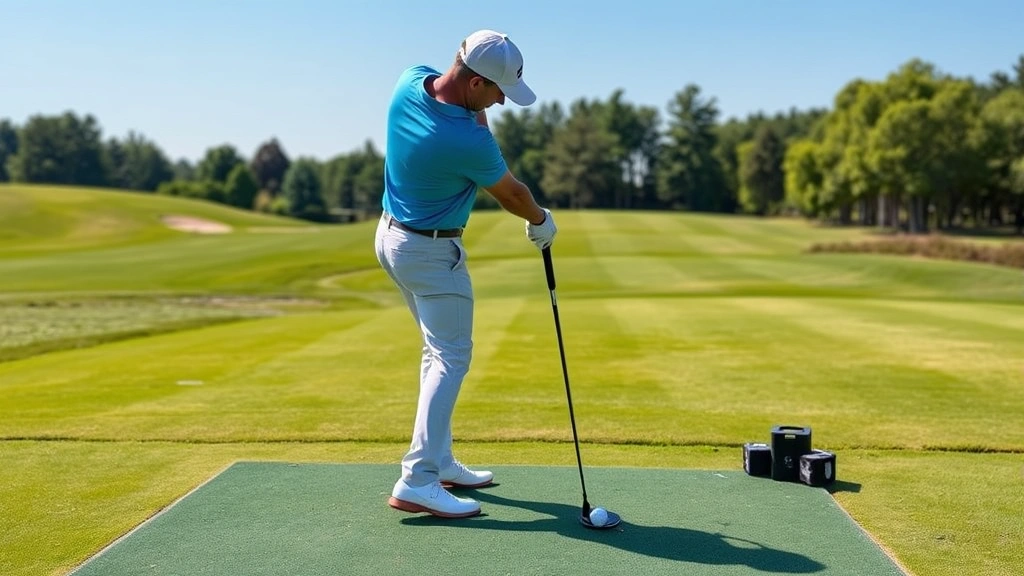
Dretzka Park Golf Course stands as one of Milwaukee’s premier public golf destinations, offering not just a challenging course but also valuable opportunities to learn from experienced coaching professionals. Whether you’re a beginner looking to develop a solid foundation or an intermediate golfer seeking to refine your technique, understanding what makes coaching at Dretzka Park effective can transform your game. The course combines beautiful natural surroundings with accessible instruction, making it an ideal location to invest in your golfing education.
Golf instruction has evolved significantly over the past decade, with modern coaching methods drawing from sports science, biomechanics, and proven teaching methodologies. At Dretzka Park, coaches integrate these evidence-based approaches to help golfers of all skill levels improve their performance. Learning from qualified instructors at a quality facility accelerates your progress far beyond what solo practice can achieve, providing personalized feedback and strategic guidance tailored to your specific needs.
This comprehensive guide explores how to maximize your golf improvement journey at Dretzka Park, examining coaching approaches, skill development strategies, and the broader context of sports education. Whether you’re interested in lifelong learning approaches to sports development or seeking structured skill advancement, understanding the principles of effective golf instruction will enhance your experience.
Understanding Dretzka Park’s Coaching Environment
Dretzka Park Golf Course provides a unique setting for golf instruction, combining challenging hole layouts with practice facilities designed for skill development. The course’s design naturally teaches course management principles, as players must navigate water hazards, sand bunkers, and elevation changes that demand strategic thinking. Coaches at Dretzka leverage these course features as teaching tools, helping students understand how different situations require different approaches.
The coaching philosophy at public courses like Dretzka Park emphasizes accessibility and progressive skill development. Professional instructors recognize that golfers come from diverse backgrounds with varying experience levels, physical abilities, and learning preferences. Effective coaches adapt their teaching methods to match each student’s learning style, whether you’re a visual learner who benefits from demonstration and video analysis, an auditory learner who responds to detailed verbal instruction, or a kinesthetic learner who needs hands-on practice with immediate feedback.
When selecting a coach at Dretzka Park, look for professionals with recognized certifications from organizations like the Professional Golfers’ Association. Certified instructors have demonstrated expertise in swing mechanics, teaching methodology, and player development. Many coaches at public courses combine teaching with personal playing experience, providing insights into how techniques perform under competitive pressure and varying conditions.
The facility’s practice areas, including driving ranges and short-game zones, are specifically designed to support structured learning. These dedicated practice spaces allow coaches to isolate specific skills, provide focused instruction without course pressure, and build confidence before applying new techniques during actual play. Understanding how to use these facilities effectively multiplies the value of your coaching investment.
Fundamental Techniques Coaches Focus On
Golf coaches prioritize teaching fundamental techniques because these foundational skills determine your long-term potential and consistency. The grip, stance, and posture form the foundation of every golf swing. Coaches at Dretzka Park spend considerable time ensuring students establish proper fundamentals, recognizing that bad habits developed early become increasingly difficult to correct. Research in motor learning and skill acquisition demonstrates that correct early practice prevents the need for costly corrections later.
The full swing represents the most complex movement in golf, involving coordinated rotation of the hips, torso, and shoulders while maintaining a stable lower body and controlled arm swing. Coaches break this complex movement into teachable components, helping students understand the relationship between different body segments. Modern coaching often incorporates video analysis, allowing students to see their swing from multiple angles and compare their movement patterns to biomechanically efficient models.
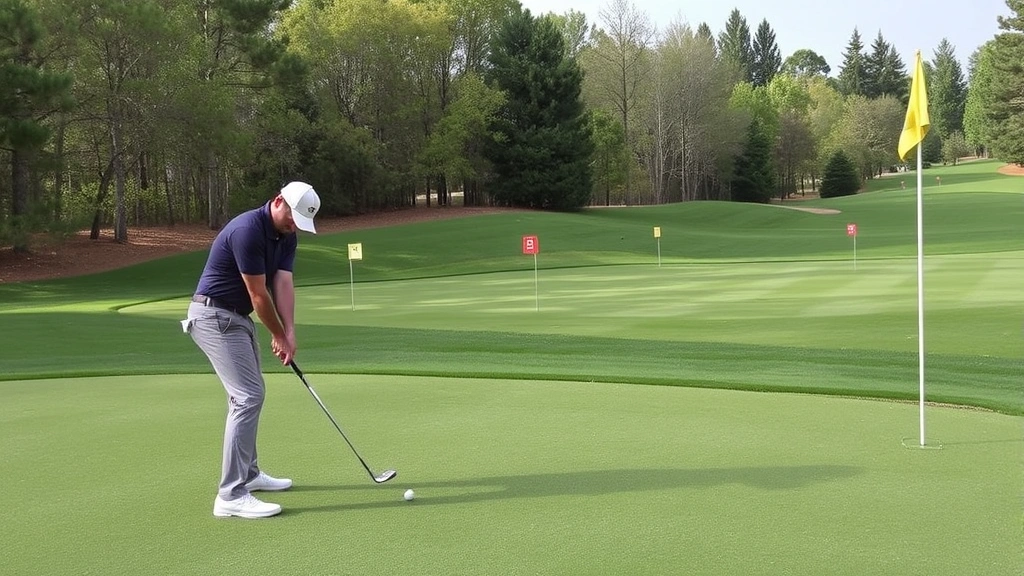
Short-game skills—chipping, pitching, and bunker play—deserve significant attention in any coaching program. Statistics consistently show that golfers score better when they excel around the greens, yet many players neglect short-game practice. Experienced coaches emphasize that short-game mastery provides faster scoring improvement than working exclusively on full swing mechanics. A coach can teach you efficient techniques for different short-game situations, from delicate chips around the green to explosive bunker shots.
Putting represents perhaps the most important scoring skill, yet it often receives inadequate attention in coaching programs. The putting stroke differs fundamentally from the full swing, requiring different mechanics and mental approaches. Coaches teach putting fundamentals including grip, alignment, stroke path, and speed control. Understanding how green reading, slope analysis, and distance judgment affect putting success transforms this critical skill from guesswork into a learnable, improvable technique.
As you develop these fundamental techniques, remember that improvement requires consistent, focused practice. Our guide on continuing education through structured courses applies equally to sports skill development—consistent engagement with quality instruction accelerates progress.
Developing Your Mental Game
Golf presents unique mental challenges compared to many sports. The pace of play allows extended periods for self-doubt, anxiety, and negative thinking to influence performance. Coaches recognize that technical skill alone doesn’t guarantee good scores; mental resilience and emotional regulation are equally important. Developing what sports psychologists call “mental toughness” significantly impacts your ability to perform under pressure.
Confidence represents the cornerstone of mental game development. Coaches build confidence through structured practice that creates measurable improvement, allowing you to experience tangible progress. When you hit better shots consistently, make more putts, and score lower, your confidence naturally increases. This confidence then influences future performance, creating a positive feedback loop where belief in your abilities enables better execution.
Visualization and mental rehearsal techniques teach your brain to prepare for upcoming shots before physically executing them. Coaches guide students through visualization processes where you mentally see the perfect shot, feel the proper swing tempo, and imagine the ball flying to the target. Research in sports psychology confirms that mental rehearsal activates similar neural pathways as physical practice, making it a legitimate training tool when combined with actual play.
Managing emotions during competitive play requires specific strategies. Coaches teach techniques like deep breathing, positive self-talk, and process-focused thinking—concentrating on executing your swing properly rather than obsessing about results. These mental skills transfer beyond golf into other areas of life, making golf coaching valuable for overall personal development and stress management.
Understanding the psychology of learning applies directly to golf improvement. When coaches help you maintain focus on improvement processes rather than outcome obsession, they’re applying principles from educational psychology that enhance learning across all domains. This approach to continuous growth emphasizes that sustainable improvement comes from intrinsic motivation and process focus rather than external pressure.
Practice Strategies for Measurable Improvement
Random, unfocused practice produces minimal improvement, regardless of duration. Coaches emphasize deliberate practice—structured sessions targeting specific skills with immediate feedback and progressive difficulty. At Dretzka Park, coaches help you design practice routines that maximize improvement per practice hour invested.
Effective practice sessions typically follow a structure: warm-up, focused skill work on specific techniques, varied practice simulating course conditions, and reflection on performance. Coaches teach you to track specific metrics—fairways hit, greens in regulation, putts per round—providing objective measures of improvement. This data-driven approach to skill development reflects how modern education emphasizes measurable learning outcomes.
Varied practice proves more effective than blocked practice for developing skills that transfer to competitive play. Rather than hitting fifty identical shots, varied practice mixes different clubs, targets, and shot types. This variation forces your brain to engage problem-solving abilities, strengthening the neural connections that enable performance when facing unfamiliar situations during actual play. Coaches structure practice sessions to include sufficient variety while maintaining focus on specific skill development.
The concept of progressive overload applies to golf skill development. Coaches gradually increase practice difficulty, starting with short distances and simple situations, then progressing to longer distances and more complex scenarios. This progressive approach builds confidence while preventing discouragement that comes from attempting skills before you’re ready.
Coaches also teach the importance of recovery and avoiding overtraining. While consistent practice drives improvement, excessive practice without adequate rest leads to fatigue, poor form, and increased injury risk. Understanding the balance between training stimulus and recovery represents a key coaching principle that parallels principles from anatomy and physiology education—your body requires proper recovery time to adapt to training stimuli.
Course Management and Strategic Play
Excellent swing technique means little if poor course management squanders that technical skill. Coaches teach strategic thinking about how to play each hole intelligently, considering your skill level, the course layout, hazard placement, and weather conditions. Strategic play often means accepting that some holes require conservative approaches, playing away from trouble and accepting bogey as a success.
Reading greens and understanding slope, grain, and speed represents a learnable skill that coaches systematically teach. Rather than relying on intuition, you learn to analyze green contours, visualize how the ball will roll, and select appropriate target lines. Coaches teach you to gather information from multiple perspectives, understanding that viewing a putt from different angles reveals slope information that influences your reading.
Understanding your own distances with each club provides the foundation for smart course management. Coaches help you establish accurate distance knowledge, using launch monitors and range measurements to determine your typical distances rather than relying on manufacturer claims or wishful thinking. Knowing your actual distances prevents the common mistake of club selection errors that lead to poor shots.
Hazard management requires balancing risk and reward. Coaches teach you to assess situations objectively—recognizing when aggressive play offers value and when conservative play represents the smarter choice. This decision-making process mirrors critical thinking skills emphasized in educational settings, requiring analysis of available information and selection of optimal strategies.
Weather adaptation represents another important course management skill. Wind direction and speed, temperature, and moisture all affect ball flight and roll. Coaches teach you to read wind indicators, adjust club selection accordingly, and modify swing mechanics for different conditions. These adaptations transform you from a one-dimensional player into a versatile competitor who adjusts effectively to varying circumstances.
Physical Conditioning for Golf
Golf demands specific physical capacities including flexibility, rotational power, core stability, and lower body strength. Many golfers neglect physical conditioning, missing opportunities to improve performance while reducing injury risk. Coaches increasingly incorporate fitness guidance, recognizing that physical condition directly impacts swing mechanics and consistency.
Flexibility in the hips, shoulders, and thoracic spine enables the full rotation required for powerful, efficient swings. Limited flexibility forces compensatory movements that reduce power and increase injury risk. Coaches recommend specific stretching routines that target golf-relevant muscle groups, improving your physical capacity for proper swing mechanics.
Core stability—the ability to control your trunk position during the swing—determines whether your upper and lower body can separate effectively during the backswing and rotate together during the downswing. Coaches often recommend specific core exercises that strengthen stabilizer muscles, improving swing consistency and power transfer from your lower body to your upper body and arms.
Lower body strength provides the foundation for powerful swings. Strong legs and glutes enable proper weight transfer, allow you to maintain posture throughout the swing, and provide the power base for distance. Coaches guide you toward strength training that improves golf-specific capacities without creating muscle imbalances that could lead to injury.
Many coaches recommend working with fitness professionals who understand golf-specific conditioning. This collaborative approach combines golf instruction with specialized fitness training, creating comprehensive player development. Your coach at Dretzka Park can recommend conditioning resources or work with fitness professionals to ensure your physical training supports your golf development.
Technology and Modern Coaching Tools
Modern golf coaching incorporates technology that provides objective feedback impossible to obtain through observation alone. Launch monitors measure ball speed, launch angle, spin rate, and carry distance, providing precise data about your shot quality. This technology eliminates guesswork, showing exactly how different swing changes affect ball flight characteristics.
Video analysis allows slow-motion review of your swing from multiple angles, enabling detailed comparison between your movement patterns and biomechanically efficient models. Coaches use video to highlight specific areas for improvement, show you exactly what changes feel different when implementing corrections, and document progress over time. This visual feedback accelerates learning, as you can see improvements you might not feel during execution.
Putting analysis systems measure stroke mechanics, green reading accuracy, and distance control with precision. These systems identify specific putting weaknesses—perhaps your stroke path deviates slightly, your speed control is inconsistent, or your green reading needs refinement. Targeted practice addressing these specific weaknesses produces faster improvement than general putting practice.
Rangefinders and GPS devices provide accurate distance information, eliminating distance estimation errors that lead to poor club selection. While these devices don’t teach proper swing mechanics, they ensure you have accurate information for strategic decision-making, allowing you to focus on execution rather than distance guessing.
Swing analysis apps and at-home monitoring devices democratize access to coaching technology. While professional-grade equipment at facilities like Dretzka Park provides superior accuracy, personal devices allow you to track progress between coaching sessions and maintain focus on specific improvement areas. This technology supports the comprehensive course offerings approach to skill development, enabling self-directed learning between professional coaching sessions.
Coaches increasingly use data analytics to identify patterns in your performance. Rather than relying on general impressions, modern coaching examines specific data—which courses you play well on, which hole types challenge you most, how your performance varies by conditions. This analytical approach reveals targeted improvement opportunities, directing your practice toward areas offering maximum scoring improvement potential.
As golf coaching technology advances, coaches who embrace these tools provide significant advantages to their students. At Dretzka Park, coaches utilizing modern technology can provide more precise feedback, track progress more accurately, and identify improvement opportunities more efficiently than coaches relying solely on observation and experience.
FAQ
How often should I take golf lessons to see meaningful improvement?
Most coaches recommend weekly or bi-weekly lessons for serious improvement, combined with consistent practice between lessons. The frequency depends on your current skill level, available time for practice, and improvement goals. Beginners benefit from more frequent lessons to establish proper fundamentals, while intermediate players may progress well with bi-weekly instruction focused on specific areas. The key is maintaining consistent practice between lessons—instruction without adequate practice produces minimal improvement.
What should I expect during my first coaching session?
Your first session typically involves assessment of your current abilities, swing mechanics, and understanding of golf fundamentals. Coaches observe your swing, discuss your golfing history and goals, and identify primary areas for improvement. Rather than immediately implementing multiple changes, good coaches usually recommend focusing on one or two high-priority improvements that will have significant impact on your game. Expect to discuss practice strategies and receive guidance on how to reinforce lessons between sessions.
Can adult beginners improve significantly with coaching?
Absolutely. Adult beginners improve rapidly with quality coaching because proper instruction prevents bad habit development. Adults often learn quickly when they understand the purpose behind specific techniques, making them ideal coaching candidates. Many adult beginners reach respectable playing levels within a year of consistent instruction and practice. Starting with proper fundamentals positions you for long-term improvement and enjoyment of the game.
How does Dretzka Park compare to other Milwaukee golf courses for instruction?
Dretzka Park offers excellent coaching opportunities with well-maintained practice facilities and experienced instructors. If you’re interested in comparing different learning environments, you might also explore instruction available at other area courses. Each facility has particular strengths, and your choice may depend on location convenience, coach specialization, and facility features that match your learning preferences.
What’s the best way to practice between coaching sessions?
Focused, deliberate practice produces far better results than random practice. Between lessons, concentrate on specific techniques your coach emphasized, using the practice structure your coach recommended. Track your performance on these specific skills, noting improvement or challenges to discuss in your next lesson. Quality practice sessions of 30-45 minutes with specific focus exceed longer, unfocused sessions. Remember that course play provides valuable practice too—applying coaching lessons during actual rounds reinforces learning and builds confidence.
How long does it typically take to break 90?
Breaking 90 depends on starting skill level, practice frequency, and coaching quality. Beginners taking weekly lessons with consistent practice often reach this milestone within 6-12 months. Golfers starting from higher scores may require longer, while those with prior athletic experience sometimes progress faster. Your coach can provide more specific timelines based on your current abilities and commitment level. Focus on improvement processes rather than arbitrary score targets—as your skills improve, better scores naturally follow.
Should I invest in better equipment as I improve?
Quality equipment helps but doesn’t replace proper technique. Coaches typically recommend that beginners focus on fundamentals with basic equipment before investing in expensive clubs. As your swing mechanics improve and you understand your preferences, better equipment becomes more worthwhile. Coaches can advise on equipment selection based on your swing characteristics and needs. Remember that better equipment won’t improve your score significantly if your fundamentals need work—prioritize instruction and practice before upgrading.


