Find EMT Courses Near You: Expert Advice for Aspiring Emergency Medical Technicians
Emergency Medical Technician (EMT) certification represents one of the most rewarding career paths in healthcare, offering the opportunity to save lives while serving your community. Whether you’re considering a career change or starting your professional journey, finding the right EMT course near me is the crucial first step toward certification and employment. This comprehensive guide will help you navigate the landscape of EMT training programs, understand certification requirements, and identify the best educational options available in your area.
The demand for qualified EMTs continues to grow across the United States, with the Bureau of Labor Statistics projecting steady employment growth in emergency medical services. However, not all EMT programs are created equal, and selecting the right course requires understanding accreditation standards, instructor qualifications, curriculum quality, and program structure. This article provides evidence-based guidance to help you make an informed decision about your EMT education.
Understanding EMT Certification Levels
Before searching for an EMT course near me, it’s essential to understand the different certification levels available. The National Highway Traffic Safety Administration (NHTSA) recognizes four primary EMT certification levels, each with distinct training requirements and scope of practice.
EMT-Basic (EMT-B) represents the foundational certification level, typically requiring 120-150 hours of training. EMT-Basic training focuses on patient assessment, cardiopulmonary resuscitation (CPR), basic life support, and transportation to appropriate medical facilities. This level is ideal for individuals entering the EMS field or working in volunteer departments.
EMT-Intermediate sits between Basic and Paramedic levels, requiring approximately 200-400 hours of training depending on your state’s regulations. Intermediate-level EMTs can perform additional interventions such as intravenous therapy, advanced airway management, and medication administration under medical direction.
EMT-Paramedic represents the highest certification level, requiring 1,000-2,000 hours of comprehensive training. Paramedics are highly skilled providers capable of performing advanced life support interventions, administering medications, and managing complex medical emergencies. Paramedic programs typically require prerequisite coursework in anatomy, physiology, and pharmacology.
Certified First Responder is a basic certification requiring 40-50 hours of training, suitable for law enforcement officers, firefighters, or industrial safety personnel who need emergency medical skills but don’t intend to work as full-time EMTs.
How to Search for EMT Programs in Your Area
Finding quality EMT courses near me requires a systematic approach using multiple resources. Start by contacting your state’s EMS office or department of health, which maintains registries of accredited training programs and can provide comprehensive lists of approved providers in your region.
Community colleges represent one of the most accessible and affordable options for EMT training. Most community colleges offer EMT-Basic and sometimes EMT-Intermediate programs integrated into their regular course schedules. These institutions typically employ experienced instructors and maintain strong connections with local EMS agencies, providing valuable networking opportunities.
Fire departments and EMS agencies frequently offer training programs to the public, sometimes at reduced costs. Contact your local fire department or ambulance service to inquire about in-house training programs. Many agencies offer evening or weekend classes specifically designed for working professionals.
Private training companies and vocational schools provide another avenue for EMT education. While these programs may be more expensive than community college options, they often offer flexible scheduling and accelerated courses. Verify that any private provider is state-approved and nationally accredited before enrolling.
Online directories such as the National Registry of Emergency Medical Technicians (NREMT) and your state’s EMS office website allow you to search for approved training programs by location. These official resources ensure you’re considering legitimate, accredited institutions.
Social media and professional networking platforms can connect you with EMTs in your area who can recommend quality programs. Ask healthcare professionals, firefighters, or paramedics about their training experiences and program recommendations.
Accreditation and Program Quality Standards
When evaluating EMT certification programs near me, accreditation status should be your primary consideration. The Commission on Accreditation of Allied Health Education Programs (CAAHEP) accredits many EMT programs throughout the United States, ensuring they meet rigorous educational standards.
State approval is equally important. Every EMT program must be approved by your state’s EMS regulatory body. Verify that any program you’re considering has current state approval and maintains compliance with all regulatory requirements. Programs that lose accreditation may leave students unable to sit for certification examinations.
Review the program’s National Registry pass rate, which indicates the percentage of graduates who successfully pass the NREMT examination on their first attempt. Programs with pass rates above 80% typically provide superior instruction and preparation. This metric serves as a reliable indicator of educational quality.
Examine curriculum alignment with NREMT standards and your state’s specific requirements. Request detailed course syllabi and learning objectives to ensure comprehensive coverage of essential topics. Quality programs provide transparent documentation of their educational approach.
Instructor credentials matter significantly. Ask about instructor qualifications, including their EMT certifications, teaching experience, and continuing education commitments. Instructors should maintain current certifications and demonstrate ongoing professional development.
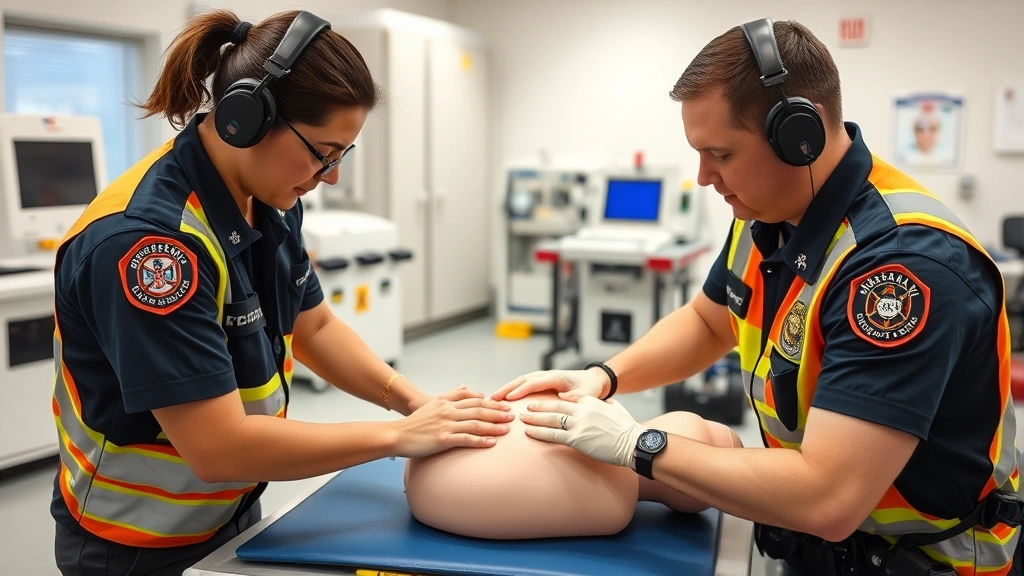
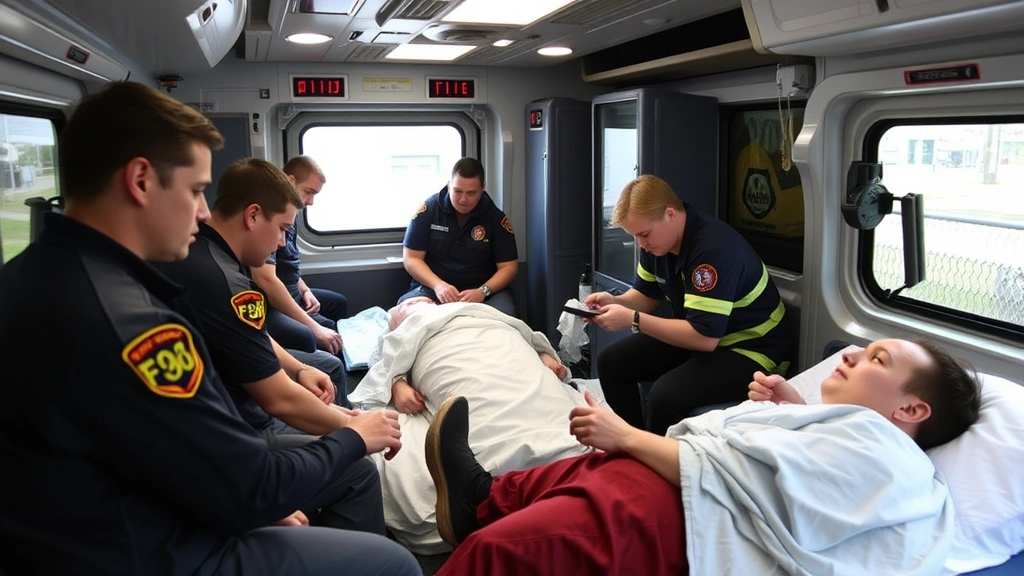
Program facilities and equipment should reflect real-world EMS environments. Visit programs if possible to observe training facilities, equipment quality, and classroom settings. Programs with access to ambulances, mannequins for skills practice, and modern learning technology typically provide superior hands-on training.
Course Duration and Schedule Options
EMT training programs vary significantly in duration and scheduling, allowing you to select options that fit your lifestyle and professional obligations. Understanding these variations helps you identify programs that align with your needs.
Intensive full-time programs typically span 4-8 weeks, requiring daily classroom attendance and skills practice. These accelerated courses compress standard curriculum into shorter timeframes, ideal for individuals who can dedicate full-time attention to their studies. While efficient, intensive programs demand significant commitment and focus.
Part-time programs extend over several months, meeting 2-3 evenings weekly and weekends. This format appeals to working professionals who cannot leave their jobs to pursue training. Part-time programs allow students to balance education with employment and family responsibilities.
Hybrid programs combine online learning with in-person skills sessions. Theoretical content is delivered through web-based platforms, while hands-on skills practice occurs during scheduled classroom meetings. Hybrid formats maximize flexibility while ensuring adequate practical training.
Weekend programs concentrate instruction into Friday evening through Sunday sessions, typically spanning 6-12 weeks. This option suits individuals working traditional Monday-Friday schedules.
Consider your learning preferences and schedule constraints when selecting program duration. Research demonstrates that students benefit from adequate time for concept integration and skills practice, so extremely compressed programs may not provide optimal learning outcomes.
Cost Considerations and Financial Aid
EMT training costs vary dramatically based on program type, location, and institution. Community college programs typically cost $500-$2,000, while private training companies may charge $1,500-$5,000. Paramedic programs, requiring significantly more instruction, often cost $4,000-$15,000.
Financial aid options can make EMT courses near me more accessible. Many community colleges participate in federal financial aid programs, including Pell Grants and student loans. Complete the Free Application for Federal Student Aid (FAFSA) to determine eligibility.
Employer sponsorship represents another valuable funding source. Many fire departments, ambulance services, and hospitals sponsor EMT training for employees or prospective hires. Contact local EMS agencies about tuition reimbursement or sponsorship programs.
Scholarships from professional organizations, community foundations, and EMS associations can offset training costs. Research opportunities through the National Association of EMS Physicians, American Ambulance Association, and local foundations.
Veterans may qualify for benefits through the GI Bill or vocational rehabilitation programs. Contact your state’s veterans affairs office to explore available funding.
Evaluate total cost of ownership, including tuition, books, uniforms, equipment, and certification examination fees. Some programs bundle these expenses while others charge separately, affecting overall affordability.
Curriculum Content and Hands-On Training
Quality EMT programs balance theoretical knowledge with practical skills development. Comprehensive curriculum should address patient assessment, emergency pharmacology, trauma management, medical emergencies, and special populations.
Patient assessment forms the foundation of EMS practice. Excellent programs dedicate substantial time to teaching systematic assessment techniques, including primary surveys, vital signs interpretation, and differential diagnosis development. Hands-on practice with simulation mannequins builds confidence and competence.
Cardiovascular emergencies represent a significant focus area. Programs should provide extensive training in chest pain assessment, acute coronary syndrome recognition, heart failure management, and cardiac arrhythmia identification. Practical experience with electrocardiogram interpretation enhances clinical decision-making.
Trauma management requires specialized instruction in mechanism of injury assessment, hemorrhage control, fracture management, and shock recognition. Hands-on practice with trauma simulation scenarios develops rapid decision-making skills essential in emergency situations.
Respiratory emergencies demand detailed instruction in airway management, breathing assistance, oxygen therapy, and ventilation techniques. Practical skills stations should include airway mannequin practice with multiple difficulty levels.
Medical emergencies encompassing allergic reactions, poisoning, environmental injuries, and medical crises require comprehensive coverage. Programs should integrate case-based learning to develop clinical reasoning skills applicable to diverse patient presentations.
Pediatric and geriatric considerations deserve specific attention. Age-specific assessment techniques, medication dosing calculations, and developmental considerations significantly impact patient outcomes. Quality programs emphasize these specialized populations.
Instructor Qualifications Matter
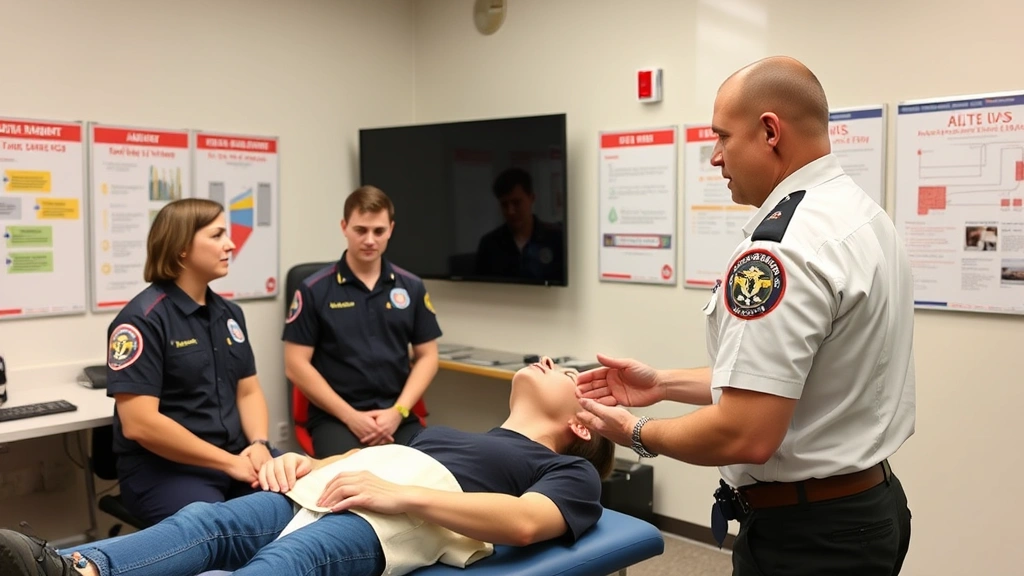
Instructor quality directly influences educational outcomes. Research demonstrates that experienced, engaged instructors improve student comprehension, skill development, and certification examination performance. When evaluating EMT programs near me, prioritize instructor qualifications.
Current EMT or Paramedic certification is non-negotiable. Instructors must maintain active certifications and demonstrate continued professional development through continuing education. Ask programs about instructor recertification rates and professional development requirements.
Teaching experience matters significantly. Instructors with 5+ years of clinical EMS experience combined with formal teaching training typically provide superior instruction. Clinical experience grounds theoretical concepts in real-world applications, enhancing student understanding.
Formal instructor training and credentialing demonstrate commitment to educational excellence. Many states require specific instructor certification or training. The National Association of EMS Technicians and American College of Emergency Physicians offer instructor development resources.
Teaching methodology expertise ensures effective learning. Instructors trained in adult learning principles, active learning strategies, and formative assessment typically achieve better student outcomes. Ask about instructor training in these educational approaches.
Accessibility and mentorship support enhance student success. Instructors willing to provide additional help, answer questions outside class, and mentor struggling students create supportive learning environments that improve persistence and achievement.
Preparing for Your EMT Certification Exam
Successful completion of your EMT course near me represents only the first step toward certification. The National Registry of Emergency Medical Technicians examination determines whether you can practice as a certified EMT.
The NREMT examination includes both cognitive and practical components. The cognitive exam tests knowledge across all curriculum domains through multiple-choice questions. The practical examination assesses skills performance in realistic scenarios, evaluating your ability to apply knowledge in emergency situations.
Quality programs provide exam preparation resources including practice examinations, study guides, and test-taking strategies. Utilize these resources throughout your course, not just before the examination. Spaced practice improves retention and application.
Study groups enhance learning through peer interaction and explanation of difficult concepts. Research on collaborative learning demonstrates that explaining concepts to others strengthens understanding and long-term retention. Form study groups early in your program.
Time management during the cognitive examination is crucial. Practice with timed exams to develop appropriate pacing. Answer questions you know confidently first, then return to more challenging items.
Skills practice should continue throughout your program and afterward. Many programs offer open practice sessions where students can review skills with instructors. Regular practice builds muscle memory and confidence essential for successful practical examination performance.
Stress management techniques improve examination performance. Anxiety negatively impacts cognitive function and skill execution. Develop relaxation strategies, maintain adequate sleep, and practice positive self-talk to manage examination anxiety.
Review your program’s exam preparation policies. Many programs require students to achieve specific examination readiness benchmarks before attempting certification. These requirements reflect program commitment to student success.
Frequently Asked Questions
What is the typical duration of an EMT-Basic course?
EMT-Basic courses typically require 120-150 hours of instruction, often completed over 4-8 weeks depending on program format. Full-time intensive programs may compress this into 4-6 weeks, while part-time programs extend over 3-4 months. Your state’s specific requirements may affect total hours required.
Do I need prerequisites before enrolling in EMT training?
Most EMT-Basic programs require only high school diploma or GED, ability to read and write English, and valid driver’s license. Some programs recommend CPR certification beforehand, though many include CPR training within the EMT curriculum. Paramedic programs typically require college coursework in anatomy, physiology, and chemistry.
How much does EMT certification cost, and what payment options exist?
Costs range from $500-$2,000 for community college programs to $1,500-$5,000 for private providers. Payment options include tuition financing, employer sponsorship, scholarships, federal student aid, and payment plans. Contact your local National Registry of Emergency Medical Technicians for program-specific pricing.
How long is EMT certification valid?
EMT certification typically remains valid for two years. Maintaining certification requires continuing education hours and renewal registration. Some states require recertification examinations, while others accept continuing education documentation. Check your state’s specific renewal requirements.
Can I work as an EMT while attending training?
Yes, many students work as EMT-Basic while pursuing Paramedic certification or other advanced training. However, balancing work and intensive study requires excellent time management. Part-time and evening programs accommodate working professionals better than full-time intensive formats.
What is the job outlook for EMTs?
The Bureau of Labor Statistics projects steady employment growth for emergency medical technicians through 2032. Demand varies by region, with urban and suburban areas typically offering more opportunities than rural regions.
How do I choose between EMT-Basic and Paramedic certification?
Consider your career goals, available time, and financial resources. EMT-Basic provides entry-level certification suitable for volunteer or part-time work. Paramedic certification enables advanced clinical practice but requires substantially more training and education. Many EMTs progress from Basic to Paramedic certification over time.
Are online EMT courses available?
Online courses can cover theoretical content but cannot substitute for hands-on skills training. Hybrid programs offering online theory with in-person skills practice represent the most common format. Verify that any online program includes adequate practical training with qualified instructors.
What should I expect during EMT practical skills training?
Skills training includes hands-on practice with simulation mannequins, supervised scenario practice, and evaluation of your ability to perform essential techniques. Expect repetitive practice of procedures like patient assessment, airway management, CPR, bandaging, and splinting. Instructors provide feedback to improve your technique and clinical decision-making.
How difficult is the EMT certification examination?
The NREMT examination is challenging but achievable with adequate preparation. National pass rates typically range from 75-85% on first attempts. Success requires understanding not just facts but clinical application of knowledge. Quality programs with high pass rates demonstrate effective preparation strategies.


