Master Golf Skills: Esmeralda Coach Insights for Improving Your Game
Learning to play golf effectively requires more than just showing up at the course and swinging a club. Whether you’re a beginner picking up your first golf club or an intermediate player looking to refine your technique, understanding the fundamentals and learning from experienced coaches can transform your game entirely. Esmeralda Golf Course has become a hub for golfers seeking professional instruction and practical guidance on skill development.
The journey to mastering golf involves developing proper mechanics, understanding course management, building mental resilience, and practicing with intention. Professional coaches at Esmeralda bring years of expertise and proven methodologies that help golfers of all levels achieve their goals. This comprehensive guide explores the coaching insights, training strategies, and learning approaches that make a real difference in your golf performance.
Understanding Golf Fundamentals at Esmeralda
The foundation of any successful golf game starts with mastering the fundamentals. At Esmeralda Golf Course, coaches emphasize that proper grip, stance, and posture form the cornerstone of consistent play. These basic elements might seem simple, but they directly influence every shot you take on the course.
The grip is your only connection to the club, making it absolutely critical to get right. A proper grip ensures you can deliver the clubface squarely to the ball while maintaining control throughout the swing. Many beginners develop bad habits early on because they never receive proper instruction on grip fundamentals. Esmeralda coaches work with students to establish neutral grip positions that allow for natural arm rotation and wrist action.
Your stance determines your body alignment and weight distribution, both essential for generating power and accuracy. The width of your stance should vary depending on the club you’re using—wider for longer clubs, narrower for shorter ones. Posture affects your ability to rotate properly during the swing and maintain balance through impact. When you slouch or stand too upright, you restrict your range of motion and create inconsistency in your swing plane.
Understanding these fundamentals isn’t just about knowing the theory; it’s about developing muscle memory through repetition and feedback. When you compare your learning approach to other golf courses, you’ll find that Esmeralda’s systematic approach to teaching basics creates a strong foundation for advanced skill development. Just as how to create online courses requires proper structure and sequencing, learning golf requires building skills in logical progression.
The Role of Professional Coaching in Skill Development
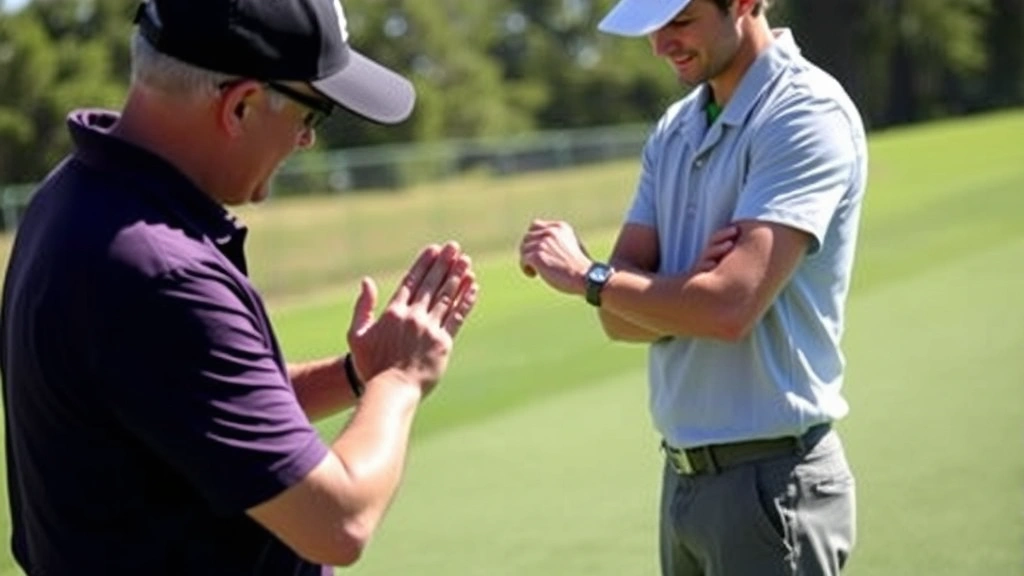
Working with a professional coach at Esmeralda Golf Course accelerates your learning curve significantly compared to trying to improve on your own. Research in sports psychology and motor learning demonstrates that external feedback from qualified instructors helps golfers identify and correct flaws much faster than self-directed practice alone.
Professional coaches bring several key advantages to your development:
- Objective Assessment: Coaches can identify swing flaws and inconsistencies that you might not perceive yourself. They use video analysis, swing metrics, and direct observation to pinpoint exact areas needing improvement.
- Personalized Instruction: Rather than following generic advice, you receive tailored guidance based on your body mechanics, swing tendencies, and learning style. What works for one golfer might not work for another.
- Progression Planning: Coaches structure your learning in phases, ensuring you master foundational skills before advancing to complex techniques. This sequential approach prevents overwhelming students with too much information.
- Accountability and Motivation: Regular coaching sessions keep you committed to improvement and provide encouragement during frustrating plateaus that every golfer experiences.
- Technical Expertise: Coaches understand biomechanics, club technology, and course conditions in ways that enhance their teaching effectiveness.
Many golfers at Esmeralda report dramatic improvement within weeks of starting lessons because they receive expert guidance that prevents months of practicing incorrect techniques. This principle applies across educational contexts—whether you’re exploring best online learning websites or in-person instruction, structured guidance from qualified professionals accelerates progress.

Building a Structured Practice Routine
Improvement in golf comes from purposeful, structured practice rather than simply hitting balls at the range for hours. Esmeralda coaches emphasize that practice quality far exceeds practice quantity when developing golf skills.
An effective practice routine should include:
- Warm-up and Mobility: Start with dynamic stretches and light swings to prepare your body. This prevents injury and increases performance during the session.
- Short Game Work: Dedicate significant time to chipping, pitching, and putting since these shots represent 60% of your total strokes. Practice from various distances and lies to build versatility.
- Full Swing Development: Work on your driver, irons, and fairway woods with specific targets in mind. Don’t just hit balls; focus on one or two technical points per session.
- Game Simulation: Practice shot patterns and scenarios you’ll encounter on the course. This builds decision-making skills and course management experience.
- Mental Conditioning: Include pressure situations and visualization exercises that prepare you psychologically for actual play.
Coaches at Esmeralda recommend keeping a practice journal to track your focus areas, observations, and progress over time. This mirrors approaches used in Course Den and other learning platforms where tracking progress enhances accountability and learning outcomes.
The frequency and duration of practice matter less than consistency and focus. Most golfers see steady improvement practicing 3-4 times weekly with clear objectives for each session, rather than sporadic marathon practice days without direction.
Mental Game and Course Management
Golf is unique among sports because the mental game often determines success more than technical ability. At Esmeralda Golf Course, coaches spend considerable time developing golfers’ psychological resilience and decision-making skills.
Course management involves making strategic decisions about club selection, target lines, and risk assessment before you swing. Rather than always trying to hit the longest shot possible, experienced golfers consider hazards, wind conditions, their skill level, and the layout to choose the smartest approach. A coach helps you develop this strategic thinking through on-course lessons and practice scenarios.
Mental toughness in golf requires managing pressure, maintaining focus, and recovering from mistakes. Every golfer hits poor shots; the difference between good and great players is how they respond. Esmeralda coaches teach techniques like pre-shot routines, breathing exercises, and positive self-talk that help golfers maintain composure during competition.
Understanding your own tendencies and triggers is crucial. Do you tense up on difficult holes? Do you lose focus after a bad shot? Does pressure make you swing faster? Coaches help you identify these patterns and develop strategies to overcome them. Research in sports psychology from the American Psychological Association consistently shows that mental training improves performance as much as physical skill development.
If you’re exploring golf instruction options, you might compare Esmeralda with other facilities like Harbor Park Golf Course or Hampshire Greens Golf Course, noting that mental coaching quality varies significantly between instructors.
Technology and Video Analysis in Modern Coaching
Modern golf coaching at Esmeralda integrates technology that provides objective data about your swing mechanics. High-speed video cameras, launch monitors, and motion capture systems reveal details impossible to detect with the naked eye.
Video analysis allows you to see your swing from multiple angles, compare it to optimal mechanics, and track improvements over time. You can watch your club path, body rotation, and weight transfer in slow motion, making technical flaws obvious. Many golfers are surprised to discover that their swing feels different from how it actually looks—video removes this disconnect.
Launch monitors measure ball data including clubhead speed, ball speed, launch angle, spin rate, and carry distance. This information helps coaches and golfers understand how swing changes affect actual ball flight. Rather than guessing whether a modification helped, you have concrete evidence.
Tracking technology monitors your progress across multiple sessions. Coaches at Esmeralda use this data to demonstrate improvement, identify persistent issues, and adjust instruction accordingly. This data-driven approach mirrors evidence-based learning methods discussed in The Learning Scientists research on effective learning, where feedback and progress monitoring enhance skill development.
However, technology serves as a tool supporting coaching, not replacing it. The coach’s expertise in interpreting data and knowing how to fix issues remains essential. Technology without proper coaching guidance can overwhelm students with numbers that don’t translate to meaningful improvement.

Common Mistakes and How to Avoid Them
Esmeralda coaches have identified recurring mistakes that prevent golfers from improving. Understanding these common pitfalls helps you avoid wasting time on ineffective practices.
Over-practicing without feedback: Hitting hundreds of balls at the range without specific targets or coaching feedback reinforces bad habits. Purposeful practice with clear objectives works far better than mindless repetition.
Neglecting short game: Many golfers spend 90% of practice time on full swings while ignoring chipping, pitching, and putting. Since these shots represent the majority of strokes, this imbalance directly limits improvement.
Inconsistent practice schedule: Sporadic practice prevents muscle memory development. Consistent, moderate practice beats occasional intensive sessions for skill development.
Trying too many swing changes simultaneously: Making multiple technical adjustments at once creates confusion and inconsistency. Work on one or two areas at a time, allowing each change to become ingrained before adding others.
Ignoring physical fitness: Flexibility, strength, and endurance directly impact your ability to execute proper technique. Neglecting fitness limits your potential for improvement.
Playing too much without practice: Some golfers play rounds constantly without dedicated practice. While on-course experience matters, structured practice develops skills more efficiently than playing alone.
Not tracking progress: Without documentation, it’s difficult to recognize improvement or identify what’s working. Keeping records helps you stay motivated and make informed adjustments.
Comparing Golf Learning Resources
If you’re considering where to develop your golf skills, comparing different resources helps you choose the best option for your situation. Esmeralda Golf Course offers in-person coaching, but understanding alternatives provides useful perspective.
In-person coaching at Esmeralda provides personalized instruction, immediate feedback, and accountability that remote learning can’t match. You receive tailored guidance, video analysis, and hands-on corrections that accelerate improvement. The investment is typically higher than self-directed learning but delivers faster results for serious students.
Online golf instruction offers flexibility and lower cost but lacks the personalized feedback and real-time corrections that in-person coaching provides. You might combine online resources with occasional in-person lessons for optimal results.
Peer learning and golf communities provide support and motivation but may lack the technical expertise of professional coaches. Similar to how Theodore Wirth Golf Course offers different learning environments, various golf facilities provide different advantages.
Self-directed practice and book learning work for disciplined, experienced golfers but often lead beginners astray since they lack feedback to correct developing mistakes. Most experts recommend combining self-directed practice with periodic professional coaching to ensure you’re developing correct habits.
The most effective approach for most golfers combines in-person coaching at Esmeralda for foundational skill development, supplemented with consistent self-directed practice between lessons, online resources for supplementary learning, and regular on-course play to apply skills in realistic conditions.
FAQ
How often should I take lessons at Esmeralda Golf Course?
Most golfers benefit from weekly or bi-weekly lessons during the initial learning phase. Once you’ve developed proper fundamentals, monthly lessons for refinement and troubleshooting work well. Frequency depends on your goals, current skill level, and practice consistency between lessons.
What’s the difference between group and individual coaching at Esmeralda?
Individual lessons provide personalized instruction tailored to your specific swing characteristics and learning needs. Group lessons offer cost savings and peer learning benefits but provide less individual attention. Most golfers benefit from starting with individual lessons to establish proper fundamentals, then supplementing with group sessions for continued development.
How long does it take to see improvement from coaching?
Many golfers notice improvements in their swing mechanics within 2-3 lessons. Translating better mechanics into lower scores typically takes 4-8 weeks of consistent practice. Significant skill development usually requires 3-6 months of dedicated effort combining lessons and practice.
Can I improve my golf game without professional coaching?
Self-directed improvement is possible but slower and more prone to developing bad habits. Professional coaching accelerates progress by preventing mistakes and providing expert guidance. Most golfers benefit from at least initial professional instruction to establish proper fundamentals.
What should I practice between lessons at Esmeralda?
Your coach will provide specific practice assignments targeting areas you’re working on. Generally, practice should include short game work, full swing development with specific objectives, and practice scenarios that simulate course conditions. Keep a practice journal to track your focus and progress.
How does video analysis help with golf improvement?
Video analysis reveals swing mechanics that feel different from reality. Comparing your swing to proper technique highlights specific flaws. Tracking videos over time demonstrates progress and validates that changes are working. This objective feedback accelerates learning compared to feel alone.


