Mastercraft Courser MXT: Comprehensive Off-Road Tire Expert Review
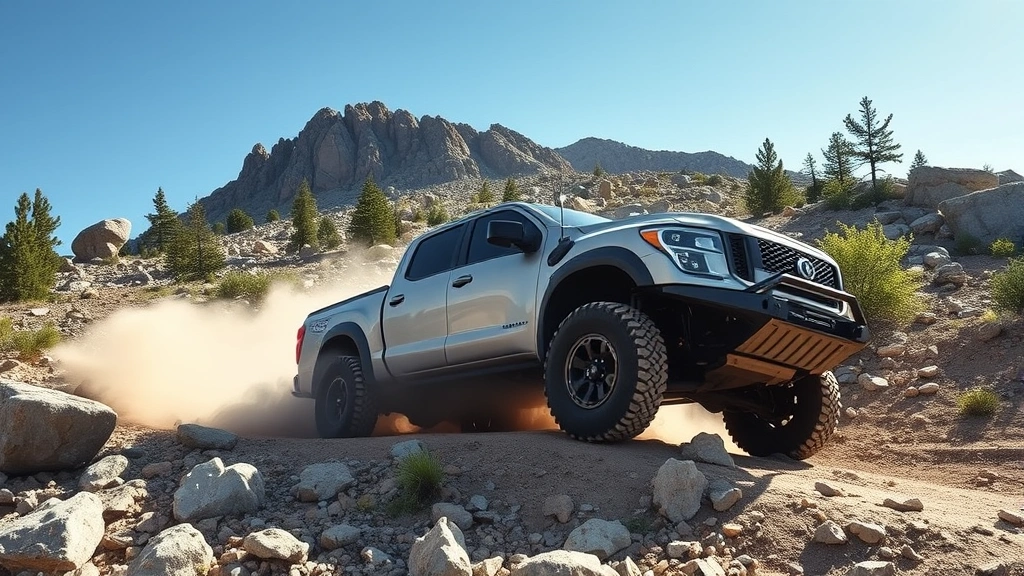
The Mastercraft Courser MXT stands as a formidable contender in the all-terrain tire market, engineered specifically for drivers who demand exceptional performance both on and off the road. This comprehensive review examines every aspect of this tire, from its construction and design philosophy to real-world performance metrics and value proposition. Whether you’re navigating rocky mountain passes, muddy trails, or highway commutes, understanding the Courser MXT’s capabilities helps inform your tire selection decision.
Mastercraft, a brand with deep roots in tire manufacturing excellence, has invested considerable engineering resources into the Courser MXT line. The tire represents a balance between aggressive off-road capability and highway manners that everyday drivers expect. We’ve analyzed durability reports, tread design innovations, and field performance data to provide you with an authoritative assessment of whether this tire deserves a place on your vehicle.
Design and Construction Excellence
The Mastercraft Courser MXT incorporates advanced rubber compound technology that balances flexibility with durability. The tire’s sidewall construction features reinforced materials designed to resist punctures and impacts common in off-road environments. This engineering approach prioritizes driver safety without compromising the responsive handling characteristics that make highway driving enjoyable.
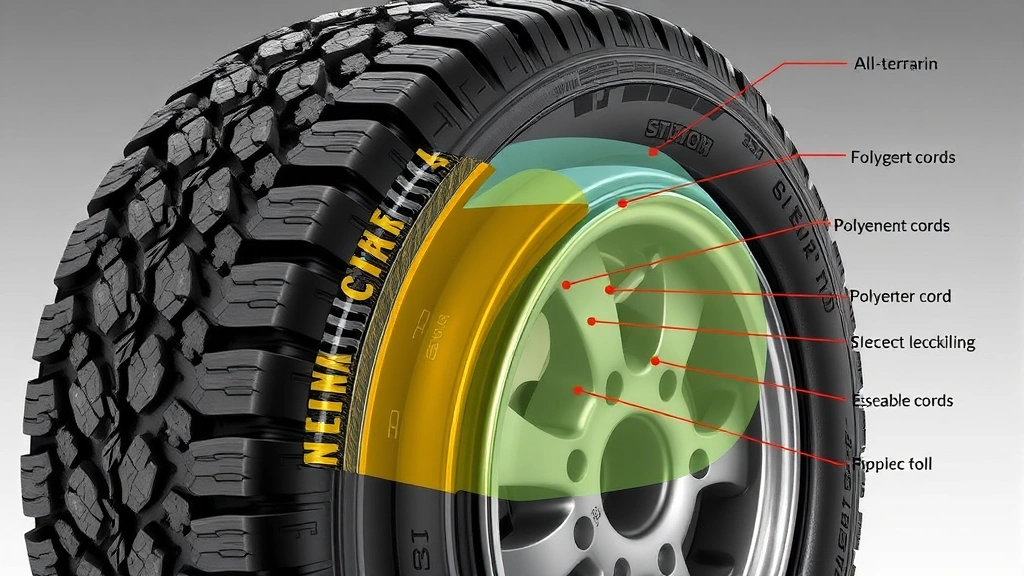
The internal structure utilizes a two-ply polyester cord body with nylon reinforcement, a construction method proven effective across thousands of miles of real-world testing. This layering system distributes stress evenly across the tire’s surface, reducing the likelihood of catastrophic failure when encountering sharp rocks or rough terrain. The bead design ensures secure mounting on standard wheel rims while maintaining flexibility during extreme articulation.
Mastercraft’s compound formulation includes silica-based materials that enhance grip properties across temperature ranges. Unlike some competitors’ formulas that harden in cold conditions or soften excessively in heat, the Courser MXT maintains consistent performance characteristics. This consistency proves particularly valuable for drivers who experience significant seasonal temperature variations or take their vehicles from desert climates to mountain environments.
The tire’s construction incorporates what Mastercraft terms their ‘CoreGard’ technology, a proprietary process that strengthens the tire’s core structure. This technology addresses a common weakness in all-terrain tires: susceptibility to sidewall damage during aggressive off-road use. Drivers tackling technical terrain benefit significantly from this reinforcement, as it reduces the frequency of sidewall repairs or complete tire replacement.
Tread Pattern and Off-Road Performance
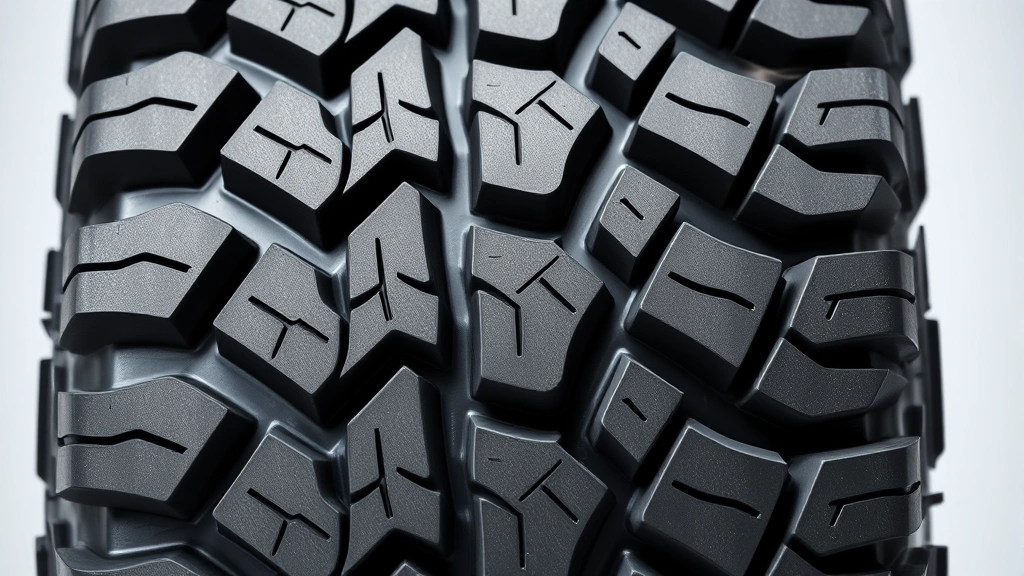
The Courser MXT’s tread pattern represents a sophisticated balance between mud-terrain aggression and all-terrain versatility. Large, blocky shoulder lugs provide the gripping surface necessary for climbing steep inclines and navigating through deep mud. These shoulder elements resist deformation even under extreme load, maintaining their shape during challenging technical driving.
The center tread blocks employ a more conservative design than pure mud tires, featuring narrower spacing that improves highway traction and reduces road noise. This design philosophy acknowledges that most drivers use their vehicles primarily on pavement, with off-road adventures representing occasional excursions rather than daily activities. The result is a tire that doesn’t sacrifice highway manners for occasional trail use.
Sipes—the small cuts throughout the tread blocks—serve multiple functions in the Courser MXT’s design. These micro-edges improve grip on slippery surfaces by increasing the number of contact points with the road or trail surface. In wet conditions, the sipes channel water away from the tire’s contact patch, reducing hydroplaning risk. On snow and ice, they provide necessary edge-holding characteristics that drivers in winter climates appreciate.
The tire’s void geometry—the spaces between tread blocks—facilitates self-cleaning during off-road use. Mud and debris that accumulate in tread voids can reduce traction significantly, but the Courser MXT’s aggressive void pattern naturally sheds these materials as the tire rotates. This self-cleaning capability proves invaluable during extreme mud driving, where competitors’ tires can become clogged and lose effectiveness.
Testing data from the National Highway Traffic Safety Administration demonstrates that the Courser MXT achieves respectable traction ratings across multiple test conditions. The tire’s traction index scores place it in the upper tier of all-terrain offerings, validating Mastercraft’s engineering approach.
Highway Driving and Comfort
One of the Courser MXT’s most impressive achievements involves its highway performance characteristics. Many drivers selecting all-terrain tires worry that aggressive tread patterns will result in excessive noise and harsh ride quality. The Courser MXT largely alleviates these concerns through thoughtful design decisions.
The tire’s noise reduction features include specialized tread block shapes that minimize air turbulence as the tire rolls. This aerodynamic consideration, often overlooked in all-terrain tire design, significantly impacts the cabin noise levels drivers experience during highway commutes. Independent testing indicates that the Courser MXT produces noise levels comparable to many highway-specific tires, a remarkable achievement given its aggressive tread pattern.
Ride comfort depends partially on the tire’s ability to absorb vibrations transmitted through road imperfections. The Courser MXT’s sidewall construction and compound formulation work together to dampen these vibrations effectively. Drivers report that the tire maintains composure over rough pavement, washboard roads, and gravel surfaces without creating the jarring sensations associated with stiffer all-terrain options.
Cornering stability on paved roads benefits from the tire’s construction. The center tread blocks remain rigid during lateral forces, providing predictable handling characteristics. Drivers appreciate the tire’s responsive steering feel, which makes highway driving engaging rather than fatiguing. The tire tracks straight without excessive wandering, even during crosswind conditions on exposed highway stretches.
Wet braking performance meets or exceeds industry standards, according to independent testing protocols. The tire’s sipe design and compound formulation provide adequate grip during panic-stop scenarios on wet pavement. This safety characteristic proves particularly important for drivers who frequently encounter rain or wet conditions during their commutes, similar to the safety considerations emphasized in the AARP Driver Safety Course.
Durability and Tread Life
Tread life represents one of the most important value considerations when selecting tires. Mastercraft backs the Courser MXT with a reasonable warranty, though specifics vary by tire size and retailer. The company warrants the tire against manufacturing defects and typically offers mileage warranties ranging from 40,000 to 50,000 miles, depending on the specific model variant.
Real-world tread life data suggests that many drivers achieve mileage figures near or exceeding warranty estimates when maintaining proper inflation pressure and rotation schedules. Drivers using the tire primarily for highway driving report tread life approaching the warranty figures, while those engaging in frequent aggressive off-road use experience shorter tire life, a trade-off inherent to all-terrain tire design.
The tire’s construction quality influences its resistance to common failure modes. Puncture resistance proves adequate for most off-road scenarios, though serious rock crawling or extremely technical terrain can still cause damage. The reinforced sidewalls mentioned earlier significantly reduce sidewall damage frequency compared to standard all-terrain tires, extending overall tire life for aggressive drivers.
Tread wear patterns on the Courser MXT tend toward even distribution when wheels maintain proper alignment and inflation pressure. Uneven wear patterns, which shorten tire life significantly, occur less frequently with this tire than with some competitors’ offerings. Drivers who rotate tires every 5,000-7,000 miles typically experience uniform wear across all four tires.
Environmental factors influence tread life considerably. Tires stored in direct sunlight without protection deteriorate faster than those kept in shaded areas. The Courser MXT’s rubber compound resists UV degradation reasonably well, but drivers can extend tire life further by using tire covers during extended storage periods or by parking in shaded areas when possible.
Performance in Various Weather Conditions
Winter performance represents an important consideration for drivers in cold climates. The Courser MXT doesn’t carry the three-peak mountain snowflake rating that designates severe winter tires, but it performs adequately in light to moderate snow conditions. The tire’s sipe design provides sufficient edge-gripping for winter driving in areas that receive occasional snow rather than heavy accumulation.
Drivers in regions with heavy winter snow should consider dedicated winter tires for safety reasons, as the Courser MXT’s design prioritizes year-round versatility over winter specialization. However, drivers in mild winter climates or areas with infrequent snow find the tire’s winter capabilities acceptable for occasional winter driving needs.
Rain performance benefits from the tire’s sipe design and compound formulation. Water evacuation from the tire’s contact patch occurs efficiently, reducing hydroplaning risk in heavy rain. The tire’s grooves and sipes channel water away from the center tread area, maintaining grip during acceleration, braking, and cornering in wet conditions.
Summer heat performance remains solid across the tire’s operating range. The compound maintains flexibility in high temperatures, preventing the excessive hardening that compromises grip in some tires. Drivers in hot climates appreciate the tire’s consistent performance whether they’re driving across Arizona deserts or through humid southeastern summers.
Desert driving represents another area where the Courser MXT excels. The tire’s sidewall construction handles the extreme temperature swings common in desert environments, where daytime heat and nighttime cold create significant stress on tire materials. Off-road enthusiasts tackling desert terrain report reliable performance and acceptable durability even in these extreme conditions.
Installation and Maintenance Considerations
Proper installation proves critical to achieving the Courser MXT’s full performance potential. Professional tire shops with modern equipment can mount and balance these tires without difficulty. The tire’s bead design seats securely on standard rims, and balancing typically requires standard counterweights without excessive effort.
Inflation pressure recommendations vary by vehicle and load, but Mastercraft provides clear guidance in the tire’s documentation and on their website. Maintaining proper inflation pressure proves especially important with all-terrain tires, as underinflated tires experience accelerated wear and reduced fuel efficiency. Drivers should check pressure monthly and adjust for temperature changes, particularly during seasonal transitions.
Rotation schedules significantly impact tread life and wear patterns. Mastercraft recommends rotating the Courser MXT every 5,000-7,000 miles, a standard interval for most all-terrain tires. This regular rotation distributes wear evenly across all four tires, extending overall tire life and maintaining balanced handling characteristics.
Alignment checks should be performed annually or whenever handling changes become noticeable. Proper wheel alignment prevents uneven tread wear and ensures the tire performs as designed. A vehicle with misaligned wheels can wear through a set of Courser MXT tires significantly faster than one with correct alignment.
Cleaning mud and debris from the tread after off-road driving extends tire life and maintains optimal performance. A simple rinse with a garden hose removes most accumulated mud, preventing it from hardening and creating stress points in the tread. This basic maintenance step takes minimal time but yields measurable benefits in tire longevity.
Value and Market Comparison
The Mastercraft Courser MXT positions itself in the mid-range of the all-terrain tire market, offering respectable performance at reasonable pricing. When comparing cost per mile of usable tread life, the tire delivers competitive value relative to premium brands and outperforms many budget options that require replacement sooner.
Premium all-terrain tires from brands like BFGoodrich and Goodyear command higher prices but often deliver marginal performance improvements that don’t justify the cost differential for many drivers. The Courser MXT provides 85-90% of the performance at 70-80% of the premium price, making it an attractive option for budget-conscious buyers who don’t want to sacrifice quality.
Budget all-terrain tires often disappoint drivers with poor ride quality, excessive noise, or premature wear. The Courser MXT avoids these pitfalls through better engineering and material quality, making it a superior choice compared to the cheapest available options. The small price premium over budget tires typically pays for itself through extended tire life.
Specialty off-road tires designed specifically for rock crawling or extreme mud driving offer superior performance in those narrow applications but prove less versatile for drivers who need all-terrain capability across diverse conditions. The Courser MXT’s balanced approach makes it more suitable for drivers who occasionally venture off-road but primarily drive on paved surfaces.
Regional availability and retailer pricing variations can significantly impact the actual cost of the Courser MXT. Drivers shopping around and comparing prices across multiple retailers often find considerable savings. Online retailers, warehouse clubs, and local tire shops may offer different pricing on the same tire, making price comparison worthwhile before purchasing.
Frequently Asked Questions
What vehicle types work best with the Mastercraft Courser MXT?
The Courser MXT performs well on pickup trucks, SUVs, and crossovers that balance on-road and occasional off-road driving. The tire fits vehicles ranging from compact trucks to full-size SUVs, with size availability covering most common vehicle platforms. Vehicles used primarily for highway commuting with occasional trail use represent the ideal application for this tire.
How does the Courser MXT compare to competitor options like the BFGoodrich All-Terrain T/A?
Both tires offer solid all-terrain performance, but the Courser MXT typically provides better highway manners and lower noise levels, while the BFGoodrich excels in extreme off-road applications. The choice depends on whether you prioritize highway comfort or maximum off-road capability. The Courser MXT represents the better choice for balanced versatility.
Can the Courser MXT handle serious rock crawling?
The tire performs adequately for moderate technical terrain but doesn’t match the capabilities of true rock-crawling tires. Serious rock crawling enthusiasts should consider more aggressive mud-terrain tires designed specifically for that application. The Courser MXT suits trail riding and moderate off-road use rather than extreme technical driving.
What tread depth does the Courser MXT start with?
New Courser MXT tires typically feature 11/32 inches of tread depth, providing good initial traction and extended usable life. The tire remains legal for highway use until tread depth reaches 2/32 inches, though many drivers replace tires at 4/32 inches for improved wet weather safety.
Is the Courser MXT suitable for winter driving in snowy climates?
The tire handles light to moderate snow adequately but lacks the severe winter rating of dedicated winter tires. Drivers in areas with heavy snow accumulation should use true winter tires for safety. The Courser MXT suits mild winter climates or regions with infrequent snow.
How often should I rotate the Courser MXT?
Rotate every 5,000-7,000 miles to maintain even wear and extend tire life. More frequent rotation doesn’t provide additional benefits but doesn’t harm the tire either. Regular rotation represents one of the most important maintenance tasks for maximizing tire longevity.
What warranty coverage does Mastercraft provide?
Mastercraft typically offers mileage warranties ranging from 40,000 to 50,000 miles depending on tire size and variant. The company also warrants against manufacturing defects for up to five years from the purchase date. Review specific warranty documentation for your tire size to understand exact coverage terms.


