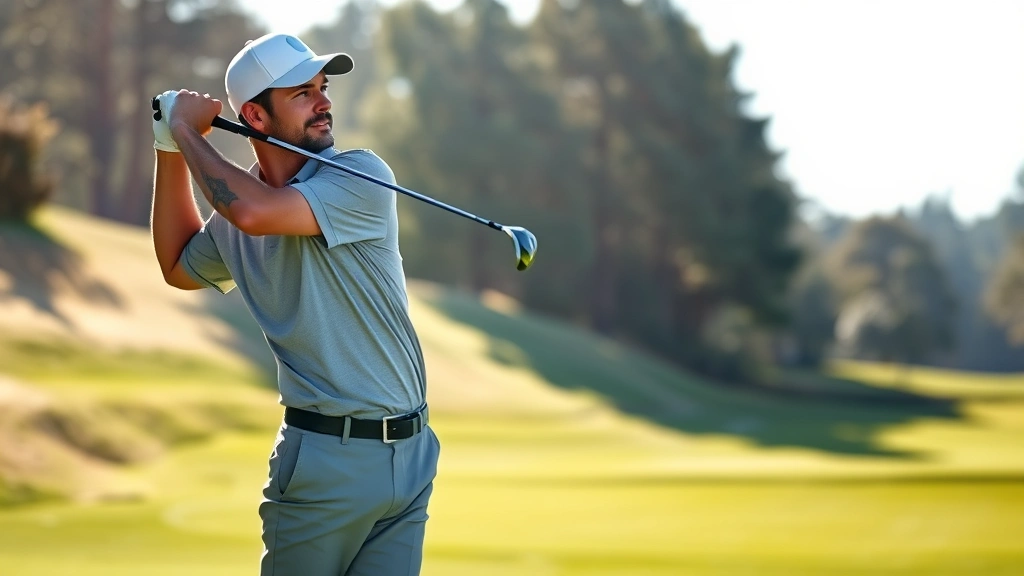
Master Par 3 Courses: Pro Golfer Insights and Strategic Techniques
Par 3 courses represent one of golf’s most underrated yet rewarding challenges for players of all skill levels. These shorter courses, where every hole is designed as a par 3, demand precision, strategic thinking, and exceptional shot-making abilities. Whether you’re a beginner looking to build confidence or an experienced golfer seeking to refine your game, understanding the nuances of par 3 golf can significantly elevate your overall performance on the course.
Professional golfers recognize that par 3 courses serve as excellent training grounds for developing fundamental skills. The concentrated focus on accuracy over distance forces players to master the mid-range shots that often determine success in competitive golf. This comprehensive guide explores pro golfer insights, proven strategies, and practical techniques to help you excel on par 3 courses.

Understanding Par 3 Course Fundamentals
Par 3 courses differ fundamentally from traditional 18-hole courses where holes range from par 3 to par 5. Each hole on a dedicated par 3 course typically measures between 90 and 200 yards, though some can extend slightly longer. This format removes the long-drive component that dominates full-length courses, shifting focus entirely to accuracy, consistency, and tactical execution.
Professional golfers approach par 3 courses with a specific mindset: treating every shot as an opportunity to execute a complete, refined swing rather than a power display. The beauty of these courses lies in their accessibility combined with their technical difficulty. You might discover excellent par three golf courses near me that offer quality practice environments with reasonable green fees.
Understanding the design philosophy behind par 3 courses helps you develop appropriate strategies. Course architects deliberately incorporate hazards like water features, sand bunkers, and challenging rough placement to reward precise shot-making. Each hole presents a distinct puzzle that requires thoughtful analysis before execution.
The scoring potential on par 3 courses makes them particularly valuable for skill development. A typical 18-hole par 3 course totals 54 strokes as par, making it entirely feasible for dedicated golfers to shoot even par or better. This achievable scoring target motivates continued practice and provides clear feedback on improvement.
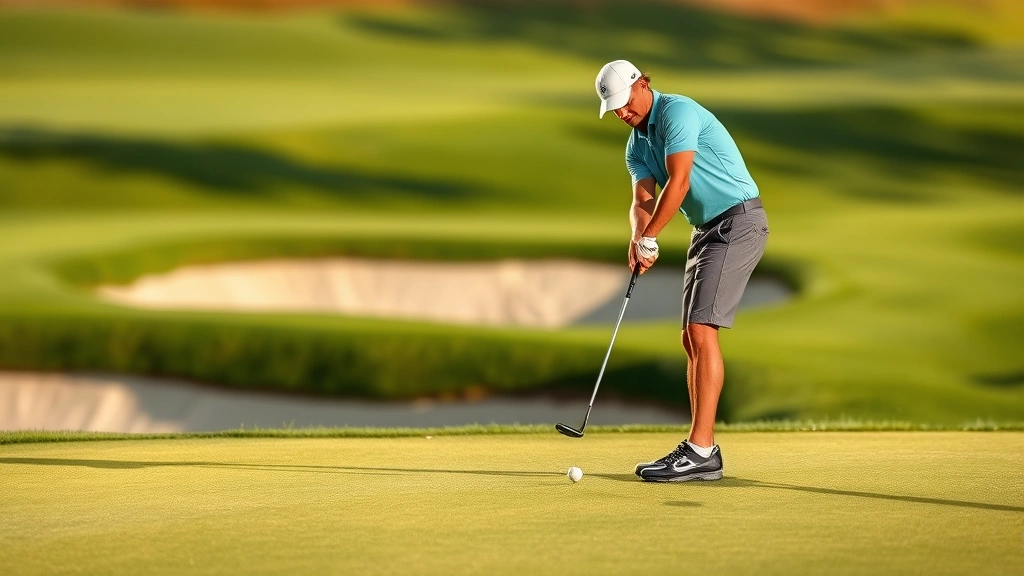
Essential Club Selection Strategies
Club selection on par 3 courses demands precision and honest assessment of your capabilities. Professional golfers emphasize selecting the right club for actual distance rather than aspirational distance. This fundamental principle separates successful par 3 players from those who struggle.
Most par 3 courses feature holes requiring clubs from 7-iron through driver, though the majority of shots fall within the 6-iron to 3-wood range. Professionals recommend:
- Distance mapping: Know your precise yardages for every club in your bag under normal conditions
- Weather adjustments: Account for wind, elevation changes, and temperature variations
- Confidence factor: Select clubs you trust completely rather than stretching for maximum distance
- Layup strategy: Sometimes hitting a 6-iron instead of a 5-iron sets up a better approach angle
The Morris Williams Golf Course exemplifies well-designed par 3 layouts where strategic club selection directly impacts scoring. Each hole presents distinct yardage challenges that reward thoughtful club choices.
Professional golfers also emphasize the importance of hybrid clubs on par 3 courses. These versatile clubs bridge the gap between long irons and fairway woods, providing consistent distance and accuracy for mid-range shots. Many pros carry multiple hybrids specifically for par 3 golf because they offer superior control compared to traditional long irons.
Wind considerations play an outsized role in club selection on par 3 courses. The shorter distances mean wind effects become proportionally more significant. A 10-mile-per-hour breeze might shift a 6-iron shot 15-20 feet offline, directly impacting scoring opportunities.
Mental Game and Course Management
The psychological aspects of par 3 golf often determine success more than technical skill alone. Professional golfers develop mental frameworks specifically designed for the concentrated pressure of playing exclusively par 3 holes.
Course management involves understanding how to navigate each hole’s specific challenges strategically. Rather than attacking every pin aggressively, successful players identify the optimal target area that balances risk and reward. This might mean aiming for the center of the green rather than the flag on a hole protected by water or challenging rough.
Professional mental strategies include:
- Commitment: Fully committing to your shot selection eliminates doubt that undermines execution
- Process focus: Concentrating on swing mechanics and target visualization rather than outcome
- Routine development: Establishing consistent pre-shot routines that calm nerves and promote consistency
- Pressure management: Viewing challenging situations as opportunities rather than threats
The North Park Golf Course provides excellent environments for developing these mental skills through repeated exposure to par 3 challenges in a low-pressure setting.
Professional golfers also emphasize the importance of patience on par 3 courses. The format naturally creates situations where you might make several pars in succession, which can lead to complacency. Maintaining focus throughout all 18 holes separates excellent rounds from mediocre ones.
Short Game Mastery for Par 3 Success
The short game becomes disproportionately important on par 3 courses because most holes conclude with approach shots inside 100 yards. Professional golfers dedicate substantial practice time to these crucial shots, recognizing that proficiency around the greens directly translates to lower scores.
Key short game elements include:
- Pitch shots: Developing touch for 30-60 yard approach shots that land softly and control distance precisely
- Chip shots: Mastering various chipping techniques for different lie conditions and green speeds
- Bunker play: Developing confidence in sand by understanding explosion technique and distance control
- Putting: Reading greens accurately and developing consistent stroking mechanics
Professional golfers practice short game shots at roughly a 60-40 ratio compared to full swings. This allocation reflects the reality that short game proficiency produces the most significant scoring improvements. On par 3 courses, where most holes finish with short approach shots, this emphasis becomes even more critical.
The bump-and-run technique proves particularly valuable on par 3 courses where firm conditions and tight pin placements reward ground-based approaches. Professional golfers often prefer running the ball onto the green with a 7-iron or 8-iron rather than attempting a delicate pitch, particularly when the green slopes away from the approach.
Reading Greens and Understanding Break
Green reading represents an art form that separates exceptional par 3 golfers from average players. Professional golfers spend considerable time studying green contours, learning to identify subtle slopes that influence ball movement.
Effective green reading involves:
- Elevation assessment: Determining the overall slope direction and magnitude from multiple vantage points
- Grain observation: Understanding grass grain direction and how it affects ball roll
- Speed evaluation: Assessing green firmness and speed through observation and experience
- Break identification: Identifying the specific break line between ball and hole
Professional golfers recommend viewing the green from behind the ball, behind the hole, and from the side to develop a comprehensive understanding of the break. This methodical approach takes time but consistently improves putting accuracy.
The psychological aspect of green reading cannot be overlooked. Confidence in your read, even if ultimately incorrect, promotes better putting stroke execution. Hesitation and second-guessing frequently cause poor strokes regardless of read accuracy.
Practice Routines from the Professionals
Professional golfers structure practice sessions specifically designed to build par 3 course proficiency. Rather than mindlessly hitting balls, they employ deliberate practice techniques that target specific skill development.
Effective practice routines include:
- Distance ladder drills: Hitting multiple shots from various distances to develop consistency and build confidence
- Target practice: Designating specific targets and attempting to hit them repeatedly rather than just hitting balls
- Pressure simulations: Creating competitive scenarios that mimic actual course conditions mentally
- Weakness identification: Focusing practice time on specific skill gaps rather than general ball striking
Professional golfers also emphasize the importance of practicing par 3 courses regularly. Playing actual par 3 courses provides invaluable experience with real-world conditions, pressure situations, and diverse hole designs that practice ranges cannot replicate.
The deliberate practice framework, supported by research from the American Psychological Association on learning science, demonstrates that focused practice with specific objectives produces superior results compared to casual practice.
Common Mistakes and How to Avoid Them
Professional golfers identify recurring mistakes that prevent improvement on par 3 courses. Understanding these pitfalls helps you avoid wasting practice time and develop more effective strategies.
Common mistakes include:
Over-aggressive shot selection: Attempting low-percentage shots when safer options exist. Professional golfers recognize that par 3 courses reward consistency over heroic attempts. Playing to your strengths and accepting pars produces better scores than chasing birdies with risky shots.
Inconsistent pre-shot routines: Varying your approach before shots creates inconsistency in execution. Professionals develop standardized routines they follow before every shot, regardless of circumstances. This consistency promotes confidence and reliable performance.
Poor distance control: Failing to develop precise yardage knowledge for your clubs undermines club selection decisions. Professional golfers maintain detailed distance records and regularly verify their yardages through practice.
Neglecting mental preparation: Underestimating the psychological demands of par 3 golf leads to poor decision-making under pressure. Professional golfers invest substantial time developing mental toughness and pressure management skills.
Inadequate warm-up: Starting rounds without proper preparation results in inconsistent early-hole performance. Professional golfers arrive early to warm up systematically, beginning with short chips and progressing to full swings.
Ignoring course conditions: Failing to adjust strategy based on wind, firmness, and other environmental factors costs strokes. Professional golfers observe conditions carefully and adjust club selection and target areas accordingly.
Understanding these mistakes and consciously working to avoid them accelerates improvement significantly. Many golfers waste years making the same errors repeatedly without deliberate correction efforts.
What is the average score for beginners on par 3 courses?
Beginner golfers typically shoot 65-75 on an 18-hole par 3 course (par 54). As skills develop, scores improve toward par and eventually below. The achievable nature of par 3 scoring motivates continued practice and improvement.
How often should I play par 3 courses?
Professional golfers recommend playing par 3 courses 1-2 times monthly for skill maintenance and development. Regular exposure builds consistency and provides valuable feedback on improvement. Many professionals incorporate par 3 rounds into their regular practice schedule.
Are par 3 courses suitable for children?
Par 3 courses provide excellent environments for introducing children to golf. The shorter distances and faster play appeal to younger players while building fundamental skills. Many families discover wonderful par three golf courses near me specifically designed for junior development.
What’s the best club to start with on par 3 courses?
Professional golfers recommend starting with mid-range clubs (5-7 irons) for beginners. These clubs provide forgiving characteristics and reasonable distance control. As confidence develops, expand to longer and shorter clubs systematically.
How do par 3 scores translate to full-course performance?
Strong par 3 golf typically correlates with improved full-course scoring. The accuracy and short game skills developed on par 3 courses directly transfer to traditional 18-hole rounds. Many professionals use par 3 rounds as diagnostic tools for identifying specific skill gaps affecting full-course performance.
Should I take lessons before playing par 3 courses?
Lessons prove beneficial for developing proper fundamentals before playing par 3 courses. Professional instruction accelerates learning and prevents developing bad habits that become difficult to correct later. Consider starting with a few lessons focusing on grip, stance, and basic swing mechanics.
What equipment do I need for par 3 courses?
Standard golf equipment suffices for par 3 courses. You’ll need clubs (typically 6-iron through driver, plus a putter), golf balls, and appropriate footwear. Many golfers carry fewer clubs on par 3 courses since the distance range is limited, making the round lighter and faster.
For financial planning related to golf investments and equipment budgets, online courses for financial planning can help you manage golf-related expenses effectively.
Can I improve my full swing on par 3 courses?
While par 3 courses emphasize short-game and accuracy skills, they still provide valuable full-swing practice opportunities. The different distances and course conditions create diverse scenarios that develop versatility. However, dedicated full-swing improvement requires practice ranges and traditional courses with longer holes.
What’s the optimal pace of play for par 3 courses?
Professional golfers and course management recommend completing 18 holes in 2-2.5 hours. This pace balances thorough shot evaluation with efficient movement. Faster play risks rushing decisions and sacrificing quality shots, while slower play frustrates other golfers and reduces enjoyment.


