Boost Confidence Outdoors: Expert Insights on Jungle Confidence Courses
Confidence is one of the most valuable skills individuals can develop, yet it often remains elusive in traditional classroom or office settings. Jungle confidence courses offer a unique, immersive approach to building self-assurance through outdoor adventure activities. These programs combine physical challenges with psychological support, creating transformative experiences that extend far beyond the forest canopy. Whether you’re an educator seeking to enhance student development, a professional aiming to strengthen leadership abilities, or someone looking to overcome personal limitations, understanding how jungle confidence courses work can unlock remarkable growth potential.
The outdoor learning environment presents distinctive advantages that indoor settings cannot replicate. Natural settings activate different neural pathways, reduce stress hormones, and create psychological safety spaces where individuals can challenge themselves authentically. Research demonstrates that confidence built through outdoor adventure programs translates effectively into everyday situations, workplace dynamics, and academic performance. This comprehensive guide explores expert insights into how jungle confidence courses boost confidence, the mechanisms behind their effectiveness, and how to maximize their transformative benefits.

Understanding Jungle Confidence Courses
Jungle confidence courses represent structured outdoor experiential learning programs designed specifically to develop self-assurance, resilience, and interpersonal skills through adventure-based challenges. These courses typically take place in natural environments—forests, jungle settings, mountains, or wilderness areas—where participants engage in carefully scaffolded physical and mental challenges. The jungle environment itself becomes a powerful teacher, providing real consequences for decisions and authentic feedback for performance.
The structure of jungle confidence courses distinguishes them from casual outdoor recreation. Professional facilitators guide participants through progressive challenges, starting with trust-building activities and advancing to more complex problem-solving scenarios. Rope courses, climbing walls, water crossings, navigation exercises, and team-based challenges create opportunities for participants to experience success, learn from setbacks, and develop genuine confidence grounded in real achievement rather than empty affirmation.
These programs serve diverse populations across age groups and professional backgrounds. Schools incorporate jungle confidence courses into professional development frameworks to enhance student leadership capabilities. Corporate organizations utilize these experiences as continuing education initiatives that build team cohesion and individual confidence simultaneously. The versatility of jungle confidence programs makes them applicable across educational and professional contexts.
What distinguishes jungle confidence courses from standard team-building activities is their emphasis on personal confidence development alongside group dynamics. While team challenges matter, individual participants must also confront personal fears, limitations, and self-doubt. This dual focus creates comprehensive confidence development that addresses both interpersonal and intrapersonal dimensions of self-assurance.

The Psychology Behind Outdoor Confidence Building
The psychological mechanisms underlying jungle confidence course effectiveness are well-documented in educational and developmental psychology research. When individuals engage in challenging activities within supportive environments, they experience what psychologists term “flow states”—periods of complete engagement where skills match challenge levels precisely. These flow states build confidence by creating tangible evidence of capability and progress.
Outdoor settings activate the parasympathetic nervous system more effectively than indoor environments, reducing baseline anxiety and stress responses. Lower stress levels enable better learning, clearer thinking, and more authentic self-assessment. Participants can acknowledge genuine limitations without shame and celebrate real achievements without false modesty. This psychological clarity facilitates honest confidence development grounded in accurate self-perception.
Albert Bandura’s social cognitive theory identifies four primary sources of self-efficacy—mastery experiences, vicarious learning, social persuasion, and emotional regulation. Jungle confidence courses deliberately cultivate all four. Mastery experiences emerge from successfully completing progressively challenging activities. Vicarious learning occurs through observing peer successes and understanding that similar individuals can accomplish challenging goals. Social persuasion happens through facilitator encouragement and peer support. Emotional regulation develops through learning to manage fear and anxiety in supportive contexts.
The natural environment contributes unique psychological benefits unavailable in artificial settings. Biophilia—humanity’s innate connection to nature—creates positive emotional states that enhance learning and confidence building. Natural settings reduce mental fatigue, restore attention capacities, and activate restorative psychological processes. When participants develop confidence in jungle environments, they do so while experiencing psychological restoration rather than depletion.
Research from the American Psychological Association on nature and well-being demonstrates that outdoor experiences significantly impact mental health, anxiety reduction, and confidence development. Studies confirm that nature exposure enhances self-esteem, reduces depression symptoms, and improves overall psychological functioning—all foundations for genuine confidence growth.
Key Components of Effective Confidence Programs
Successful jungle confidence courses incorporate several essential components that distinguish transformative programs from mediocre experiences. Professional facilitation stands foremost—trained facilitators understand group dynamics, individual psychology, and risk management. They recognize when to push participants beyond comfort zones and when to provide support and encouragement. Expert facilitators create psychologically safe environments where risk-taking feels manageable rather than threatening.
Progressive challenge sequencing ensures participants encounter manageable difficulty levels that gradually increase. Early activities build trust and basic confidence before advancing to more complex physical and psychological challenges. This scaffolding prevents overwhelming participants while maintaining engagement and motivation. Facilitators continuously assess individual and group readiness, adjusting challenge levels dynamically based on observed performance and psychological responses.
Reflection and processing activities transform raw experience into genuine learning and confidence development. After completing challenges, facilitators guide structured discussions where participants articulate what they learned, how they felt, what they discovered about themselves, and how insights apply beyond the jungle environment. This metacognitive processing deepens learning and ensures confidence development extends into daily life rather than remaining isolated to the course experience.
Peer support systems embedded within jungle confidence courses amplify individual confidence development. When participants witness peers overcoming fears and achieving goals, they internalize messages about human capability and possibility. The community aspect of group-based confidence building creates accountability, encouragement, and shared celebration of progress. Participants develop confidence not in isolation but within supportive communities that reinforce growth.
Exploring best online learning websites reveals how digital platforms complement outdoor confidence programs through pre-course preparation materials and post-course reinforcement content. Integrated approaches combining outdoor experiences with digital learning create more comprehensive confidence development pathways.
Physical Challenges and Mental Resilience
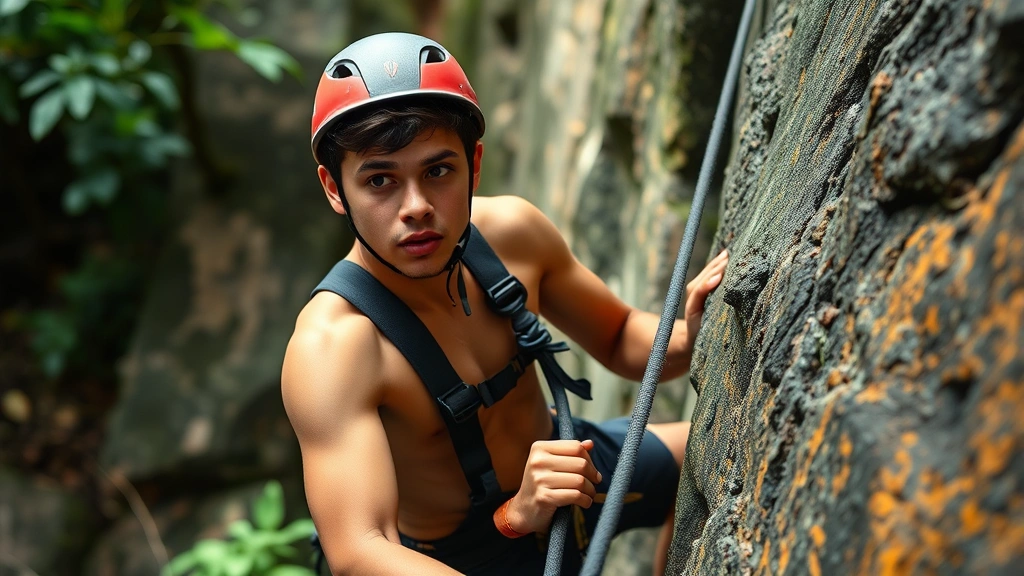
Physical challenges within jungle confidence courses serve as powerful metaphors and genuine tests of capability. Climbing activities, for instance, require participants to manage fear, trust equipment and facilitators, and persist through discomfort. Successfully reaching climbing destinations provides concrete evidence of capability that translates into broader confidence. The physical achievement becomes psychological proof that individuals can accomplish difficult things.
Rope courses and high-element activities particularly benefit from the reality principle—consequences for poor decisions feel real, even within safety parameters. A wobbly bridge crossing provides genuine instability that participants must navigate through balance, focus, and determination. This authenticity creates confidence grounded in real capability rather than false reassurance.
Water-based challenges develop specific confidence dimensions. Swimming across water bodies, navigating water obstacles, or engaging in water-based team activities require trust, courage, and persistence. For individuals with water anxiety, these experiences provide direct confrontation with fears within controlled, supportive environments. Successfully managing water challenges creates confidence that extends beyond aquatic contexts into general fear management and resilience development.
Navigation and wilderness survival activities build confidence in decision-making and problem-solving. When participants navigate through jungle environments using maps, compasses, or natural landmarks, they develop trust in their judgment and analytical abilities. Making navigation decisions with real consequences—arriving at intended destinations or getting temporarily lost—creates authentic learning experiences that build genuine confidence in personal capability.
The physical fatigue inherent in jungle confidence courses contributes to confidence development through emotional regulation practice. As participants become physically tired, they learn to persist through discomfort, manage frustration, and maintain focus despite fatigue. These resilience skills transfer directly into academic, professional, and personal contexts where individuals must maintain performance despite tiredness, stress, or difficulty.
Measuring Confidence Growth and Development
Assessing confidence development requires multi-method approaches that capture both subjective experiences and observable behavioral changes. Pre-course and post-course self-report measures using validated confidence scales provide quantitative data about perceived self-assurance changes. Participants rate statements like “I believe in my ability to handle challenges” before and after jungle courses, revealing measurable confidence increases in most participants.
Behavioral observation during jungle confidence courses provides rich qualitative data about confidence development. Facilitators note changes in participants’ willingness to attempt challenges, persistence through difficulty, communication patterns, and leadership emergence. Participants who initially hesitate at climbing activities but eventually attempt them demonstrate behavioral confidence growth. Those who shift from passive to active team participation show interpersonal confidence development.
Follow-up assessments conducted weeks or months after jungle confidence courses reveal sustainability of confidence gains. Research from ResearchGate academic research databases documents that confidence improvements from outdoor adventure programs typically persist and even strengthen over time as participants apply learned skills in real-world contexts. Long-term confidence development suggests genuine psychological change rather than temporary emotional elevation.
Participant feedback and testimonials provide valuable confidence development evidence. Individuals report increased willingness to volunteer for presentations, take on leadership roles, pursue challenging academic or professional goals, and attempt previously avoided activities. Parents and teachers observe increased confidence in students’ academic engagement, social interactions, and willingness to tackle difficult material. These ecological validity measures confirm that jungle course confidence transfers into meaningful life domains.
Incorporating online courses for personal development alongside jungle confidence programs creates comprehensive assessment frameworks. Digital platforms can administer confidence measures, track behavioral goals, and monitor confidence maintenance over extended periods, providing longitudinal confidence development data.
Integration with Professional Development
Organizations increasingly integrate jungle confidence courses into lifelong learning frameworks as strategic professional development investments. Confidence development directly impacts professional performance—confident individuals communicate more effectively, take calculated risks, pursue advancement opportunities, and contribute more fully to organizational success. Jungle courses provide concentrated confidence development experiences that yield measurable professional returns.
Leadership development programs particularly benefit from jungle confidence integration. Emerging leaders who develop genuine confidence through outdoor challenges demonstrate stronger leadership presence, better decision-making, and more authentic team engagement. The vulnerability and growth experiences in jungle settings create leaders who understand human capability, support team member development, and model authentic confidence rather than false bravado.
Team cohesion improves significantly when teams experience jungle confidence courses together. Shared challenging experiences create bonds, mutual respect, and understanding that transfer into workplace collaboration. Team members who support each other through climbing challenges or navigate obstacles together develop trust and psychological safety that enhance workplace communication and cooperation.
Career confidence—belief in one’s ability to manage career development, navigate professional challenges, and pursue ambitious goals—increases substantially after jungle confidence courses. Professionals who overcome significant physical and psychological challenges in jungle environments develop generalized confidence that extends into career contexts. They approach professional obstacles with proven resilience and demonstrated capability.
Connecting jungle confidence experiences to specialized skill development courses creates integrated professional development pathways. Individuals develop foundational confidence through outdoor programs, then apply that confidence while pursuing specialized technical or professional skills. This sequential approach maximizes both confidence development and skill acquisition outcomes.
Research from the Association for Experiential Education documents that outdoor adventure programs produce measurable improvements in professional competencies including leadership, communication, problem-solving, and decision-making. These improvements persist long after program completion, indicating genuine professional development rather than temporary experiences.
FAQ
What age groups benefit from jungle confidence courses?
Jungle confidence courses serve participants from adolescence through adulthood. Age-appropriate programs exist for teenagers, young adults, and professionals. Even younger children benefit from modified adventure activities in nature-based settings. The key is matching challenge levels and activity types to developmental stages and physical capabilities.
How long do confidence improvements from jungle courses persist?
Research indicates that confidence gains from jungle programs typically persist and strengthen over time. Participants report sustained confidence improvements months and years after course completion, particularly when they actively apply learned skills in real-world contexts. Follow-up reinforcement activities extend confidence maintenance.
Are jungle confidence courses physically safe?
Professional jungle confidence courses prioritize safety through certified facilitators, proper equipment, regular maintenance, medical oversight, and risk management protocols. Safety standards align with adventure education industry guidelines. While participants experience psychological challenge, physical risk remains carefully controlled within acceptable parameters.
Can individuals with anxiety disorders benefit from jungle courses?
Individuals with anxiety disorders often experience significant benefits from jungle confidence courses when programs are thoughtfully designed. Gradual challenge progression, professional facilitation, and peer support create safe anxiety-management contexts. Many participants report reduced generalized anxiety following programs, though consultation with mental health professionals is advisable for severe anxiety conditions.
How do jungle courses compare to traditional confidence-building methods?
Jungle confidence courses offer advantages over traditional methods through authentic challenge, immediate feedback, natural stress-reducing environments, and whole-person engagement. Unlike classroom-based confidence training that remains theoretical, jungle courses create genuine confidence through real accomplishment. The combination of physical, psychological, and social elements produces more comprehensive confidence development than single-method approaches.
What makes facilitator training important for confidence development?
Expert facilitators understand psychological principles, recognize individual differences, adjust support levels dynamically, and guide meaningful reflection. Poorly trained facilitators might push too hard, miss psychological nuances, or fail to connect experiences to real-world confidence development. Facilitator quality directly determines program effectiveness and safety.


