
Improve Your Game: Desert Willow Golf Insights
Desert Willow Golf Course in Palm Desert stands as one of Southern California’s premier golfing destinations, offering world-class facilities and challenging layouts that attract golfers of all skill levels. Whether you’re a seasoned competitor or an enthusiastic weekend player, understanding the nuances of this championship course can significantly elevate your performance and enjoyment. This comprehensive guide explores the strategic elements, course management techniques, and practical tips that will help you master Desert Willow’s distinctive terrain and challenging holes.
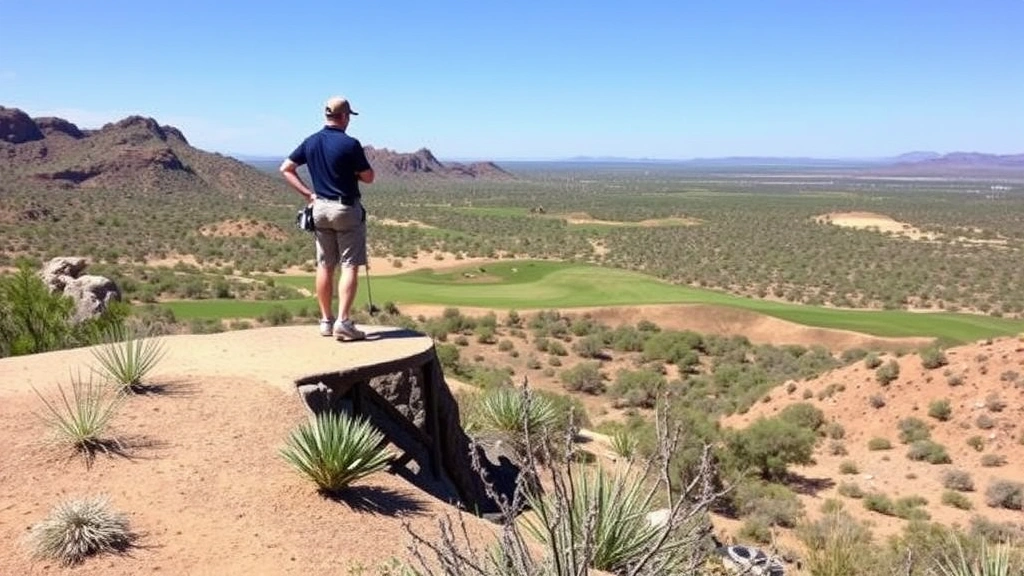
The Coachella Valley’s unique desert environment creates a distinctive golfing experience that differs markedly from traditional courses found elsewhere. Desert Willow’s design takes full advantage of the natural landscape, incorporating native vegetation, elevation changes, and strategic water features that demand precision and course awareness. By learning how to navigate these elements effectively, you’ll develop skills that transfer to any golf course environment.
Desert Willow Course Overview
Desert Willow Golf Course features two distinct eighteen-hole courses: the Firecliff Course and the Mountainside Course. Each layout presents unique challenges and requires different strategic approaches. The Firecliff Course, designed with dramatic elevation changes and expansive views, tests your ability to manage distance and accuracy across varying altitudes. The Mountainside Course, conversely, emphasizes precision shot-making and careful club selection through narrower fairways bordered by native desert vegetation.
Located in the heart of Palm Desert, the course sits at approximately 1,100 feet elevation, which significantly affects ball flight and distance calculations. The thinner air at this altitude means your drives will carry approximately 5-8% farther than sea-level conditions, requiring adjustment in club selection and distance estimation. Understanding this environmental factor is crucial for consistent performance throughout your round.
The desert climate presents both advantages and challenges. Morning rounds typically offer the most favorable conditions, with cooler temperatures and calmer winds. Afternoon play often encounters stronger winds and extreme heat, particularly during summer months. Strategic planning around these weather patterns can substantially improve your scoring opportunities and overall experience.
Understanding the Layout and Strategy
Successful play at Desert Willow begins with understanding how the course architect designed the routing to challenge different aspects of your game. The layouts encourage aggressive play from skilled golfers while providing manageable alternatives for mid-handicap players. Reading the scorecard strategically—identifying which holes suit your strengths and where you should focus defensive play—forms the foundation of effective course management.
The fairway design at Desert Willow incorporates subtle contours that influence ball roll and stopping distance. Rather than presenting obvious hazards, the course relies on strategic bunkering and rough placement to penalize poor shot selection. This design philosophy rewards golfers who understand how to position themselves for optimal approach shots. Studying the course layout before your round, either through course maps or online resources, provides valuable information for tactical decision-making.
Wind patterns in the Coachella Valley follow predictable seasonal trends. Winter months typically see calmer conditions, while spring and early summer bring increasingly challenging winds. Learning to read wind direction and adjusting your club selection accordingly separates consistent scorers from erratic performers. The elevation changes throughout both courses mean wind effects vary significantly between holes, requiring constant reassessment.
Water hazards, while not abundant, are strategically positioned to influence club selection and shot strategy. Rather than attempting to carry water hazards with longer clubs, many experienced Desert Willow golfers opt for layup strategies that position them for more manageable approach shots. This conservative approach often yields better scoring results than aggressive play that risks water penalties.
Key Holes and Strategic Approaches
Certain holes at Desert Willow demand specific strategic approaches that separate skilled players from casual golfers. Understanding these signature holes and developing reliable strategies for each significantly improves your scoring consistency. The par-3s, in particular, present opportunities for birdie scoring while also offering chances for quick mistakes if approached carelessly.
The elevated tee shots on several holes require precise distance control and club selection. Rather than relying solely on yardage markers, successful players assess wind conditions, elevation changes, and green complexity before selecting their club. This holistic approach to shot selection, informed by continuous observation and adjustment, represents the hallmark of accomplished desert golfers.
Approach shot strategy proves critical on Desert Willow’s par-4s and par-5s. The firm, well-maintained greens reward shots that land softly with appropriate spin. Understanding how different clubs and swing speeds influence spin rates helps you select the optimal approach club. Many golfers make the mistake of selecting the longest club possible for approach shots, when a more controlled, shorter club often produces superior results.
The par-5s offer scoring opportunities for golfers willing to execute disciplined three-shot strategies. Rather than attempting to reach these holes in two shots, which requires near-perfect execution, focusing on positioning yourself for a comfortable third shot often leads to more consistent birdie opportunities. This strategic mindset—prioritizing position over aggressive play—reflects the maturity of accomplished golfers.
Equipment Selection for Desert Conditions
The desert environment at Desert Willow creates specific equipment considerations. The firm fairways and hard greens mean that equipment selection significantly influences how your ball behaves during flight and after landing. Golf balls designed for moderate swing speeds often perform better in desert conditions than premium tour balls, particularly for amateur golfers.
Club selection deserves careful consideration when preparing for Desert Willow play. The elevation and wind conditions mean that standard distance charts may not apply accurately. Many golfers find that adjusting their club selections upward by one club—using a 6-iron where they might typically use a 7-iron—produces more consistent results. This adjustment accounts for the thinner air and provides additional margin for error on approach shots.
Grip maintenance becomes especially important in desert conditions. The dry climate can cause grips to become slick, reducing control and feel. Regularly refreshing your grips and bringing extra grips for replacement during your round ensures consistent hand positioning and shot execution. Some golfers prefer slightly thicker grips in desert conditions, which can improve control and reduce hand tension.
Footwear selection influences your stability and comfort throughout the round. The uneven terrain and elevation changes at Desert Willow benefit from golf shoes with enhanced ankle support. Proper footwork, enabled by stable footwear, contributes significantly to consistent ball striking and power generation across varying lies and elevations.
Mastering the Mental Game
Golf at Desert Willow, like all championship courses, is fundamentally a mental challenge. The course’s design encourages strategic thinking and disciplined decision-making. Developing mental resilience—the ability to recover from poor shots and maintain focus throughout eighteen holes—distinguishes successful golfers from those who struggle with consistency.
Pre-shot routines provide the foundation for mental consistency. Establishing a consistent process for every shot—from club selection through final execution—reduces anxiety and promotes reliable performance. Your routine should include visualization of the desired shot outcome, assessment of course conditions, and commitment to your selected strategy before initiating your swing.
Course management decisions represent the most significant mental challenge at Desert Willow. Knowing when to play aggressively and when to adopt conservative strategies requires honest assessment of your abilities and current performance level. Many golfers improve their scores dramatically by accepting that some holes are better suited to defensive play based on their skill level and the day’s conditions.
Managing expectations throughout your round promotes mental stability and consistent performance. Rather than focusing on final scores, directing your attention to executing each shot according to your pre-shot plan creates a process-oriented mindset that naturally produces better results. This psychological approach, supported by extensive sports psychology research from the American Psychological Association, enhances performance across all athletic endeavors.

Effective Practice Routines
Preparing for Desert Willow requires specific practice strategies that address the course’s unique characteristics. Rather than generic range practice, designing routines that simulate Desert Willow’s conditions and challenges produces superior preparation. Practicing with specific yardages, elevation changes, and wind conditions helps your body and mind develop the adaptability required for consistent play.
Short-game practice deserves particular emphasis for Desert Willow preparation. The firm greens and strategic bunkering mean that approach shot precision directly influences scoring. Dedicating substantial practice time to shots from 100 yards and in, with particular focus on distance control and trajectory variation, builds the skills that separate good scores from excellent ones.
Mental practice—visualization of successful shots and strategic decision-making—complements physical practice effectively. Spending time mentally rehearsing your round at Desert Willow, visualizing successful shots and positive outcomes, prepares your mind for the actual experience. This cognitive psychology research demonstrates the effectiveness of mental rehearsal for athletic performance enhancement.
If you’re interested in pursuing golf professionally or developing expertise for golf course jobs near me, structured practice programs and formal instruction become increasingly important. Professional coaches can identify specific areas for improvement and provide personalized guidance for skill development. Many successful golfers attribute their improvement to working with qualified instructors who understand course-specific strategies.
Career Opportunities in Golf
For those passionate about golf and the Desert Willow experience, career opportunities in the golf industry offer rewarding paths. The golf industry encompasses roles ranging from course management to instruction, equipment design, and hospitality services. Understanding these career pathways can help you transform your passion for golf into professional development.
If you’re exploring golf course employment opportunities, positions at premium courses like Desert Willow offer valuable experience and professional growth. Course maintenance specialists, grounds crew members, and golf shop professionals all contribute to the exceptional experience that players enjoy. These roles provide direct involvement with the golf community and opportunities for advancement into management positions.
Golf instruction represents another significant career pathway for passionate golfers. Becoming a certified golf instructor requires formal training and credential acquisition, but offers the opportunity to help others improve their game while building a successful professional practice. Many instructors specialize in specific areas like desert course management or mental game coaching.
Beyond on-course roles, the golf industry includes opportunities in equipment sales, course design, tournament operations, and golf hospitality. If you’re interested in broader career development and skill-building, exploring programs like AARP driver safety course or other professional development options can enhance your qualifications for supervisory and management positions within golf operations.
The golf tourism industry in the Coachella Valley creates substantial employment opportunities for professionals interested in hospitality and customer service. Resorts and courses throughout the region, including Desert Willow, employ staff in diverse roles that support the golf experience. Understanding this employment landscape helps you identify opportunities that align with your interests and skills.
For those seeking broader educational perspectives on course design and management, researching opportunities similar to Wisconsin golf courses or Aruba golf courses provides insights into how different regional courses operate and maintain their facilities. Each course presents unique management challenges and learning opportunities.
FAQ
What is the best time of year to play Desert Willow Golf Course?
Winter months, from November through February, offer ideal playing conditions with moderate temperatures and generally calmer winds. Summer play is possible but challenging due to extreme heat. Spring and fall provide pleasant conditions with increasing wind challenges as weather patterns shift seasonally.
How do elevation changes affect club selection at Desert Willow?
The course’s elevation changes mean you should adjust club selections based on whether you’re hitting uphill or downhill. Generally, add one club for uphill shots and subtract one club for downhill shots. The overall elevation of approximately 1,100 feet also means adding 5-8% to your typical distances due to thinner air.
What is the typical handicap requirement for Desert Willow?
Desert Willow welcomes golfers of all skill levels. While the course presents challenges for all players, the design includes options for different handicap ranges. Many courses, including Desert Willow, offer multiple tee boxes allowing players to select appropriate challenge levels.
How important is mental preparation for playing Desert Willow successfully?
Mental preparation is absolutely critical for success at Desert Willow. The course’s strategic design rewards disciplined decision-making and mental resilience. Developing pre-shot routines, managing expectations, and maintaining focus throughout your round directly influence your scoring performance.
What practice strategies best prepare for Desert Willow conditions?
Practice routines should emphasize short-game skills, distance control from various elevations, and mental visualization. Practicing with specific yardages and simulating wind conditions helps your body and mind develop the adaptability required for consistent Desert Willow performance. Working with a qualified instructor familiar with desert course conditions accelerates improvement.
Are there professional instruction opportunities at Desert Willow?
Yes, Desert Willow offers professional instruction through certified golf instructors who understand the course’s specific characteristics and challenges. Lessons focusing on course management, shot selection, and mental game development provide valuable personalized guidance for improving your performance.


