
Is Hunter Safety Course Necessary? Expert Insights on Georgia Hunter Safety Course Requirements
Hunting is a cherished tradition in Georgia, combining outdoor recreation with wildlife management and conservation efforts. However, before anyone picks up a firearm to hunt, a critical question emerges: Is a hunter safety course truly necessary? The answer is unequivocally yes, and understanding why reveals important insights into responsible hunting practices, legal requirements, and personal safety. Whether you’re a first-time hunter or considering introducing a family member to the sport, the Georgia hunter safety course represents far more than a bureaucratic hurdle—it’s an investment in your wellbeing and the wellbeing of others in the field.
The Georgia Department of Natural Resources mandates hunter education for specific age groups and situations, making this certification not just advisable but legally required in many circumstances. Beyond legal compliance, these courses provide essential knowledge that could literally save lives. From understanding firearm mechanics to recognizing hunting ethics and wildlife behavior, a comprehensive hunter safety course equips participants with the competencies needed to enjoy hunting responsibly while minimizing risks to themselves and others.
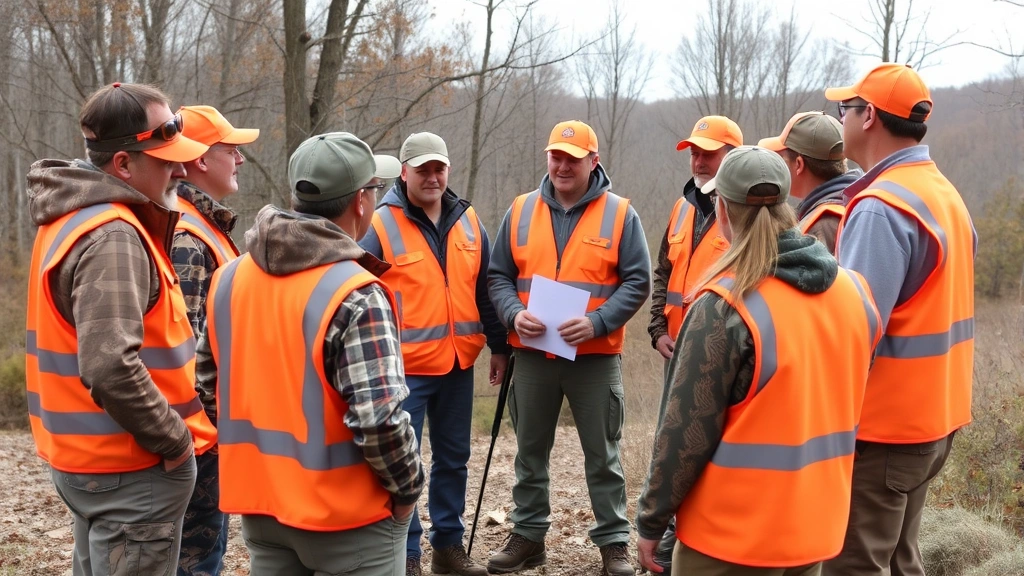
Legal Requirements for Georgia Hunters
Georgia law clearly establishes when a Georgia hunter safety course certification is mandatory. Hunters born on or after January 1, 1961, must successfully complete an approved hunter education course before obtaining a hunting license. This age-based requirement reflects decades of research demonstrating that formal education significantly reduces hunting-related injuries and fatalities. The Georgia Department of Natural Resources, in partnership with certified instructors throughout the state, administers these courses to ensure consistent, high-quality education.
The legal framework exists because hunting involves inherent risks that proper training mitigates substantially. When you complete an approved course, you receive a hunter education certificate that’s recognized across multiple states through reciprocal agreements. This certification remains valid for your lifetime, meaning you only need to complete it once. For those who obtained their licenses before the requirement was implemented, the certificate may not be necessary, but experts overwhelmingly recommend that even experienced hunters review current safety standards and best practices.
Understanding these legal requirements isn’t about avoiding penalties—though fines for hunting without proper certification can reach several hundred dollars. Rather, it’s about recognizing that legislative requirements typically follow evidence-based findings about public safety. The fact that Georgia and virtually every state with significant hunting populations mandate this education speaks to its proven value in preventing accidents and saving lives.

Core Safety Knowledge Every Hunter Needs
A quality hunter safety course covers five fundamental pillars of hunting knowledge, each essential for safe and legal hunting practices. First, firearm safety forms the foundation of all hunter education. Participants learn proper firearm handling, including how to safely carry, load, unload, and store hunting weapons. Understanding a firearm’s mechanical components, how to identify the safety mechanisms, and recognizing when a weapon is or isn’t ready to fire represents critical knowledge that prevents accidental discharge—the leading cause of hunting-related injuries.
Second, hunters must understand hunting laws and regulations specific to Georgia. These rules govern seasons, bag limits, legal hunting hours, required permits, and designated hunting areas. Ignorance of these regulations isn’t a valid legal defense, making this knowledge component particularly important. Third, hunter education courses emphasize hunter ethics and responsibility, addressing the unwritten codes of conduct that distinguish responsible hunters from those who give the sport a negative reputation. This includes respecting private property, leaving no trace, and practicing fair chase principles.
Fourth, wildlife identification and behavior knowledge prevents tragic mistakes. Being able to distinguish between legal game animals and protected species, understanding animal behavior patterns, and recognizing how wildlife responds to human presence all contribute to ethical and safe hunting. Finally, survival and outdoor skills round out the curriculum, teaching hunters how to navigate safely, recognize and respond to emergencies, and maintain personal wellbeing in field conditions. These five pillars work together to create competent, responsible hunters who enjoy the sport while minimizing risks to themselves and others.
For those interested in continuing education beyond basic certification, exploring online professional development courses can provide advanced hunting specializations. Additionally, understanding educational frameworks similar to those found in comprehensive course catalogs demonstrates how structured learning benefits skill development across disciplines.
Risk Reduction and Accident Prevention
The statistical evidence supporting hunter safety courses is compelling. Research from the International Hunter Education Association documents that states and provinces with mandatory hunter education experience significantly lower rates of hunting-related accidents compared to regions without such requirements. Specifically, studies show that educated hunters have approximately 25-30% fewer injuries and fatalities per hunting license issued than hunters who received no formal training.
Common hunting accidents include falls from tree stands, hypothermia, getting lost, firearm accidents, and vehicle-related incidents. Each of these categories of accidents can be substantially mitigated through proper training. A hunter safety course teaches participants to recognize hazardous situations before they develop into emergencies. For instance, understanding proper tree stand installation and usage prevents the majority of fall-related injuries. Learning to dress appropriately for weather conditions and recognize hypothermia symptoms prevents cold-weather injuries. Instruction in map reading, GPS usage, and navigation skills keeps hunters from becoming lost.
Firearm-related accidents, while statistically less common than other hunting injuries, are often the most severe. These accidents typically result from violations of fundamental safety rules that are thoroughly covered in any reputable hunter education program. The three primary causes of firearm accidents in hunting contexts are: failure to identify the target and what’s beyond it, unsafe firearm handling, and unsafe shooting practices. Each of these directly addressed in hunter safety courses with practical demonstrations and hands-on learning opportunities.
Beyond individual safety, educated hunters contribute to safer hunting environments for everyone. When hunters understand the importance of wearing blaze orange, identifying targets clearly before shooting, and respecting property boundaries, they reduce risks not just for themselves but for other hunters, landowners, and the general public who might be in or near hunting areas. This collective safety benefit extends across entire communities and regions.
Ethical Hunting and Wildlife Conservation
Hunter safety courses emphasize that hunting isn’t simply about harvesting animals—it’s about participating responsibly in wildlife management and conservation. Modern hunting is fundamentally tied to conservation funding and wildlife population management. In Georgia, hunting license fees and excise taxes on hunting equipment generate millions of dollars annually that fund habitat restoration, wildlife research, and land acquisition for protected areas. Hunters are, in essence, investing in conservation through their participation.
Understanding hunting ethics means recognizing that successful hunters take only clean, ethical shots when they’re confident of a quick, humane kill. It means practicing regularly at shooting ranges to develop accuracy and proficiency. It means respecting the animal being hunted by using appropriate weapons for the species and utilizing harvested animals respectfully. These ethical principles aren’t arbitrary—they reflect a conservation philosophy that has sustained hunting traditions for generations while maintaining healthy wildlife populations.
The hunter education curriculum teaches participants about the role of hunters in wildlife management. Regulated hunting of abundant species actually benefits overall wildlife populations by controlling numbers, preventing overgrazing and habitat degradation, and funding conservation efforts that protect all species. Hunters learn how their activities fit into broader ecological management strategies overseen by wildlife biologists and conservation professionals. This understanding transforms hunting from a simple recreational activity into participation in science-based wildlife stewardship.
Additionally, hunter education fosters respect for landowners and public lands. Hunters learn about trespassing laws, the importance of obtaining permission before hunting on private property, and the principles of leaving land in better condition than they found it. These ethical practices protect the future of hunting by maintaining positive relationships between hunters and non-hunting property owners, ensuring continued access to hunting opportunities for future generations.
Course Format Options and Accessibility
Georgia offers multiple formats for completing hunter safety education, recognizing that different individuals have different scheduling needs and learning preferences. The traditional classroom-based course remains popular, typically requiring 8-10 hours of instruction spread across one or two days. These in-person courses feature certified instructors who can provide immediate feedback, answer questions, and demonstrate proper firearm handling and safety techniques with actual equipment.
Online hunter safety courses have become increasingly popular, offering flexibility for busy schedules. These digital options allow participants to complete the theoretical components at their own pace, typically followed by a brief in-person or online testing component. The Georgia Department of Natural Resources approves specific online providers, ensuring that digital courses meet the same educational standards as traditional classroom instruction. This hybrid approach combines the convenience of online learning with quality assurance standards.
Some providers offer combination courses that blend online instruction with in-person range time or field days. These comprehensive programs provide the knowledge component through digital instruction while ensuring participants gain hands-on experience with actual firearms under professional supervision. This format appeals to many hunters who want both flexibility and practical skill development.
For those seeking additional hunting education resources, exploring options like university-level course catalogs can provide advanced learning opportunities in wildlife biology and conservation science. While not required for hunting, such advanced education deepens understanding of ecological principles underlying modern hunting practices.
Accessibility has been a priority for Georgia’s hunter education program. Courses are offered throughout the state in various communities, with multiple dates and times to accommodate different schedules. For individuals with disabilities, accommodations are available upon request, ensuring that physical or cognitive differences don’t prevent access to this important education. The relatively low cost of certification—typically between $15-$30—ensures that financial barriers don’t prevent participation.
Practical Skills Beyond the Classroom
While formal hunter safety courses provide essential knowledge, true competency develops through practical application and continued learning. Many experienced hunters recommend that newly certified hunters spend time practicing at shooting ranges before hunting season begins. This hands-on skill development builds muscle memory, helps hunters understand their specific firearm’s characteristics, and develops the proficiency needed for ethical, humane kills.
Mentorship relationships significantly enhance the value of formal education. Many hunters benefit enormously from spending time in the field with experienced hunters who model safe practices and share accumulated knowledge about local hunting conditions, animal behavior, and effective techniques. The International Hunter Education Association emphasizes that formal coursework and field experience work together to develop complete hunting competency.
Advanced education opportunities exist for hunters seeking specialized knowledge. Courses focusing on specific game animals, hunting methods, or geographic regions provide deeper expertise. Organizations like the Wildlife Management Institute offer advanced training and certification programs. Many hunters also pursue continuing education through hunting clubs, conservation organizations, and specialized workshops that build on foundational safety knowledge.
Staying current with changing regulations and best practices represents an ongoing responsibility for hunters. Georgia’s hunting regulations change annually, and hunters should review current rules before each season. Many hunters subscribe to newsletters from the Georgia Department of Natural Resources or join hunting organizations that keep members informed about regulatory changes, new conservation initiatives, and emerging best practices in hunting safety and ethics.
Field experience in various weather conditions, terrain types, and hunting scenarios builds practical wisdom that complements classroom instruction. Hunters who actively participate in the sport throughout their lives accumulate knowledge about how to recognize dangerous situations, adapt to changing conditions, and make sound decisions in real-time. This experiential learning, combined with the foundational knowledge from formal education, creates truly competent hunters.
For those interested in how structured learning applies to other fields, examining approaches used in specialized recreational education and outdoor activity instruction reveals parallels in how safety and skill development are systematically taught across different domains.
Frequently Asked Questions
What is the age requirement for the Georgia hunter safety course?
Hunters born on or after January 1, 1961, must complete a hunter education course before obtaining a Georgia hunting license. Hunters born before this date are exempt from the requirement, though completing the course is still recommended to ensure knowledge of current safety standards and regulations.
How long does the Georgia hunter safety course take?
Traditional classroom courses typically require 8-10 hours of instruction, often completed over one or two consecutive days. Online courses allow more flexibility, with participants typically completing the material over several days or weeks, followed by a brief testing component.
How much does the Georgia hunter safety course cost?
Certification costs are minimal, typically ranging from $15-$30 depending on the course provider and format. Some courses may be offered free through community organizations or government agencies, particularly for youth hunters.
Is the Georgia hunter safety certificate valid in other states?
Yes, Georgia’s hunter education certificate is recognized through reciprocal agreements with other states and provinces. This reciprocity allows Georgia-certified hunters to hunt legally in most other jurisdictions that recognize hunter education certification.
Can I hunt without completing the hunter safety course?
If you were born before January 1, 1961, you may legally hunt without certification. However, experts strongly recommend that all hunters complete formal education regardless of age or experience level. Additionally, some hunting opportunities, such as certain youth-only seasons or special hunts, may require certification regardless of age.
What topics are covered in a typical Georgia hunter safety course?
Courses cover firearm safety and handling, Georgia hunting laws and regulations, hunter ethics and responsibility, wildlife identification and behavior, survival and outdoor skills, and tree stand safety. The specific curriculum follows standards established by the International Hunter Education Association and adapted for Georgia’s specific regulations.
Can I take the course online?
Yes, Georgia offers approved online hunter safety courses that allow participants to complete theoretical instruction at their own pace. Participants typically must still complete an in-person testing component or brief online assessment to receive certification.


