Master Harley Riding? Expert Course Available
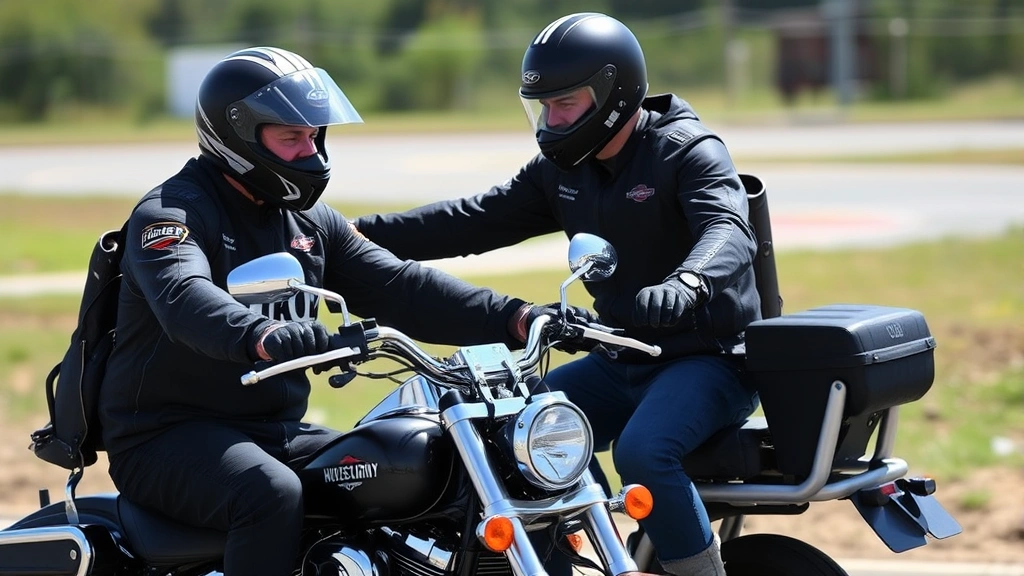
Learning to ride a Harley Davidson motorcycle represents a significant commitment to personal skill development and safety awareness. Whether you’re a complete beginner or an experienced rider looking to refine your technique, professional Harley Davidson motorcycle courses provide structured, evidence-based instruction that transforms nervous novices into confident, competent riders. These specialized training programs combine classroom instruction, hands-on practice, and real-world scenario training to ensure you develop the muscle memory, judgment, and defensive riding skills necessary for safe, enjoyable motorcycle operation.
The motorcycle industry has evolved considerably over the past two decades, with training methodologies now grounded in cognitive learning theory and motor skill development research. Expert instructors understand that learning to ride a motorcycle involves more than mechanical operation—it requires developing spatial awareness, risk assessment abilities, and the physical coordination to manage a machine that weighs several hundred pounds while maintaining balance, control, and awareness of road conditions and traffic patterns simultaneously.
Why Professional Harley Courses Matter
Many aspiring riders make the critical mistake of learning informally from friends or family members, often absorbing dangerous habits alongside legitimate skills. Professional Harley Davidson motorcycle courses eliminate this risk by teaching standardized, safety-focused techniques validated through years of instructor experience and rider feedback. According to research from the Insurance Institute for Highway Safety, riders who complete formal training courses experience significantly fewer accidents and injuries than self-taught riders.
The psychological foundation of quality instruction rests on established principles of motor learning and skill acquisition. Expert instructors break complex riding behaviors into manageable components, allowing your brain to process and internalize each element before integrating them into fluid, automatic responses. This progressive approach aligns with cognitive load theory, which demonstrates that learning efficiency improves dramatically when information is presented in appropriately sequenced, digestible portions rather than overwhelming learners with simultaneous complexity.
Professional courses also address the confidence-competence gap—the dangerous zone where riders feel more capable than they actually are. Structured training provides objective feedback, realistic scenario practice, and measurable progress indicators that help you accurately assess your abilities and understand genuine safety limitations. This calibration between perceived and actual skill is critical for avoiding the overconfidence that leads to poor decision-making on the road.
Core Skills Covered in Expert Training
Comprehensive Harley riding instruction encompasses six fundamental skill domains, each requiring specific practice and mastery before progression to more advanced techniques.
Machine Familiarization and Control: Before any street riding, you’ll spend considerable time understanding your Harley’s unique characteristics—weight distribution, throttle sensitivity, brake modulation, and clutch engagement. Expert instructors teach you how Harley cruisers differ from sport bikes or touring models, allowing you to develop appropriate mental models for the specific machine you’ll operate. You’ll practice basic maneuvers in controlled environments, gradually building the neuromuscular coordination necessary for precise control.
Balance and Countersteering: One of the most counterintuitive aspects of motorcycle operation involves steering at speed. Professional courses teach countersteering—the technique of subtly pushing forward on the handlebar on the side you wish to turn toward, which actually causes the motorcycle to lean in the opposite direction and execute the desired turn. This physics-based principle contradicts intuitive steering logic, making formal instruction essential for developing reliable technique.
Braking and Stopping: Proper braking technique separates competent riders from dangerous ones. Expert instruction covers threshold braking, weight transfer management, and emergency stopping procedures. You’ll learn how to modulate brake pressure to maintain stability while maximizing deceleration, and how to practice emergency stops until the technique becomes automatic muscle memory rather than a conscious decision process.
Throttle Control and Acceleration: Smooth, progressive throttle application prevents wheelies, maintains traction, and allows precise speed management. Professional courses teach you to develop fine motor control over throttle input, understanding how Harley engines respond to subtle hand movements and how to coordinate throttle changes with body position and braking for optimal control.
Cornering and Lean Angles: Advanced training covers the physics and technique of cornering at various speeds and lean angles. You’ll learn how to position your body, manage visual focus, and judge available traction limits—all while maintaining safe margins below absolute maximum lean angles. This skill development typically occurs on closed courses before street application.
Situational Awareness and Hazard Recognition: Perhaps the most critical skill involves developing the visual scanning patterns and cognitive frameworks that allow you to identify hazards before they become emergencies. Expert instruction teaches you where to look, what to look for, and how to process information into appropriate tactical responses. This component aligns with research on attention and perception in high-risk activities.
Course Levels and Progression Paths
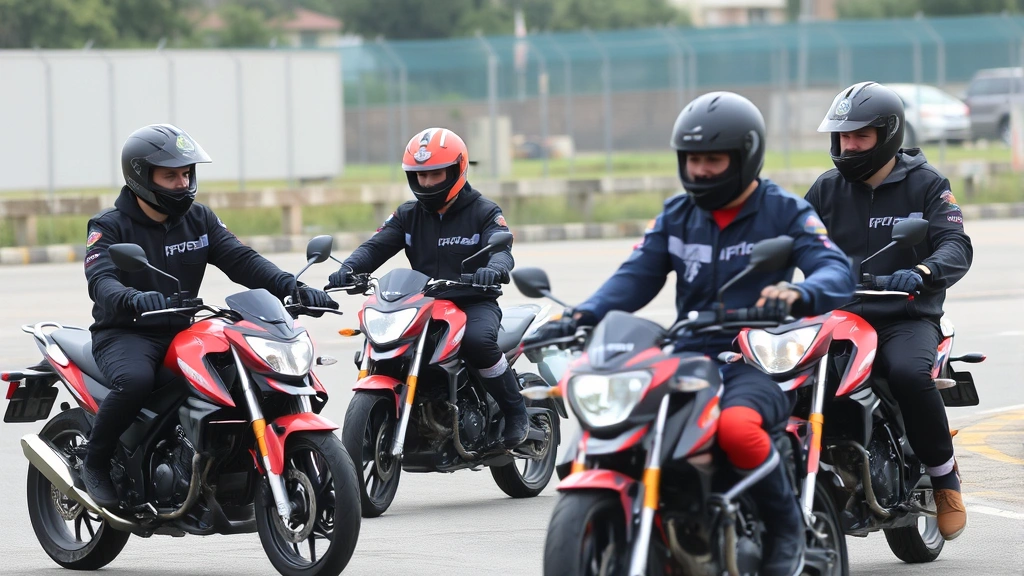
Reputable Harley training organizations structure instruction across multiple proficiency levels, allowing you to progress systematically rather than attempting to master everything simultaneously.
Basic Rider Course (BRC): This foundational level serves complete beginners with no prior motorcycle experience. Typically spanning 3-4 days and involving 15-20 hours of instruction, the BRC covers essential knowledge (motorcycle mechanics, traffic laws, safety equipment) and practical skills (basic control, slow-speed maneuvers, emergency stopping). Many states recognize BRC completion for license testing exemptions or insurance discounts, making it an economically sensible starting point regardless of your long-term riding ambitions.
Intermediate Rider Course (IRC): Designed for riders with 6-12 months of street experience, intermediate courses build upon fundamental skills with emphasis on cornering, hazard recognition, and decision-making under realistic conditions. These courses often involve higher speeds, more complex scenarios, and emphasis on developing the judgment necessary for safe highway riding.
Advanced Rider Course (ARC): For experienced riders seeking to refine technique and expand skill margins, advanced courses cover emergency maneuvers, extreme weather riding, group riding dynamics, and tactical positioning for accident avoidance. Advanced instruction often includes track time where you can explore lean angles and braking limits in controlled environments before applying refined techniques to public roads.
Harley-Specific Advanced Training: Some organizations offer Harley Davidson motorcycle course variations specifically designed for cruiser characteristics. These specialized programs acknowledge that Harley cruisers handle differently than sport bikes or standard motorcycles, requiring adjusted techniques for optimal control and safety. The heavier weight, lower center of gravity, and different ergonomics of cruisers necessitate particular attention to body positioning, throttle management, and braking technique.
Equipment and Safety Standards
Professional Harley courses operate under strict safety protocols, with standardized equipment requirements ensuring consistent, protective conditions across all participants.
Personal Protective Equipment (PPE): Quality instruction mandates appropriate gear for all riding—helmet (DOT or ECE certified minimum), protective jacket with armor, gloves rated for motorcycle use, appropriate pants with reinforced areas, and over-the-ankle boots. Expert instructors emphasize that PPE isn’t optional or situational; it’s foundational to risk management. Research from the Federal Highway Administration demonstrates that proper protective equipment reduces injury severity by 50% or more in accident scenarios.
Training Motorcycles: Most professional courses provide standardized training motorcycles rather than requiring you to bring your own Harley. These bikes are selected for learner-friendly characteristics—manageable weight, responsive controls, and reliable mechanics—allowing you to focus on skill development rather than adapting to unfamiliar machines. Typically, training fleets include entry-level Harleys and standard motorcycles of similar size and weight.
Course Layout and Facilities: Expert instruction occurs on closed courses with controlled environments, typically featuring various practice areas—slow-speed maneuver zones, cornering sections, braking practice areas, and highway simulation sections. This controlled environment allows you to practice without traffic pressure, building confidence and competence before street application.
Instructor Qualifications and Certification
The quality of your learning experience depends fundamentally on instructor expertise, training methodology, and communication skill. Reputable Harley riding programs employ instructors who meet rigorous qualification standards.
Certification Requirements: Professional motorcycle instructors typically hold certifications from recognized organizations such as the Motorcycle Safety Foundation, which establishes nationwide standards for instructor training, continuing education, and curriculum development. These certifications require extensive riding experience, formal instructor training, and demonstrated competence in both technical riding skills and adult education methodology.
Ongoing Professional Development: Quality instructors commit to continuous learning, staying current with evolving safety research, new training methodologies, and updates to traffic laws and vehicle technology. This commitment to professional development ensures that instruction reflects current best practices rather than outdated techniques that may have been standard a decade ago.
Teaching Philosophy: Expert instructors understand that adult learners require different approaches than younger students. They employ principles of adult learning theory, providing clear rationales for techniques, allowing practice with immediate feedback, and respecting learners’ existing knowledge while challenging misconceptions. This student-centered approach, grounded in educational psychology research, produces more engaged learners who internalize instruction more thoroughly.

Real-World Application and Continued Learning
Completing a Harley Davidson motorcycle course represents a beginning rather than a conclusion. Expert instruction provides foundational skills and knowledge, but genuine mastery develops through deliberate practice and continued learning over months and years of riding.
Post-Course Practice Strategy: After formal instruction, structure your early riding experiences deliberately. Progress from simple routes with light traffic to increasingly complex environments. Practice specific skills during dedicated sessions before attempting them in real-world conditions. This graduated approach, consistent with principles of deliberate practice from expertise research, accelerates skill development more effectively than random riding experience.
Continued Education Opportunities: Many riders benefit from refresher courses every few years, particularly after extended riding breaks or before transitioning to different motorcycle types. Advanced courses addressing specific interests—touring, group riding, off-road skills, or weather-specific techniques—provide ongoing development opportunities that maintain and expand your capabilities.
Community and Peer Learning: Joining local riding groups and communities provides opportunities for peer learning and shared experience. However, exercise critical evaluation of informal advice; not all experienced riders have learned optimal techniques, and some may have developed unsafe habits that happen to work for them personally. Prioritize information from formally trained instructors and evidence-based sources.
Incident Analysis and Reflection: As you gain riding experience, analyze close calls and near-misses systematically. What triggered the hazardous situation? What could you have done differently? This reflective practice, grounded in learning science research on metacognition, transforms experiences into genuine learning rather than mere repetition. Many expert riders maintain riding journals documenting lessons learned and skill development progress.
FAQ
How long does a typical Harley Davidson motorcycle course take?
Basic courses span 3-4 days with 15-20 hours of instruction, while intermediate and advanced programs typically require 2-3 days. Some organizations offer extended programs spreading instruction across multiple weekends. The duration allows adequate practice time for skill integration while fitting realistic scheduling constraints.
Do I need to own a Harley before taking a course?
No. Professional courses provide training motorcycles, typically entry-level Harleys or comparable standard bikes. This approach allows you to learn without equipment investment pressure and ensures consistent training conditions. After completing courses and gaining experience, you can purchase a Harley suited to your preferences and needs.
What’s the typical age range for Harley riding courses?
Most courses accommodate adults from 16 (with parental consent in some jurisdictions) through senior riders. Instruction adapts to individual physical capabilities and experience levels. Some organizations offer specialized youth courses with age-appropriate instruction and modified equipment.
Will completing a course help with insurance rates?
Many insurance companies offer discounts—typically 5-15% of premiums—for riders who complete recognized safety courses. The MSF Basic Rider Course qualifies for discounts from most major insurers. Contact your insurance provider for specific details about your policy and eligible courses.
How do Harley courses differ from courses for other motorcycle types?
Harley-specific courses address cruiser characteristics including heavier weight, lower seat height, different weight distribution, and unique handling characteristics. Standard motorcycle courses provide foundational skills applicable to all bikes, but specialized Harley instruction optimizes technique for cruiser-specific performance and safety considerations.
Can experienced riders benefit from professional Harley courses?
Absolutely. Experienced sport bike or standard motorcycle riders often benefit significantly from Harley-specific instruction addressing cruiser handling differences. Advanced courses help refine techniques, expand skill margins, and develop competence in specialized riding scenarios regardless of prior experience level.
What safety certifications should I look for in courses?
Look for courses affiliated with the Motorcycle Safety Foundation or equivalent recognized organizations in your country. Instructors should hold current certifications and the curriculum should align with established safety standards. Don’t assume that a course is quality simply because it’s offered by a Harley dealership; verify instructor credentials and curriculum independently.


