Golf Course Basics: Pro Insights from Hillview
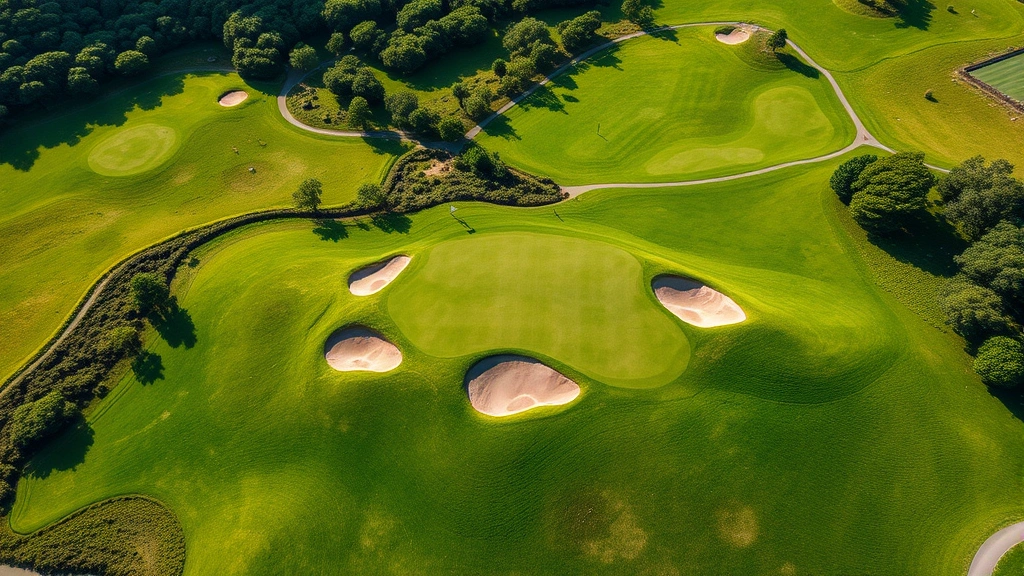
Golf course design and management represent a fascinating intersection of landscape architecture, environmental science, and recreational planning. Hillview Golf Course stands as an exemplary model for understanding how modern courses balance playability, sustainability, and member satisfaction. Whether you’re a beginner golfer seeking to understand course layout fundamentals or a seasoned player interested in course management practices, Hillview offers valuable lessons that apply across the entire golfing landscape.
The principles that make Hillview successful extend far beyond its manicured fairways and challenging greens. From hazard placement strategy to turf maintenance protocols, every element serves a purpose in creating an engaging yet fair playing experience. This comprehensive guide explores the essential components that define quality golf course operations, drawing on real-world examples and industry best practices that Hillview exemplifies.
Understanding Course Layout and Design
A golf course’s layout represents the foundational blueprint for player experience and operational efficiency. Hillview Golf Course demonstrates masterful layout principles that balance challenge with accessibility. The strategic routing of holes—the order and path players follow—significantly impacts both the difficulty progression and the overall flow of play.
Modern course design considers numerous factors when establishing layout. Elevation changes create natural visual interest while affecting shot difficulty. Water features must be positioned to challenge skilled players without overwhelming beginners. Bunker placement requires careful calculation to penalize poor shots while remaining avoidable for competent players. The best courses, like those featured at South Mountain Golf Course, integrate these elements seamlessly.
Hillview’s design exemplifies how nine-hole and eighteen-hole configurations serve different market segments. Nine-hole courses provide quicker play opportunities and lower membership costs, making golf more accessible. Eighteen-hole layouts offer the complete championship experience that competitive golfers seek. Understanding this distinction helps players choose appropriate venues for their skill level and available time.
The relationship between hole sequencing and player fatigue represents an often-overlooked design consideration. Strategic placement of easier holes after difficult ones maintains player morale and scoring opportunities. Water features positioned early in the round differ functionally from those encountered late, when player concentration may be diminishing. Hillview’s routing demonstrates this sophisticated understanding.
Hole Structure and Par Systems
Par represents the standard number of strokes an expert golfer should require to complete a hole. Understanding par structure proves essential for both playing and evaluating courses. Par-3 holes typically range from 100 to 250 yards, requiring a single approach shot to reach the green. Par-4 holes generally span 250 to 470 yards, demanding a drive and approach shot. Par-5 holes exceed 470 yards, often requiring two approach shots after the drive.
Hillview incorporates varied par configurations across its routing, creating scoring opportunities for different skill levels. Courses featuring balanced par distributions—roughly equal numbers of par-3, par-4, and par-5 holes—tend to offer more equitable playing experiences. Some specialized venues, like those discussed in our guide to Par 3 Golf Courses, focus exclusively on short holes for specific purposes.
The concept of handicap relates directly to par structure. Handicapping systems allow golfers of varying abilities to compete fairly by adjusting scores based on course difficulty ratings. Hillview’s course rating and slope rating—metrics established by professional evaluators—determine how handicaps apply to scores. These ratings reflect both the length and the difficulty of the course from different tee positions.
Modern courses offer multiple tee positions, allowing players to select appropriate yardages for their abilities. Championship tees might stretch a par-4 to 470 yards, while forward tees reduce it to 350 yards. This flexibility ensures that everyone from beginners to professionals finds appropriate challenge levels. Hillview’s tee system demonstrates how this accessibility enhances member satisfaction and retention.
Strategic Hazard Placement
Hazards—including bunkers, water features, and out-of-bounds areas—define the strategic challenge of golf course design. Their placement transforms golf from a simple distance game into a decision-making exercise requiring course management skills. Hillview strategically positions hazards to reward thoughtful shot selection while penalizing poor decisions.
Bunkers serve multiple functions beyond mere difficulty. Greenside bunkers protect putting surfaces, forcing approach shots to land on the green rather than rolling through. Fairway bunkers positioned at typical drive distances create strategic decision points where players must choose between aggressive and conservative routes. The psychology of hazard placement matters significantly—bunkers visible from the tee influence player confidence and club selection.
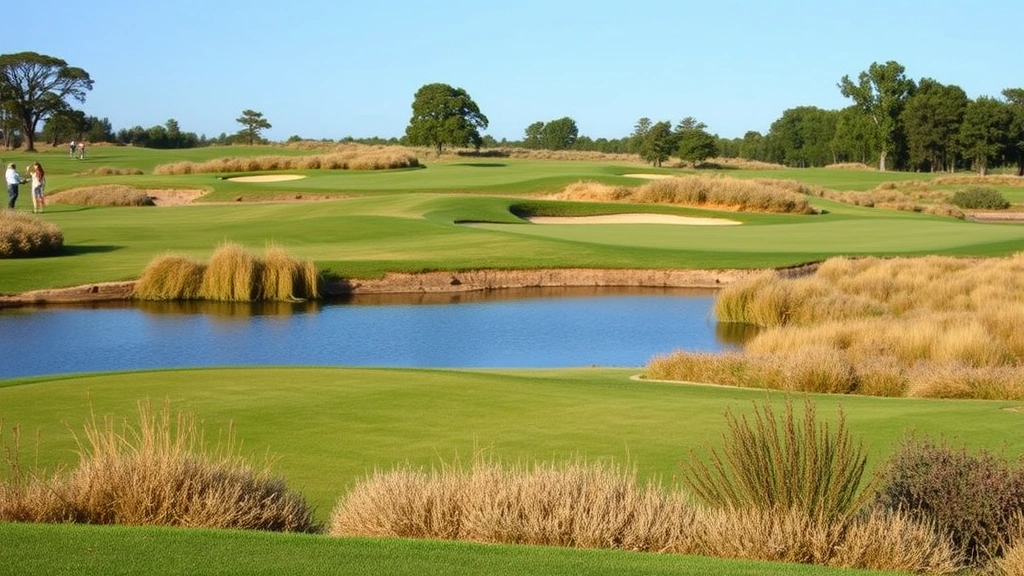
Water hazards represent the most intimidating obstacle in golf. Courses like those at Gold Mountain Golf Course demonstrate how water features can define course character while maintaining playability. Strategic water placement near greens or along fairways creates calculated risk-reward scenarios. Expert course designers ensure that water hazards penalize poor shots without rendering holes unplayable for average golfers.
Out-of-bounds areas and rough terrain establish course boundaries and consequences for errant shots. Hillview’s hazard strategy includes thoughtful consideration of how these elements interact. A well-designed hole might feature a bunker on one side, water on another, and out-of-bounds beyond, forcing players to identify the optimal shot corridor. This layering of hazards creates sophisticated strategic depth.
The relationship between hazard difficulty and player skill level requires careful calibration. Professional courses might feature hazards that challenge scratch golfers while remaining navigable for skilled amateurs. Hillview’s design accommodates this range through varied tee positions and hazard positioning that creates different difficulty levels from different starting points.
Turf Management Essentials
The quality of grass surfaces directly impacts playability, safety, and aesthetic appeal. Hillview’s maintenance program exemplifies professional turf management standards. Different course areas require different grass species and maintenance protocols. Putting greens typically feature bentgrass or bermudagrass varieties chosen for their fine texture and consistent playing characteristics.
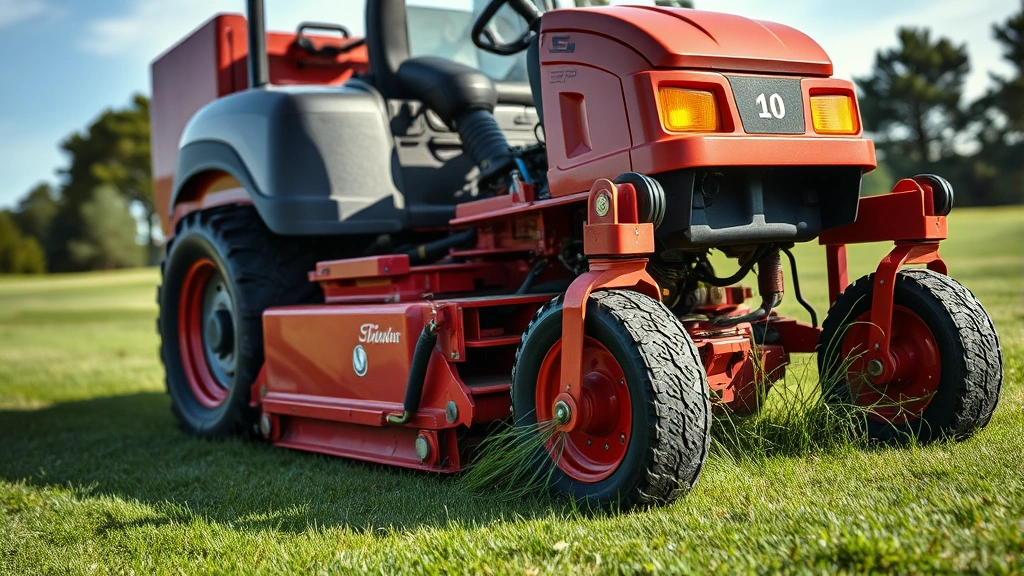
Fairway maintenance demands balancing density, playability, and durability. The grass must withstand substantial foot traffic and mower passes while maintaining attractive appearance. Roughs present different challenges—they must slow errant shots while remaining playable for skilled golfers attempting recovery shots. Hillview’s turf diversity creates distinct playing characteristics across different course areas.
Soil composition fundamentally influences turf health and playability. Proper drainage prevents waterlogging and disease development. Nutrient management through fertilization programs supports healthy growth. pH balance affects nutrient availability and disease resistance. Professional courses conduct regular soil testing to optimize these parameters. Hillview’s soil management program ensures consistent playing conditions throughout seasons.
Irrigation systems represent substantial infrastructure investments for courses like Hillview. Modern systems employ weather-based controllers and soil moisture sensors to optimize water application. This technology conserves water while maintaining turf quality during drought conditions. Proper irrigation scheduling prevents both under-watering and over-watering, which can degrade playing surfaces.
Seasonal Maintenance Schedules
Golf course maintenance follows seasonal patterns adapted to local climate conditions. Spring preparation includes aerification to reduce soil compaction, overseeding to fill bare spots, and fertilization to support growth. These early-season practices establish conditions for summer play. Hillview’s spring program typically begins in early March, depending on regional weather patterns.
Summer maintenance focuses on managing heat stress, controlling weeds, and maintaining consistent cutting heights. Fungal disease pressure increases during warm, humid periods, requiring preventive treatments. Insect management becomes critical as populations expand. Daily operations during summer include mowing, fertilization, and irrigation adjustments. Hillview’s summer schedule maintains championship-level conditions despite environmental challenges.
Fall maintenance shifts toward strengthening turf before winter dormancy. Aerification and overseeding occur again as growth resumes. Nutrient applications prepare plants for cold temperatures. Fall is ideal for major construction projects and course improvements, as play typically decreases. Hillview often schedules renovations during autumn months.
Winter maintenance varies dramatically by region. In temperate climates like those near Charleston National Golf Course, winter play continues with modified maintenance. In colder regions, winter involves minimal maintenance as turf dormancy reduces management requirements. Hillview’s location determines specific winter protocols.
Optimizing Player Experience
Beyond physical course elements, player experience encompasses pace of play, course conditions, and overall atmosphere. Hillview recognizes that recreational golfers prioritize enjoyment and reasonable playing time. Slow play—often caused by poor course management rather than player skill—diminishes satisfaction significantly. Strategic course design that maintains efficient play flow benefits everyone.
Shot-by-shot routing decisions influence pace of play. Holes positioned to prevent backup from preceding holes maintain smooth flow. Adequate viewing areas allow players to monitor hole status before approaching. Hillview’s design considers these operational aspects alongside pure golf strategy. The best courses balance challenge with playability efficiency.
Signage and course communication systems guide players effectively. Clear yardage markers help players select appropriate clubs and plan shots. Pace-of-play indicators encourage groups to maintain rhythm. Hillview employs comprehensive signage systems that enhance both navigation and efficiency. Modern courses increasingly use mobile apps for course information and pace monitoring.
Amenities and support services significantly impact player satisfaction. Well-maintained facilities, friendly staff, and reasonable pricing create welcoming environments. Courses like those at Oceanside Municipal Golf Course demonstrate how public courses can deliver excellent experiences affordably. Hillview’s commitment to member services extends beyond the course itself to include dining, instruction, and social events.
Member education programs enhance player development and course appreciation. Golf instruction helps beginners learn fundamentals and improves experienced players’ games. Rules education ensures fair play and efficient group interactions. Hillview’s academy programs contribute to member satisfaction and skill development across all levels.
Environmental Sustainability Practices
Modern golf course management increasingly emphasizes environmental stewardship. Water conservation represents a primary sustainability focus, particularly in arid regions like those near Cancun Golf Courses where precipitation is limited. Efficient irrigation systems, native plant selections, and drought-resistant grass varieties reduce water consumption significantly.
Chemical management practices protect groundwater and surrounding ecosystems. Integrated pest management minimizes pesticide applications through cultural practices, beneficial insects, and targeted treatments. Fertilizer application timing and rates reduce nutrient runoff. Hillview’s sustainability program reflects industry best practices for environmental protection.
Habitat preservation and native plant integration enhance biodiversity while reducing maintenance requirements. Many courses now maintain natural areas within their boundaries, providing wildlife corridors and ecological benefits. Strategic tree preservation and planting programs support environmental goals while improving aesthetics. Hillview’s commitment to sustainability demonstrates how golf courses can operate as environmental assets rather than liabilities.
Renewable energy adoption increasingly appears in course operations. Solar-powered irrigation systems, electric maintenance equipment, and energy-efficient facility designs reduce operational carbon footprints. Waste reduction programs including composting and recycling minimize landfill contributions. These practices align golf course operations with broader environmental sustainability objectives.
Certification programs like Audubon International recognition validate environmental commitment. Courses meeting rigorous standards for water conservation, chemical reduction, and habitat protection earn certification. These programs provide accountability and guide continuous improvement. Hillview’s potential pursuit of environmental certification reflects industry-leading practices.
FAQ
What makes Hillview Golf Course distinctive among regional courses?
Hillview distinguishes itself through thoughtful course design that balances challenge with accessibility, professional turf management maintaining championship conditions, and member-focused services creating community atmosphere. The course routing demonstrates sophisticated understanding of player psychology and pace-of-play management. Compared to facilities like South Mountain or Gold Mountain, Hillview’s integrated approach to design, maintenance, and member experience creates comprehensive excellence.
How do par systems work, and why do courses vary their par distributions?
Par represents the standard strokes an expert golfer requires for each hole. Par-3s (short holes), Par-4s (medium holes), and Par-5s (long holes) create varied challenges. Balanced par distributions provide equitable scoring opportunities across different skill levels. Some specialized courses focus exclusively on par-3s, as discussed in our Par 3 Golf Courses guide, for specific purposes like instruction or quick rounds.
What seasonal maintenance does Hillview perform?
Hillview follows regional seasonal patterns. Spring includes aerification, overseeding, and fertilization. Summer focuses on heat stress management, disease prevention, and consistent maintenance. Fall prepares turf for dormancy through additional aerification and nutrient applications. Winter maintenance varies by climate. This comprehensive approach maintains consistent playing conditions year-round.
How do golf courses balance playability with strategic difficulty?
Strategic hazard placement creates decision-making opportunities without rendering holes unplayable. Multiple tee positions allow players to select appropriate difficulty levels. Bunkers, water features, and rough terrain are positioned to penalize poor shots while rewarding good ones. This layered approach, exemplified by Hillview’s design, accommodates diverse skill levels within a single course.
What sustainability practices do modern golf courses implement?
Contemporary courses employ water-efficient irrigation, native plant integration, integrated pest management, renewable energy adoption, and waste reduction programs. Environmental certification programs provide accountability and guide improvement. These practices protect ecosystems while maintaining championship-level playing conditions. Hillview’s commitment to sustainability reflects industry leadership.
How does course routing affect player experience beyond pure golf?
Strategic routing maintains efficient pace of play through proper spacing and viewing areas. Hole sequencing affects player fatigue and morale through difficulty progression. Amenities, signage, and support services enhance overall satisfaction. Hillview’s comprehensive approach to player experience extends beyond course design to encompass all operational aspects.


