Kaanapali Golf Course Resort: Expert Review & Professional Tips for Hawaii’s Premier Destination
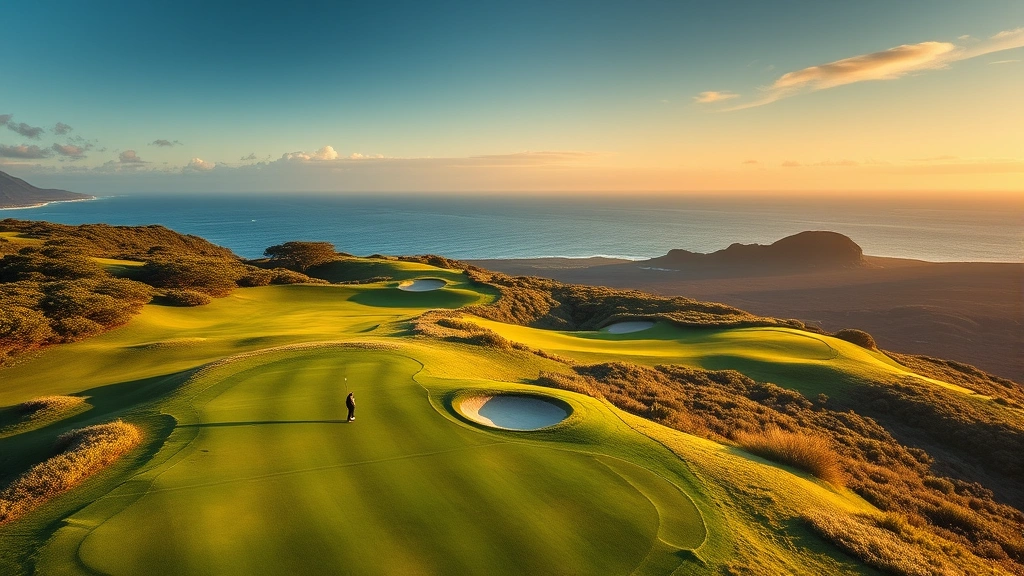
Nestled along the stunning West Maui coastline, Kaanapali Golf Course Resort represents one of Hawaii’s most prestigious golfing destinations. This world-class facility combines championship-level courses with breathtaking ocean views, making it an essential stop for serious golfers and casual players alike. Whether you’re planning your first visit or returning for another round, understanding what makes Kaanapali special will help you maximize your experience on these legendary fairways.
The resort’s two championship courses have hosted numerous professional tournaments and consistently rank among the top golf destinations in the Pacific. With impeccable course maintenance, expert instruction, and luxury amenities, Kaanapali delivers the authentic Hawaiian golfing experience that discerning players seek. This comprehensive guide explores everything from course layouts and difficulty ratings to insider tips that will improve your game and enhance your visit.
Course Overview & History
Kaanapali Golf Course Resort opened in 1962 and has since become synonymous with Hawaiian golf excellence. The resort features two championship 18-hole courses designed by renowned golf architects who understood the importance of integrating natural landscape features with challenging play. The courses have undergone several renovations to maintain their competitive standards while respecting the island’s environmental heritage.
The facility sits on approximately 180 acres of prime Maui real estate, with elevation changes that range from sea level to over 500 feet above the Pacific Ocean. This topography creates naturally dramatic holes that test both technical skill and course management ability. The courses are consistently ranked among the top 50 resort courses in the United States, attracting golfers from around the world who want to experience authentic Hawaiian golf.
What distinguishes Kaanapali from other resort courses is its commitment to maintaining championship-level conditioning while remaining accessible to players of all skill levels. The routing of both courses takes advantage of natural valleys, ridge lines, and ocean vistas that make each hole memorable. The trade winds that sweep across the West Maui coast create an additional strategic element that players must learn to manage.
The North Course Experience
The North Course plays at approximately 6,900 yards from the championship tees and features a slope rating of 135, making it one of the more demanding courses in Hawaii. Designed with strategic bunkering and elevated greens, the North Course rewards accurate ball striking and thoughtful club selection. The course opens with a relatively forgiving par-four that allows golfers to settle into their rhythm before facing more substantial challenges.
Key holes on the North Course include the signature par-three 17th, which plays over a dramatic ocean inlet with the fairway sloping toward the water. This hole has become iconic in Hawaiian golf photography and represents the kind of risk-reward decision-making that makes Kaanapali memorable. Another standout is the par-five 8th, which doglegs right around native vegetation and offers multiple strategic options for golfers of different skill levels.
The North Course’s back nine presents increasingly difficult conditions as golfers navigate the course’s higher elevation sections. Holes 10 through 14 feature some of the most dramatic elevation changes and wind exposure on the property. Golfers should expect their club selections to change significantly from morning to afternoon as the trade winds typically increase throughout the day. The course’s finishing holes bring golfers back toward the clubhouse through a challenging stretch that demands focus and execution.
Course management becomes critical on the North Course, where attempting to overpower the layout often results in disaster. The rough areas feature volcanic rock and native grasses that penalize wayward shots severely. Players who focus on keeping the ball in play and making strategic decisions based on wind conditions typically score better than those who rely on distance alone.
The South Course Challenges
The South Course offers a slightly different character than its northern counterpart, playing at approximately 6,700 yards with a slope rating of 132. While marginally shorter, the South Course features more water hazards and strategic bunkering that demand precise shot-making. The course design emphasizes accuracy over distance, making it slightly more accessible to mid-handicap golfers while remaining challenging for experts.
The South Course’s opening holes guide players through relatively straightforward terrain before introducing the water hazards that characterize the back nine. The par-four 2nd hole features an island green that requires a precise second shot, immediately establishing the course’s strategic nature. The front nine generally plays easier, allowing golfers to build confidence before the more demanding back nine.
The signature hole on the South Course is the par-three 15th, which plays from an elevated tee down to a green surrounded by water on three sides. This hole epitomizes the dramatic Hawaiian golf experience, with panoramic ocean views and the constant presence of the Pacific Ocean as both visual distraction and genuine hazard. The wind patterns around this hole can shift unexpectedly, requiring golfers to stay focused on their pre-shot routine.
Comparing the South Course to other dramatic desert and coastal courses, Kaanapali’s South Course maintains the balance between aesthetic beauty and legitimate challenge. The routing through native Hawaiian vegetation creates a genuine sense of isolation despite the resort’s proximity. Players consistently report that the South Course feels more intimate and secluded than the North Course, despite being located adjacent to it.

Resort Amenities & Services
Beyond the championship courses, Kaanapali Golf Course Resort offers comprehensive amenities that support a complete golf experience. The facility features a full-service pro shop with equipment from leading manufacturers, allowing golfers to adjust their equipment based on course conditions. The pro shop staff includes experienced fitters who understand how Hawaii’s unique conditions affect equipment performance.
Instruction is available through the resort’s PGA-certified professionals, who offer everything from group clinics to personalized playing lessons. These instructors understand the specific challenges that visiting golfers face, including wind management, elevation changes, and the psychological aspects of playing unfamiliar courses. Many golfers find that even brief instruction sessions significantly improve their performance and enjoyment.
The dining facilities at Kaanapali include restaurants and casual cafes that cater to golfers’ needs throughout the day. The Grill restaurant overlooks both courses and provides excellent views of play, while the cafe offers quick options for golfers who want to maximize their time on the course. Many packages include dining credits that enhance the overall value of resort stays.
Transportation between courses and to other Maui destinations is well-organized, with shuttle services available to resort guests. The facility also provides golf cart services, club rental options, and range facilities where golfers can warm up before their rounds. For golfers interested in exploring other courses, the resort can facilitate arrangements at comparable championship courses throughout Hawaii.
Expert Tips & Playing Strategies
Wind Management represents the most critical skill for success at Kaanapali. The consistent trade winds that blow from the northeast create different effects depending on elevation and course position. Morning rounds typically experience lighter winds, while afternoon play encounters increasingly strong conditions. Experienced players schedule morning tee times specifically to avoid peak wind hours. Understanding how wind affects different club distances requires practice and observation—a helpful strategy is to watch other groups and note how their shots react to wind conditions.
Club Selection Strategy at Kaanapali differs significantly from mainland courses due to the elevation changes and wind exposure. Many golfers find they need to club up more than they expect, particularly on shots into the wind or from elevated tees to lower greens. Conversely, downwind shots and shots from lower elevations to elevated greens often travel farther than anticipated. The key is honest assessment of conditions rather than relying on yardage markers alone.
Tee Box Selection matters more at Kaanapali than at many courses because the elevation changes create dramatically different holes from different tees. Golfers should choose tee boxes based on their typical drive distance and comfort level with risk-reward situations, not on ego. Many experienced players intentionally play back tees on their first visit to better understand course strategy, then play forward tees on subsequent visits to focus on scoring.
Green Reading Techniques require adaptation at Kaanapali because the volcanic soil and unique grass varieties respond differently than mainland greens. The greens typically run faster than their appearance suggests, particularly on the closely-mowed sections around the cup. Golfers should walk greens carefully and observe the grain direction, which often flows toward the ocean rather than in directions suggested by topography alone.
Course Management Philosophy separates successful Kaanapali rounds from frustrating ones. Rather than attempting aggressive shots that might work on flatter mainland courses, golfers should focus on hitting fairways, making strategic decisions about risk-reward situations, and accepting that par is often an excellent score. The courses reward patience and positional play far more than they reward aggressive power golf.
Pre-Shot Routine Consistency becomes increasingly important at Kaanapali because the dramatic scenery and wind conditions create mental challenges. Golfers who maintain consistent pre-shot routines—including alignment checks, practice swings, and breathing techniques—typically perform better than those who rush or allow the environment to disrupt their process. Many golfers find that the spectacular views actually help them stay focused because they remind them to slow down and trust their preparation.
Warm-Up Strategy should include specific attention to wind effects and elevation changes. Rather than simply hitting balls on the range, golfers should hit shots to specific distances and observe how their ball reacts to wind. This practice directly translates to better decision-making on the course. Many players also recommend hitting shots from the range that simulate the situations they expect to face—for example, hitting uphill shots if the first hole is elevated.
Accommodation & Packages
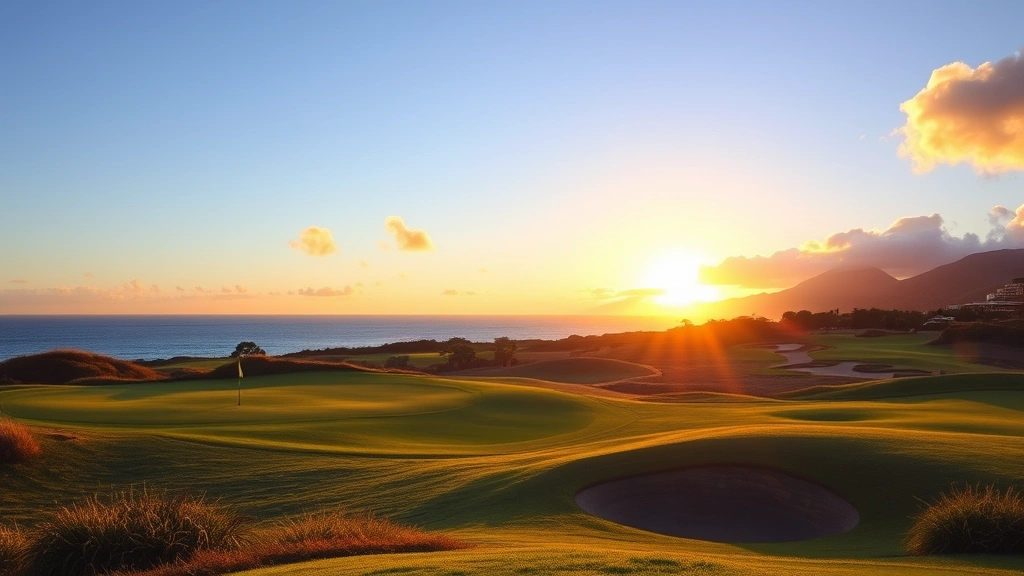
The resort offers various accommodation options ranging from modest rooms to luxury suites, with golf packages designed to provide excellent value. Most packages include accommodation, rounds of golf, cart fees, and access to practice facilities. The resort frequently offers promotional rates during shoulder seasons, making spring and fall excellent times to visit from both a value and playing conditions perspective.
Combination packages that allow golfers to play both courses over multiple days provide the best value and allow adequate time to learn each course’s unique characteristics. Many golfers find that playing each course twice—once to understand routing and strategy, then again to focus on scoring—provides the optimal learning experience. Three-day packages typically include two rounds per day, allowing for this kind of comprehensive exploration.
Golf-specific packages sometimes include instruction sessions, which can significantly improve visiting golfers’ performance. The PGA professionals at Kaanapali understand that many visitors have limited time and design instruction to address the specific challenges of Hawaiian golf. Even 30-minute sessions focusing on wind management or club selection frequently yield measurable improvements in scoring.
The resort’s location within the larger Kaanapali Resort area means golfers have access to additional amenities including restaurants, shops, and entertainment options. This full-resort experience distinguishes Kaanapali from standalone courses and makes it ideal for families where not all members are keen golfers. Non-golfing family members can enjoy beach activities, spa services, and dining while golfers enjoy championship courses.
Best Times to Play
The optimal season for Kaanapali golf runs from November through March, when temperatures are moderate and wind conditions are most favorable. Winter months offer the most consistent playing conditions and the most predictable wind patterns. However, winter also represents peak tourist season, meaning higher rates and busier courses.
Spring months (April-May) offer excellent value and improving playing conditions as the trade winds moderate slightly. The courses are typically less crowded than winter months, allowing for more relaxed rounds. Spring also brings occasional rainfall that can freshen the courses and improve conditioning. Many experienced golfers prefer spring visits because they balance value, conditions, and crowd levels effectively.
Summer months (June-September) present the most challenging wind conditions, with stronger and more consistent trade winds. However, this season also offers the lowest rates and the fewest crowds, making it attractive to budget-conscious golfers who don’t mind challenging conditions. Afternoon rounds become increasingly difficult as wind builds, but morning tee times can be excellent. The summer trade-off between difficulty and value appeals to experienced golfers seeking challenge and savings.
Fall months (September-November) represent a transition period with variable conditions but typically excellent value. The courses are less crowded than winter, and rates remain reasonable. While wind conditions can be unpredictable, fall often provides the best combination of value, accessibility, and playable conditions. This season appeals particularly to golfers who want to avoid peak tourist crowds while still enjoying reliable playing conditions.
FAQ
What is the average cost of playing Kaanapali Golf Course Resort?
Green fees vary seasonally from approximately $150-250 per round depending on season and tee time. Package rates that include accommodation typically offer better value than individual rounds. Early-morning tee times and afternoon rounds often feature reduced rates compared to prime morning slots. Booking directly through the resort or using package deals provides better pricing than walk-up rates.
How difficult are the Kaanapali courses for recreational golfers?
Both courses accommodate golfers of all skill levels through multiple tee boxes. The forward tees play significantly shorter and easier than championship tees, making the courses accessible to high-handicap golfers. Even recreational players can enjoy championship-level course conditions and stunning views. The key is selecting appropriate tee boxes and accepting that playing for enjoyment rather than score provides the best experience.
What should I pack for playing Kaanapali?
Essential items include sunscreen (critical in Hawaii’s intense sun), a wide-brimmed hat, sunglasses, and plenty of water. Wind-resistant clothing helps manage the trade winds, while layers allow adjustment as temperatures change throughout the day. Golf shoes with good traction are important for the elevation changes and volcanic rock areas. Consider bringing an extra towel because the course’s dramatic views tempt golfers to spend extra time observing the scenery.
Can I play both courses in one day?
Yes, back-to-back rounds are possible, though most golfers find this exhausting given the elevation changes and wind exposure. The resort can arrange consecutive tee times if desired, but most visitors prefer spacing rounds across multiple days. This approach allows time to process each course’s unique characteristics and maintain focus for quality golf.
How far in advance should I book Kaanapali?
Peak season (December-February) requires booking 2-3 months in advance to secure preferred tee times and accommodation. Shoulder seasons (March-April, October-November) typically need 4-6 weeks advance booking. Summer months can often be booked with 2-3 weeks notice. Last-minute availability sometimes opens as cancellations occur, making flexibility valuable for budget-conscious travelers.
Are there practice facilities available?
The resort features a full-service driving range with target greens at varying distances. Chipping and putting practice areas allow golfers to work on short-game skills before rounds. Practice facilities are included with green fees, and balls are complimentary for resort guests. Many golfers spend 30-45 minutes on the practice range before their rounds to adjust to wind conditions and warm up properly.
What courses are comparable to Kaanapali for planning future golf trips?
Golfers who enjoy Kaanapali often also appreciate courses with dramatic scenery and challenging conditions throughout Hawaii and the Pacific Northwest. The combination of championship conditioning, natural beauty, and strategic design appears at several other premier resorts. Golf travel planners can help identify courses that offer similar experiences in different locations, allowing golfers to build a comprehensive golf travel portfolio.
Is instruction available for visiting golfers?
PGA professionals offer group clinics, private lessons, and playing lessons tailored to visiting golfers’ needs and timeframes. Instruction focusing specifically on Hawaii golf—wind management, elevation changes, and course-specific strategies—proves particularly valuable. Many golfers book 30-minute sessions focused on their specific weaknesses rather than comprehensive instruction, maximizing value within their visit timeframe.
What is the dress code at Kaanapali?
The resort maintains a fairly relaxed dress code typical of Hawaiian courses: collared shirts are required, while t-shirts are generally acceptable. Metal spikes are prohibited to protect the course, with soft spikes or spikeless shoes required. Denim is typically not permitted, though many courses relax this requirement in practice. Checking current dress code policies when booking ensures you pack appropriately for your visit.


