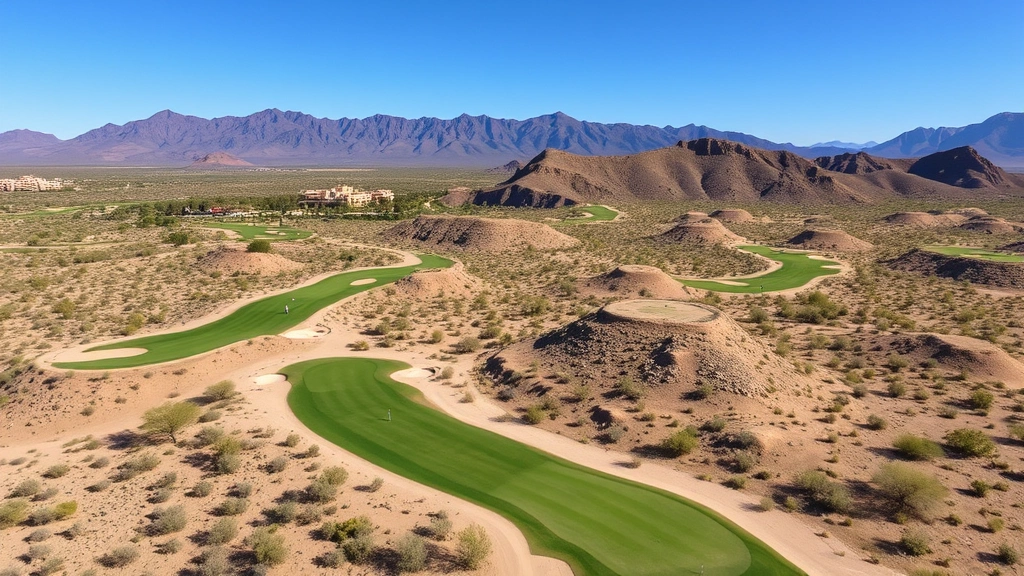
PGA West Pete Dye Mountain Course: Golf Expert Insights
PGA West in La Quinta, California, stands as one of America’s premier golf destinations, featuring multiple championship-caliber courses designed by legendary architects. Among its most acclaimed layouts is the Pete Dye-designed Mountain Course, a masterpiece that challenges golfers while showcasing the stunning desert landscape. This course has earned international recognition for its strategic design, pristine conditioning, and role in hosting professional tournaments. Whether you’re a competitive golfer seeking to test your skills or an enthusiast eager to understand championship course design, the PGA West Pete Dye Mountain Course offers invaluable lessons in golf architecture and playability.
Pete Dye’s design philosophy emphasizes strategic shot-making, natural hazards, and dramatic elevation changes. The Mountain Course exemplifies these principles through its thoughtful routing, which takes full advantage of the Coachella Valley terrain. From elevated tees to island greens, every hole presents a unique challenge that rewards precision and course management. Understanding what makes this course special requires exploring its design elements, playing characteristics, and the expertise behind its creation.

Pete Dye’s Design Philosophy and Career
Pete Dye revolutionized modern golf course design through his innovative approach to architecture and commitment to creating challenging, visually stunning layouts. Born in 1935, Dye began his career as a golfer before transitioning to design, bringing practical playing experience to his architectural work. His design philosophy centers on creating courses that test all aspects of a golfer’s game while maintaining playability across skill levels.
Dye’s signature elements include dramatic elevation changes, strategic bunkering, railroad ties as hazard markers, and courses that flow naturally with the landscape. He emphasizes shot value, where each stroke requires thoughtful decision-making rather than pure power. The Donald Ross Golf Courses tradition of strategic design influenced Dye’s approach, though he brought modern construction techniques and dramatic environmental integration to his work.
Throughout his career, Dye has designed over 100 courses worldwide, including several ranked among America’s best. His work at PGA West demonstrates his mastery of desert golf, creating a course that appears natural to the landscape while presenting sophisticated challenges. Dye’s influence on modern golf architecture cannot be overstated, as his designs have set standards for championship-level courses globally.
The Mountain Course represents Dye’s mature design philosophy, incorporating decades of experience and understanding of what professional and amateur golfers value in a championship layout. His attention to detail, from green contours to strategic fairway positioning, creates a course that reveals new challenges with each round.

Mountain Course Layout and Signature Holes
The PGA West Mountain Course stretches over 7,000 yards from the championship tees, offering a par 72 layout that demands precision and course management. The course routing takes golfers through diverse terrain, with holes ranging from short par threes to demanding par fives. Each nine holes presents distinct characteristics, with the front nine introducing players to the course’s strategic elements and the back nine escalating the challenge.
Several holes have become iconic within the golf community. The par-three holes showcase Dye’s ability to create beautiful yet demanding short par contests, with island greens and strategic bunkering forcing accurate club selection and execution. The par-four holes emphasize strategic routing, where fairway positioning determines approach shot difficulty. Par fives present opportunities for aggressive play while penalizing poor decisions, rewarding golfers who understand course management.
Elevation changes throughout the course create visual drama and shot-making challenges. Uphill approaches demand club selection adjustments, while downhill shots require careful distance assessment. The course’s conditioning maintains pristine fairways and lightning-fast greens, typical of championship-level facilities. Green complexes feature subtle contours that reward precise approach shots while punishing inaccuracy.
The routing reflects Dye’s understanding of pacing and variety, ensuring no two consecutive holes present identical challenges. Water hazards appear strategically rather than excessively, creating decision points without becoming gimmicky. The bunkering style follows Dye’s signature aesthetic, with clean edges and strategic placement that challenges without overwhelming.
Strategic Design Elements and Hazards
Pete Dye’s strategic approach to hazard placement transforms the Mountain Course into a masterclass in course design principles. Rather than randomly distributing bunkers, Dye positions them to create strategic choices and reward thoughtful shot-making. Fairway bunkers force golfers to make decisions about aggressive versus conservative play, with the risk-reward calculation changing based on skill level and course conditions.
Water hazards appear selectively, typically at critical junctures where they influence strategic decisions. Island greens create memorable par-three holes while maintaining playability through multiple tee positions. Dye’s philosophy ensures that hazards penalize poor shots rather than unfair luck, allowing skilled golfers to navigate challenges through intelligent play.
The rough presents another strategic element, with Dye’s design maintaining distinct separation between fairway and rough. This encourages accurate driving while ensuring that slightly offline shots don’t result in catastrophic penalties. The desert native vegetation adds authenticity to the landscape while defining hole boundaries naturally.
Green complexes feature strategic shaping that influences approach shot selection. Tiered greens reward accurate approach shots with more accessible pin positions, while missing the green in certain areas creates difficult recovery shots. The greens’ speed and contours demand precision, with professional-level conditioning maintaining consistent playing characteristics.
Tee box positioning demonstrates Dye’s understanding of course management. Multiple tees allow par 3 course near me players to find appropriate challenge levels, with championship tees creating professional difficulty while forward tees maintain accessibility. This design approach ensures the course challenges all skill levels without becoming unfairly difficult.
Comparing with Other Championship Courses
The PGA West Mountain Course represents modern championship design while maintaining connections to historical golf course architecture. When compared with golf courses St George and other regional facilities, the Mountain Course stands apart through its professional-caliber design and tournament hosting capabilities. The strategic sophistication rivals courses designed by other legendary architects, though Dye’s specific style creates a unique playing experience.
Pete Dye’s approach differs from traditional designers in his willingness to create dramatic visual statements while maintaining playability. Where some architects emphasize subtle, strategic elements, Dye combines strategic sophistication with visual drama. The Mountain Course demonstrates this balance perfectly, with elevated tees, island greens, and desert vistas creating memorable experiences while maintaining fair, strategic challenges.
The course’s design standards align with those of major championship venues, including the U.S. Open, PGA Championship, and other professional tournaments. The conditioning, routing, and strategic elements meet the expectations of the world’s best golfers. When discussing golf courses for sale and evaluating value, championship-caliber facilities like the Mountain Course command premium valuations due to their design prestige and tournament credentials.
Compared to courses designed in earlier eras, the Mountain Course benefits from modern construction techniques and agronomic understanding. Dye incorporated these advancements while maintaining the strategic principles that define great golf architecture. The result is a course that feels timeless despite its contemporary construction, appealing to golfers who appreciate both classical design principles and modern execution.
Tournament History and Professional Play
The PGA West Mountain Course has hosted numerous professional tournaments, establishing itself as a premier venue for competitive golf. Professional golfers consistently praise the course for its fair yet demanding design, strategic routing, and championship-level conditioning. Tournament play has revealed the course’s characteristics, with professional scores and player feedback providing insights into the design’s effectiveness.
The course has challenged the world’s best golfers, with tournament results demonstrating the difficulty and fairness of Dye’s design. Professional players appreciate courses that reward skill while maintaining playability, and the Mountain Course exemplifies these qualities. Tournament conditions typically feature firm fairways and fast greens, creating scoring challenges that separate exceptional performances from average play.
Professional feedback regarding the course consistently emphasizes the strategic nature of shot-making and the importance of course management. Players note that the course punishes poor decisions while rewarding intelligent play, the hallmark of great design. The variety of holes and challenges ensures that no single skill dominates, requiring well-rounded golf games from competitors.
The tournament history also includes international competitors, exposing the course to global scrutiny. International players consistently rank the Mountain Course among the world’s finest facilities, validating Dye’s design approach. The course’s reputation attracts top-tier tournaments and prestigious events, further establishing its standing within professional golf.
Playing Tips for Different Skill Levels
Understanding the PGA West Mountain Course’s strategic elements allows golfers of all skill levels to approach the challenge effectively. For beginning golfers, the forward tees provide appropriate yardage while maintaining the course’s fundamental strategic elements. These players should focus on accuracy over distance, recognizing that the course rewards placement more than power. Playing smart golf, avoiding unnecessary risks, and managing course conditions will significantly improve scoring.
Intermediate golfers should begin understanding the strategic elements that define championship courses. These players benefit from studying the fairway routing, identifying optimal approach angles, and recognizing how hazard placement influences strategy. Playing multiple rounds from different tee positions reveals how the course challenges various skill levels and how strategic decisions change based on playing ability and course conditions.
Advanced golfers and competitive players should appreciate the subtle strategic elements that define Dye’s design. These players benefit from understanding how the course separates skill levels, how minor shot variations influence outcomes, and how professional-level conditioning affects playing characteristics. Advanced players recognize that the course rewards precision in every aspect of shot-making, from tee selection through green reading.
All golfers should prepare for the desert environment, including temperature fluctuations, wind patterns, and course conditions specific to the Coachella Valley. Understanding how the desert environment affects ball flight, distance, and course conditions enhances the playing experience. Players should also recognize that the course’s difficulty varies seasonally and throughout the day, with morning conditions typically firmer and faster than afternoon play.
Course management principles apply universally regardless of skill level. Golfers should avoid unnecessary risks, play to their strengths, and make decisions based on honest assessment of their abilities. The course rewards this approach across all skill levels, allowing golfers to compete within their capabilities while enjoying the championship-level experience.
FAQ
Who designed the PGA West Mountain Course?
Pete Dye, one of golf’s most renowned architects, designed the PGA West Mountain Course. Dye’s design philosophy emphasizes strategic shot-making, dramatic elevation changes, and natural landscape integration. His work has established standards for championship-level golf courses worldwide, and the Mountain Course represents his mature design philosophy.
What makes Pete Dye’s design distinctive?
Dye’s designs feature strategic bunkering, dramatic elevation changes, railroad ties as hazard markers, and courses that flow naturally with the landscape. His emphasis on shot value and decision-making creates courses that test all aspects of the golf game. Dye’s work often includes island greens, elevated tees, and sophisticated green complexes that reward precision.
What is the course length and par?
The PGA West Mountain Course plays to approximately 7,000 yards from the championship tees with a par of 72. Multiple tee positions accommodate different skill levels, with forward tees providing shorter yardage while maintaining strategic elements.
How does the Mountain Course compare to other PGA West layouts?
PGA West features multiple courses, each designed by legendary architects. The Mountain Course represents Dye’s contribution and is often ranked among the facility’s most challenging and acclaimed layouts. The facility allows golfers to experience different design philosophies by playing multiple courses.
What tournaments has the course hosted?
The PGA West Mountain Course has hosted numerous professional tournaments, establishing itself as a premier championship venue. Professional players consistently praise the course for its fair yet demanding design and championship-level conditioning.
What are the best tips for playing the Mountain Course?
Success on the Mountain Course requires emphasizing accuracy over distance, understanding strategic routing, and managing course conditions. Golfers should play within their abilities, avoid unnecessary risks, and prepare for desert environmental factors. Multiple rounds from different tee positions reveal the course’s strategic depth.
How does elevation affect play on the Mountain Course?
Elevation changes throughout the course create visual drama and shot-making challenges. Uphill approaches demand club selection adjustments, while downhill shots require careful distance assessment. Understanding how elevation influences ball flight and distance improves scoring significantly.
What external resources provide golf course design information?
Several authoritative sources offer insights into golf course design and architecture. The American Society of Golf Course Architects provides professional standards and design information. The United States Golf Association offers resources about course design and championship standards. The PGA of America provides professional golf information. Golf Channel offers expert commentary on course design and professional play. Golf.com provides comprehensive course reviews and design analysis.


