
PGA West Pete Dye Mountain Course: A Comprehensive Design & Play Review
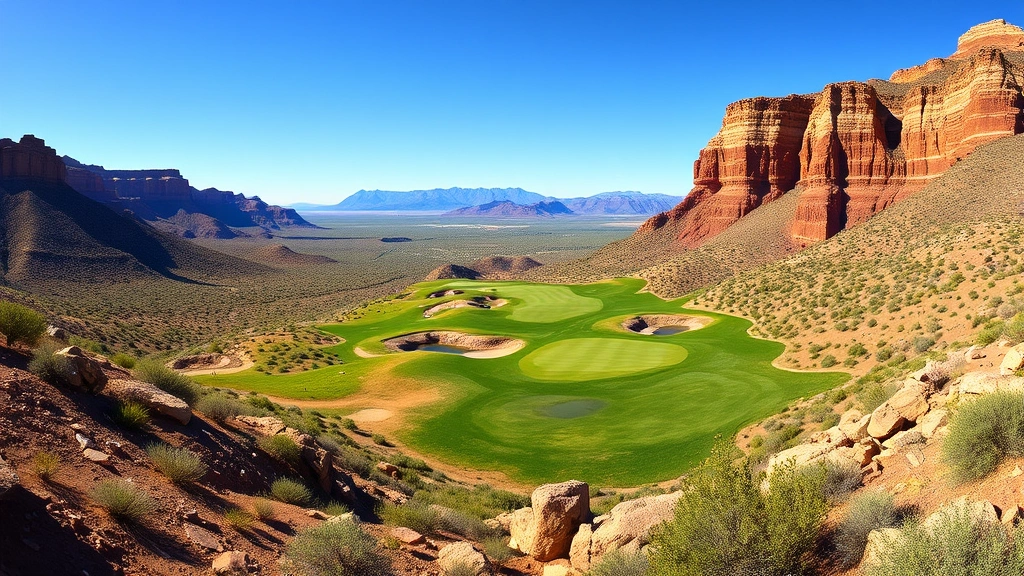
The Pete Dye Course at PGA West in La Quinta, California stands as one of the most challenging and visually stunning championship golf courses in the United States. Designed by legendary architect Pete Dye, this masterpiece opened in 1987 and has since become a bucket-list destination for serious golfers seeking an unforgettable experience. The course weaves through the rugged desert landscape of the Coachella Valley, presenting a dramatic contrast between manicured fairways and pristine natural terrain that defines modern desert golf course design.
What makes the Pete Dye Course particularly noteworthy is its uncompromising approach to difficulty and aesthetic beauty. Unlike many courses that soften their challenge for recreational players, Dye’s creation demands respect from every golfer who steps onto the first tee. The course has hosted numerous professional tournaments, including the PGA Tour’s Desert Classic, and continues to attract golfers from around the world who want to test themselves against one of championship golf’s most formidable layouts.
This comprehensive review explores the design philosophy, hole-by-hole characteristics, strategic elements, and practical insights that will help you prepare for and succeed at PGA West’s Pete Dye Mountain Course. Whether you’re planning a visit, studying course design principles, or pursuing golf course employment opportunities, understanding this iconic layout provides valuable knowledge about championship-level course architecture.
Pete Dye’s Design Philosophy and Vision
Pete Dye revolutionized golf course architecture by rejecting the notion that courses must be forgiving to be enjoyable. His design philosophy emphasizes strategic shot-making, dramatic visual presentation, and courses that challenge even the world’s best players. The Pete Dye Course at PGA West exemplifies this uncompromising approach, featuring bold bunkering, severe elevation changes, and minimal margin for error on nearly every hole.
Dye’s inspiration came from his extensive travels studying classic golf courses worldwide. He incorporated elements from traditional links courses, particularly the Scottish designs that feature natural hazards and dramatic terrain. However, rather than simply copying historical designs, Dye adapted these principles to the desert environment, creating something entirely original that respects the landscape while imposing significant strategic demands on players.
The course’s design reflects several core Dye principles: strategic bunkering that frames fairways and greens, elevation changes that create visual drama and affect club selection, green complexes with multiple tiers and subtle breaks, and forced carries over natural hazards that demand precision. Every element serves a purpose in creating a course that rewards thoughtful planning and penalizes careless execution.
For those interested in the business side of championship courses, understanding design philosophy is crucial for golf course superintendent jobs and maintenance leadership positions. Superintendents must comprehend architect intent to properly maintain course conditions that preserve the strategic challenges Dye envisioned.

Course Layout and Routing Strategy
The Pete Dye Course stretches to 7,261 yards from the championship tees, with a course rating of 76.4 and slope of 142, making it one of the most difficult courses in the country. The routing takes golfers on a journey through varied desert terrain, with the front nine playing through more open landscape while the back nine navigates tighter, more heavily bunkered sections.
The opening holes establish the course’s character immediately. Players begin with relatively straightforward holes that allow warm-up before encountering the course’s true challenges. This routing strategy, while common, serves an important purpose: it allows golfers to acclimate to the desert heat, adjust to the firm playing conditions, and find their rhythm before facing the most demanding stretches.
The course features dramatic elevation changes throughout, with some holes dropping 100 feet or more from tee to green. These elevation shifts aren’t merely cosmetic; they significantly impact club selection, shot shape, and mental approach. A downhill shot that appears drivable from the tee box may actually require a long iron due to the actual distance calculations. Conversely, uphill approaches demand club selection that accounts for the additional yardage required to reach elevated greens.
Water hazards, while less prominent than in Florida or Carolina courses, still play a strategic role on several holes. The Coachella Valley’s desert climate means water features are positioned precisely where they create maximum strategic impact without dominating the landscape. This selective water placement reflects Dye’s philosophy of using hazards purposefully rather than decoratively.
Understanding course routing and design is valuable for those pursuing golf courses hiring near me positions, as staff members at championship courses benefit from understanding design intent and how maintenance decisions affect playability and strategy.
Signature Holes and Strategic Challenges
The 17th hole stands as the Pete Dye Course’s most iconic and challenging par 4. This dramatic island-green hole requires a forced carry over desert to reach an elevated, heavily bunkered green complex. The hole has earned its reputation as one of the most difficult finishing holes in professional golf, with the green presenting an extremely small target surrounded by hazards. The psychological pressure of this hole, particularly in competitive situations, has produced countless dramatic moments throughout the course’s history.
The 16th hole presents another signature challenge: a par 3 that plays to an island green surrounded by water and bunkers. The hole’s difficulty stems partly from its exposed location and partly from the wind conditions that frequently affect shot selection. Club selection becomes critical here, as the green’s size provides minimal forgiveness for distance control errors.
The par 5 13th hole showcases Dye’s strategic brilliance through its bunkering strategy. Rather than simply placing hazards around the green, Dye positioned bunkers to penalize aggressive play while rewarding conservative positioning. Golfers must decide whether to challenge the bunkers for position or lay back, accepting longer approach shots in exchange for better angles and more favorable lies.
Throughout the course, green complexes feature multiple tiers and subtle breaks that demand careful reading and touch. The putting surfaces aren’t overly severe, but they require precision and understanding of how desert conditions affect green speed and ball roll. Morning rounds often feature faster greens than afternoon play as temperatures rise and moisture evaporates.
Desert Conditioning and Maintenance Excellence
Maintaining championship conditions in the desert environment presents unique challenges that differ significantly from courses in traditional golf regions. The Pete Dye Course’s conditioning excellence results from sophisticated irrigation systems, careful turf selection, and proactive maintenance strategies adapted to desert climate conditions.
The course utilizes bentgrass on greens and tees, selected for its ability to provide firm, fast putting surfaces even in desert heat. Fairways feature a blend of grasses selected for durability and drought resistance while maintaining the firm playing conditions that championship courses require. This turf selection reflects decades of research into desert golf course management and represents significant investment in understanding how different grass species perform in arid climates.
Irrigation scheduling at PGA West demands sophisticated technology and expertise. The course receives minimal natural rainfall, requiring artificial irrigation to maintain playable conditions. However, the irrigation strategy intentionally avoids over-watering, which would soften conditions and reduce the strategic demands that define the course. This balance between sustainability and playability represents one of the superintendent’s greatest challenges.
Bunker maintenance at the Pete Dye Course reflects the architect’s specific requirements for sand texture, firmness, and playability. Dye’s bunkers aren’t simply sand traps; they’re strategic hazards requiring specific physical characteristics. The sand must be firm enough to prevent balls from burying deeply, yet soft enough to allow skilled recovery shots. Maintaining these precise specifications demands constant attention and adjustment based on weather conditions, traffic, and seasonal changes.
Those interested in best golf courses in Wisconsin and other premier layouts will find that championship course maintenance represents a specialized field requiring significant expertise. The environmental, technical, and aesthetic demands of maintaining courses like PGA West’s Pete Dye Course create excellent career opportunities for skilled professionals.
Scoring Strategy and Shot Selection
Success at the Pete Dye Course requires fundamentally different strategy than recreational courses demand. The course’s difficulty necessitates accepting bogeys on certain holes while maximizing opportunities on more manageable stretches. This acceptance of imperfection represents a mental shift that many golfers must make to enjoy the experience rather than become frustrated by it.
Course management begins with accurate yardage assessment and understanding how the desert environment affects distance. The thin air at PGA West’s elevation results in slightly longer carry distances than sea-level courses, but this advantage often disappears when accounting for firm conditions and the ball’s reduced flight characteristics in hot weather. Conservative club selection frequently proves wiser than aggressive choices, as missing greens at the Pete Dye Course typically results in difficult recovery situations.
The firm fairways reward positional play over distance. Rather than attempting to maximize yardage off the tee, successful golfers position themselves for optimal approach angles and distances. This strategic emphasis on positioning rather than power reflects Dye’s philosophy and creates a course where intelligence and planning trump pure athletic ability.
Putting strategy at PGA West demands patience and reading accuracy. The greens’ subtle breaks often deceive players accustomed to more dramatic slopes. Taking time to understand green contours from multiple angles, noting how light affects surface texture visibility, and trusting your read prove more valuable than aggressive striking. Many of the course’s most difficult holes aren’t won or lost on the tee or fairway; they’re decided on the green through careful reading and execution.
Wind management becomes critical in the desert environment. The open terrain and elevation changes create complex wind patterns that shift throughout the day. Morning rounds typically feature calmer conditions, while afternoon heat generates stronger, more turbulent winds. Monitoring wind direction and intensity throughout your round, adjusting club selection accordingly, and accepting that certain shots will be more difficult in windy conditions all contribute to successful course management.
Membership and Access Information
PGA West operates as a private residential golf community, with the Pete Dye Course available to members and their guests. Daily green fees are not available; access requires membership, guest privileges through a member, or participation in specific tournaments and events that the facility hosts throughout the year.
Membership at PGA West includes various categories and price points, reflecting the diverse preferences of the golf community. Some memberships include access to multiple courses within the PGA West complex, while others focus on specific courses. The Pete Dye Course, being the most challenging and prestigious layout at the facility, typically commands premium membership status.
Tournament play represents another avenue for accessing the Pete Dye Course. PGA West regularly hosts professional and amateur tournaments, creating opportunities for qualified golfers to experience the course in competitive settings. These events range from major professional tournaments that attract international fields to regional amateur competitions.
The facility’s location in La Quinta, California makes it accessible from major metropolitan areas in Southern California. Proximity to Los Angeles, San Diego, and other population centers has contributed to the course’s prominence and accessibility for golfers seeking championship experiences.
For those exploring golf course employment opportunities in premium facilities, PGA West represents an ideal destination. The facility’s championship standards, professional management, and year-round operation create diverse career opportunities across maintenance, management, instruction, and hospitality sectors.
FAQ
What is the course rating and slope of the Pete Dye Course?
The Pete Dye Course at PGA West has a course rating of 76.4 with a slope rating of 142 from the championship tees, making it one of the most difficult courses in the United States. These ratings reflect the course’s extreme length, strategic bunkering, and unforgiving design philosophy.
When did the Pete Dye Course open?
The Pete Dye Course opened in 1987 and immediately established itself as a premier championship venue. The course has hosted numerous PGA Tour events and continues to be recognized among the world’s most challenging and well-designed layouts.
How many holes feature water hazards?
While water isn’t the dominant hazard at the Pete Dye Course compared to Florida or Carolina courses, several holes feature strategic water placement. The 16th and 17th holes are the most notable for their island-green designs with significant water hazards.
What is the best time of year to play the Pete Dye Course?
Winter months (November through March) provide the most comfortable playing conditions, with moderate temperatures and lower humidity. Summer play is possible but challenging due to extreme heat. Early morning tee times during hot months help players avoid peak temperature hours.
How difficult is the Pete Dye Course for average golfers?
The Pete Dye Course presents extreme difficulty for average golfers, with a slope rating indicating that golfers scoring 100 at a standard course should expect to score approximately 130 at this layout. This course is designed for skilled golfers and should be approached with realistic expectations and appreciation for the challenge rather than expectations of good scores.
What makes Pete Dye’s design philosophy unique?
Pete Dye rejected the notion that courses must be forgiving to be enjoyable. His designs emphasize strategic shot-making, dramatic presentation, and challenges that test even professional players. The Pete Dye Course exemplifies this uncompromising approach through bold bunkering, elevation changes, and minimal margin for error.
Can you visit the Pete Dye Course as a non-member?
Daily green fees are not available. Access requires membership, guest privileges through a member, or participation in tournaments hosted at PGA West. Contact the facility directly to inquire about tournament opportunities or membership information.


