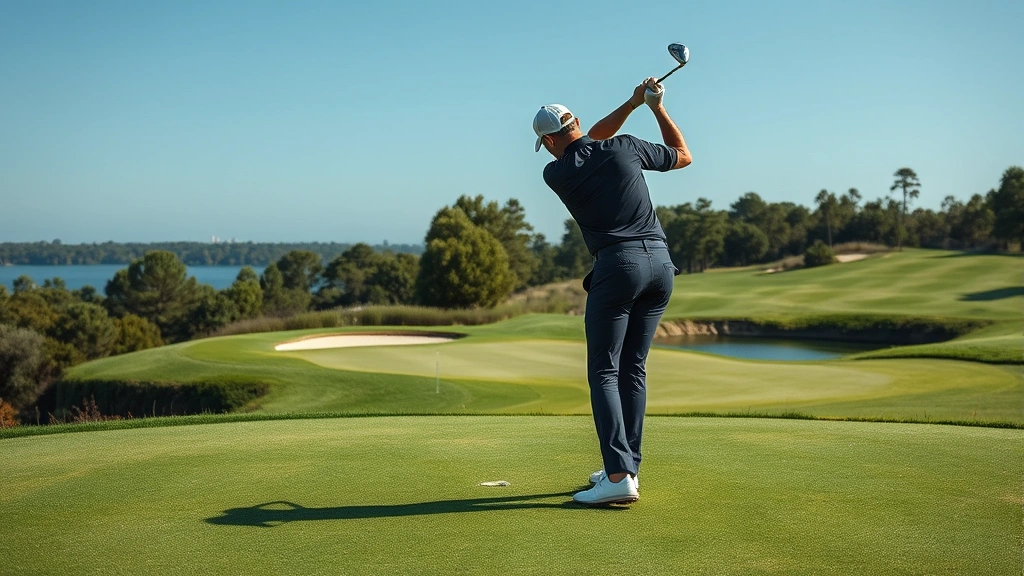
Improve Your Golf Skills at Sewells Point: Expert Tips and Course Insights
Sewells Point Golf Course stands as one of the most challenging and rewarding destinations for golfers looking to elevate their game. Located in Norfolk, Virginia, this prestigious course offers both scenic beauty and technical difficulty that demands skill development and strategic thinking. Whether you’re a beginner seeking to build fundamentals or an experienced golfer aiming to refine your technique, Sewells Point provides the perfect environment to enhance your abilities.
The course’s unique layout, featuring water hazards, elevated greens, and demanding fairways, creates opportunities for meaningful skill improvement. Many golfers who practice at Sewells Point report significant progress in their overall game, from driving accuracy to short-game finesse. Understanding how to navigate this course effectively requires knowledge of course management, proper technique, and mental preparation.
Understanding Sewells Point Golf Course Layout
Sewells Point Golf Course presents a distinctive challenge that separates it from many top golf courses in the US. The course design emphasizes precision and strategic decision-making at every hole. With multiple tee boxes available, players of varying skill levels can enjoy appropriate challenges while still developing their abilities.
The course features a par 72 layout spanning approximately 6,800 yards from the championship tees. Water comes into play on numerous holes, requiring golfers to understand risk-versus-reward scenarios. The elevated greens demand accurate approach shots, as miscalculations result in difficult recovery situations. Understanding these design elements helps golfers develop appropriate strategies for each hole.
Key layout characteristics include:
- Strategic water placement on 14 holes creating decision-making opportunities
- Elevated greens requiring precise distance control and trajectory management
- Narrow fairways demanding accuracy off the tee
- Challenging rough that penalizes wayward shots
- Bunker placement rewarding strategic club selection
- Prevailing wind patterns affecting shot selection and distance calculations
Walking the course before playing allows you to visualize shot patterns and identify optimal landing areas. Many golfers find that studying course design principles at other premium venues helps them understand what makes Sewells Point distinctive. The course management skills you develop here translate directly to improved performance at any venue.
Essential Driving Techniques for Success
The tee shot establishes the foundation for each hole at Sewells Point. Developing consistent, accurate driving technique provides the confidence needed to attack this demanding course. Many golfers struggle not because they lack power, but because they haven’t mastered the fundamental mechanics that produce reliable results.
Core driving fundamentals include:
- Grip Pressure: Maintain consistent grip pressure throughout the swing. Tension in your hands transmits to your arms and shoulders, disrupting the smooth motion necessary for accuracy. A lighter grip pressure promotes freedom of movement and better clubhead speed.
- Stance and Alignment: Position your feet shoulder-width apart with your body aligned parallel to your target line. Proper alignment prevents compensatory movements that introduce inconsistency. Use alignment aids on the practice range to build muscle memory.
- Backswing Plane: The club should move on a consistent plane during the backswing. Deviations from this plane force compensations during the downswing, reducing accuracy and distance. Video analysis helps identify plane issues that are difficult to feel during the swing.
- Transition and Tempo: The transition from backswing to downswing requires proper sequencing. Your lower body should initiate the downswing before your arms begin moving. Rushing this sequence causes the club to arrive at the ball from an incorrect angle.
- Follow-Through and Balance: A complete follow-through indicates that your swing maintained its integrity through impact. You should finish balanced on your front leg with your chest facing the target.
At Sewells Point, driving accuracy matters more than raw distance. The fairways, while not extremely narrow, demand respect. A drive that lands 20 yards shorter but in the fairway provides significantly better scoring opportunities than a longer drive in the rough. Practice hitting different clubs off the tee to develop versatility in your approach.
Wind conditions at Sewells Point require adaptive strategies. Learning to flight shots lower in strong headwinds and understanding how crosswinds affect your ball flight develops the course management skills necessary for consistent scoring. Spend time on the practice range experimenting with different wind conditions to build this capability.
Mastering Approach Shots and Iron Play
Once you’ve successfully navigated off the tee, your approach shot determines whether you’ll have birdie opportunities or be fighting for pars. Iron play represents where most golfers can make the most significant improvements in their scoring. Sewells Point’s elevated greens make accurate approach shots particularly valuable.
Iron play development focuses on:
- Distance Control: Knowing exactly how far each club travels under various conditions eliminates guesswork. Spend time at the practice range hitting multiple balls with each club, noting distances in calm conditions. Then observe how wind and elevation affect these distances. This knowledge transforms your course management capabilities.
- Trajectory Management: Different situations require different ball flights. Learning to hit shots that fly lower for better control in wind or higher to hold greens requires practice and experimentation. USGA golf instruction resources provide excellent guidance on trajectory modification techniques.
- Spin Control: Understanding how strike location on the clubface affects spin helps you predict shot outcomes. Shots struck from the center of the clubface spin differently than those struck higher or lower. Practice diligent contact and observe the results.
- Angle of Attack: A proper downward angle of attack into the ball produces solid contact and appropriate spin. Many amateur golfers try to scoop the ball upward, which produces inconsistent contact and reduced accuracy.
- Pre-shot Routine: Developing a consistent pre-shot routine for approach shots builds confidence and consistency. Your routine should include target selection, club choice confirmation, alignment verification, and mental preparation before executing the shot.
The elevated greens at Sewells Point require particular attention to approach shot strategy. Approaching from below the hole creates difficult putting situations, so aiming for the upper portions of greens when possible provides better scoring opportunities. This strategic thinking represents the difference between good golfers and great ones.
Short Game Strategies and Chipping Excellence
The short game—including chipping, pitching, and bunker play—determines whether you capitalize on your good approach shots and recover from imperfect ones. At Sewells Point, where precision is rewarded, developing exceptional short game skills provides significant scoring advantages. Studies in professional golf instruction consistently show that golfers who excel in the short game score lower scores regardless of their driving distance.
Chipping fundamentals for Sewells Point conditions:
- Chip Shot Selection: Different lies and distances require different club selections. A chip shot from light rough might call for a 7-iron, while the same distance from tight lie might require a pitching wedge. Practice develops the intuition necessary for proper club selection.
- Stance and Setup: Position your feet close together with more weight on your front leg than in a full swing. This promotes a descending strike and solid contact. Your hands should remain ahead of the ball at address and through impact.
- Pendulum Motion: Think of your chipping stroke as a pendulum—the length of your backswing should roughly equal the length of your follow-through. This produces consistent distance control. The motion should originate from your shoulders and arms, not your wrists.
- Target Selection: Identify your landing spot and visualize the ball rolling to the hole. This mental rehearsal activates the same neural pathways as actual execution, improving performance. Many golfers simply aim at the green without identifying a specific target.
- Practice Distances: Spend practice time developing proficiency at the specific distances you encounter most frequently at Sewells Point. If you consistently miss the green by 20 yards, this represents your most important practice focus.
Bunker play at Sewells Point requires confidence and proper technique. The course features strategically placed bunkers that penalize poor shot selection. Learning to escape bunkers consistently and position your ball near the hole represents a crucial skill. Practice bunker shots regularly to develop the feel necessary for this specialized stroke.

Mental Game and Course Management
Technical skill alone doesn’t guarantee low scores at challenging courses like Sewells Point. Your mental approach and course management decisions often determine your success more than raw ability. The best golfers combine solid fundamentals with strategic thinking and emotional control.
Mental game strategies for Sewells Point:
- Course Strategy: Before playing, study the scorecard and identify which holes offer scoring opportunities and which demand conservative play. Playing to your strengths rather than attempting heroic shots on every hole produces better results. Understanding your personal golf strengths and limitations informs better decision-making.
- Risk Assessment: At each hole, evaluate the risk-versus-reward of aggressive versus conservative play. A risky shot that saves one stroke if successful but costs two strokes if unsuccessful typically doesn’t represent good course management. Play percentages that favor your success.
- Emotional Resilience: Bad shots happen to every golfer. Your ability to accept poor results and maintain focus on the next shot separates consistent scorers from inconsistent ones. Developing mental toughness requires practice and intentional focus.
- Visualization: Before executing shots, visualize the desired outcome. See the ball traveling the intended path, landing in your target area, and producing the result you desire. This mental rehearsal improves execution and builds confidence.
- Breathing and Tempo: Maintaining consistent breathing and swing tempo under pressure helps prevent the tension that disrupts your swing. Deliberately slowing your breathing during stressful situations calms your nervous system and promotes better decision-making.
Many golfers who play challenging courses that demand strategic thinking report significant improvements in their overall game. The mental skills you develop at Sewells Point transfer directly to improved performance everywhere you play.
Practice Routines for Consistent Improvement
Improvement requires structured practice focused on your specific weaknesses. Aimless practice produces minimal improvement, while deliberate practice targeting specific deficiencies creates measurable progress. Understanding how to practice effectively accelerates your development at Sewells Point.
Effective practice structure:
- Assessment: Identify your specific weaknesses through honest self-evaluation or professional analysis. Video your swing or work with a teaching professional to pinpoint technical issues. Many golfers practice their strengths rather than addressing weaknesses, limiting their improvement.
- Focused Drills: Design practice sessions targeting your identified weaknesses. If you struggle with consistency off the tee, dedicate substantial practice time to driving fundamentals. If your short game needs work, spend 50% of practice time on shots within 100 yards.
- Measurable Goals: Establish specific, measurable practice goals. Rather than “improve my chipping,” set a goal like “make 8 of 10 chip shots from 15 feet.” Measurable goals provide clear feedback on your progress and maintain motivation.
- Simulation Practice: Practice situations you encounter at Sewells Point. If the course features numerous elevated greens, practice approach shots to elevated targets. If water hazards create anxiety, practice shots over water barriers.
- Pressure Practice: Add pressure to practice situations by competing against yourself or imaginary opponents. This simulates the mental challenges you face during actual play and develops the ability to execute under pressure.
- Regular Assessment: Periodically assess your progress toward your goals. Adjust your practice focus based on results. If you’ve achieved your target goal, establish new goals that push your development forward.
Schedule regular rounds at Sewells Point to apply your practice improvements in actual play. Tracking your scores over time provides objective feedback on whether your practice is producing results. Many golfers find that tracking specific statistics—greens in regulation, fairways hit, putts per round—reveals which areas need additional focus.
Consider working with a teaching professional familiar with Sewells Point’s unique characteristics. An instructor can identify technical issues you might miss and provide specific exercises to address them. Professional instruction accelerates improvement dramatically compared to self-directed practice.
FAQ
What is the best time of year to practice at Sewells Point?
Spring and fall offer ideal conditions for practice at Sewells Point, with moderate temperatures and consistent playing conditions. Summer heat can affect ball flight and player endurance, while winter weather creates variable conditions that complicate consistent practice.
How often should I play Sewells Point to improve?
Playing at least once monthly allows you to apply practice improvements and track your progress. More frequent play accelerates improvement, though quality practice between rounds matters more than playing frequency.
What handicap level is Sewells Point appropriate for?
Sewells Point accommodates golfers of various skill levels through multiple tee boxes. Beginner golfers might play from forward tees, while experienced golfers challenge themselves from championship tees. The course provides appropriate difficulty for most skill levels.
Should I take lessons specific to Sewells Point?
While general golf instruction applies everywhere, working with an instructor familiar with Sewells Point’s specific challenges—water hazards, elevated greens, wind patterns—can accelerate improvement. Course-specific instruction helps you develop strategies tailored to this venue.
How can I manage anxiety on challenging holes at Sewells Point?
Practice breathing exercises, develop a consistent pre-shot routine, and remind yourself of your capabilities. Play practice rounds where you focus on process rather than score, building confidence in your abilities.
What equipment changes might help at Sewells Point?
While equipment matters less than technique, consider whether your current clubs suit your swing. Getting properly fitted clubs ensures your equipment works with your swing rather than against it. This proves particularly valuable on demanding courses.


