Mastering a Three Course Meal: Chef Insights and Techniques
Learning to prepare a three course meal represents one of the most valuable skills in culinary education. This classic format—appetizer, main course, and dessert—teaches fundamental cooking principles, timing management, and presentation standards that professional chefs use daily. Whether you’re pursuing formal culinary training or developing home cooking expertise, understanding how to execute a complete three course meal elevates your kitchen confidence and impresses guests with refined dining experiences.
The three course meal structure has been the cornerstone of formal dining for centuries, and mastering it requires knowledge that extends far beyond individual recipes. You’ll learn about flavor progression, temperature control, ingredient selection, and the critical skill of synchronizing multiple dishes so everything arrives at the table perfectly timed. This comprehensive guide breaks down the essential insights that professional chefs use when planning, preparing, and executing three course meals with precision and elegance.
Understanding the Three Course Structure
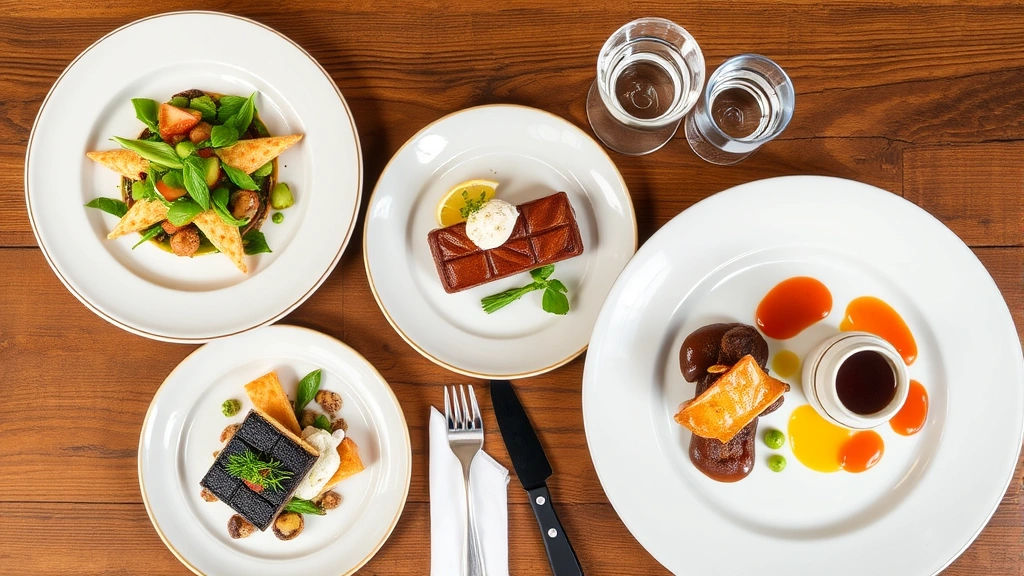
A traditional three course meal follows a specific progression designed to guide diners through a culinary journey. The appetizer serves as an introduction, stimulating the palate and building anticipation. The main course represents the centerpiece of the meal, showcasing your primary protein and complementary sides. Dessert provides a satisfying conclusion, often with lighter, sweeter flavors that leave a memorable final impression.
Professional chefs understand that each course serves distinct purposes beyond mere sustenance. The appetizer typically contains smaller portions—usually 2-4 ounces—and introduces flavor profiles that complement the overall menu theme. According to The Culinary Institute of America, proper course progression considers flavor intensity, richness, and temperature variations to maintain guest engagement throughout the meal.
The main course, traditionally the largest and most substantial element, allows you to demonstrate technical skill and ingredient quality. This is where proteins like beef, fish, poultry, or vegetarian alternatives shine, supported by carefully selected sides that enhance rather than compete. The dessert course concludes the experience with sweetness and often lighter textures, though it should feel like a natural conclusion rather than an afterthought.
Planning and Preparation Strategies
Successful three course meal execution begins long before you start cooking. Professional chefs emphasize the importance of mise en place—the French culinary principle of having everything prepared and in its place. This foundational technique prevents last-minute scrambling and ensures smooth execution.
When planning your menu, consider these critical factors:
- Seasonal ingredients: Choose produce and proteins at peak freshness for superior flavor and cost efficiency
- Flavor balance: Ensure each course offers distinct flavors that don’t repeat or overshadow one another
- Cooking methods: Vary techniques across courses—avoid using the oven exclusively or relying heavily on one cooking method
- Dietary restrictions: Plan alternatives for common allergies and preferences without compromising your menu vision
- Equipment needs: Assess your kitchen capabilities and plan dishes that work within your available tools
Many chefs recommend creating a detailed timeline working backward from your desired service time. If dinner should be served at 7 PM, you’ll note when each dish must begin cooking, when components need preparation, and when your guests should arrive. This backward planning prevents the common mistake of having courses ready at the wrong times.
Consider exploring Course Connect resources for structured learning about meal planning principles that professional kitchens use daily.
Appetizer Selection and Execution
The appetizer sets the tone for your entire meal, making its selection and execution critically important. Professional chefs often choose appetizers that can be partially or entirely prepared in advance, freeing up kitchen space and mental bandwidth for the main course.
Excellent appetizer options include:
- Cold preparations: Cured meats, seafood tartare, cheese courses, and composed salads that require no last-minute cooking
- Warm amuse-bouches: Small soup shots, canapés, or bite-sized items that showcase technique without requiring significant plating space
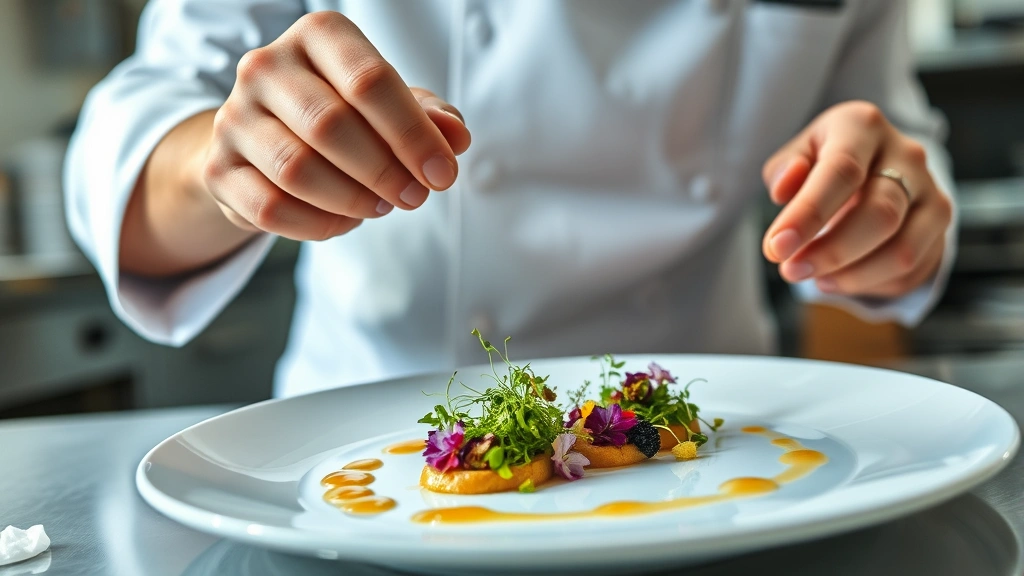
- Composed plates: Visually striking arrangements combining proteins, vegetables, and sauces in intentional compositions
- Interactive elements: Dishes that engage diners—think bruschetta toppings or DIY components that add theater to the dining experience
When executing appetizers, remember that portion size should stimulate appetite rather than satisfy it. A properly sized appetizer leaves guests eager for the main course rather than already feeling full. Temperature contrast also matters—if your main course is hot, consider a cold or room-temperature appetizer to provide variety.
The presentation of your appetizer teaches guests what to expect. If you plate with precision and attention to detail, diners anticipate an equally refined main course. If your appetizer presentation feels casual or rushed, guests may form negative expectations about the entire meal.
” alt=”Chef plating an elegant appetizer with microgreens and sauce on a white plate in professional kitchen” />
Main Course Mastery
The main course demands the most technical skill and attention from home cooks and professional chefs alike. This is where protein cookery, sauce creation, and side dish coordination converge into a cohesive dish.
Professional chefs structure main courses around several key principles:
- Protein as the focus: Your chosen protein should be the star, prepared to optimal doneness with proper seasoning and technique
- Complementary components: Sides should enhance the protein without overwhelming it—think of them as supporting actors rather than co-stars
- Sauce strategy: Whether you choose a classic jus, beurre blanc, or reduction, sauces should add moisture and flavor complexity
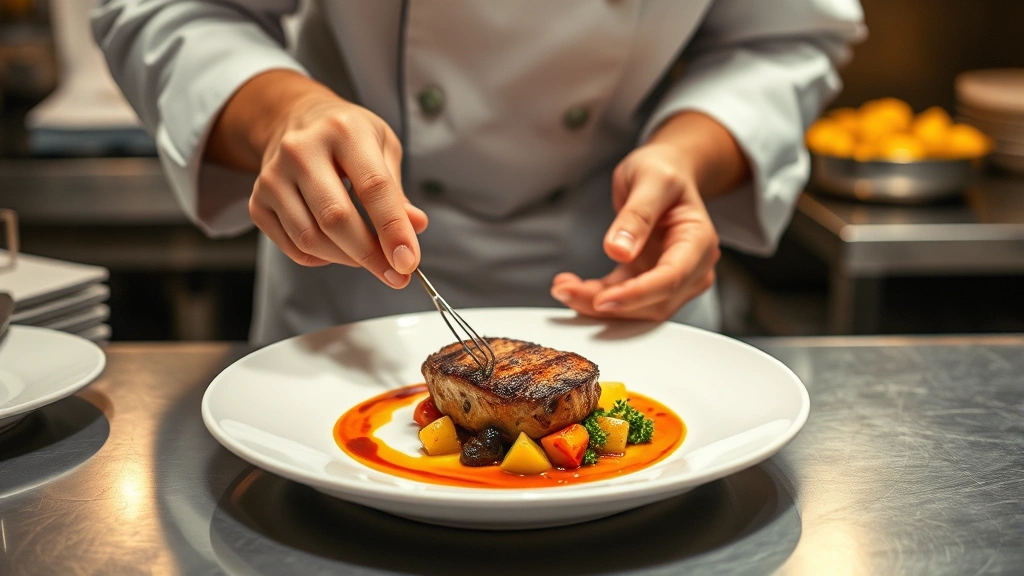
- Visual balance: Arrange components on the plate to create height, color variation, and visual interest
Protein cookery represents where most home cooks struggle. Achieving consistent doneness requires understanding internal temperatures, resting periods, and the carryover cooking that continues after you remove food from heat. Serious Eats culinary research provides evidence-based guidance on protein temperatures and resting techniques that ensure perfect results.
Consider the timing implications of your chosen protein. A thick-cut steak requires different timing than fish fillets or chicken breasts. Duck and pork benefit from resting periods that allow carryover cooking to complete the cooking process. Understanding these nuances prevents overcooking and ensures every guest receives perfectly cooked protein.
Side dishes should be prepared with equal care. Vegetables shouldn’t be mushy afterthoughts but rather carefully cooked components that maintain texture and flavor. Starches—whether potatoes, grains, or bread—should be seasoned properly and served at appropriate temperatures. Many chefs prepare sides in advance and finish them just before plating, maintaining quality while managing timing.
Dessert Design and Timing
Dessert concludes your culinary presentation, making its execution and timing equally important as earlier courses. Professional pastry chefs emphasize that desserts require different skill sets than savory cooking, often involving precise measurements and specific techniques.
Effective desserts for three course meals typically fall into these categories:
- Make-ahead desserts: Mousses, terrines, and frozen preparations completed hours or days in advance
- Partially prepared desserts: Components made ahead with final assembly during service (cake layers with fresh whipped cream, for example)
- Simple preparations: Elegant fruit compositions, panna cotta, or chocolate-based dishes that require minimal last-minute work
- Warm desserts: Soufflés, warm chocolate cakes, or fruit crisps that showcase your baking skills
Timing dessert service requires strategic planning. If you choose a warm dessert requiring oven time, you’ll need to account for this in your overall timeline, especially if your main course also uses the oven. Many experienced cooks recommend selecting at least one make-ahead component so you’re not juggling multiple cooking tasks simultaneously.
Dessert plating should reflect the elegance of your earlier courses. Even simple desserts become sophisticated through thoughtful presentation—a properly placed sauce, strategic garnish, or elegant plate choice elevates the final course significantly. Remember that guests’ final taste memory influences their overall meal perception, making dessert execution disproportionately important.
Professional Timing Techniques
The difference between amateur and professional three course meal execution often comes down to timing management. Professional chefs use specific strategies to coordinate multiple dishes:
The reverse timeline method: Work backward from your service time, noting exactly when each component must start cooking. For a 7 PM dinner, your timeline might look like:
- 6:50 PM – Plate appetizers and serve
- 7:15 PM – Begin plating main course components
- 7:20 PM – Serve main course
- 8:05 PM – Plate and serve dessert
This backward planning ensures everything finishes at appropriate intervals without guests waiting excessively between courses.
Component staging: Organize your workspace so appetizer components are in one area, main course components in another, and dessert elements in a third. This prevents cross-contamination and allows you to focus on one course at a time during service.
Temperature management: Understand which components need to be hot, which should be cold, and which work at room temperature. Warming plates in the oven, chilling bowls for cold appetizers, and properly resting hot components all contribute to optimal service temperatures.
Professional kitchens use communication systems and timing bells to coordinate staff. In home settings, you might use timers for each course, written notes about when to begin each step, or even a simple checklist system. The key is creating a system that works for your space and skill level.
” alt=”Professional chef garnishing plated main course with microgreens and sauce in fine dining kitchen” />
Presentation and Plating Excellence
Culinary professionals understand that we eat with our eyes first. Presentation transforms technically correct food into memorable dining experiences. According to International Culinary Schools, plating and presentation skills significantly impact perceived flavor and overall meal satisfaction.
Key plating principles include:
- Odd-numbered components: Arrange three or five elements rather than even numbers—this creates visual interest and feels more intentional
- Height variation: Use different heights and angles to create dynamic plates rather than flat, one-dimensional presentations
- Color contrast: Ensure your plate contains color variety—avoid monochromatic presentations that lack visual appeal
- Negative space: Leave portions of the plate empty; overcrowding diminishes elegance
- Sauce application: Use sauces strategically—they should enhance presentation while adding flavor and moisture
- Garnish purpose: Every garnish should be edible and contribute to the dish; avoid purely decorative elements that don’t belong on the plate
Consider investing in quality plating tools—offset spatulas, squeeze bottles for sauces, and tweezers for precise garnish placement. These simple tools dramatically improve your ability to execute professional-looking presentations. The New York Society of Sommeliers offers resources on wine and food pairing that complement your plating knowledge.
Practice your plating before service. If you’re preparing a three course meal for guests, plate one component at a time during your preparation phase. This ensures you understand your plating strategy and can execute it confidently during service rather than improvising when guests are waiting.
FAQ
What’s the ideal time between courses?
Professional restaurants typically allow 15-20 minutes between courses for casual dining and 20-30 minutes for formal affairs. This timing allows guests to finish eating, provides a natural pause in conversation, and gives kitchen staff time to prepare the next course. At home, adjust based on your cooking pace and guest preferences.
Can I prepare three course meals entirely in advance?
You can prepare most components ahead, but some elements—like sauces, proteins, and certain vegetables—benefit from last-minute preparation. Plan to have 80% of your work completed before guests arrive, finishing the remaining 20% during service to ensure optimal quality.
How do I coordinate timing for multiple dishes?
Use a reverse timeline working backward from your service time. Note when each component must begin cooking, account for resting and finishing times, and build in buffer time for unexpected delays. Written timelines and multiple timers prevent common coordination mistakes.
What if my courses aren’t ready simultaneously?
This is normal and acceptable. Many fine dining restaurants serve courses with intentional pauses between them. It’s better to serve each course when it’s perfect than to rush execution to meet arbitrary timing. Brief pauses between courses actually enhance the dining experience.
Should dessert always be sweet?
While traditional desserts are sweet, some chefs conclude meals with savory elements or palate cleansers. Sorbets, cheese courses, or bitter chocolate preparations can work as final courses depending on your menu theme and guest preferences. Consider your overall flavor progression when deciding.
How do restaurant chefs manage three course meals for multiple guests?
Professional kitchens use systematic approaches: mise en place preparation, clearly written orders, communication systems, and practiced timing. They also benefit from specialized equipment and multiple staff members. Home cooks can adapt these principles by preparing thoroughly, using clear timelines, and enlisting help from willing guests or family members.


