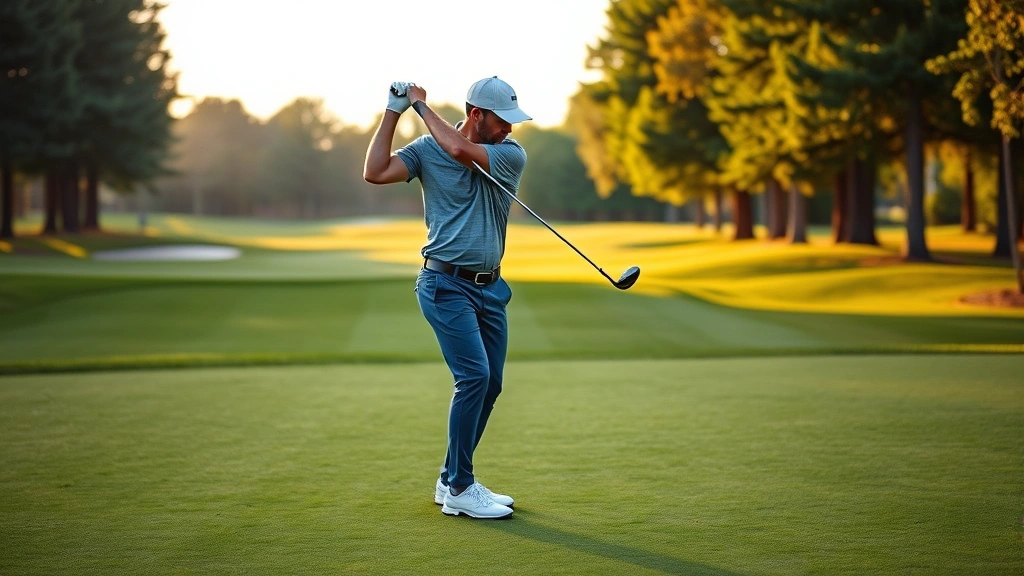
Improve Your Golf Game at Castle Hills: Pro Tips for Every Golfer
Castle Hills Golf Course stands as one of the premier destinations for golfers seeking to elevate their game while enjoying championship-caliber conditions. Whether you’re a seasoned player or someone just beginning to explore the sport, Castle Hills offers the perfect environment to develop your skills, challenge yourself, and experience the true essence of competitive golf. The course’s strategic layout, pristine fairways, and thoughtfully designed hazards create an ideal setting for learning and improvement.
Improving your golf game requires more than just showing up and playing rounds. It demands a structured approach to practice, understanding of fundamental techniques, and commitment to continuous refinement. At Castle Hills, you’ll find not only excellent facilities but also opportunities to implement proven strategies that have helped countless golfers lower their scores and increase their enjoyment of the sport. This comprehensive guide will walk you through professional tips and techniques specifically tailored to help you maximize your potential at this exceptional venue.
Master the Fundamentals of Your Grip and Stance
The foundation of every successful golf shot begins with proper grip and stance. These fundamental elements determine your ability to control the club face, generate power, and maintain consistency throughout your swing. Many golfers overlook these basics, yet they represent the single most important factor in shot accuracy and distance control. At Castle Hills, where precision is rewarded and mistakes are punished, mastering these fundamentals becomes even more critical.
Your grip should be firm but not tense, with your hands working together as a unified system. The most common grip used by professional golfers is the overlapping grip, where the pinky finger of your trailing hand overlaps the index finger of your lead hand. This creates a secure connection that allows for better club control and consistent ball striking. When gripping the club, position it primarily in your fingers rather than your palm, which provides greater flexibility and control throughout the swing.
Your stance width should be approximately shoulder-width apart, with your feet positioned parallel to your target line. This balanced position provides stability throughout the swing while allowing for proper weight transfer. The angle of your feet—whether open, closed, or square—can significantly impact your swing path and shot shape. At Castle Hills, where various holes demand different shot trajectories, understanding how to adjust your stance for different shot requirements becomes invaluable. Consider comparing your technique with resources like the Carolina National Golf Course North Carolina guides, which discuss fundamentals in regional context.
Your posture during address should reflect athletic readiness. Bend slightly at the hips and knees, maintaining a straight spine angle that allows for proper rotation during the backswing. This athletic position enables you to generate power efficiently while maintaining balance. Beginners often stand too upright or bend too much at the waist, both of which compromise swing mechanics and consistency.
Develop a Consistent Pre-Shot Routine
Professional golfers understand that consistency in performance stems from consistency in preparation. A pre-shot routine establishes a mental and physical framework that prepares you for optimal performance on every single shot. This routine should take approximately the same amount of time for every shot and should include specific steps that calm your mind and prepare your body for execution.
Begin your pre-shot routine well behind the ball, where you assess wind direction, elevation changes, and hazard placement. At Castle Hills, understanding how wind affects different areas of the course becomes essential. Next, visualize the shot you want to hit—see the ball’s trajectory, its landing spot, and its final resting position. This mental imagery activates neural pathways that improve shot execution. Research from the American Psychological Association demonstrates that visualization significantly enhances athletic performance across sports.
Select your target line and club with confidence. Indecision leads to poor execution and inconsistent results. Once you’ve committed to a shot, step into your stance and align your feet, hips, and shoulders to your target. Take one or two practice swings that mirror the swing you intend to make. These practice swings should feel natural and grooved, preparing your muscles for the actual shot.
Finally, take a deep breath, focus on your target, and execute the swing without hesitation. This commitment to your pre-shot routine creates a psychological anchor that improves consistency and reduces anxiety during play. When comparing different courses, such as the Sedona Golf Courses with their unique challenges, golfers who maintain consistent routines adapt more successfully.
Short Game Excellence: Chipping and Pitching
Statistics consistently show that the short game—defined as shots within 100 yards of the green—accounts for approximately 60% of your total score. Yet many golfers spend disproportionate time on the driving range working on their full swing rather than dedicating practice to these crucial shots. At Castle Hills, developing exceptional short game skills will dramatically lower your scores and increase your confidence around the greens.
Chipping involves shots from just off the green to approximately 40 yards away, where you want the ball rolling more than flying. The key to effective chipping is selecting the appropriate club for each situation. A 7-iron produces more roll than a wedge, making it ideal for longer chip shots. Conversely, a lob wedge produces more height and less roll, perfect for shots over bunkers or when you need to stop the ball quickly on the green.
Your chipping technique should emphasize simplicity and consistency. Use a narrow stance with about 60% of your weight on your front foot. Keep your hands ahead of the ball at address and maintain this hands-forward position throughout the stroke. The motion should be pendulum-like, with your arms and club moving as one unit while your wrists remain relatively firm. This technique produces solid contact and predictable distance control.
Pitching involves shots from 40 to 100 yards where you need more height and distance control. Your stance widens slightly for pitch shots, and your hands remain ahead of the ball but not as dramatically as with chips. The swing becomes more complete, incorporating some wrist hinge and body rotation. The key difference from full swings is controlling the length of your backswing to regulate distance. A three-quarter backswing produces approximately 75% of your full swing distance, while a half swing produces roughly 50% of full distance.
Practice these shots extensively at Castle Hills. Spend at least 30% of your practice time on short game work, developing proficiency from various distances and lies. This investment in short game excellence will yield immediate scoring improvements.

Putting Techniques for Lower Scores
Putting represents the most critical component of scoring in golf. A player who putts well can compensate for mediocre long game play, while excellent iron play cannot compensate for poor putting. At Castle Hills, where greens are well-maintained and challenging, developing a reliable putting stroke becomes essential for competitive success.
Your putting grip differs slightly from your full swing grip. Many golfers use a reverse overlap grip, where the index finger of the lead hand overlaps the pinky finger of the trailing hand. This configuration promotes unity between your hands and encourages a smooth, controlled stroke. Your grip pressure should be light, allowing your shoulders and arms to swing freely without tension.
Your putting stance should be comfortable and repeatable. Most golfers adopt a shoulder-width stance with their eyes directly over the ball. This position allows you to see your target line clearly and promotes an accurate stroke path. Your weight should be balanced, with approximately equal distribution between both feet.
The putting stroke itself should be a pendulum motion controlled by your shoulders and arms, with minimal wrist movement. Your shoulders rock back and through, with your arms following naturally. This motion promotes consistency and distance control. The length of your backswing should match the length of your follow-through, creating balance in your stroke mechanics.
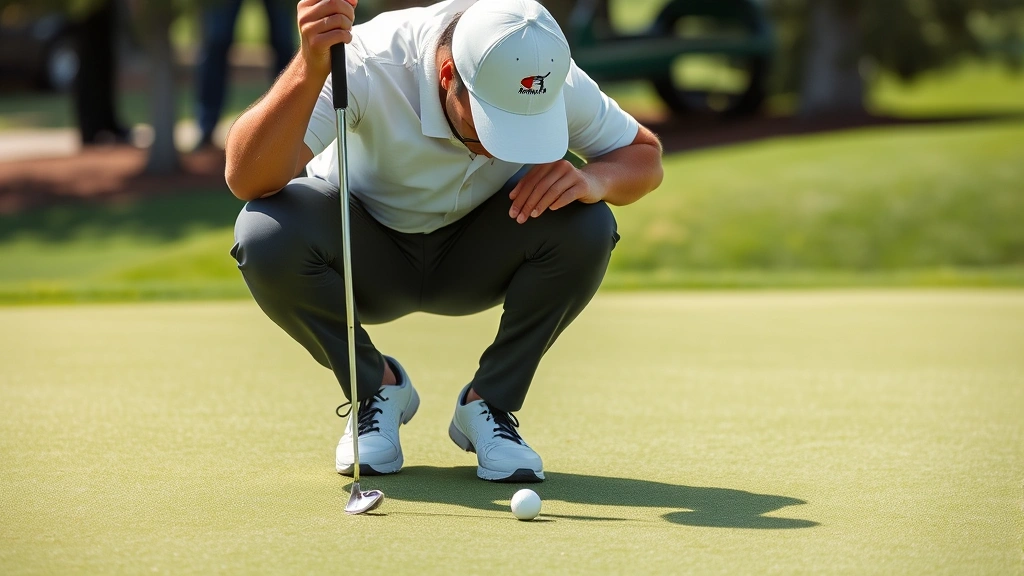
Reading greens at Castle Hills requires careful attention to slope, grain direction, and speed. Walk around your putt from multiple angles, noting how the terrain slopes and how the grass grain might affect ball roll. Slower greens require more aggressive lines, while faster greens demand more conservative reads. Spend time on the practice green developing your speed control, which represents the most important putting skill for lower scores.
Course Management and Strategic Play
Excellent golf is not simply about executing perfect shots—it’s about making intelligent decisions that minimize risk and maximize scoring opportunities. Course management involves understanding your strengths and limitations, assessing risk-reward scenarios, and playing to your advantages throughout the round. This strategic approach becomes particularly important at Castle Hills, where the course design challenges decision-making.
Before playing Castle Hills, study the scorecard and understand each hole’s layout, handicap rating, and strategic considerations. Identify which holes suit your game and where you should focus on steady play rather than aggressive scoring. Most courses include a mix of easier and more difficult holes; knowing how to capitalize on the easier holes while limiting damage on difficult ones significantly impacts your score.
On each hole, assess the risk-reward proposition of various shot options. Sometimes the most aggressive route to the green carries excessive risk. A more conservative approach that lands you in a position for a makeable short game shot may yield better scoring over time. Professional golfers often play to avoid big numbers rather than seeking exceptional ones. This defensive mindset produces lower scores than aggressive play that frequently results in penalties and high scores.
Understand your distances with each club, including carry distance and total distance with roll. This knowledge allows you to select clubs confidently and avoid the common mistake of club selection based on desire rather than realistic capability. At Castle Hills, where accuracy matters as much as distance, playing within your capabilities often produces superior results to overextending yourself.
When comparing course strategies, exploring guides like Cape Cod Golf Courses can provide insights into how different course designs reward strategic thinking. Similarly, Golf Courses St George articles discuss how desert courses demand different strategic approaches than traditional layouts.
Mental Game and Competitive Psychology
Golf is as much a mental game as a physical one. Your mindset, emotional control, and ability to manage pressure directly impact your performance. At Castle Hills, where challenging conditions and competitive play create mental pressure, developing psychological resilience becomes crucial for success.
Embrace the concept of process goals rather than outcome goals. Instead of focusing on shooting a specific score, focus on executing your pre-shot routine, maintaining your tempo, and playing one shot at a time. This process-oriented approach reduces anxiety and improves performance. Research from the Journal of Applied Sport Psychology confirms that process-focused approaches enhance athletic performance more effectively than outcome-focused thinking.
Accept that golf includes unavoidable bad shots and unfortunate bounces. Your response to these inevitable challenges determines your success. Develop a short-term memory for poor shots, allowing you to move forward mentally rather than dwelling on mistakes. The best golfers maintain emotional equilibrium throughout their rounds, neither becoming overconfident after good shots nor discouraged after poor ones.
Practice stress management techniques including controlled breathing, positive self-talk, and visualization. When facing pressure situations, slow your breathing to calm your nervous system. Use positive affirmations to build confidence and redirect negative thoughts toward constructive focus. These psychological tools, when practiced regularly, become automatic during competitive play.
Practice Drills Specific to Castle Hills Conditions
Effective practice at Castle Hills should include drills that prepare you for the specific challenges you’ll face during rounds. Rather than simply hitting balls randomly, structured practice with clear objectives accelerates improvement and builds confidence in pressure situations.
Distance Control Drill: Hit 10 balls each with your 6-iron, 7-iron, and 8-iron, aiming for 150, 140, and 130 yards respectively. This drill develops the ability to hit specific distances, crucial for approach shots into greens. Record your distances and note patterns in your striking.
Short Game Ladder Drill: Place targets at 20, 30, 40, and 50 yards from your position. Hit three balls to each target, moving to the next distance only after successful execution. This drill builds confidence in short game distances and develops rhythm and consistency.
Pressure Putting Drill: Place 10 golf balls at 3-foot range and make consecutive putts. If you miss any putt, return to the beginning. This drill simulates the pressure of making important putts and builds mental toughness. Repeat with 5-foot putts once you master the 3-foot distance.
Course Simulation Practice: Play practice rounds where you track your score and play by the rules as strictly as tournament play. This approach builds the mental discipline and focus required for competitive rounds at Castle Hills.
Dedicate 40% of practice time to full swing work, 30% to short game, and 30% to putting. This allocation reflects the scoring impact of each area and ensures balanced skill development. When you’re ready to explore other courses, resources discussing Course Site Lehigh and other venues can provide additional learning opportunities for different course types.
FAQ
What is the best time of year to improve your game at Castle Hills?
Spring and fall typically offer the most favorable conditions for practice and play at Castle Hills. Moderate temperatures allow for extended practice sessions without heat-related fatigue. Course conditions are generally optimal during these seasons, with firm fairways and well-maintained greens that reward good striking.
How often should I practice to see meaningful improvement?
Consistent practice three to four times weekly produces noticeable improvement within 4-6 weeks. Quality matters more than quantity; focused practice sessions of 60-90 minutes with clear objectives surpass casual practice. Even brief daily practice of 20-30 minutes proves more effective than occasional longer sessions.
Should I take lessons from a golf professional at Castle Hills?
Professional instruction accelerates improvement significantly. A qualified instructor can identify swing flaws that you might not recognize yourself and provide personalized corrections. Even experienced golfers benefit from periodic professional assessment. Most golf instructors offer packages allowing multiple lessons, making instruction financially accessible.
How can I manage my expectations while improving at Castle Hills?
Recognize that golf improvement follows a non-linear path with plateaus and occasional regressions. Set realistic short-term goals such as reducing three-putts or improving fairways hit rather than focusing solely on total score. Celebrate incremental progress and maintain patience as skills develop.
What equipment adjustments might help my game at Castle Hills?
Ensure your clubs are properly fit to your swing characteristics, including shaft flex and club length. Properly fitted equipment can add 10-15 yards of distance and improve accuracy. Additionally, using quality golf balls appropriate for your swing speed ensures consistent performance. Many golfers overlook equipment as a factor in improvement, yet proper fitting can yield immediate benefits.
How do I balance practice with actual rounds at Castle Hills?
Dedicate approximately 60% of your golf time to structured practice and 40% to actual rounds. This balance allows you to develop skills in practice while applying them in competitive situations. Playing rounds without any practice leads to ingrained poor habits, while exclusive practice without rounds limits your ability to apply skills under pressure.


