
Dry Needling Course Benefits: Expert Insights for Healthcare Professionals
Dry needling has emerged as a transformative therapeutic technique in modern healthcare, gaining recognition among physiotherapists, athletic trainers, and rehabilitation specialists worldwide. This minimally invasive treatment modality targets myofascial trigger points and muscular dysfunction, offering patients relief from chronic pain and improved functional mobility. Healthcare professionals seeking to expand their clinical expertise increasingly pursue specialized dry needling courses to master this evidence-based practice and enhance their treatment capabilities.
The demand for qualified dry needling practitioners continues to grow as research validates its effectiveness for conditions ranging from musculoskeletal pain to sports injuries and post-surgical rehabilitation. Understanding the comprehensive benefits of pursuing formal dry needling education helps practitioners make informed decisions about their professional development and career advancement in the competitive healthcare landscape.

Understanding Dry Needling and Its Clinical Applications
Dry needling represents a targeted therapeutic intervention that utilizes thin filiform needles to address trigger points within muscles and fascial tissues. Unlike acupuncture, which operates within traditional Chinese medicine frameworks, dry needling is grounded in contemporary neurophysiology and musculoskeletal anatomy. The technique works by stimulating mechanical and neurophysiological responses that reduce muscle tension, improve blood flow, and normalize neuromuscular function.
Healthcare professionals employing dry needling target various conditions affecting millions of patients annually. These applications include chronic myofascial pain syndrome, tension headaches, sports-related injuries, repetitive strain disorders, and post-operative rehabilitation. The versatility of dry needling makes it an invaluable addition to comprehensive treatment protocols, particularly when integrated with other physical therapy modalities.
A comprehensive dry needling course teaches practitioners to identify trigger point anatomy, understand pain referral patterns, and apply appropriate needle insertion techniques with precision. Research published through organizations like the American Physical Therapy Association demonstrates that dry needling significantly reduces pain perception and improves functional outcomes when administered by trained professionals.
The neurobiological mechanisms underlying dry needling include local twitch responses, segmental pain modulation, and central nervous system sensitization reduction. Practitioners completing formal training develop sophisticated understanding of how needle stimulation triggers the body’s natural healing cascade, promoting tissue repair and neural re-education.
Key Benefits of Completing a Dry Needling Course
Pursuing formal dry needling education delivers multifaceted advantages that extend beyond basic technique acquisition. Practitioners gain systematic knowledge of anatomical landmarks, safety protocols, contraindications, and advanced application strategies that distinguish them as competent specialists within their field.
Enhanced Clinical Effectiveness represents the primary benefit of structured dry needling training. Certified practitioners demonstrate superior treatment outcomes compared to untrained clinicians, with patients experiencing faster pain resolution and improved functional recovery. The course curriculum provides evidence-based protocols that optimize needle placement, stimulation duration, and treatment frequency for specific conditions.
Expanded Patient Population Access increases practice opportunities significantly. By offering dry needling services, practitioners attract patients seeking alternative pain management solutions and reduce their reliance on pharmaceutical interventions. This expanded service menu strengthens practice competitiveness and improves patient satisfaction metrics.
Professional distinction through certification establishes credibility within healthcare networks and among referring physicians. Insurance providers increasingly recognize dry needling as a reimbursable intervention when administered by appropriately trained practitioners, making certification economically advantageous for both independent practitioners and clinic-based professionals.
Similar to how specialized workforce training enhances career prospects, dry needling certification positions practitioners for advancement opportunities, higher compensation, and expanded professional recognition within their organizations.
The structured learning environment of formal courses facilitates peer networking and knowledge exchange with fellow healthcare professionals. These professional connections often lead to collaborative practice opportunities, referral relationships, and ongoing educational partnerships that enrich clinical practice throughout practitioners’ careers.
Professional Credibility and Career Advancement
Formal dry needling certification significantly elevates professional standing within healthcare communities. Practitioners displaying recognized credentials demonstrate commitment to evidence-based practice and continuous professional development, qualities highly valued by employers, patients, and referring physicians.
Accredited training programs provide credentials recognized by major healthcare organizations and regulatory bodies. This standardized certification ensures that practitioners meet consistent competency standards across different geographic regions and healthcare settings, facilitating career mobility and professional advancement opportunities.
Employers increasingly prefer hiring practitioners with specialized certifications, particularly in competitive markets with multiple qualified candidates. Dry needling certification differentiates practitioners during recruitment processes and justifies higher salary negotiations based on expanded service capabilities and specialized expertise.
Leadership opportunities emerge naturally for certified practitioners. Clinics often designate certified dry needling specialists as department leads, training coordinators, or clinical supervisors responsible for mentoring junior staff and developing institutional protocols. These advancement pathways lead to increased compensation, enhanced professional satisfaction, and greater career trajectory.
Insurance reimbursement advantages favor certified practitioners in many jurisdictions. Payers recognize credentials from accredited training organizations, streamlining billing processes and ensuring appropriate compensation for services rendered. This financial advantage directly impacts practice profitability and sustainability.
Skill Development and Clinical Competency
Comprehensive dry needling courses systematically develop practical skills essential for safe, effective treatment delivery. Progressive curriculum design moves from foundational anatomical knowledge through basic techniques to advanced applications and complex case management.
Anatomical Mastery forms the foundation of all dry needling training. Practitioners develop detailed understanding of muscle architecture, neurovascular anatomy, and fascial interconnections necessary for precise needle placement. This anatomical knowledge prevents complications and ensures therapeutic needles reach target tissues effectively.
Palpation skills receive extensive attention throughout quality training programs. Practitioners learn to identify trigger points through systematic manual examination, distinguishing between active and latent trigger points based on clinical presentation and patient response patterns. Refined palpation ability directly correlates with treatment success rates.
Safety protocols constitute critical curriculum components. Formal training addresses contraindications, precautions, sterilization procedures, and complication management. Understanding pneumothorax risk, infection prevention, and appropriate response to adverse reactions protects patient safety and demonstrates professional competency.
Advanced practitioners develop sophisticated assessment abilities enabling customized treatment approaches for individual patients. Rather than applying standardized protocols, experienced practitioners integrate dry needling with other modalities, adjusting treatment intensity and frequency based on patient response, tissue characteristics, and clinical objectives.
Integration with complementary therapies represents an advanced competency developed through comprehensive training. Practitioners learn to sequence dry needling with manual therapy, therapeutic exercise, and other interventions for synergistic benefits that exceed single-modality approaches.
Patient Outcomes and Treatment Effectiveness
Evidence-based research consistently demonstrates superior patient outcomes when dry needling is administered by formally trained practitioners. Studies published in peer-reviewed journals document significant pain reduction, improved functional capacity, and enhanced quality of life across diverse patient populations.
Patients experiencing chronic pain conditions benefit substantially from dry needling delivered by certified practitioners. Research through institutions like the National Institute of Neurological Disorders and Stroke confirms that properly executed dry needling reduces pain perception through multiple neurobiological mechanisms including gate control theory activation and endogenous opioid release.
Functional Recovery Acceleration represents a key patient benefit. Athletes and active individuals return to sport and work activities faster when dry needling complements their rehabilitation programs. The technique’s ability to rapidly reduce muscular guarding and pain allows earlier progression through therapeutic exercise phases, accelerating overall recovery timelines.
Patient satisfaction metrics improve dramatically when practitioners offer dry needling services. Patients appreciate the minimally invasive approach, rapid symptom relief, and reduced pharmaceutical dependence. High satisfaction correlates with improved patient retention, positive referrals, and practice growth.
Long-term outcome improvements distinguish dry needling from purely symptomatic pain management approaches. By addressing underlying myofascial dysfunction, dry needling promotes lasting improvements that persist after treatment completion. This sustained benefit justifies patient investment in treatment courses and supports continued practitioner referral relationships.
Complication rates remain exceptionally low when practitioners complete rigorous training emphasizing safety protocols and anatomical precision. This safety profile enhances practitioner confidence and patient trust, facilitating broader treatment adoption within healthcare settings.
Choosing the Right Dry Needling Training Program
Selecting appropriate training requires careful evaluation of program accreditation, curriculum comprehensiveness, instructor qualifications, and practical training components. Not all dry needling courses provide equivalent education, making informed program selection critical for practitioners seeking legitimate certification.
Accreditation Standards should guide program selection. Look for courses accredited by recognized organizations such as the American Physical Therapy Association or other established professional bodies. Accredited programs maintain consistent quality standards, evidence-based curricula, and qualified faculty ensuring comprehensive education.
Comprehensive curriculum should include substantial anatomical components, safety and contraindication training, practical needle technique instruction, and supervised clinical application. Programs offering only brief introductory training provide insufficient preparation for independent clinical practice.
Instructor qualifications significantly influence training quality. Seek programs taught by experienced practitioners with advanced credentials, published research contributions, and demonstrated clinical expertise. Faculty with ongoing clinical practice maintain current knowledge and practical insights unavailable from purely academic instructors.
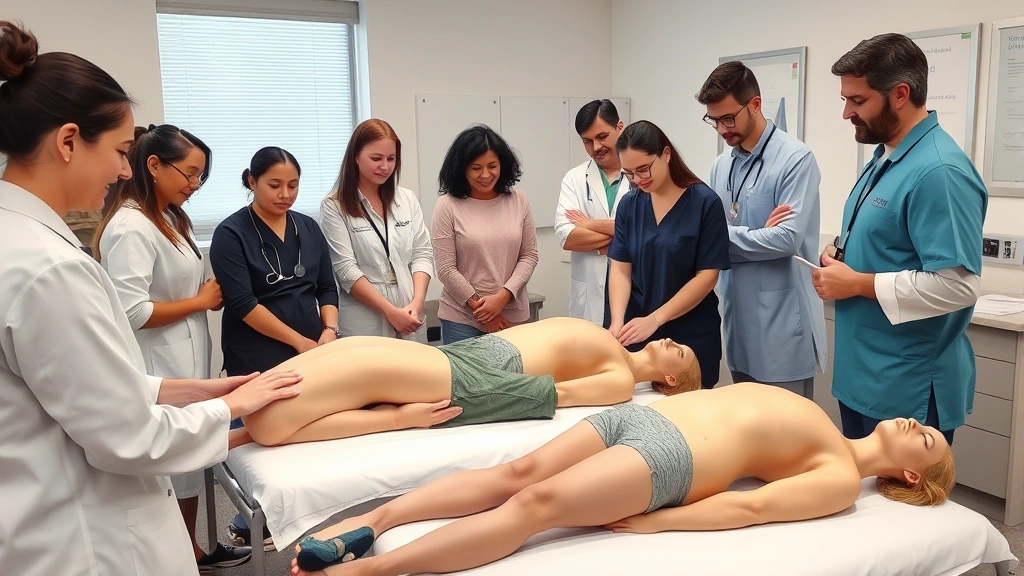
Hands-on practical training distinguishes quality programs from inadequate courses. Effective training includes supervised needle insertion practice on models, cadaveric specimens, and ideally live patients under close supervision. This practical experience builds confidence and technical competency essential for safe independent practice.
Post-course support and continuing education opportunities reflect program quality and commitment to practitioner success. Superior programs provide ongoing mentorship, advanced workshops, and community access supporting long-term professional development beyond initial certification.
Program duration varies considerably, with quality comprehensive courses typically requiring 100-200+ contact hours. Shorter programs may provide basic familiarity but insufficient depth for independent clinical practice. Practitioners should prioritize thorough education over expedited certification.
Cost considerations matter, but should not overshadow quality evaluation. While expensive programs don’t guarantee superior education, excessively cheap courses typically lack necessary resources, qualified faculty, and comprehensive curricula. Reasonable investment in quality training provides returns through enhanced clinical capabilities and professional advancement.
FAQ
What exactly is dry needling and how does it differ from acupuncture?
Dry needling uses thin needles to treat myofascial trigger points based on modern neurophysiology and anatomy, while acupuncture operates within traditional Chinese medicine frameworks addressing energy meridians. Though both use needles, their theoretical foundations, treatment targets, and clinical applications differ substantially. Dry needling is evidence-based Western medicine, while acupuncture represents traditional healing approaches.
How long does a typical dry needling course take?
Quality comprehensive programs require 100-200+ contact hours of instruction. Some programs extend over several months with weekly classes, while others utilize intensive weekend or week-long formats. Practitioners should prioritize thorough education over quick certification, as inadequate training risks patient safety and treatment ineffectiveness.
Is dry needling certification required by law?
Certification requirements vary by jurisdiction and profession. Physical therapists and other licensed practitioners can legally perform dry needling in most U.S. states with appropriate training, though specific requirements differ. Practitioners should verify state-specific regulations and licensing board requirements before offering services. Formal certification, while not always legally mandated, provides professional credibility and insurance reimbursement advantages.
What conditions can dry needling effectively treat?
Dry needling addresses myofascial pain syndrome, trigger points, musculoskeletal pain, tension headaches, sports injuries, repetitive strain disorders, and post-operative pain. Research supports effectiveness for various conditions, though individual patient responses vary. Practitioners learn to assess patient suitability and integrate dry needling appropriately within comprehensive treatment plans.
Are there significant risks associated with dry needling?
Serious complications are rare when trained practitioners follow proper safety protocols. Potential risks include minor bleeding, bruising, infection, and rarely pneumothorax. Comprehensive training emphasizes contraindications, anatomical awareness, and safety procedures minimizing adverse event risk. Practitioners completing formal education understand appropriate screening and precautions.
How does dry needling complement other physical therapy treatments?
Dry needling integrates effectively with manual therapy, therapeutic exercise, stretching, and other modalities. Many practitioners sequence dry needling early in sessions to reduce pain and muscular guarding, then progress to active exercise while tissues remain responsive. This integrated approach often produces superior outcomes compared to single-modality treatment.
What credentials should I look for in dry needling instructors?
Qualified instructors should possess advanced dry needling certifications, clinical experience, research contributions, and ongoing practice engagement. Look for instructors affiliated with recognized professional organizations, published in peer-reviewed journals, and maintaining current clinical practice. This background ensures instructors teach current evidence-based approaches rather than outdated techniques.


