
Red Cross Lifeguard Course: Expert Insights and Career Pathways
The Red Cross Lifeguard course stands as one of the most recognized and respected water safety certifications in North America. Whether you’re pursuing a seasonal job at a community pool or planning a long-term career in aquatic management, understanding what this certification entails can help you make an informed decision about your professional development. This comprehensive guide explores the Red Cross lifeguard training program, its requirements, benefits, and how it can launch your career in water safety.
Becoming a certified lifeguard requires more than just swimming ability—it demands dedication, physical fitness, and a commitment to protecting others. The Red Cross has refined their curriculum over decades to ensure that lifeguards possess the knowledge and skills necessary to respond effectively in emergency situations. With thousands of pools, beaches, and water parks across the continent requiring certified lifeguards, this certification opens doors to immediate employment opportunities and professional advancement.
Understanding Red Cross Lifeguard Certification
The American Red Cross Lifeguard course represents the gold standard in aquatic rescue training. Recognized by employers nationwide, this certification demonstrates that you’ve met rigorous standards for water safety, rescue techniques, and emergency response. The Red Cross has been training lifeguards since 1914, continuously updating their methods to reflect the latest in aquatic rescue science and first aid protocols.
Red Cross lifeguard certification differs from other water safety courses because it combines theoretical knowledge with intensive practical training. Rather than simply teaching swimming techniques, the program focuses on prevention, recognition of aquatic distress, and appropriate rescue interventions. Certified lifeguards understand water currents, recognize signs of drowning, and know how to perform rescues safely without endangering themselves.
The certification is valid for three years, after which lifeguards must complete renewal training to maintain their credentials. This recurring education requirement ensures that lifeguards stay current with the latest safety protocols and rescue techniques. Many employers require Red Cross certification specifically because of this commitment to ongoing professional development.
When you complete the Red Cross lifeguard course, you receive credentials that employers recognize across multiple settings. Whether you’re interested in working at facilities hiring seasonal staff or pursuing permanent positions, your Red Cross certification gives you a competitive advantage in the job market.
Course Requirements and Prerequisites
Before enrolling in a Red Cross Lifeguard course, you must meet several prerequisites to ensure you have the foundational skills necessary for success. The primary requirement is swimming ability—specifically, you must be able to swim 300 yards continuously using front crawl, breaststroke, or a combination of strokes. This distance requirement ensures that candidates possess the endurance needed for rescue operations.
Age requirements typically set the minimum at 15 years old, though some facilities may require lifeguards to be at least 16 or 18 years old. If you’re interested in finding positions at various facilities, checking specific employer requirements is essential, as they may exceed the Red Cross minimums.
Physical fitness is another crucial prerequisite. During the course, you’ll be required to perform rescue scenarios, tread water for extended periods, and demonstrate strength and endurance. The course includes specific timed swimming tests that you must pass, including treading water for one minute and retrieving weighted objects from the pool bottom.
You should also be in good general health without conditions that would prevent you from performing rescue duties. Some facilities require medical clearance before you can begin training. Additionally, comfort in water is essential—while you don’t need to be an advanced swimmer, you must be confident and capable in aquatic environments.
Most Red Cross courses require that you bring a valid form of identification and complete a brief health questionnaire. Some training providers may also require background checks, particularly if you’ll be working with children or in certain institutional settings.
Training Curriculum Overview
The Red Cross Lifeguard curriculum covers multiple critical areas that prepare you for real-world scenarios. The course typically spans two to three days of intensive training, depending on whether you’re taking a standard course or an accelerated program. Online learning platforms now offer some preparatory materials, though hands-on water training remains essential.
The curriculum begins with aquatic rescue operations, teaching you to recognize different types of aquatic distress. You’ll learn to distinguish between a swimmer in trouble and a drowning victim, as drowning often happens silently without the dramatic splashing depicted in popular media. This recognition skill is fundamental because it allows you to respond quickly when seconds matter.
Rescue techniques form a substantial portion of the course. You’ll practice multiple rescue approaches, including non-contact assists using rescue equipment, contact assists that minimize risk to the victim, and in-water rescues that require entering the water. Each technique addresses different scenarios, and you’ll practice them repeatedly until they become second nature.
First aid and CPR training integrate throughout the lifeguard course. You’ll learn current CPR techniques for adults, children, and infants, including the proper hand placement, compression depth, and rescue breathing methods. The course emphasizes that lifeguards must be prepared to provide immediate cardiac care while waiting for emergency medical services to arrive.
Water safety education forms another key component. You’ll learn to educate swimmers about water safety, recognize hazards, and implement preventive measures. Understanding water conditions, currents, and environmental factors helps you make informed decisions about when conditions are safe for swimming.
Professional responsibilities and emergency action plans receive significant attention. You’ll learn how to develop and implement emergency response procedures, communicate effectively with emergency services, and document incidents properly. These administrative skills are just as important as physical rescue abilities.
Physical Fitness and Skills Assessment
The Red Cross Lifeguard course includes rigorous physical assessments to ensure you can perform rescue duties under realistic conditions. These aren’t arbitrary tests—they’re based on research into actual rescue situations and the physical demands lifeguards face. Understanding what these assessments entail helps you prepare adequately.
One fundamental test requires you to swim 300 yards continuously, demonstrating the endurance necessary for extended rescue operations. You’ll use any combination of strokes, but you must complete the distance without stopping. This test typically must be completed within a specific timeframe, usually around 10 minutes.
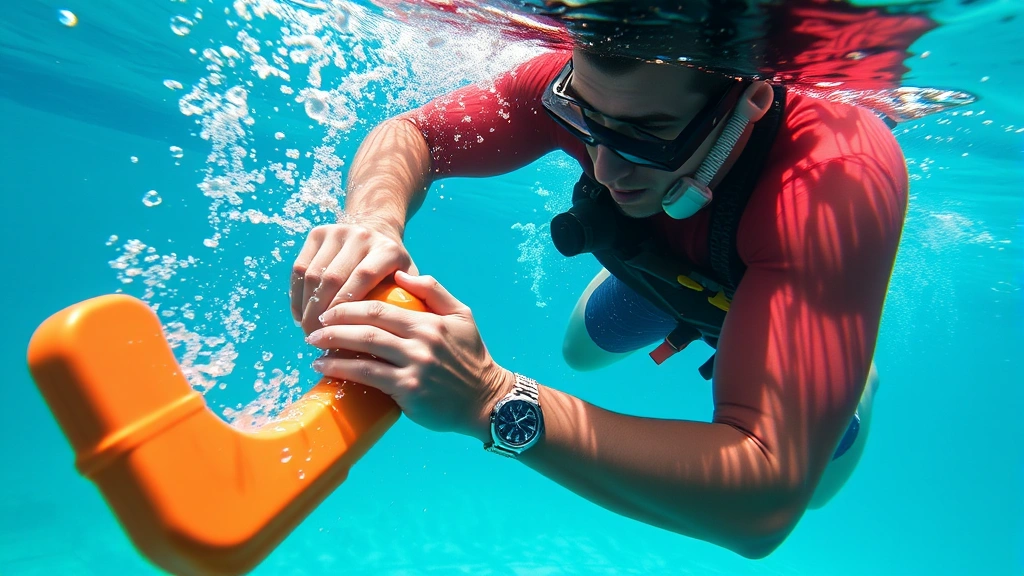
Treading water while performing tasks simulates the reality of rescue situations where you must maintain position while managing a victim. You’ll tread water for one minute while using your hands to perform other tasks, such as reaching for equipment. This test develops the leg strength and coordination necessary for effective rescue work.
The brick retrieval test assesses your ability to work at depth. You’ll dive to the bottom of the pool and retrieve a weighted brick or similar object, bringing it to the surface. This skill is essential for rescuing swimmers who may be submerged and for retrieving lost items.
Rescue scenario simulations present realistic situations where you must demonstrate proper technique. An instructor or another trainee may play the role of a distressed swimmer, and you must execute the appropriate rescue technique. These scenarios teach you to stay calm under pressure and make quick decisions about the best rescue approach.
Strength and flexibility assessments may also be included, as these qualities directly impact your ability to perform rescues. Poor flexibility can limit your mobility in the water, while insufficient strength may prevent you from successfully assisting a struggling victim.
Certification and Renewal Process
Upon successfully completing the Red Cross Lifeguard course, you receive a wallet card certifying your status as a Red Cross-certified lifeguard. This certification is valid for three years from the date of issue, after which you must complete renewal training to maintain your credentials. Many employers require current certification as a condition of employment.
The renewal process is somewhat streamlined compared to the initial course. Lifeguard renewal typically takes one day rather than the two to three days required for initial certification. However, you still must demonstrate competency in all critical skills, including rescue techniques, CPR, and first aid.
Some Red Cross training providers offer recertification courses that focus on skill review and updating you on any changes to protocols or techniques. These courses often provide opportunities to refresh your knowledge while maintaining your professional standing.
If your certification lapses—meaning you don’t renew it before the expiration date—you typically must retake the full initial course rather than the abbreviated renewal course. This policy ensures that lifeguards maintain consistent skill levels. Some employers may allow you a grace period to renew, but most require current certification.
Maintaining your certification requires more than just attending renewal courses. Many employers expect lifeguards to stay in good physical condition and practice rescue techniques regularly, even outside formal training settings. Some facilities conduct monthly or quarterly in-service training sessions to keep skills sharp.
Career Opportunities After Certification
Red Cross lifeguard certification opens numerous career pathways in the aquatic industry. The most obvious opportunity is seasonal or year-round employment at swimming pools, water parks, and beach facilities. With facilities throughout the country seeking qualified staff, certified lifeguards can find positions in virtually any geographic location.
Swimming pools represent the largest employment sector for lifeguards. Community centers, schools, colleges, and private facilities all require certified lifeguards to supervise swimmers. These positions offer flexible scheduling, making them ideal for students or those seeking supplementary income. Many lifeguards use these positions as stepping stones to supervisory roles within aquatic management.
Water parks and aquatic resorts employ large numbers of lifeguards during peak seasons. These facilities often offer higher wages than traditional pools due to increased hazards and larger crowds. Working at water parks provides valuable experience managing complex aquatic environments with multiple attractions and varying water conditions.
Beach and waterfront positions represent another significant opportunity. Coastal communities, lakes, and rivers employ lifeguards to protect swimmers in open-water environments. These positions often require additional specialized training for ocean conditions or currents, but your Red Cross certification provides the foundation.
Advancement opportunities exist for experienced lifeguards willing to pursue additional education. Becoming an aquatic director, water safety instructor, or facility manager are natural progressions. Some lifeguards pursue further professional development courses to enhance their qualifications and career prospects.
Seasonal lifeguard positions often lead to year-round employment at facilities that operate throughout the year. Demonstrating reliability, strong safety practices, and good communication skills during seasonal work frequently results in offers for permanent positions with benefits and advancement opportunities.
Choosing the Right Training Program
Selecting a Red Cross lifeguard training provider requires research and consideration of several factors. While all Red Cross courses follow the same national curriculum, training quality can vary based on instructor experience, facility conditions, and class size. Finding comprehensive course resources and training information helps you make informed decisions.
Look for training providers with certified Red Cross instructors who have extensive lifeguard experience. Instructors who have worked as lifeguards themselves often provide more practical insights and realistic scenario training. Check instructor credentials and ask about their backgrounds during the registration process.
Class size matters significantly for lifeguard training. Smaller classes allow more individual attention and practice time, which improves skill development and confidence. Large classes may limit your opportunities to practice rescues and receive personalized feedback from instructors.
Facility quality impacts your training experience. Courses should be conducted in pools with adequate depth and space for practicing rescue techniques. Some training centers have multiple pools specifically designed for lifeguard training, allowing you to practice in controlled environments that simulate real conditions.
Course scheduling flexibility is practical consideration. Some providers offer weekend courses, evening programs, or intensive multi-day sessions. Choose a schedule that accommodates your availability and learning style. Some people benefit from intensive training that maintains focus, while others prefer distributed learning over several weeks.
Cost varies among providers, typically ranging from $150 to $400 depending on location and course format. While price matters, the cheapest option isn’t always the best value. Investing in quality training from experienced instructors provides better preparation for actual lifeguard duties and increases your employability.
Check reviews and ask for references from previous trainees. Speaking with people who’ve completed courses at specific facilities gives you insight into instructor quality, facility conditions, and overall training effectiveness. Many lifeguards maintain connections with others from their training cohorts, creating professional networks valuable throughout their careers.
Verify that the training provider is officially affiliated with the Red Cross. While many organizations teach water safety, only Red Cross-certified courses provide the nationally recognized certification that employers require. The Red Cross website maintains a directory of approved training providers in your area.
Advanced Lifeguard Certifications
After earning your basic Red Cross Lifeguard certification, several advanced credentials can enhance your qualifications and earning potential. Water Safety Instructor certification qualifies you to teach swimming and water safety courses, opening teaching opportunities at community centers, schools, and private facilities.
Lifeguard Instructor certification enables you to train other lifeguards, creating career advancement opportunities at larger facilities or as an independent trainer. This certification requires extensive experience as a practicing lifeguard and additional specialized training in instructional methods.
Aquatic Safety Technician certification focuses on facility management, water quality testing, and equipment maintenance. This credential is valuable for those interested in facility operations or management positions rather than direct supervision of swimmers.
Oxygen administration and first responder certifications supplement your lifeguard training, providing additional skills that employers value. Some facilities require or strongly prefer lifeguards to hold these additional certifications.
Preparing for Your Red Cross Lifeguard Course
Adequate preparation before your course begins improves your success and learning outcomes. Physical conditioning should be your primary focus. Swimming regularly before your course helps build endurance and improves your comfort in the water. Aim to swim at least three times weekly, gradually increasing distance and intensity.
Strength training complements swimming preparation. Focus on core strength, leg power, and upper body strength—all essential for rescue techniques. Exercises like planks, squats, lunges, and pull-ups directly support lifeguard skills.
Mental preparation is equally important. Familiarize yourself with course expectations and rescue techniques by watching instructional videos or reading lifeguard manuals. Understanding concepts before practical training helps you absorb information more effectively during the course.
Ensure you have appropriate swimming attire and bring a towel and water bottle for hydration. Some facilities provide specific requirements for swimwear or may prohibit certain styles. Check with your training provider about dress code and bring any required documentation.
Arrive early on the first day to acclimate to the facility and meet your instructor and classmates. Building relationships with other trainees creates a supportive learning environment and establishes professional connections that may benefit your lifeguard career.
Common Challenges and How to Overcome Them
Many lifeguard trainees face specific challenges during their courses. Water confidence issues affect some candidates, particularly those without extensive swimming backgrounds. Communicating with your instructor about anxiety helps them provide encouragement and appropriate modifications. Remember that completing the course proves you’re capable of developing the necessary skills.
Physical fatigue is common during intensive training. The course demands significant physical exertion, particularly if you’re not accustomed to extended swimming and rescue practice. Adequate sleep, proper nutrition, and hydration before and during the course help manage fatigue.
Rescue technique struggles frustrate some trainees, particularly the transition from non-contact to contact rescues. These techniques require practice to master. Don’t hesitate to ask your instructor for additional repetitions or clarification. Most instructors are happy to provide extra practice time for struggling students.
Test anxiety affects some otherwise capable trainees. Remember that the course is designed to teach you the necessary skills—the assessments simply verify that you’ve learned them. Practicing the required skills repeatedly before testing reduces anxiety and improves performance.
Time management for working trainees requires careful planning. If you’re balancing employment with training, discuss your schedule with your instructor. Many training providers understand that lifeguard candidates often work and can accommodate scheduling needs.
FAQ
How long does the Red Cross Lifeguard course take?
The standard Red Cross Lifeguard course requires two to three days of intensive training. Some accelerated programs complete in two days, while others span longer periods with evening or weekend sessions. Renewal courses are shorter, typically requiring one day.
What is the minimum age for lifeguard certification?
The Red Cross typically requires lifeguards to be at least 15 years old, though many employers require candidates to be 16 or older. Check specific facility requirements, as they may exceed Red Cross minimums.
How much does the Red Cross Lifeguard course cost?
Course costs typically range from $150 to $400, depending on location, facility, and course format. Some community centers offer subsidized courses, while private training providers may charge premium rates.
Can I take the Red Cross Lifeguard course online?
While some preparatory materials are available online, the Red Cross Lifeguard course requires in-person water training. You cannot become certified entirely through online learning, though online components may supplement your training.
How often must I renew my lifeguard certification?
Red Cross Lifeguard certification is valid for three years. You must complete renewal training before your certification expires to maintain your credentials. If your certification lapses, you must retake the full initial course.
What happens if I fail the Red Cross Lifeguard course?
If you don’t pass the course, most training providers allow you to retake it at reduced cost. You can practice between attempts to improve your skills. Discussing specific challenges with your instructor helps you prepare for retesting.
Are there job opportunities immediately after certification?
Yes, certified lifeguards often find employment quickly, particularly during peak seasons. Many facilities have immediate openings for certified lifeguards. Starting your job search while completing your course can lead to employment shortly after certification.
Does the Red Cross Lifeguard certification cover CPR and First Aid?
Yes, CPR and First Aid training are integrated throughout the Red Cross Lifeguard course. You receive certification in CPR for the Professional Rescuer and First Aid, which are included with your lifeguard credential.
Can I work as a lifeguard with only the Red Cross certification?
In most jurisdictions, Red Cross Lifeguard certification is sufficient for employment. However, some states or facilities may require additional certifications or background checks. Verify requirements in your specific area before assuming your certification is sufficient.
What is the difference between Red Cross and other lifeguard certifications?
The Red Cross is the most widely recognized lifeguard certification in North America. Other organizations offer similar training, but Red Cross certification is preferred by most employers and carries more weight in the job market.


