Golf Course Habitats: Environmental Insights and Ecological Balance
Golf courses represent a unique intersection of human recreation and natural ecosystems, covering approximately 5 million acres globally. These manicured landscapes have evolved significantly beyond their traditional role as purely recreational facilities, now functioning as complex habitats that support diverse wildlife populations and plant communities. Understanding the environmental dynamics of golf course habitats provides valuable insights into how we can balance human activities with ecological preservation and biodiversity conservation.
The transformation of land into golf course habitats requires careful consideration of existing ecosystems, water management systems, and the potential for creating sustainable green spaces. Modern golf course design increasingly incorporates environmental best practices that benefit both the sport and surrounding wildlife. From wetland preservation to native plant restoration, contemporary courses demonstrate how traditional land use can coexist with meaningful habitat creation and environmental stewardship.
Understanding Golf Course Habitat Ecosystems
Golf course habitats function as complex ecological systems that integrate multiple landscape features including fairways, roughs, bunkers, water hazards, and surrounding vegetation zones. These diverse microhabitats create opportunities for various species to thrive, provided courses implement environmentally conscious management strategies. The ecological value of any given course depends heavily on design philosophy, maintenance practices, and commitment to habitat preservation.
When examining specific locations like Pleasant Hill Golf Course, we observe how individual courses integrate into larger landscape contexts. The habitat structure within a golf course includes open grasslands, intermediate vegetation zones, and densely vegetated areas that collectively support different species niches. Educational institutions and environmental organizations increasingly study these sites to understand habitat dynamics and develop best management practices for golf industry sustainability.
The composition of golf course habitats varies significantly based on geographic location, climate conditions, and course design specifications. Courses in different regions support distinct ecological communities, making each facility a unique outdoor classroom for environmental education. Students and environmental professionals benefit from studying real-world examples that demonstrate how human-designed landscapes can support natural processes when properly managed.
[IMAGE_1]
Water Management and Aquatic Habitats
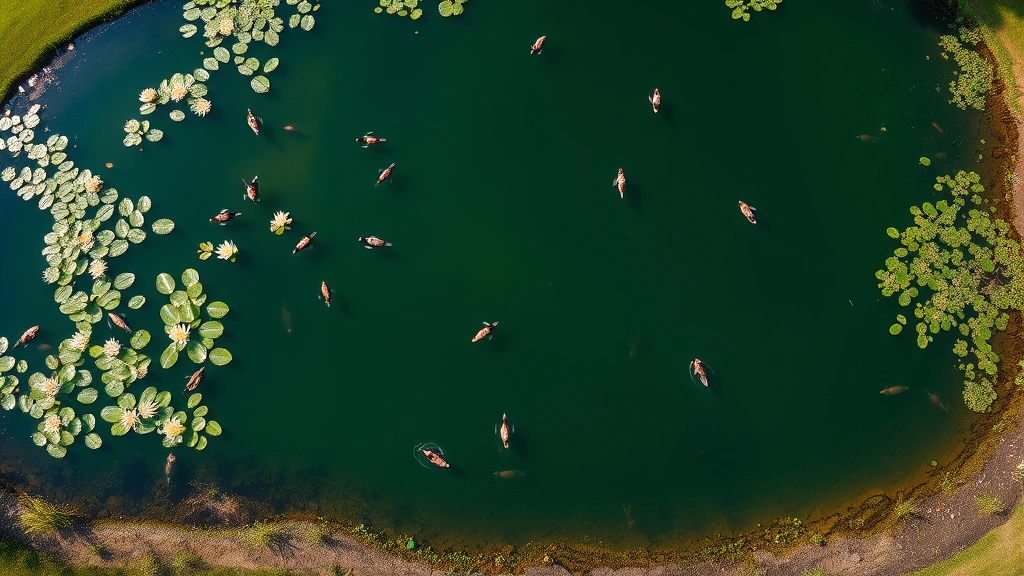
Water management represents one of the most critical aspects of golf course habitat creation and maintenance. Ponds, lakes, and wetland areas within golf courses serve dual purposes: they function as water hazards for gameplay while simultaneously creating aquatic habitats for fish, amphibians, and waterfowl. Proper water quality management ensures these habitats remain healthy and productive ecosystems rather than becoming stagnant or polluted.
Modern golf course water systems increasingly incorporate filtration technologies, constructed wetlands, and natural treatment systems that improve water quality while supporting aquatic biodiversity. These systems capture runoff, filter sediments and nutrients, and create breeding grounds for amphibians and nesting sites for waterfowl species. The Los Serranos Golf Course exemplifies how water features can be designed to support diverse aquatic communities while maintaining course functionality.
Irrigation efficiency has become increasingly important in golf course habitat management, particularly in water-scarce regions. Advanced irrigation technologies including soil moisture sensors, weather-based controllers, and precision application systems reduce water consumption while maintaining turf quality. These innovations not only conserve resources but also reduce chemical runoff into aquatic habitats, creating healthier environments for fish and aquatic invertebrates that form the foundation of food webs supporting larger wildlife.
Wetland areas within golf courses deserve special attention as they provide exceptional habitat value. Shallow water zones support emergent vegetation like cattails and rushes, which stabilize sediments and provide nesting materials for birds. These wetland sections also filter water naturally, improving quality for downstream ecosystems while supporting specialized plant and animal communities that depend on these specific conditions.
Wildlife Biodiversity on Golf Courses
Golf course habitats support remarkably diverse wildlife communities when managed with ecological considerations in mind. Birds represent the most visible wildlife component, with courses hosting resident species, seasonal migrants, and occasional visitors. Raptors hunt across fairways, waterfowl utilize ponds and wetlands, and songbirds nest in rough vegetation and tree plantings. Each species fills specific ecological roles that contribute to overall ecosystem health and resilience.
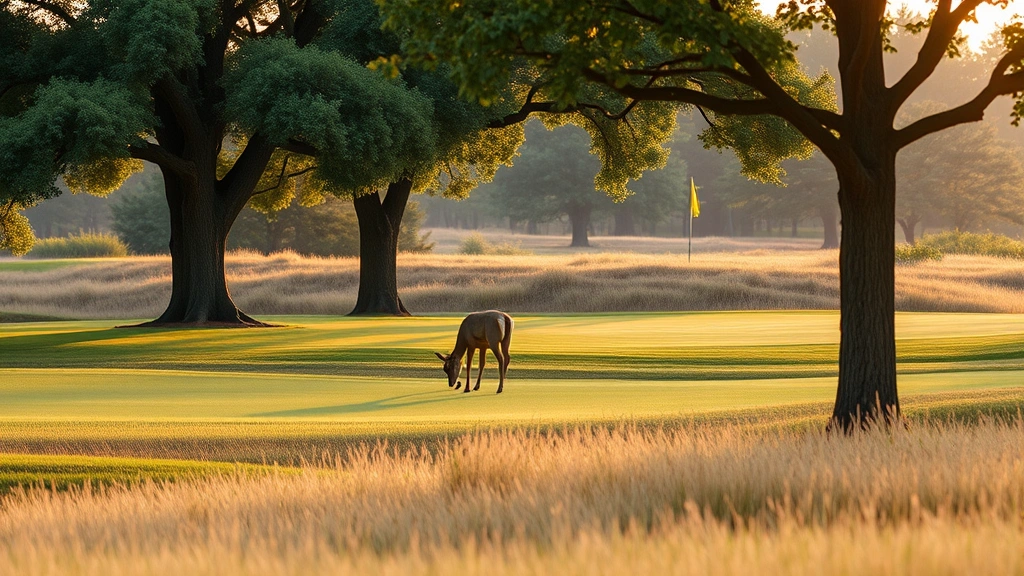
Mammalian communities on golf courses include small mammals like rabbits, squirrels, and hedgehogs, which serve as prey species supporting predator populations. Larger mammals such as deer may visit courses seasonally, particularly when adjacent natural areas become limited. These wildlife populations require habitat connectivity, meaning golf courses function most effectively when they link larger habitat patches rather than existing as isolated islands in developed landscapes.
Invertebrate communities form the foundation of golf course food webs, though they often receive less attention than charismatic megafauna. Pollinators including bees, butterflies, and other insects depend on flowering plants and undisturbed nesting sites. Predatory insects control pest populations naturally, reducing pesticide requirements. Decomposer organisms like earthworms and arthropods facilitate nutrient cycling essential for soil health and plant growth.
The Gannon Golf Course demonstrates how courses can serve as important habitat for species of conservation concern. By maintaining diverse vegetation structures and limiting chemical inputs, courses create refugia for species that struggle in intensively managed agricultural or developed landscapes. This conservation function becomes increasingly valuable as natural habitats continue to fragment and disappear.
Native Plant Integration and Restoration
Native plant communities form the foundation of functional golf course habitats, providing food sources, nesting materials, and shelter for wildlife while requiring fewer inputs than exotic species. Incorporating native plants into course design and maintenance practices increases habitat value dramatically while reducing maintenance costs and environmental impacts. Progressive courses dedicate portions of their land to native plant restoration, creating wildlife corridors and habitat patches that support specialized species.
Rough vegetation areas represent prime opportunities for native plant integration, as these zones tolerate less intensive management than playing surfaces. Native grasses, wildflowers, and shrubs in rough areas provide seed sources for wildlife, flowering resources for pollinators, and cover for ground-nesting birds. These plantings also stabilize soils, reduce erosion, and improve water infiltration, enhancing overall ecosystem function and course sustainability.
Tree plantings significantly enhance habitat value when species selection prioritizes native trees that produce fruits, seeds, or nuts supporting wildlife. Mature trees provide nesting and roosting sites for birds, shelter for mammals, and structural complexity that creates microhabitats within the broader course landscape. Strategic tree placement also provides shade that reduces cooling costs and creates visual interest while supporting ecological functions.
Restoration of degraded areas within courses presents opportunities to enhance habitat value and ecosystem services. Former turf areas can be converted to native plant communities through careful site preparation, appropriate species selection, and establishment care. These restoration projects often generate educational opportunities, with environmental education programs documenting restoration progress and wildlife responses.
Sustainable Turf Management Practices
Turf management practices fundamentally shape golf course habitat quality and environmental impact. Sustainable approaches prioritize soil health, biodiversity, and reduced chemical inputs while maintaining playable surfaces. These practices represent a significant shift from traditional high-input management models toward regenerative systems that work with natural processes rather than against them.
Soil health forms the foundation of sustainable turf management, with healthy soils supporting robust plant growth while harboring beneficial microorganisms and invertebrates. Practices like reduced or no-till cultivation, organic matter additions, and compost applications build soil structure and biological activity. These improvements reduce compaction, enhance water infiltration and retention, and create habitat for soil organisms that provide essential ecosystem services including nutrient cycling and pest suppression.
Integrated pest management (IPM) represents a cornerstone of sustainable golf course habitat stewardship. Rather than relying on broad-spectrum pesticides, IPM employs monitoring, cultural practices, biological controls, and targeted applications only when pest populations exceed acceptable thresholds. This approach protects beneficial insects and soil organisms while reducing chemical contamination of water systems and surrounding habitats.
Mowing practices significantly influence habitat value, with reduced mowing frequency in designated areas allowing vegetation to flower, set seed, and provide wildlife cover. Strategic mowing patterns create visual interest while enhancing habitat diversity. Some courses implement seasonal mowing restrictions during nesting periods, protecting ground-nesting birds and ground-dwelling insects during critical life stages.
Chemical Use and Environmental Impact
Chemical inputs including fertilizers and pesticides represent the most significant environmental concern associated with traditional golf course management. These substances can contaminate groundwater, surface water, and soil while harming non-target organisms and disrupting ecological processes. Understanding and minimizing chemical impacts represents a crucial aspect of golf course habitat stewardship.
Fertilizer management requires careful attention to application timing, rates, and methods to minimize environmental impacts while supporting turf quality. Excess nitrogen and phosphorus leach into groundwater or run off into surface waters, causing eutrophication that damages aquatic ecosystems. Modern approaches emphasize soil testing, precise application rates, and organic matter additions that provide slow-release nutrients reducing leaching risk.
Pesticide use, while sometimes necessary, poses significant risks to non-target organisms including beneficial insects, soil microorganisms, and aquatic life. Progressive courses minimize pesticide dependence through habitat enhancement, biological controls, and acceptance of minor pest populations. When pesticides are necessary, courses increasingly select products with lower toxicity and environmental persistence, applying them strategically to minimize off-target movement.
Buffer zones around water features and sensitive habitat areas reduce chemical movement into aquatic systems, protecting fish and amphibians from contamination. These buffers also provide habitat for specialized plant communities and invertebrates that depend on chemical-free environments. Regulatory agencies increasingly require buffer zones around wetlands and water bodies, reflecting recognition of their importance for environmental protection.
Golf Courses as Ecological Corridors
When properly designed and managed, golf courses function as ecological corridors connecting fragmented habitat patches and facilitating wildlife movement through developed landscapes. This corridor function becomes increasingly important as urbanization fragments natural habitats, isolating wildlife populations and reducing genetic diversity. Courses that maintain continuous vegetation, minimize chemical barriers, and provide shelter create valuable pathways for species movement.
Connectivity with adjacent natural areas dramatically enhances habitat value, allowing species to move between golf courses and larger habitat patches. Courses adjacent to parks, preserves, or other natural areas serve as expanded habitat for species utilizing multiple sites within their home ranges. These connections also allow recolonization of restored areas by species from source populations, accelerating recovery and increasing restoration success.
The ecological principles observed in Ireland’s golf courses demonstrate how courses in different contexts contribute to landscape-level conservation. International examples reveal diverse approaches to habitat integration, from coastal courses protecting dune systems to inland courses managing wetlands and native grasslands. These examples provide valuable lessons for courses worldwide seeking to enhance ecological value.
Landscape-level planning that considers golf courses within broader habitat networks increases conservation effectiveness. Courses can be designed and managed as components of regional habitat strategies, contributing to species conservation goals and ecosystem resilience. Collaborative approaches involving course managers, conservation organizations, and regulatory agencies create opportunities for meaningful habitat enhancement and environmental education.
Even alternative course designs like disc golf courses can incorporate habitat considerations, demonstrating that diverse recreational uses can support environmental stewardship. The flexibility of course design and management allows creative solutions to environmental challenges while maintaining recreational value.
FAQ
How do golf courses impact local water systems?
Golf courses affect water systems through irrigation demands, chemical runoff, and habitat modification. Proper water management including efficient irrigation, constructed wetlands, and buffer zones significantly reduces negative impacts while creating aquatic habitat that supports fish, amphibians, and waterfowl.
What wildlife commonly inhabits golf courses?
Golf courses host diverse wildlife including birds (raptors, waterfowl, songbirds), mammals (rabbits, squirrels, deer), and invertebrates (pollinators, predatory insects). The specific species composition depends on geographic location, course design, and management practices.
Can golf courses support endangered species?
Yes, properly managed golf courses can provide habitat for species of conservation concern, particularly when they maintain native vegetation, minimize chemical inputs, and connect with larger habitat patches. Several courses have successfully supported endangered species populations through dedicated management.
What is integrated pest management in golf course contexts?
Integrated pest management (IPM) combines monitoring, cultural practices, biological controls, and targeted pesticide applications only when pest populations exceed acceptable thresholds. This approach protects beneficial organisms while reducing chemical inputs and environmental impacts.
How can golfers support habitat conservation?
Golfers can support habitat conservation by patronizing courses implementing sustainable practices, respecting wildlife areas, minimizing their environmental footprint, and supporting course initiatives for native plant restoration and chemical reduction programs.
What role do golf courses play in urban conservation?
In urban areas, golf courses provide valuable habitat and ecological corridors that connect fragmented natural areas. These courses offer refuge for species struggling in developed landscapes while providing environmental education opportunities and recreational access to nature.