Spyglass Golf Course: Must-Visit for Golf Enthusiasts
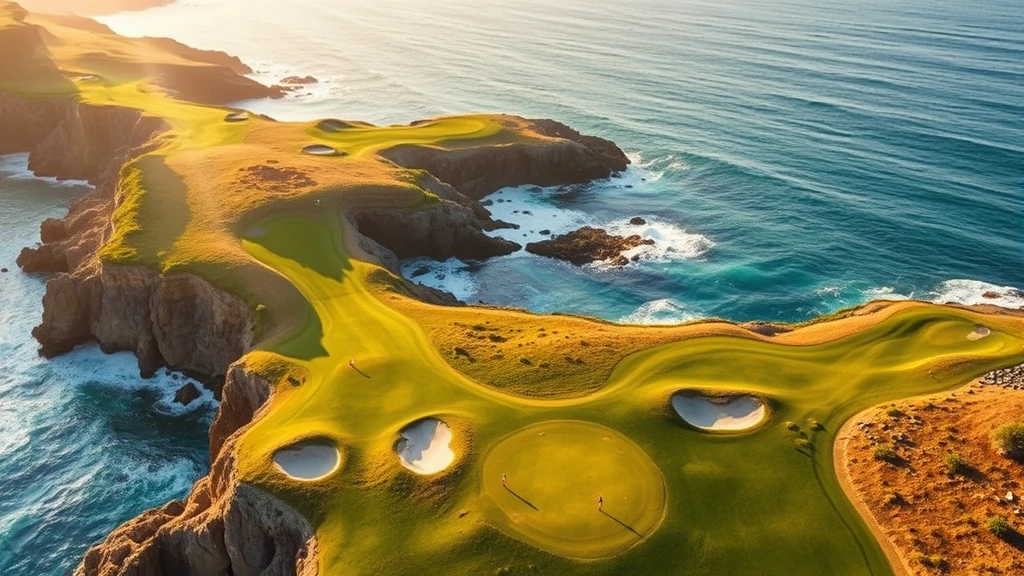
Spyglass Golf Course stands as one of California’s most prestigious and challenging golf destinations, nestled along the rugged coastline of Monterey Peninsula. This championship-caliber course has captivated golfers worldwide with its breathtaking ocean views, meticulously maintained fairways, and strategic hole designs that demand both skill and precision. Whether you’re a seasoned golfer seeking your next challenge or an enthusiast looking to experience world-class golfing infrastructure, Spyglass Golf Course delivers an unforgettable experience that justifies its reputation among elite golf communities.
The course’s significance extends beyond recreational play—it serves as a masterclass in golf course design, environmental stewardship, and hospitality excellence. Many golfers who visit Spyglass find the experience transformative, not just as a sport but as a personal development opportunity. In fact, pursuing golf excellence can complement your broader personal development journey, as the sport teaches discipline, patience, and strategic thinking applicable to life’s challenges.
Course Overview and History
Spyglass Golf Course opened in 1966, designed by the legendary Robert Trent Jones Sr., one of golf’s most influential course architects. Located in Pebble Beach, California, the course immediately established itself as a premier destination by combining stunning coastal aesthetics with demanding technical challenges. The name “Spyglass” derives from Robert Louis Stevenson’s “Treasure Island,” reflecting the literary heritage and romantic character of the Monterey Peninsula region.
The course stretches across 6,859 yards from the championship tees, though various tee boxes accommodate players of different skill levels. With a par of 72 and a slope rating that challenges even accomplished golfers, Spyglass demands respect and preparation. The routing takes advantage of natural topography and coastal features, creating a layout where every hole presents distinct strategic considerations. Unlike courses that rely solely on length for difficulty, Spyglass integrates wind patterns, elevation changes, and hazard placement into a holistic challenge.
Understanding golf course design principles can enhance your appreciation for such venues. Many professionals in the golf industry have pursued professional development through specialized courses to better understand course management, turf science, and hospitality operations that make venues like Spyglass function at elite levels.
Hole-by-Hole Design Excellence
The front nine at Spyglass Golf Course introduces players to the course’s character through progressive difficulty. The opening holes, while challenging, serve as orientation rounds where golfers acclimate to wind conditions and green complexities. The par-4 first hole sets expectations immediately, requiring accurate tee shots to avoid right-side bunkers while positioning for approach shots to a well-guarded green.
Signature holes emerge throughout the routing. The par-5 fifth hole plays along the coast with ocean views that can distract even focused competitors. Its three-shot design accommodates various skill levels while rewarding aggressive play from accomplished golfers. The hole exemplifies Robert Trent Jones’s philosophy of creating beauty without sacrificing playability across the ability spectrum.
The back nine intensifies difficulty significantly. The par-4 16th hole, playing directly toward the ocean with the Pacific as backdrop, represents one of California’s most photographed golf shots. The hole’s narrow fairway and elevated green demand precision tee shots; even slight misses result in challenging recovery situations. Wind patterns dramatically affect club selection, sometimes requiring players to club up significantly from expected yardages.
The par-3 17th hole, another ocean-adjacent beauty, presents elevated greens and swirling winds that make club selection particularly challenging. The 18th hole, a par-5 finishing hole, provides dramatic closure with ocean views and strategic bunkering that rewards aggressive play while punishing wayward shots.
Studying course design principles has become increasingly accessible through online learning platforms where golf professionals and enthusiasts can deepen their understanding of architecture, strategy, and the principles underlying courses like Spyglass.

Playing Conditions and Maintenance
Spyglass Golf Course maintains championship-level conditions year-round through meticulous turf management and environmental stewardship. The course’s maintenance philosophy balances playability with aesthetic preservation, ensuring fairways remain pristine while rough areas challenge wayward shots appropriately. Greens at Spyglass are renowned for their consistency, firmness, and subtle contouring that rewards precise approach shots while penalizing careless play.
The coastal location presents unique maintenance challenges. Salt spray from the Pacific requires specialized turf varieties and protective measures. Wind patterns necessitate careful irrigation scheduling and grass selection suited to maritime conditions. Despite these challenges, the Spyglass maintenance team consistently delivers conditions rivaling or exceeding those of other premium courses worldwide.
Seasonal variations affect playability throughout the year. Spring and early summer typically provide optimal conditions with moderate temperatures and manageable wind patterns. Late summer through fall brings stronger coastal winds that increase difficulty significantly. Winter months, while wetter, offer excellent playing conditions for golfers who don’t mind cooler temperatures and occasional rain.
The course implements sustainability practices including water conservation, native plant preservation, and wildlife habitat protection. These initiatives reflect modern golf industry standards where environmental responsibility complements championship-level maintenance. Many golf course professionals have pursued lifelong learning opportunities to stay current with sustainable turf management practices and environmental stewardship.
Championship Legacy
Spyglass Golf Course has hosted numerous prestigious tournaments, establishing itself as a championship venue worthy of elite competitions. The course regularly appears in professional tournament rotations and hosts significant amateur championships. Its demanding layout and spectacular setting create memorable competitive environments that test golfers at the highest levels.
The course has proven particularly challenging for professional competitors, with winning scores typically requiring both skill and fortune with wind and course conditions. Tournament history reveals that even accomplished professionals respect Spyglass’s difficulty, rarely producing exceptionally low scores despite modern equipment advantages. This difficulty consistency reflects Robert Trent Jones’s design philosophy of creating courses that challenge excellence rather than merely penalizing mediocrity.
Historical tournament data demonstrates that course conditions, weather patterns, and field strength significantly impact scoring. Analyzing championship results provides insights into strategic approaches, club selection patterns, and mental resilience required for success at elite venues. Many golf analysts have studied entrepreneurial approaches to golf business, recognizing how championship venues like Spyglass leverage their reputations for sustained success.
Membership and Access
Spyglass Golf Course operates primarily as a private club, with membership requirements that include significant initiation fees and annual dues reflecting its elite status. The membership structure ensures limited daily play, preserving course conditions and maintaining the exclusive experience that defines the venue. Membership categories typically include resident and non-resident options, with different privileges and fee structures accordingly.
Guest play at Spyglass requires membership sponsorship, emphasizing the club’s private character. However, special occasions occasionally permit limited public access through organized events or charity tournaments. These opportunities allow non-members to experience the course, though planning ahead and understanding access protocols remains essential.
The membership model reflects golf industry standards where private clubs maintain quality through controlled access and member investment. This approach differs from public courses, which prioritize accessibility but may experience maintenance challenges from higher volume play. Spyglass’s model has proven sustainable, maintaining championship conditions while creating an exclusive community of golfers and professionals.
For those interested in understanding private club operations, exploring other premium golf venues provides comparative insights into different management philosophies and membership structures.
Amenities and Facilities
Beyond the golf course itself, Spyglass provides comprehensive facilities supporting the member experience. The clubhouse features dining establishments, pro shops, locker facilities, and event spaces designed for tournaments, social gatherings, and corporate functions. These amenities complement the on-course experience, creating a complete recreational destination.
The practice facilities at Spyglass support skill development and pre-round preparation. Driving ranges, chipping areas, and putting greens allow members to warm up and refine technique before playing. These practice resources prove particularly valuable given the course’s demanding nature—proper preparation significantly impacts enjoyment and scoring.
Professional instruction through the club’s PGA professionals provides personalized coaching for members seeking to improve their games. Lessons addressing swing mechanics, course management, and mental approaches to competitive play help members maximize their membership value. Many golfers find that structured instruction, combined with regular practice at quality facilities, accelerates improvement more effectively than casual play alone.
The dining experience at Spyglass complements the recreational aspects, offering quality cuisine and social opportunities that extend beyond golf. Members often utilize the facilities for non-golf activities, recognizing the club as a comprehensive lifestyle destination rather than merely a golf venue.

FAQ
What is the best time to visit Spyglass Golf Course?
Spring through early fall typically provides optimal playing conditions with moderate temperatures and manageable wind patterns. However, championship-level conditions persist year-round, making any season suitable for serious golfers. Personal preference regarding weather and wind intensity should guide timing decisions.
How difficult is Spyglass Golf Course compared to other premium venues?
Spyglass ranks among California’s most challenging courses, with difficulty comparable to other championship venues. The combination of length, strategic bunkering, ocean winds, and elevated greens creates consistent challenge across all skill levels. Professional competitors typically regard Spyglass as a demanding test requiring full concentration throughout 18 holes.
Can non-members play Spyglass Golf Course?
Non-members require membership sponsorship for guest play. Limited public access occasionally occurs through special events or charity tournaments. Interested players should contact the club directly regarding potential access opportunities.
What makes Spyglass Golf Course unique compared to other Monterey Peninsula courses?
While the Monterey Peninsula features several world-class courses, Spyglass distinguishes itself through Robert Trent Jones’s design philosophy, consistent championship conditions, and dramatic ocean setting. The course’s routing maximizes coastal views while maintaining strategic integrity throughout the layout.
What should golfers prepare for when playing Spyglass?
Players should prepare for challenging wind conditions, elevated greens requiring precise approach shots, and strategic hazard placement demanding thoughtful club selection. Mental preparation proving as important as technical skill—Spyglass rewards patience and disciplined decision-making throughout rounds.
Are there practice facilities available for members?
Comprehensive practice facilities including driving ranges, chipping areas, and putting greens support member skill development. Professional instruction through PGA professionals provides personalized coaching addressing specific improvement areas.


