Top Anatomy Course Online? Student Reviews and Complete Guide
Finding the right anatomy and physiology online course can feel overwhelming with countless options available today. Students pursuing healthcare careers, nursing degrees, pre-med requirements, or personal enrichment need comprehensive, well-structured programs that combine visual learning with rigorous academic content. The quality of online anatomy education has improved dramatically in recent years, with interactive 3D models, virtual dissections, and expert instruction now accessible from your home.
This guide reviews top-rated anatomy courses based on verified student feedback, course structure, instructor expertise, and learning outcomes. Whether you’re looking for credit-bearing courses through accredited institutions or self-paced professional development, we’ll help you identify programs that match your educational goals and learning style.

What Makes an Excellent Anatomy Course Online
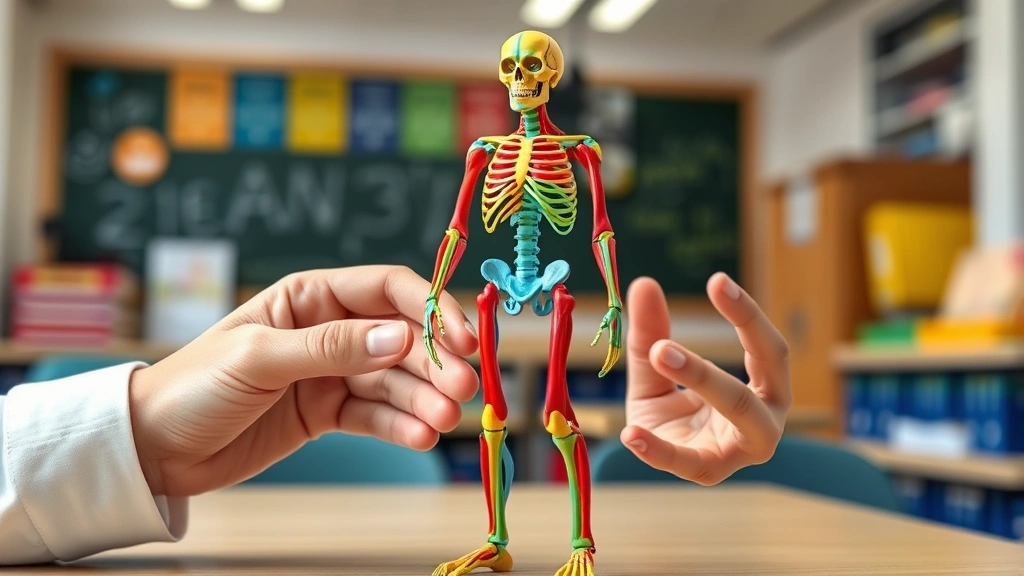
When evaluating anatomy and physiology online courses, several critical factors distinguish exceptional programs from mediocre ones. The best courses combine rigorous scientific accuracy with engaging pedagogical design that accommodates diverse learning styles. Interactive visualization tools are essential—students need the ability to manipulate 3D anatomical models, zoom into cellular structures, and understand spatial relationships that 2D textbooks cannot convey.
Expert instruction matters significantly. Courses taught by experienced anatomy professors or healthcare professionals provide context, clinical relevance, and credibility that enhance learning retention. Comprehensive course materials should include video lectures, detailed lecture notes, high-quality illustrations, quizzes, and practical assessments that align with stated learning objectives.
Assessment methods reveal course quality. Effective online anatomy courses include formative assessments (quizzes, practice questions) that provide immediate feedback, helping students identify knowledge gaps before high-stakes exams. Peer interaction and instructor accessibility through discussion forums, office hours, or live sessions create supportive learning communities that enhance motivation and persistence.
When exploring best online learning websites, prioritize platforms offering robust anatomy programs with these foundational elements. Additionally, consider whether the course provides supplementary resources like anatomy coloring books, flashcard sets, or study guides that reinforce core concepts.
Top Rated Anatomy and Physiology Online Courses
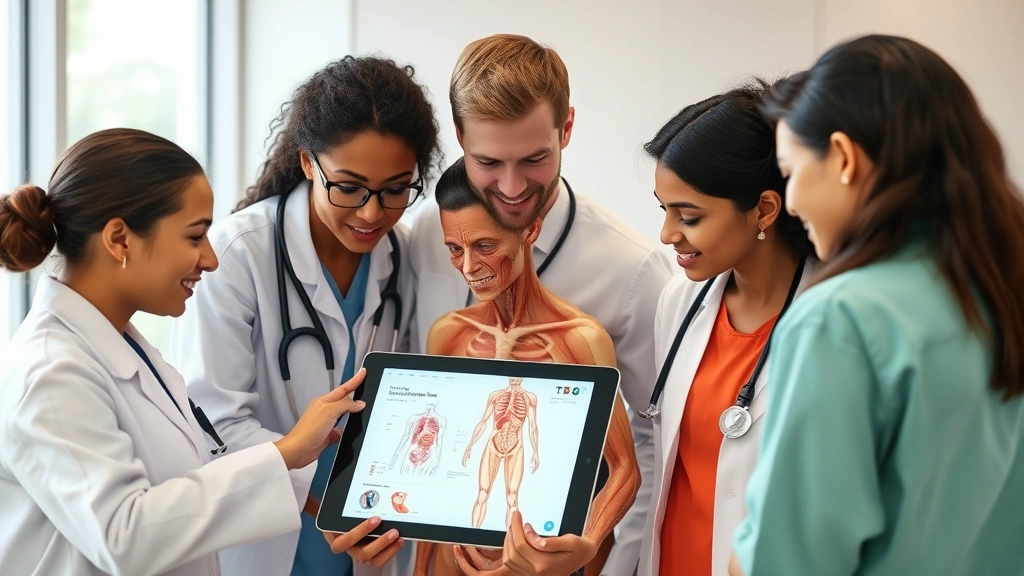
Coursera’s Human Anatomy and Physiology Specialization stands among the most popular options, offering university-level instruction from leading institutions. Students consistently praise the high-quality video production, detailed anatomical animations, and rigorous quizzes that prepare learners for clinical applications. The specialization format allows progression through multiple courses addressing specific body systems.
Udemy’s Complete Anatomy Courses provide affordable, self-paced learning with lifetime access to course materials. Highly-rated instructors create comprehensive lectures covering every anatomical structure with clear explanations and practical clinical correlations. These courses work well for students needing flexible scheduling and immediate content access.
Khan Academy’s Human Body Systems offers free, high-quality educational content suitable for foundational learning. While less comprehensive than paid options, Khan Academy’s clear explanations and accessible approach make it excellent for supplementing primary coursework or introducing anatomical concepts to beginners.
A&P Lab Online through various universities provides credit-bearing anatomy and physiology courses with virtual laboratory experiences. These programs satisfy degree requirements while accommodating distance learners. Check with your institution or explore PCC courses and WMU course offerings to identify accredited options in your region.
Complete Anatomy App (3D4Medical) combines interactive 3D modeling with comprehensive course content. Medical students and healthcare professionals use this tool extensively for detailed anatomical study with the ability to customize views, isolate structures, and understand complex spatial relationships.
Student Reviews and Real Feedback
Verified student reviews reveal what actually works in online anatomy education. Positive reviews consistently highlight interactive 3D models that allow manipulation and exploration of anatomical structures from multiple angles. Students report that these visualization tools significantly improve spatial understanding and retention compared to traditional textbook learning.
“The animations were game-changing for understanding how systems work together,” reports a nursing student who completed a popular online anatomy course. “I finally understood how the cardiovascular system actually functions rather than just memorizing isolated facts.”
Students appreciate instructor responsiveness and community engagement. Courses with active discussion forums where instructors answer questions promptly and students collaborate on problem-solving create more satisfying learning experiences. Many reviewers note that peer interaction motivated them during challenging units on complex systems.
Constructive criticism from reviews identifies common challenges. Some students struggle with self-paced courses requiring high intrinsic motivation. Others find certain platforms’ user interfaces unintuitive or report technical difficulties with video streaming. Importantly, reviews reveal that courses lacking adequate practice questions and assessments leave students uncertain about their comprehension level.
Healthcare professionals returning to education specifically praise courses that connect anatomy to clinical practice. Reviews highlight how case studies, clinical correlations, and real-world applications transform abstract anatomical knowledge into immediately relevant professional understanding.
Check the blog for additional insights on online learning effectiveness and student success strategies.
Interactive Learning Features That Matter
The most engaging anatomy courses incorporate sophisticated interactive features that transform passive viewing into active learning. 3D anatomical models allow students to rotate, zoom, and isolate specific structures, enabling exploration at their own pace. This hands-on approach accommodates kinesthetic learners and builds deeper spatial understanding than static diagrams.
Virtual dissection software provides realistic alternatives to physical laboratory experiences. Students can perform virtual dissections, observe anatomical relationships, and review structures repeatedly without time constraints or specimen availability limitations. This democratizes access to high-quality anatomical learning resources.
Interactive quizzing systems with immediate feedback help students identify knowledge gaps and reinforce learning. Adaptive quizzes that adjust difficulty based on performance provide personalized learning pathways. Spaced repetition features remind students to review material at optimal intervals for long-term retention.
Labeling activities and identification exercises strengthen anatomical vocabulary and recognition skills essential for healthcare professionals. Drag-and-drop interfaces and clickable diagrams make these activities engaging while reinforcing precise terminology.
Video-based case studies and clinical correlations demonstrate how anatomical knowledge applies in healthcare settings. Seeing real clinical examples helps students understand why they’re learning specific anatomical details and motivates deeper engagement with course material.
Live anatomy sessions or recorded Q&A sessions with instructors provide opportunities to clarify complex concepts and hear expert insights. These synchronous or asynchronous interactions create connection and support that isolated self-study cannot replicate.
Cost Comparison and Value Analysis
Online anatomy courses range dramatically in cost, from free resources to premium programs exceeding $500. Free options like Khan Academy and OpenStax provide foundational knowledge without financial investment but may lack depth or interactive features required for clinical preparation.
Affordable subscription courses through Udemy typically cost $10-50 when on sale, offering excellent value for self-paced learners seeking comprehensive content. These one-time purchases provide lifetime access, making them cost-effective for individuals not requiring institutional credit.
Mid-range platforms like Coursera ($40-80 monthly) and Skillshare ($30 annually) offer structured courses with peer interaction and completion certificates. The monthly subscription model works well for learners completing courses within defined timeframes.
Premium credit-bearing courses through universities range from $200-600 per course. While expensive, these programs provide academic credit transferable to degree programs and typically include instructor interaction, proctored exams, and recognized credentials.
Professional anatomy software like Complete Anatomy costs $200-400 annually but provides medical-grade accuracy and comprehensive 3D models used by healthcare professionals worldwide. This investment suits serious students pursuing healthcare careers requiring deep anatomical knowledge.
Evaluating value requires considering your specific needs. Budget learners should explore best online learning websites offering free or low-cost options. Students needing academic credit should prioritize accredited programs despite higher costs. Healthcare professionals seeking professional development may justify premium software investments.
Accreditation and Credit Transfer
Institutional accreditation is critical for courses you plan to use toward degree completion. Regional accreditation ensures quality standards and recognized credentials. When selecting anatomy and physiology online courses, verify that offering institutions hold appropriate regional accreditation.
Credit transfer policies vary significantly between institutions. Before enrolling in credit-bearing courses, confirm that your target institution accepts transfer credits from the course provider. Some universities restrict transfer credits to courses completed through regionally accredited institutions or require grade minimums (typically B or higher).
CLEP and DSST exams offer alternative pathways to earn college credit for anatomy knowledge. Students can complete self-study using online resources then test for credit at much lower costs than traditional coursework. These standardized exams are widely accepted by colleges and universities.
Professional certifications from non-degree programs carry different weight depending on your field. Healthcare certifications through accredited providers enhance professional credentials. Verify that any certification you pursue is recognized within your intended profession.
Research specific requirements from your institution or professional organization. Many nursing programs, for example, require anatomy and physiology courses from regionally accredited institutions with laboratory components. Understanding these requirements before enrolling prevents costly mistakes and time wasted on non-transferable coursework.
Study Tips for Online Anatomy Success
Create a dedicated study space organized specifically for anatomy learning. Having anatomical charts, models, or reference materials within reach during study sessions reduces distractions and maintains focus on complex material requiring sustained concentration.
Adopt active learning strategies rather than passive viewing. Take detailed notes while watching lectures, pause frequently to test your recall, draw diagrams from memory, and create concept maps linking anatomical structures and functions. These activities encode information more deeply than simple note-taking.
Use multiple representation modes to reinforce learning. Study the same anatomical structure through video lectures, 3D models, textbook illustrations, and practice questions. Multiple exposures through different modalities strengthen neural pathways and create flexible knowledge applicable across contexts.
Develop anatomical vocabulary systematically. Learn word roots, prefixes, and suffixes that comprise anatomical terms. Understanding that “gastro-” means stomach or “-itis” means inflammation helps you decode complex terminology and remember terms more effectively.
Create study groups with fellow learners even in online environments. Teaching concepts to peers reveals knowledge gaps and strengthens understanding. Discussion forums, video study sessions, or group messaging apps facilitate collaboration that enhances motivation and learning outcomes.
Space your study sessions across multiple days rather than cramming. Spaced repetition research demonstrates that reviewing material at increasing intervals produces superior long-term retention compared to massed practice. Study anatomy consistently rather than intensively before exams.
Apply clinical thinking early and often. As you learn each anatomical structure, consider its functional significance and clinical relevance. Why does this structure matter? What happens when it malfunctions? This clinical reasoning deepens understanding and prepares you for healthcare applications.
Utilize supplementary resources strategically. Anatomy coloring books, flashcard apps, and anatomy podcasts reinforce core concepts during commutes or breaks. These supplementary materials work best alongside primary coursework rather than as standalone study methods.
FAQ
Which anatomy and physiology online course is best for nursing prerequisites?
For nursing prerequisites, choose credit-bearing courses from regionally accredited institutions. Coursera’s university-level anatomy and physiology courses or direct enrollment through community colleges typically satisfy nursing program requirements. Verify your target nursing program’s specific requirements before enrolling to ensure course acceptance.
Can I get a certificate of completion that employers recognize?
Yes, most online platforms offer certificates upon completion. However, employer recognition depends on the certificate type. Academic degrees and professional certifications carry more weight than course completion certificates. Verify what employers in your field value before choosing a program.
How long does an anatomy and physiology online course typically take?
Self-paced courses typically require 40-80 hours of study time. Structured courses with defined schedules usually span 8-16 weeks meeting traditional semester timeframes. Your completion timeline depends on course format, your prior knowledge, and available study time. Budget accordingly when planning your learning schedule.
Are virtual labs acceptable for healthcare degree requirements?
Many programs now accept quality virtual laboratory experiences, but requirements vary significantly. Some healthcare programs specifically require hands-on physical labs, while others accept virtual alternatives. Confirm your institution’s laboratory requirements before enrolling in any course.
What if I struggle with self-paced online learning?
If self-paced learning challenges you, prioritize courses with structured schedules, instructor interaction, and peer community. Traditional online courses with defined start/end dates and synchronous components provide more external structure than completely asynchronous options. Consider your learning preferences when selecting formats.
How do I know if an online anatomy course is rigorous enough?
Evaluate course rigor by examining assessment methods, course prerequisites, instructor qualifications, and student reviews. Rigorous courses require challenging exams, comprehensive assignments, and demonstrate clear alignment with professional standards. Check whether the course is used by healthcare professional programs as evidence of quality.


