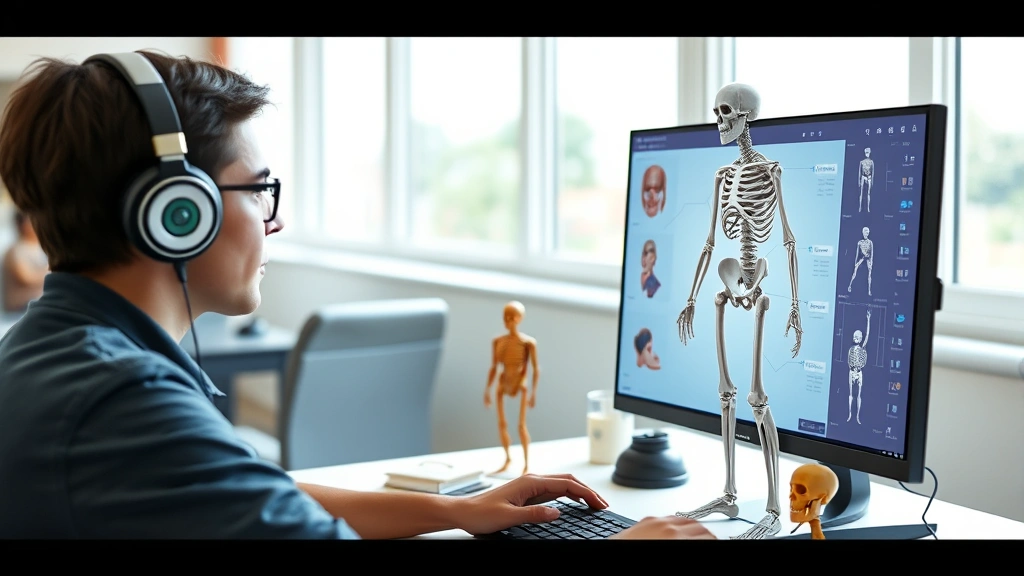
Top Anatomy Course? Expert-Approved Guide to Anatomy and Physiology Online Learning
Choosing the right anatomy and physiology online course can transform your understanding of the human body, whether you’re pursuing healthcare credentials, preparing for medical school, or advancing your nursing career. The digital education landscape has expanded dramatically, offering learners flexible access to world-class instruction from leading universities and medical institutions. However, with countless options available, identifying which courses deliver genuine educational value requires careful evaluation of curriculum quality, instructor expertise, and learning outcomes.
The demand for rigorous anatomy and physiology education has never been higher. Healthcare professionals, pre-med students, fitness coaches, and medical researchers all require comprehensive knowledge of human anatomy and physiological systems. Online learning platforms have democratized access to this specialized knowledge, allowing students worldwide to study from home while maintaining professional or academic commitments. This guide explores the most effective anatomy and physiology online courses, examining what makes certain programs stand out in terms of content depth, interactive learning, and student success rates.
Understanding human anatomy and physiology requires more than passive video watching—it demands engagement with complex systems, interactive visualization, and opportunities to apply knowledge. The best online courses incorporate multiple learning modalities including 3D anatomical models, virtual laboratories, quizzes, and expert instruction to ensure retention and mastery.
What Makes an Excellent Anatomy and Physiology Online Course
Exceptional anatomy and physiology courses share several defining characteristics that distinguish them from mediocre alternatives. First, they feature comprehensive curriculum design that systematically covers all major body systems—skeletal, muscular, nervous, cardiovascular, respiratory, digestive, endocrine, urinary, and reproductive systems. Quality courses don’t simply present information; they establish clear learning objectives aligned with professional standards and educational frameworks recognized by healthcare organizations.
Instructional excellence matters tremendously in anatomy education. The best courses employ instructors with advanced medical credentials, practical clinical experience, and proven teaching ability. These educators understand common misconceptions students face and design explanations that build understanding progressively from basic concepts to complex interactions between systems. They incorporate real-world clinical examples that demonstrate why anatomical knowledge matters in actual healthcare practice.
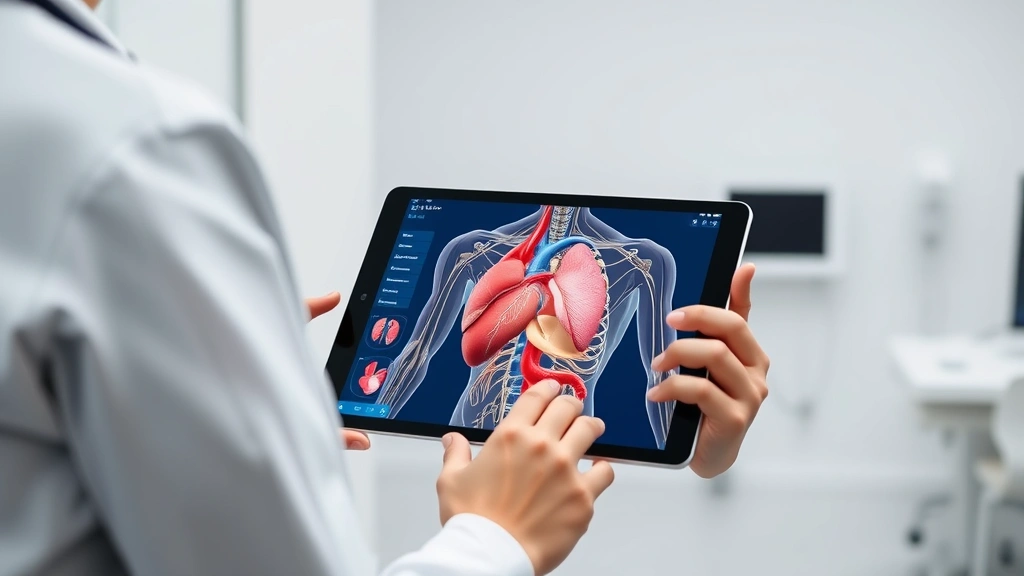
Interactive visualization technology has revolutionized anatomy education. Courses utilizing 3D anatomical models allow students to rotate, zoom, and explore structures from multiple angles—something impossible with static textbook images. Virtual dissection experiences provide safe, ethical alternatives to traditional cadaver labs while offering superior visualization capabilities. These technologies significantly improve retention and spatial understanding compared to traditional methods.
Assessment strategies in top-tier courses go beyond multiple-choice quizzes. They incorporate practical applications like case studies, clinical scenario analysis, and problem-solving exercises that require students to apply anatomical knowledge to real situations. This comprehensive approach to online learning ensures deeper understanding and better transfer of knowledge to professional contexts.
Top-Rated Anatomy and Physiology Online Courses
Coursera’s Human Anatomy and Physiology Specialization stands among the most recognized programs, offered through partnerships with leading universities. This specialization provides structured progression through multiple courses covering all body systems with video lectures, interactive quizzes, and peer-reviewed assignments. The platform’s accessibility and flexibility make it ideal for working professionals.
edX’s Anatomy and Physiology courses deliver university-level instruction with rigorous grading standards. These courses often include laboratory components adapted for online delivery, allowing students to engage with experimental methodology despite distance learning. The platform’s credentialing options add professional value to course completion.
Complete Anatomy represents specialized software designed specifically for anatomy learning. This platform combines detailed 3D models with comprehensive course materials, offering interactive dissection experiences and layered system exploration. Medical schools worldwide use this technology, making it highly relevant for serious students.
Udemy’s Anatomy and Physiology courses vary widely in quality, but top-rated instructors deliver comprehensive coverage at accessible price points. These courses work well for supplementary learning or foundational understanding, though they may lack the rigor of university-backed programs.
LinkedIn Learning’s Human Anatomy courses focus on professional development with practical applications. These shorter courses suit healthcare professionals seeking to update knowledge or explore specific topics without committing to full specializations.
Key Features to Look For
When evaluating anatomy and physiology online courses, prioritize courses offering these essential features:
- 3D Interactive Models: Look for platforms providing manipulable anatomical structures you can explore from multiple angles and in various states of dissection
- Video Quality and Clarity: Ensure videos feature high-definition presentation with clear narration, appropriate pacing, and professional production values
- Comprehensive System Coverage: Verify the course addresses all major body systems with appropriate depth for your educational goals
- Clinical Integration: Seek courses connecting anatomical structures to clinical conditions and medical practice
- Interactive Assessments: Choose programs with varied assessment methods including quizzes, case studies, and practical applications
- Downloadable Resources: Access to lecture notes, study guides, and reference materials supports learning and retention
- Discussion Communities: Peer interaction and instructor access enhance learning through collaborative problem-solving
- Lifetime Access Options: Consider courses allowing permanent access to materials for ongoing reference
These features collectively create learning environments where students can engage deeply with anatomical concepts, visualize complex structures, and apply knowledge meaningfully. When evaluating specific programs, verify which features each course actually provides rather than assuming all online courses include these elements.
Additionally, consider whether courses align with your specific needs. Pre-med students require different emphasis than nursing students or fitness professionals. Some continuing education-focused online courses specialize in professional development, while others emphasize foundational academic preparation.
Comparing Course Formats and Delivery Methods
Self-Paced Asynchronous Courses offer maximum flexibility, allowing you to progress through materials on your schedule. This format suits working professionals and students with unpredictable schedules. However, self-paced learning requires strong self-discipline and internal motivation. Students must manage their own learning timeline without external structure.
Instructor-Led Synchronous Courses feature scheduled class sessions where instructors teach live, answer questions in real-time, and create community among cohorts. These courses provide structure, immediate feedback, and social learning benefits, but require attendance during specific times. They work better for students who thrive with external accountability and real-time interaction.
Hybrid Formats combine recorded lectures with live sessions, offering flexibility alongside instructor interaction. These increasingly popular approaches balance accessibility with community engagement, allowing students to review materials independently while participating in live discussions and assessments.
Competency-Based Progression allows students to advance through material by demonstrating mastery rather than completing fixed time periods. This approach suits fast learners who can progress quickly while supporting struggling students who need additional practice. However, not all platforms offer this flexibility.
Your choice of format should match your learning style, schedule constraints, and motivational needs. Reflective learners often prefer asynchronous formats allowing time for processing, while collaborative learners thrive in instructor-led environments. Consider your past educational experiences—which formats have supported your success previously?
Accreditation and Credential Recognition
Before enrolling in any anatomy and physiology online course, verify accreditation status and credential recognition. University-affiliated courses through Coursera, edX, and similar platforms typically carry institutional credibility. However, independent platforms vary widely in recognition.
Consider your specific credential needs. Healthcare licensure boards typically recognize anatomy coursework from regionally accredited institutions. If your course completion must satisfy professional requirements, verify acceptance with your licensing board before enrolling. Some professional certifications specify which courses satisfy prerequisites, limiting your options but ensuring recognition.
Badges and certificates from online platforms provide value primarily for professional development and resume enhancement, but generally don’t substitute for formal academic credits. If you need college credit, ensure courses offer transcripted credit through established institutions.
Research employer recognition of course credentials. Some healthcare employers specifically recognize certificates from certain providers, while others focus on whether you demonstrate competency regardless of credential type. Connecting with professionals in your target field provides insights into which credentials carry weight in your market.
Student Support and Learning Resources
Quality online courses extend beyond video lectures to provide comprehensive support infrastructure. Instructor accessibility varies significantly—some instructors actively monitor discussion forums while others rarely engage. Courses with responsive instructors offering regular feedback accelerate learning and prevent confusion from festering.
Study materials vary in quality and completeness. Top courses provide well-organized lecture notes, downloadable study guides, reference materials, and supplementary readings. These resources support different learning styles and provide valuable reference materials for future professional practice. Some courses include practice exams mirroring actual professional licensing exams, directly supporting career advancement.
Discussion communities create valuable peer learning when actively moderated. Students helping each other understand difficult concepts often explain concepts effectively, and peer questions frequently highlight gaps in understanding. However, unmoderated forums sometimes spread misinformation, so instructor presence matters significantly.
Technical support becomes crucial when students encounter platform difficulties. Courses with responsive technical teams quickly resolve issues preventing learning progress. Poor technical support can derail learning despite excellent course content.
Accommodations for diverse learners enhance course accessibility. Quality programs provide closed captions for hearing-impaired students, transcripts for those preferring text, and flexible deadlines for students with disabilities or unexpected life circumstances. These accommodations shouldn’t be afterthoughts but intentional design features.
Cost Considerations and Value
Anatomy and physiology online course pricing ranges dramatically from free options to comprehensive programs exceeding several thousand dollars. Understanding cost-benefit relationships helps you make financially sound educational investments.
Free or Low-Cost Options like Khan Academy provide excellent foundational content, though they typically lack interactive features, personalized feedback, and structured progression of more premium offerings. These work well for supplementary learning or initial exploration but may not provide sufficient depth for professional requirements.
Subscription Models like Coursera Plus or LinkedIn Learning Premium provide access to multiple courses for monthly fees. If you plan extensive learning across multiple topics, subscriptions often provide better value than individual course purchases. However, if you need one specific course, subscription costs may exceed single-course pricing.
Individual Course Purchases typically range from $50 to $500 depending on depth, duration, and platform prestige. University-affiliated courses and specialized software like Complete Anatomy command premium pricing but often deliver superior content and recognition.
University Credit Courses may cost significantly more but provide transcripted credit applicable toward degrees. If you need credit toward professional requirements, university courses may represent better long-term value despite higher upfront costs.
Consider your specific return on investment. If course completion advances your career, supports licensure requirements, or enables professional advancement, higher costs become justified. If you’re exploring topics purely for personal interest, free or low-cost options may suffice. Thoughtful course selection ensures your educational investment aligns with your goals and budget.
Many platforms offer trial periods, free previews, or audit options allowing you to evaluate courses before financial commitment. Take advantage of these opportunities to assess instructor quality, content relevance, and platform usability before purchasing.
External Resources for Research:
- Anatomical Society of Australasia – Professional anatomy resources and standards
- Australian Clinical Psychology Association – Healthcare professional development standards
- American Society for Bone and Mineral Research – Evidence-based learning resources
- Nature Scientific Reports – Research on effective online anatomy education
FAQ
What is the best online anatomy and physiology course for beginners?
Coursera’s anatomy specializations and Khan Academy’s anatomy videos provide excellent starting points for beginners. These courses build concepts progressively from basic structures to complex system interactions. Khan Academy’s free content suits casual learners, while Coursera’s structured specialization better serves students needing formal progression and assessment. Choose based on whether you need structured progression or flexible exploration.
Can I earn college credit through online anatomy courses?
Yes, many universities offer transcripted anatomy courses through online platforms. edX, Coursera, and direct university online programs provide college credit options, though costs are typically higher than non-credit courses. Verify with your institution whether they accept transfer credits from your chosen platform before enrolling to ensure credit applicability toward your degree.
How long do typical anatomy and physiology online courses take?
Course duration varies significantly. Self-paced courses might take 4-12 weeks if studied part-time, while comprehensive programs can span several months. Instructor-led courses typically follow semester schedules (8-16 weeks). Your available study time and course depth determine realistic timelines. Most courses recommend 5-10 hours weekly for successful completion.
Do online anatomy courses include laboratory components?
Many quality courses include virtual laboratory experiences using 3D models and simulations. However, these typically don’t replace traditional hands-on labs if those are required for your credential. Some universities offer hybrid programs combining online lectures with occasional in-person laboratory sessions. Verify laboratory requirements for your specific credential needs.
Which anatomy courses are recognized by medical schools?
Medical schools typically recognize anatomy courses from regionally accredited institutions. University-affiliated online courses through established platforms carry strong recognition. However, medical school prerequisites sometimes specify particular institutions or course types. Contact your target medical schools’ admissions offices for their specific course requirements before enrolling.
Are there anatomy courses specifically for nursing students?
Yes, many platforms offer nursing-specific anatomy and physiology courses emphasizing clinical applications relevant to nursing practice. These courses connect anatomical structures to nursing assessments, interventions, and patient care considerations. Nursing-specific courses often integrate pathophysiology more heavily than general anatomy courses, providing more immediately applicable knowledge.
What technology do I need for online anatomy courses?
Most courses require a computer with reliable internet connection and a modern web browser. Some courses benefit from larger screens for viewing 3D models effectively, though tablets work adequately. Most platforms support mobile access, though studying anatomy on phones becomes challenging. Headphones enhance video learning, and some courses recommend having anatomical reference materials available, though most provide digital resources.


