
Top Aruba Golf Courses: Golfer Reviewed Guide
Aruba, a Caribbean island paradise known for its pristine beaches and year-round sunshine, has emerged as an exceptional golf destination for enthusiasts of all skill levels. Whether you’re a seasoned golfer seeking championship-caliber courses or a casual player looking to enjoy the sport in a tropical setting, Aruba offers remarkable golfing experiences that combine world-class design with stunning natural beauty. The island’s unique desert landscape, consistent trade winds, and commitment to maintaining premier facilities have made it increasingly popular among golf travelers worldwide.
This comprehensive guide explores the finest Aruba golf courses, providing detailed reviews, course characteristics, and practical information to help you plan your perfect golfing vacation. From championship layouts to executive courses, discover what makes each venue special and why golfers return to this island destination year after year.
Tierra del Sol Golf Club: Premier Championship Course
Tierra del Sol Golf Club stands as Aruba’s flagship golf destination and one of the Caribbean’s most prestigious courses. Designed by renowned architect Robert Trent Jones II, this championship-caliber layout opened in 1995 and has consistently earned accolades from international golf publications and touring professionals. The course stretches across 6,811 yards and features a par-71 design that challenges golfers while remaining accessible to players of varying abilities.
The course’s routing takes advantage of Aruba’s dramatic landscape, incorporating natural terrain features that include elevated tees, strategic water hazards, and native desert vegetation. Each hole tells a unique story, with stunning views of the Caribbean Sea visible from several premium vantage points. The signature holes at Tierra del Sol showcase the designer’s masterful approach to course architecture, creating memorable experiences that justify the course’s reputation.
What distinguishes Tierra del Sol from other Sedona golf courses and desert layouts is its meticulous maintenance standards. The greens are consistently firm and fast, providing true reads for competitive play. The fairways feature multiple teeing options, accommodating everyone from championship competitors to recreational golfers seeking an enjoyable round. The clubhouse facilities are equally impressive, featuring a full-service pro shop, restaurant, and practice areas that cater to serious players.
Tierra del Sol’s conditioning during the dry season is exceptional, with course managers employing sophisticated irrigation systems to maintain pristine playing surfaces despite the arid climate. The routing ensures that golfers experience varied shot-making opportunities, from dramatic par-3s over water to strategic par-5s that reward intelligent course management.
Aruba Golf Club: Accessible Excellence
The Aruba Golf Club, located in the island’s eastern region, provides an excellent alternative for golfers seeking a more relaxed yet still challenging experience. This par-72 course measures 6,246 yards from the championship tees and offers multiple tee positions that make it welcoming for golfers of all skill levels. The layout emphasizes playability without sacrificing the strategic elements that make golf engaging and rewarding.
Unlike the more dramatic elevation changes at Tierra del Sol, the Aruba Golf Club features a more traditional routing that flows naturally through the landscape. The course incorporates numerous water features, well-positioned bunkers, and strategic rough areas that encourage thoughtful shot selection. The greens at this venue are equally well-maintained and provide fair tests of putting ability across varying slopes and speeds.
The club’s accessibility extends beyond the course itself. The practice facilities are comprehensive, including a driving range, chipping green, and putting practice area where golfers can warm up before their round or refine their techniques during off-peak hours. The clubhouse restaurant serves excellent local and international cuisine, making it an ideal destination for a full day of golf and leisure activity.
The Aruba Golf Club’s philosophy emphasizes creating a welcoming atmosphere for visiting golfers while maintaining competitive integrity. This approach has made it increasingly popular with resort guests and traveling players who value a balanced experience combining sport, social engagement, and Caribbean hospitality.
Course Design and Island Features
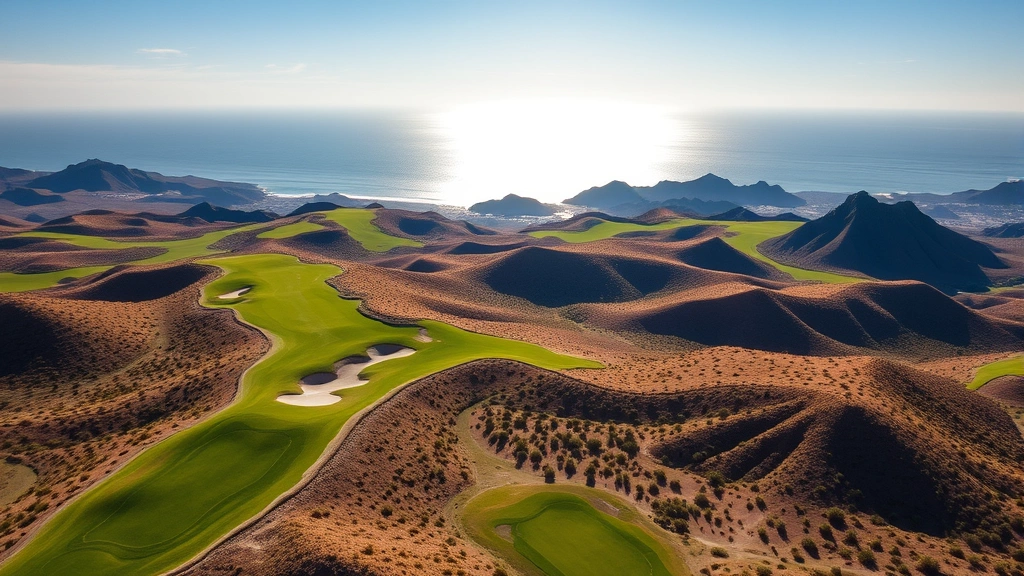
Understanding Aruba’s unique geography is essential for appreciating what makes its golf courses distinctive. The island’s desert environment, characterized by minimal rainfall and consistent trade winds, presents both challenges and opportunities for course designers. Rather than fighting against these natural conditions, the best courses embrace them, creating layouts that feel authentically Aruban rather than artificially imposed.
The native vegetation—including divi-divi trees, aloe, and hardy shrubs—serves both aesthetic and functional purposes on Aruba’s courses. These plants provide visual interest, define fairway corridors, and offer strategic challenges without requiring extensive irrigation or maintenance. The sandy soil drains exceptionally well, allowing courses to maintain firm playing surfaces even during occasional rainy periods.
Wind management represents a critical factor in Aruba golf course design. The consistent trade winds, particularly during winter months, influence club selection, shot trajectory, and overall strategy. Professional course designers leverage these wind patterns to enhance the challenge level and variety of shot-making opportunities. A hole that plays as a long par-4 in calm conditions might become a drivable par-4 with a strong tailwind, or conversely, might require three full shots to reach the green when facing headwinds.
Like the careful design considerations found in Utah golf courses that navigate similar desert terrain, Aruba courses incorporate strategic water placement to create interest without overwhelming the landscape. Lakes, ponds, and coastal hazards are positioned to reward accurate striking while punishing wayward shots. This balance between difficulty and fairness is what separates exceptional courses from merely challenging ones.
Planning Your Golf Trip to Aruba
Organizing a golf-focused vacation to Aruba requires thoughtful planning to maximize your enjoyment and playing opportunities. Begin by selecting your accommodation based on proximity to your preferred courses. Several resort properties offer golf packages that include rounds at premier venues, accommodations, and sometimes ground transportation. These packages often provide better value than booking components separately.
When scheduling your golf trip, consider booking tee times well in advance, particularly during peak season (December through March) when the island experiences the highest visitor volume. Morning tee times are generally preferable, as they provide cooler temperatures and more predictable wind conditions. Most courses encourage players to arrive at least 30 minutes before their scheduled tee time for check-in and practice.
Budget considerations should account for green fees, cart rental, caddie services if desired, and gratuities. Aruba’s courses are well-maintained and professionally operated, and pricing reflects these standards. Many venues offer twilight rates for afternoon rounds, providing an economical option for golfers flexible with their timing. Package deals combining multiple rounds often deliver significant savings compared to daily green fee rates.
Transportation between courses is straightforward, with rental cars readily available and driving times minimal due to the island’s compact size. Alternatively, golf-focused travel companies can arrange dedicated transportation, allowing golfers to relax and enjoy refreshments between rounds. This option appeals particularly to groups or golfers who prefer not to navigate unfamiliar roads.
Similar to researching Tulare golf course conditions and features before visiting, gathering current information about Aruba courses ensures you arrive prepared. Check course websites for recent updates, current conditions reports, and any maintenance schedules that might affect playability during your visit.

Seasonal Considerations and Weather Patterns
Aruba’s location south of the hurricane belt makes it an exceptionally reliable destination year-round, distinguishing it from many Caribbean alternatives. However, understanding seasonal variations helps optimize your golf experience. The dry season, running from January through March, features perfect golfing conditions with comfortable temperatures, low humidity, and generally calm seas. This period attracts the most visitors and commands premium pricing.
The summer months (June through August) offer excellent golf conditions with fewer crowds and significantly lower accommodation costs. While temperatures are warmer, the consistent trade winds provide natural cooling. Afternoon thunderstorms are possible but typically brief, rarely disrupting golf schedules. Many experienced golfers prefer this season for its balance of favorable conditions and reduced tourist density.
The shoulder seasons (April-May and September-November) present attractive opportunities for value-conscious golfers. Conditions remain excellent, courses are in superb shape, and accommodations offer competitive rates. These periods experience fewer tourists, meaning shorter waits at courses and more flexible tee time availability.
Aruba’s consistent weather patterns mean that course conditions remain excellent throughout the year. Unlike many destinations where seasonal variations significantly impact playability, Aruba maintains relatively uniform greenskeeping standards and course setup. This consistency makes it possible to plan a golf trip during virtually any time of year with confidence in finding well-prepared courses.
When preparing for your Aruba golf experience, research the specific conditions you can expect during your travel dates. While the island’s weather is remarkably stable, minor variations in wind patterns and occasional rain can influence playing conditions. Checking recent course reports and weather forecasts a few days before your arrival helps you pack appropriately and mentally prepare for the conditions you’ll encounter.
FAQ
What is the best time of year to play golf in Aruba?
The dry season from January through March offers ideal conditions with comfortable temperatures and minimal rain. However, summer months (June-August) and shoulder seasons provide excellent golf with fewer crowds and better pricing. Aruba’s consistent climate makes it suitable for golf year-round.
How many championship golf courses does Aruba have?
Aruba features two primary championship courses: Tierra del Sol Golf Club and Aruba Golf Club. Both maintain championship standards and welcome golfers of all skill levels through multiple tee options.
Are golf packages available for Aruba resorts?
Yes, many Aruba resort properties offer comprehensive golf packages that bundle accommodations, rounds at premier courses, and sometimes dining and transportation. These packages typically provide better value than booking components separately.
What should I expect regarding green fees at Aruba courses?
Green fees vary seasonally, with peak season rates higher than summer or shoulder season pricing. Expect to pay premium rates during winter months, with opportunities for better values during slower travel periods. Twilight rates and multi-round packages offer additional savings.
Is it possible to play multiple rounds during a golf trip to Aruba?
Absolutely. The island’s compact size and well-maintained course infrastructure make it ideal for multi-day golf itineraries. Many golfers comfortably play 3-4 rounds during a week-long visit, enjoying different courses and various tee times.
What handicap level can comfortably play Aruba’s championship courses?
Both Tierra del Sol and Aruba Golf Club feature multiple tee options accommodating golfers from beginners through professionals. The forward tees provide accessible challenges for developing players, while championship tees test experienced competitors.


