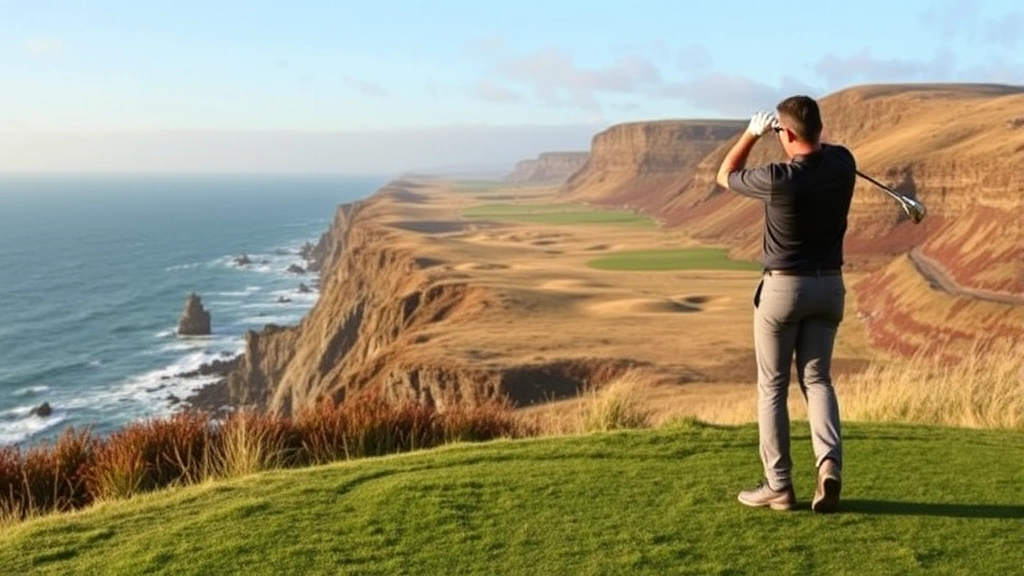
Ireland’s golf landscape is one of the most stunning and challenging in the world, offering golfers an unparalleled experience across dramatic coastal cliffs, rolling emerald fairways, and championship-caliber courses. Whether you’re a seasoned golfer seeking your next adventure or a passionate enthusiast exploring world-class destinations, Ireland delivers exceptional golfing opportunities that combine natural beauty with rigorous design standards. The island boasts over 400 golf courses, many of which rank among Europe’s finest and most prestigious venues.
This comprehensive guide explores the best golf courses in Ireland, highlighting championship layouts, hidden gems, and courses that showcase the country’s unique terrain and golfing heritage. From the windswept links of the west coast to the manicured parkland courses of the midlands, Irish golf offers diverse playing experiences suited to all skill levels and preferences. We’ll examine what makes each course distinctive, the challenges they present, and why they deserve a place on every golfer’s bucket list.
Ballybunion Golf Club: Ireland’s Premier Links Experience
Ballybunion Golf Club stands as one of Ireland’s most celebrated and challenging golf destinations, consistently ranked among the world’s top 20 courses. Located on the southwest coast of County Kerry, this links course features two distinct layouts: the Old Course and the Cashen Course, each offering unique challenges and spectacular Atlantic Ocean views. The Old Course, designed over a century ago, has hosted numerous prestigious tournaments and remains a bucket-list destination for serious golfers.
The course’s design takes full advantage of the dramatic natural landscape, with towering sand dunes, treacherous rough, and strategically positioned hazards that demand precision and course management. Ballybunion’s par-71 Old Course stretches approximately 6,600 yards and presents formidable challenges through its finishing holes, particularly the famous 11th hole with its blind tee shot over dunes. The Cashen Course, designed by Robert Trent Jones Sr., provides a more modern interpretation of links golf while maintaining the rugged character that defines Irish coastal courses.
Visiting Ballybunion requires advance planning, as the course maintains strict handicap requirements (28 or lower for men, 36 for women) and booking can extend months in advance during peak season. The clubhouse offers excellent facilities and hospitality, reflecting the course’s status as one of golf’s most respected institutions. Many golfers consider playing Ballybunion a rite of passage in their golfing journey.
Royal County Down: Northern Ireland’s Masterpiece
Royal County Down, situated near Newcastle in County Down, consistently ranks as the top-rated course in Ireland and frequently appears in world’s best golf course lists. The course’s setting beneath the Mountains of Mourne provides one of golf’s most visually stunning backdrops, with fairways winding through natural dunes and rough terrain that feels completely untamed. The championship layout stretches over 7,000 yards and demands exceptional shot-making from tee to green.
The design philosophy emphasizes natural hazards over constructed obstacles, with the course routing through native grasses, gorse bushes, and strategic bunkering that rewards intelligent play. Royal County Down’s opening hole sets the tone immediately, requiring a precise drive to avoid the right-side rough before approaching the elevated green. The back nine intensifies in difficulty, with the par-5 9th hole presenting one of golf’s most memorable par-5 finishes, followed by the demanding par-4 10th.
Royal County Down maintains exceptional standards for pace of play and course conditioning, with greens that roll true and fairways maintained to championship specifications. The course operates with a strict handicap requirement (single digits for men, low teens for women) and booking requires substantial lead time. The clubhouse provides first-class amenities and the course regularly hosts professional tournaments and amateur championships, further solidifying its reputation as Ireland’s premier golf destination.
When comparing links courses, many golfers find value in exploring par 3 golf courses as alternatives for shorter rounds that still challenge your technique and course management skills.
Portmarnock Golf Club: Dublin’s Championship Venue
Portmarnock Golf Club, located just north of Dublin on the Irish coast, represents one of Europe’s finest links courses and a regular host of major professional tournaments. The course has hosted the Irish Open multiple times and consistently ranks among Ireland’s top courses, offering a more accessible championship experience than some remote coastal venues. Portmarnock’s location near Dublin makes it an ideal inclusion in a broader Irish golf tour.
The course features 18 holes of exceptional links golf, with the front nine playing through more open terrain and the back nine incorporating dramatic dunes and coastal hazards. Portmarnock’s design rewards aggressive play from golfers with the skill to execute precise shots under pressure, while the rough and strategic bunkering punish wayward drives severely. The par-5 18th hole provides a memorable finishing hole, with the green positioned against the Irish Sea and requiring accurate approach play to secure a birdie opportunity.
Portmarnock maintains membership standards that allow guest play through introduction by a member or booking through recognized golf tour operators. The course offers excellent facilities including a modern clubhouse, practice areas, and coaching services. Its proximity to Dublin makes it convenient for golfers combining their Irish golf experience with visits to the capital city, and the course welcomes international visitors regularly through established booking channels.
Lahinch Golf Club: West Coast Treasure
Lahinch Golf Club, situated on the west coast of Ireland in County Clare, offers a quintessential links experience with dramatic seaside scenery and challenging design that tests all aspects of golfing ability. The course routing through natural dunes and alongside Liscannor Bay creates an atmosphere of isolation and natural beauty that distinguishes Lahinch from more manicured championship venues. The links character remains authentic, with minimal construction and maximum reliance on natural hazards.
The course features two distinct nines, each presenting unique challenges and characteristics. The front nine plays through more open terrain with strategic bunkering, while the back nine incorporates tighter fairways and more substantial rough. Lahinch’s par-3 holes deserve particular attention, with each presenting different challenges and requiring careful club selection based on wind conditions—a critical factor on this exposed coastal layout. The finishing holes provide memorable finishes, with the par-4 18th offering a dramatic conclusion alongside the ocean.
Lahinch welcomes international visitors and booking can be arranged directly with the club or through golf tour operators. The course maintains reasonable handicap requirements compared to Ireland’s most exclusive venues, making it accessible to a broader range of golfers. The surrounding area offers excellent hospitality, with nearby villages providing accommodation and dining options for golfers planning multi-day visits.
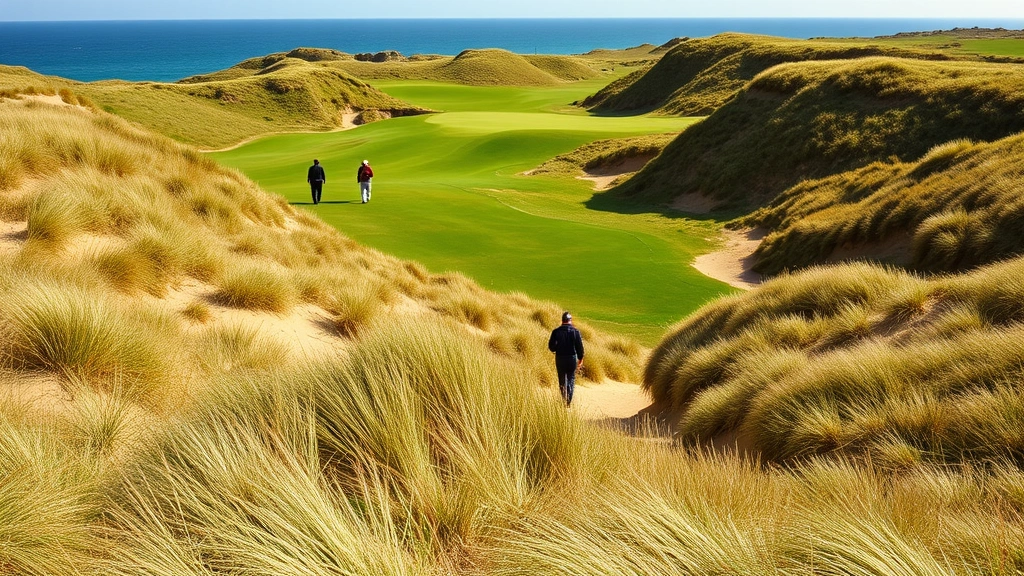
Royal Portrush: Links Excellence in Ulster
Royal Portrush Golf Club, located on the north coast of Northern Ireland in County Antrim, gained international prominence by hosting the Open Championship in 2019—the first time in 68 years that a course in Northern Ireland hosted this major championship. The course’s Dunluce Links layout represents one of the world’s finest links designs, with dramatic cliff-top positioning and views across the Atlantic Ocean. Royal Portrush combines championship-caliber design with the raw natural beauty that defines Irish coastal golf.
The course layout takes full advantage of the dramatic topography, with fairways tumbling through dunes and several holes positioned directly on cliff edges overlooking the ocean. The par-4 5th hole, known as “Calamity Corner,” requires a precise tee shot over a chasm to reach the fairway, exemplifying the dramatic nature of holes throughout the course. The closing stretch provides an unforgettable finish, with the par-3 17th hole playing directly toward the ocean cliffs and the par-4 18th offering a dramatic conclusion.
Royal Portrush maintains strict booking protocols and advance reservations are essential, particularly during peak season. The club operates with handicap requirements and typically requires booking through recognized golf tour operators or member introductions. The course regularly hosts professional tournaments and championships, maintaining its status as one of the world’s most respected links venues. The clubhouse provides exceptional facilities and hospitality befitting the course’s prestigious status.
Tralee Golf Club: Kerry’s Spectacular Design
Tralee Golf Club, designed by Arnold Palmer and located in County Kerry, represents a different approach to Irish golf course design, blending links characteristics with parkland elements in a stunning clifftop setting. Palmer’s vision created a course that captures the essence of Irish coastal golf while incorporating design principles that emphasize playability alongside championship challenge. The course routing through Barrow Harbour provides dramatic scenery and consistently challenging conditions.
The design features wide fairways that encourage aggressive play, contrasting with the severe rough and strategic bunkering that punishes errant shots. Tralee’s holes flow naturally through the landscape, with the course utilizing elevation changes and natural features to create visual drama and playing challenges. The par-5 holes present birdie opportunities for skilled players, while the par-3 holes demand precision and accurate club selection. The finishing holes provide memorable conclusions, with the ocean visible from multiple holes in the closing stretch.
Tralee welcomes international visitors and booking can be arranged through the club directly or via golf tour operators. The course maintains reasonable accessibility standards compared to Ireland’s most exclusive venues, though advance reservations are recommended, particularly during peak tourist season. The surrounding area offers excellent accommodations and dining, making Tralee an ideal base for golfers exploring southwest Ireland’s diverse courses.
Waterville Golf Links: Remote Coastal Beauty
Waterville Golf Links, situated on the remote southwestern coast of County Kerry, represents one of Ireland’s most dramatic and challenging links courses, with an isolated location that adds to its mystique and appeal. The course design by Eddie Hackett emphasizes the natural landscape, with fairways winding through dunes and rough terrain that feels completely untamed. Waterville’s remoteness means fewer visitors than more accessible courses, creating a more exclusive and serene golfing experience.
The course layout features dramatic elevation changes and strategic bunkering that demands precision from the tee and consistent approach play. Waterville’s par-5 holes present genuine scoring opportunities, while the par-4s test course management and shot selection severely. The par-3 holes showcase the dramatic natural landscape, with several playing over ocean inlets and requiring accurate club selection based on wind conditions—a constant factor on this exposed coastal venue. The finishing holes provide an unforgettable conclusion, with the ocean visible and the dramatic landscape creating an emotional atmosphere.
Waterville requires advance booking and maintains handicap requirements (12 or lower for men, 24 for women). The remote location necessitates planning, as the nearest significant town of Waterville is several hours from major Irish cities. However, golfers who make the journey discover a world-class links experience that justifies the travel investment. The clubhouse provides adequate facilities and the course maintains exceptional conditioning standards.
For golfers interested in exploring diverse course types, consider researching Sedona golf courses or Utah golf courses as alternatives that offer different climatic and design experiences compared to Irish links golf.
Choosing Your Irish Golf Course
Selecting which Irish courses to play requires consideration of multiple factors including skill level, available time, budget, and personal preferences regarding course type and location. Golfers with single-digit handicaps can pursue the most exclusive and challenging courses like Ballybunion and Royal County Down, while mid-handicap players might find par 3 golf courses or more accessible championship venues more enjoyable. Budget considerations should account for green fees, accommodation, and travel, as some remote courses require multi-day planning.
Geographic planning significantly impacts the Irish golf experience, as courses cluster in specific regions. Southwest Kerry offers concentrated excellence with Ballybunion, Tralee, and Waterville within reasonable driving distance, allowing golfers to experience multiple championship courses during a single trip. The east coast near Dublin provides easier accessibility with Portmarnock and other excellent courses within the capital’s vicinity. Northern Ireland offers Royal Portrush and Royal County Down as world-class alternatives requiring separate travel planning.
Booking strategy should prioritize courses months in advance, particularly for peak season (May through September) and during major tournament hosting periods. Many courses require booking through recognized golf tour operators, while others accept direct reservations. Building relationships with golf travel specialists familiar with Irish courses streamlines the booking process and ensures access to otherwise restricted venues. Flexibility regarding dates and backup course selections accommodates the inevitable booking challenges that arise when pursuing Ireland’s most exclusive courses.
Weather considerations should influence course selection and packing decisions, as Irish coastal courses experience dramatic wind conditions and frequent rain that dramatically impact playing conditions. Links courses demand different equipment and mental preparation than parkland venues, with lower trajectory shots and creative shot-making essential for success. Understanding course conditions and adjusting expectations accordingly ensures a more enjoyable experience and realistic scoring.
When planning your Irish golf adventure, consider combining multiple course types. Pair links courses like championship links experiences with parkland alternatives to diversify your experience. Research local golf clubs and municipal courses as excellent secondary options that provide authentic Irish golf experiences at more accessible price points. Many golfers discover that secondary courses often provide superior value and equally memorable experiences compared to the most famous and expensive venues.
FAQ
What is the best time to visit Irish golf courses?
Peak season runs May through September, offering longer daylight hours and more predictable weather, though costs increase significantly. April and October provide excellent alternatives with fewer crowds and reasonable conditions, while winter months present challenging weather but potentially easier booking availability. Consider your skill level and weather tolerance when selecting visit timing.
Do I need a low handicap to play Ireland’s top courses?
Most championship courses require single-digit to low-teen handicaps, though requirements vary. Many excellent courses welcome mid-handicap players, and numerous alternatives provide outstanding experiences at more accessible standards. Contact courses directly or work with tour operators to identify venues matching your current handicap level.
How far in advance should I book Irish golf courses?
Premier courses like Ballybunion and Royal County Down require 6-12 months advance booking during peak season. Secondary courses may accept bookings 3-6 months in advance. Flexibility regarding dates significantly improves booking success, as does working with established golf tour operators familiar with Irish course access protocols.
What should I pack for playing Irish golf courses?
Pack waterproof clothing, wind-resistant layers, and quality rain gear regardless of season. Bring multiple golf balls as links courses feature severe rough and water hazards. Quality footwear with good traction handles damp conditions, and sunscreen provides essential protection during rare sunny periods. Consider specialized links golf equipment and lower-trajectory club selections.
Can I play multiple top courses during a single trip?
Yes, geographic clustering allows golfers to experience multiple championship courses. Southwest Kerry offers Ballybunion, Tralee, and Waterville within reasonable driving distance. East coast courses near Dublin provide convenient access. Plan 4-7 days for a comprehensive Irish golf experience combining multiple championship venues.
What is the typical cost of playing Ireland’s best courses?
Green fees range from €50-200+ per round depending on course prestige and season. Premium courses like Ballybunion and Royal County Down charge €150-200+. Budget should include accommodation, meals, and travel, bringing total trip costs to €2,000-5,000+ for a week-long Irish golf experience depending on course selection and accommodation choices.


