Botox Training Courses: Expert Recommendations for Healthcare Professionals
The demand for aesthetic medicine professionals has surged dramatically over the past decade, with botulinum toxin injections becoming one of the most sought-after cosmetic procedures worldwide. Whether you’re a nurse, physician assistant, dentist, or other licensed healthcare professional, pursuing specialized botox training courses can significantly expand your career opportunities and earning potential. However, selecting the right training program requires careful consideration of accreditation, instructor expertise, hands-on practice opportunities, and ongoing support.
This comprehensive guide examines the landscape of botox training courses, helping you understand what separates excellent programs from mediocre ones. We’ll explore essential components of quality training, credential requirements, and how to evaluate courses that align with your professional goals and licensing status.

Understanding Botox Training Requirements
Before enrolling in any botox training course, it’s crucial to understand that botulinum toxin injection is a prescription pharmaceutical procedure. Unlike general continuing education, this training involves administering a controlled substance that requires proper licensure and regulatory compliance. The foundation of legitimate botox training rests on several prerequisites.
First, you must hold an active, unrestricted professional license in a healthcare field. Acceptable licensure typically includes physicians (MDs, DOs), nurse practitioners, registered nurses, physician assistants, dentists, and in some states, aestheticians with specific additional credentials. Each state maintains different regulations regarding who can legally administer botox injections, making it essential to verify local requirements before investing in training.
The scope of practice varies significantly by jurisdiction. Some states permit only physicians to inject botox, while others allow nurse practitioners and physician assistants under physician supervision. Understanding these legal frameworks prevents costly mistakes and ensures your training investment directly translates to professional practice opportunities.
Quality botox training courses address these regulatory nuances comprehensively. They don’t simply teach injection technique; they educate participants about state-specific regulations, malpractice considerations, informed consent requirements, and proper documentation. This foundational knowledge separates professional training from unaccredited workshops.

Key Components of Quality Training Programs
Exceptional botox training courses share several essential characteristics that distinguish them from inferior alternatives. Understanding these components helps you evaluate programs critically and make informed decisions.
Comprehensive Anatomy Education
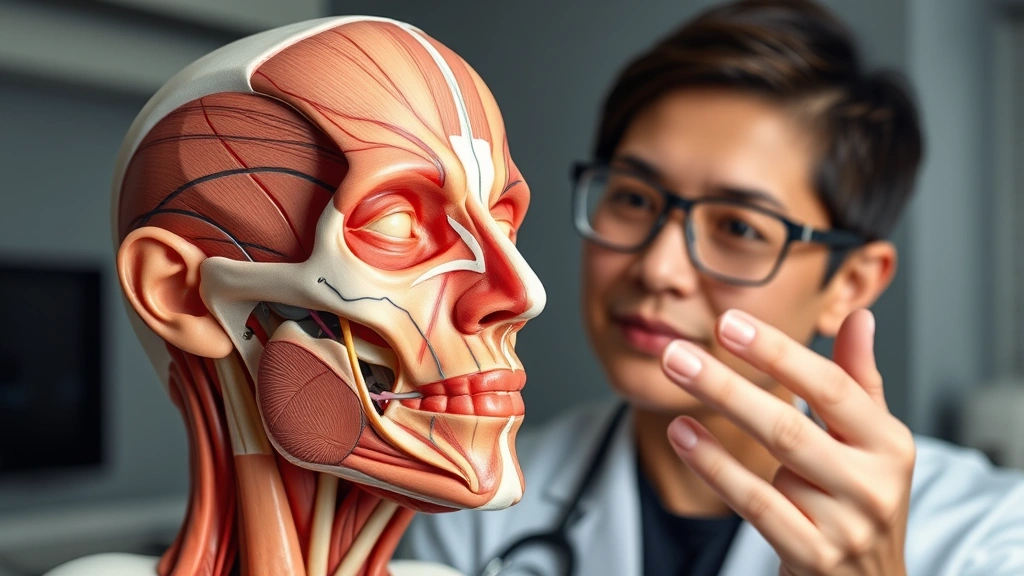
The foundation of safe botox administration lies in detailed understanding of facial anatomy. Quality courses dedicate substantial time to the muscular and vascular structures of the face, including the superficial musculoaponeurotic system (SMAS), blood vessel distribution, and nerve pathways. This anatomical knowledge prevents complications like vascular occlusion, nerve injury, and undesired diffusion of the product.
Instructors should use three-dimensional models, cadaveric specimens when possible, and detailed illustrations to demonstrate anatomical relationships. Understanding why certain injection depths, angles, and placement strategies work prevents common errors that compromise results or cause patient harm.
Hands-On Practice Requirements
The most critical differentiator between excellent and poor botox training courses is the quantity and quality of practical experience. Legitimate programs provide extensive practice on anatomically accurate models before any instructor demonstrates live patient injections. Participants should perform multiple injections on practice models under direct supervision, receiving immediate feedback on technique, needle depth, and product placement.
Leading programs typically require 10-20 hours of hands-on practice on models, observation of live injections, and supervised injections on models simulating various facial anatomy variations. This extensive practice develops the muscle memory and confidence necessary for safe clinical application.
Product Knowledge and Pharmacology
Understanding botulinum toxin pharmacology extends beyond knowing brand names. Quality courses explain the mechanism of action, onset timing, peak effect duration, metabolism, and longevity of different formulations. Participants learn why certain products suit specific patient presentations and how to manage expectations regarding results timeline.
Comprehensive instruction covers the differences between FDA-approved products (Botox, Dysport, Xeomin, Jeuveau), including unit equivalencies, diffusion patterns, and clinical indications. This knowledge enables professionals to select appropriate products and manage patients effectively across multiple treatment cycles.
Complication Management
Even experienced injectors encounter adverse events. Quality botox training courses dedicate significant curriculum time to recognizing, preventing, and managing complications. Instruction should cover brow ptosis, eyelid drooping, asymmetrical results, allergic reactions, and rare but serious events like vascular occlusion.
Professionals learn recognition criteria for each complication, prevention strategies specific to injection placement and technique, and management protocols ranging from reassurance and observation to urgent medical intervention. This preparation ensures you can respond appropriately if complications occur.
Accreditation and Certification Standards
The aesthetic medicine field includes both rigorous, accredited training programs and questionable workshops with minimal educational value. Distinguishing between them requires understanding accreditation bodies and certification standards.
Recognized Accreditation Organizations
Several organizations establish standards for aesthetic medicine training. The American Board of Aesthetic Medicine (ABAM) provides board certification for physicians, requiring documented training hours, case submissions, and examination passage. While not all quality programs lead to ABAM certification, programs seeking this credential must meet stringent requirements.
The American Academy of Aesthetic Medicine (AAAM) and the American Society of Plastic Surgeons (ASPS) maintain educational standards and provider networks. Many excellent botox training courses align with these organizations’ guidelines, even if formal certification isn’t pursued.
State nursing boards and medical boards occasionally provide guidance on acceptable continuing education for aesthetic procedures. Consulting your state’s regulatory body clarifies which programs meet legal requirements for maintaining your professional license.
Evaluating Credential Claims
Be cautious of programs claiming “certification” without clarifying the issuing organization. Any organization can create a certificate; legitimate certification comes from recognized bodies with established standards and examination processes. Verify accreditation through official websites rather than accepting course marketing materials at face value.
Ask specific questions: Does the program provide case-based assessment? Do instructors hold relevant credentials? Does the organization maintain liability insurance and malpractice coverage for participants? Legitimate programs answer these questions transparently.
Selecting the Right Training Provider
With numerous botox training courses available, systematic evaluation ensures you select a program matching your needs and professional goals.
Instructor Credentials and Experience
The most important factor is instructor quality. Seek programs taught by physicians or advanced practice nurses with extensive aesthetic medicine experience, ideally 5+ years of active practice. Instructors should hold relevant certifications, contribute to professional literature, and maintain active clinical practices.
Many excellent training providers offer courses through their own aesthetic clinics, allowing instructors to share real-world experience and demonstrate techniques on actual patients (with appropriate consent and privacy protections). This integration of education and practice creates superior learning experiences.
Program Duration and Structure
Comprehensive botox training typically requires 2-4 days of intensive instruction for foundational certification. Shorter workshops (single-day programs) may provide introductory knowledge but insufficient hands-on practice for safe independent practice. Longer programs (5+ days) often include advanced techniques, combination therapies, and specialized applications.
Consider whether the program structure accommodates your schedule. Some providers offer weekend intensives, while others provide extended programs across multiple weeks. Online components for theoretical knowledge combined with in-person hands-on sessions represent an increasingly popular hybrid model.
Cost Considerations and Value Assessment
Botox training courses range from $1,000 to $5,000+, with significant variation based on duration, instructor expertise, and included materials. While cost shouldn’t be the primary decision factor, extremely inexpensive programs may indicate insufficient hands-on practice or inadequate instructor compensation.
Evaluate total value: Does the course include materials, models, and supplies? Are there additional costs for certification or ongoing support? Do you receive recorded lectures for review? Many quality programs provide extensive resources beyond the classroom experience, justifying higher initial costs through long-term utility.
Post-Training Support and Mentorship
Excellent programs don’t end when the course concludes. Leading providers offer ongoing support through case consultation, refresher training, and mentorship as you develop your aesthetic practice. Some programs maintain alumni networks facilitating peer learning and professional development.
Ask whether instructors remain available for questions during your initial patient cases. Access to experienced practitioners who can review your technique and provide feedback dramatically accelerates your clinical competency and confidence.
Advanced Specialization Opportunities
After completing foundational botox training, many professionals pursue advanced specializations expanding their aesthetic capabilities and earning potential.
Combination Therapy Training
Botox frequently combines with dermal fillers, laser treatments, and chemical peels for superior results. Advanced courses teach how to integrate botox with complementary procedures, understanding how different modalities interact and sequencing treatments appropriately. This knowledge enables you to offer comprehensive aesthetic solutions addressing multiple aging concerns simultaneously.
Specialized Anatomical Applications
Advanced training covers applications beyond traditional forehead, glabella, and crow’s feet treatment. Specialized techniques include jawline contouring, neck rejuvenation, smile design, and gummy smile correction. These applications require deeper anatomical knowledge and more refined injection technique than foundational training provides.
Building Your Aesthetic Practice
Many professionals discover that successful aesthetic medicine practice requires business and marketing knowledge alongside clinical skills. Some advanced programs include modules on patient consultation, managing expectations, building client retention, and developing sustainable aesthetic practices. Understanding the business dimensions of aesthetic medicine prevents common pitfalls and accelerates practice growth.
Consider exploring resources like Course Connect for ongoing professional development opportunities that complement your botox training investment.
FAQ
What licensing do I need before taking botox training courses?
You must hold an active, unrestricted professional license in a healthcare field. Acceptable licenses typically include physicians, nurse practitioners, registered nurses, physician assistants, and dentists. Specific requirements vary by state, so verify your jurisdiction’s regulations before enrolling. Some states have additional restrictions or supervision requirements for certain license types.
How long does botox training typically take?
Foundational botox training courses usually require 2-4 days of intensive instruction. However, developing true clinical competency typically involves 10-20 hours of hands-on practice on models plus observation and supervised practice on actual patients. Plan for 3-6 months of active practice before achieving independent proficiency with consistent, aesthetic results.
Is online-only botox training sufficient?
No. While online components can effectively teach theoretical knowledge and anatomy, hands-on injection practice requires in-person instruction. Legitimate programs combine online learning with mandatory in-person practical sessions. Be wary of programs claiming to provide complete training entirely online, as they cannot provide adequate supervised practice opportunities.
How much can I earn after completing botox training?
Earnings vary significantly based on location, patient demand, practice setting, and experience level. Many professionals charge $150-300 per treatment area, with most treatments involving multiple areas. Experienced injectors in high-demand markets can generate substantial additional income through aesthetic services. However, success requires combining excellent clinical skills with effective marketing and patient management.
Can I practice botox injections after completing training?
This depends entirely on your professional license and state regulations. Some states permit only physicians to inject botox independently, while others allow nurse practitioners and physician assistants under physician supervision. Verify your state’s specific regulations before offering botox services. Working with an appropriate supervising physician ensures legal compliance and proper oversight during your early practice.
Should I pursue board certification after botox training?
Board certification through organizations like the American Board of Aesthetic Medicine demonstrates advanced competency and commitment to professional standards. While not legally required, certification enhances credibility, may increase patient confidence, and supports practice marketing. However, excellent clinical practice is possible without formal board certification if you choose quality training and maintain rigorous continuing education.


