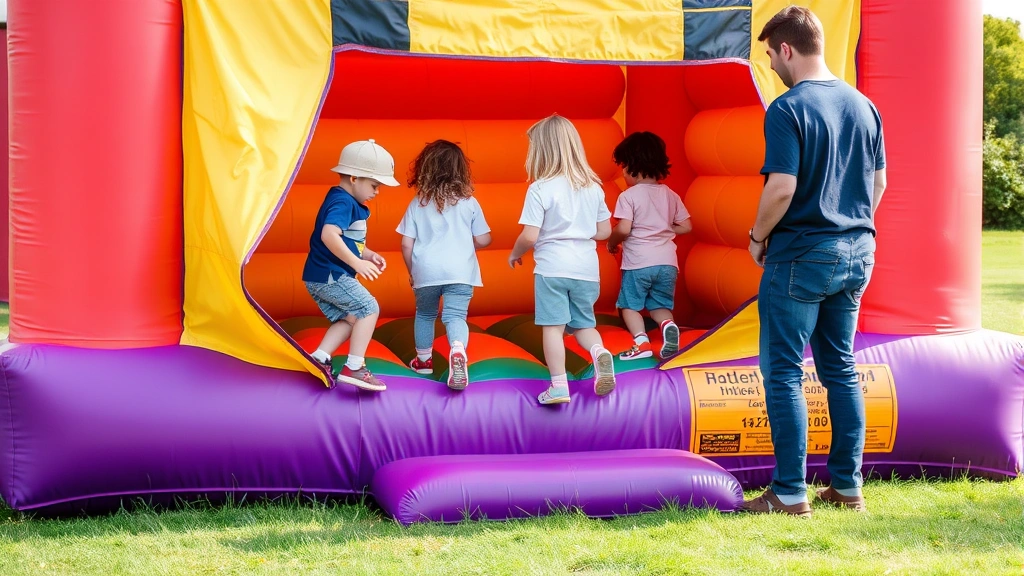
Bounce House Fun: Expert Safety Tips Inside
Bounce houses have become a staple at children’s birthday parties, school events, and community gatherings. These inflatable structures provide hours of entertainment and physical activity for kids of all ages. However, with the excitement and joy comes the responsibility of ensuring a safe environment. Understanding proper safety protocols, supervision techniques, and maintenance practices is essential for anyone organizing or managing a bounce house obstacle course. This comprehensive guide will equip you with expert knowledge to keep children safe while maximizing their fun.
The popularity of bounce houses continues to grow, but so does the importance of understanding the risks associated with them. According to research from the Consumer Product Safety Commission, thousands of children visit emergency rooms annually with injuries related to inflatable structures. Many of these incidents are preventable through proper education, supervision, and adherence to safety guidelines. Whether you’re a parent, event organizer, or educator, this guide provides evidence-based recommendations to create a secure bounce house experience.

Understanding Bounce House Basics and Safety Standards
Bounce houses come in various designs, from simple single-chamber structures to complex multi-level obstacle courses. Each type presents unique safety considerations that operators must understand thoroughly. The American Society for Testing and Materials (ASTM) has established comprehensive safety standards specifically for inflatable bounce houses and related structures. These standards address everything from material specifications to operational requirements, providing a framework that responsible operators should follow religiously.
When selecting a bounce house, particularly a bounce house obstacle course, it’s crucial to verify that the structure meets ASTM F2374 standards. This standard covers inflatable bounce houses and establishes requirements for design, manufacturing, labeling, and use instructions. The standards ensure that seams are properly reinforced, materials can withstand repeated use, and safety features like anchor points are adequately designed. Understanding these technical aspects helps parents and event planners make informed decisions about which structures to rent or purchase.
Different types of bounce houses require different safety approaches. A basic bouncer focuses primarily on vertical jumping safety, while an obstacle course bounce house introduces additional hazards like slides, climbing walls, and tunnels. Each element adds complexity and requires specific supervision strategies. Learning about these distinctions helps you develop appropriate safety protocols tailored to your specific structure. Many educational institutions, including specialized training programs, now offer courses on recreational equipment safety management.

Pre-Event Inspection and Maintenance Protocols
Before every use, a thorough inspection of the bounce house is non-negotiable. This inspection should follow a standardized checklist to ensure nothing is overlooked. Begin by examining the exterior for visible tears, holes, or punctures in the fabric. Pay special attention to seams, corners, and areas where different sections connect, as these are common failure points. Check the integrity of all vinyl patches and repairs from previous incidents.
The blower system is the heart of any bounce house, and its proper function is essential for safety. Verify that the blower motor starts smoothly and produces adequate airflow to keep the structure fully inflated throughout use. Listen for unusual noises that might indicate mechanical problems. Ensure the blower is positioned on level ground away from water sources and has appropriate electrical connections with proper grounding. A failing blower can result in partial deflation during use, creating a dangerous situation for children inside.
Anchor points and securing mechanisms deserve careful attention during pre-event inspection. All stakes, straps, and connection points should be examined for damage or wear. If using a bounce house obstacle course, verify that all additional components—slides, climbing structures, and tunnels—are securely attached and show no signs of separation or instability. Document your inspection with photographs and written notes, creating a record that demonstrates your commitment to safety. This documentation can be invaluable if questions arise about maintenance procedures. For those interested in comprehensive safety training, understanding human physiology helps recognize injury patterns and appropriate response.
Regular maintenance between events is equally important. After each use, the bounce house should be cleaned and dried thoroughly to prevent mold growth and material degradation. Store the structure in a cool, dry location away from direct sunlight, which can damage vinyl over time. Periodically test seams and patches by applying soapy water and looking for air leaks. Address any damage immediately rather than waiting for a scheduled repair. This proactive approach extends the life of your bounce house and maintains its safety integrity.
Supervision Strategies for Maximum Safety
Proper supervision is perhaps the most critical factor in preventing bounce house injuries. Research from the American Academy of Pediatrics emphasizes that constant, attentive adult supervision significantly reduces injury rates. For a basic bounce house, the general recommendation is one trained supervisor per 10-15 children. For more complex structures like a bounce house obstacle course, supervision ratios should be tighter—one supervisor per 5-8 children is more appropriate given the increased hazards.
Supervisors must be positioned to maintain clear sightlines of all areas of the bounce house at all times. This often requires multiple supervisors for larger structures. They should stand outside the structure with an unobstructed view of entry points, the interior, and exit areas. Supervisors need to be alert and focused—not distracted by conversations, phones, or other activities. They should understand the rules, enforce them consistently, and be trained to recognize signs of injury or distress in children.
Establishing and enforcing clear rules creates a safer environment for all participants. Rules should be posted visibly and communicated verbally to children and parents before entry. Common essential rules include: remove shoes and sharp objects before entering, no roughhousing or aggressive play, no jumping on other children, no climbing on walls or structures outside designated areas, and respect the maximum capacity limit. Children should enter and exit through designated areas, not by climbing over walls. For groups participating in educational programs, structured learning environments teach children to follow safety protocols systematically.
Age segregation is an important supervision strategy often overlooked. Mixing very young children (ages 3-5) with older children (ages 10+) increases injury risk significantly. Younger children lack the coordination and judgment of older children, and collisions between different age groups cause more severe injuries. When possible, schedule separate sessions for different age groups, or at minimum, designate specific areas within larger structures for younger children.
Age-Appropriate Usage Guidelines
Not all bounce houses are appropriate for all ages. Manufacturers typically provide age and weight recommendations that should be strictly followed. These recommendations are based on engineering calculations and testing, not arbitrary restrictions. A bounce house designed for children ages 5-12 may not provide adequate safety features for toddlers or teenagers.
Very young children (ages 2-4) require the most careful consideration. They lack the physical control and judgment to navigate even basic bounce houses safely. If young children use bounce houses, structures should be specifically designed for this age group with lower ceilings, gentler bouncing action, and constant one-on-one supervision. Many pediatricians recommend avoiding bounce houses entirely for children under age 4.
School-age children (ages 5-12) represent the ideal age group for bounce house use. This age group has developed sufficient coordination and judgment to navigate structures safely, yet still lacks the strength to cause damage to properly maintained equipment. However, supervision remains essential, as children this age can still make poor judgment calls during play.
Teenagers and adults present unique challenges. Older, heavier individuals can cause premature wear on structures and may experience different injury patterns than children. Some bounce houses explicitly prohibit teenagers and adults. Others have separate time slots for adult use with appropriate weight limits. For educational programs involving teenagers, specialized training curricula can teach peer supervision and safety leadership skills.
Weather Considerations and Environmental Factors
Weather conditions significantly impact bounce house safety and should be monitored continuously throughout use. Wind is a primary concern, particularly for tall structures. High winds can cause structures to tip, shift, or partially lift off the ground. Most manufacturers recommend discontinuing use if wind speeds exceed 15-20 mph. Check weather forecasts before events and establish protocols for immediate deflation if winds increase unexpectedly.
Rain and wet conditions create slippery surfaces that increase fall risk. Wet vinyl becomes significantly more slippery, making entry and exit hazardous. Rain also adds weight to the structure and can compromise visibility. Many operators choose to suspend operations during rain. If you continue operation in light rain, ensure extra supervision and consider using non-slip mats at entry and exit points.
Temperature extremes also warrant attention. Very hot days can heat the vinyl excessively, potentially causing discomfort or minor burns if children touch the walls. Provide shade when possible, and allow the structure to cool slightly if temperatures exceed 85°F. Cold temperatures can make vinyl brittle and more prone to cracking. Generally, bounce houses should not be used when temperatures are below 50°F.
Ground conditions must be level and free from hazards. Uneven ground can cause structural stress and create tipping hazards. Remove rocks, sticks, and debris from the area. If using a bounce house obstacle course outdoors, be especially vigilant about ground conditions, as additional components increase instability risks. Concrete surfaces can be problematic due to the risk of the structure tipping; grass or mulch provides better stability.
Creating an Obstacle Course Safely
A bounce house obstacle course combines traditional bouncing with climbing, sliding, and crawling elements, creating a more complex and engaging experience. However, this complexity introduces additional safety considerations. Each element—slides, climbing walls, tunnels, and barriers—must be properly installed, maintained, and supervised.
When designing or selecting an obstacle course structure, ensure all components are securely attached to the main bounce chamber. Seams connecting different sections should be reinforced with multiple stitching patterns and heavy-duty adhesives. Test connection integrity regularly by applying pressure to junction points and watching for separation or leaking.
Slides present specific hazards that require attention. The landing area at the base of a slide should have adequate padding or cushioning material. Children should be supervised at the bottom of slides to ensure they move away quickly after landing, preventing collisions with children exiting the slide. The slide surface should be smooth without tears or rough areas that could cause abrasion injuries.
Climbing walls and ropes within obstacle courses must support the weight and stress of active children. Ensure that climbing holds are securely attached and positioned at appropriate intervals for the target age group. Supervise climbing areas closely, as children attempting climbs beyond their ability create injury risks. Consider implementing a “one child per climbing element” rule during peak usage times.
Tunnels and enclosed spaces present unique challenges. Children can become stuck or disoriented in tunnels, and visibility for supervisors decreases. Ensure tunnels have adequate diameter for the target age group and that children can move through easily without getting wedged. Never allow more than one child in a tunnel at a time. Mark tunnel entrances and exits clearly so children don’t become confused.
For comprehensive training on recreational facility management, professional development programs offer specialized modules on equipment design and safety protocols.
Emergency Preparedness and Response
Despite excellent safety practices, injuries can still occur. Being prepared with appropriate emergency response protocols minimizes the impact of incidents. Every bounce house event should have a designated first aid station with a trained first aid provider present. The provider should have current certification in pediatric first aid and CPR, understanding that children require different techniques than adults.
A first aid kit should be easily accessible and stocked with supplies appropriate for common bounce house injuries: bandages, antiseptic wipes, ice packs, elastic bandages, and trauma dressings. Include supplies for minor injuries like scrapes and bruises, but also materials for more serious injuries like sprains or head trauma.
Establish clear protocols for emergency response. Designate an area where injured children can be safely moved away from the bounce house. Have emergency contact information for all participants and know the location of the nearest hospital. In cases of serious injury, immediately call emergency services (911 in the United States). Document all injuries, no matter how minor, including the time, circumstances, injuries sustained, and treatment provided. This documentation protects everyone involved and helps identify patterns that might indicate safety issues.
Train all supervisors to recognize signs of injury and respond appropriately. Children may not immediately report pain or discomfort, so supervisors should watch for changes in behavior, limping, clutching body parts, or signs of distress. When a child appears injured, immediately remove them from the bounce house and assess the situation. For head, neck, or spine injuries, minimize movement and call emergency services.
Consider obtaining appropriate liability insurance if you operate bounce houses regularly. Insurance protects against financial consequences of injuries and demonstrates to parents that you take safety seriously. Insurance providers often have requirements for safety practices, which further motivates adherence to best practices.
Research from educational safety organizations emphasizes that family and community medicine specialists increasingly recommend documented safety training for anyone supervising children’s recreational activities.
FAQ
What is the recommended supervision ratio for a bounce house obstacle course?
The recommended ratio is one trained supervisor per 5-8 children for obstacle courses, which is tighter than basic bounce houses due to increased complexity and hazards. Supervisors must maintain clear sightlines of all areas and be actively engaged in monitoring children’s behavior.
Can children with certain medical conditions use bounce houses?
Children with uncontrolled seizure disorders, severe heart conditions, recent surgeries, or orthopedic injuries should not use bounce houses. Parents should disclose medical conditions before participation. When in doubt, consult with the child’s healthcare provider about whether bounce house use is appropriate.
How often should a bounce house be professionally inspected?
Professional inspection is recommended annually for structures used frequently, or before each season for occasional-use structures. Additionally, a pre-event inspection should occur before every single use, regardless of professional inspection history. This two-level approach catches both long-term wear and acute damage.
What should I do if I notice a leak during operation?
If a small leak develops during operation, immediately deflate the structure and discontinue use. Mark the leak location and do not reinflate until repairs are completed. Small leaks can be patched using vinyl repair kits, but substantial damage requires professional repair or replacement of components.
Are there specific training requirements for bounce house operators?
While no universal licensing requirements exist, best practices include first aid and CPR certification for supervisors, training on the specific bounce house model being operated, and understanding of the manufacturer’s safety guidelines. Some states and municipalities have developed specific requirements; check your local regulations.
How do I handle situations where children don’t follow safety rules?
Establish clear consequences for rule violations. Minor infractions might result in a warning or temporary removal from the structure. More serious violations or repeated infractions warrant removal from the bounce house for a period or for the remainder of the event. Always communicate rules clearly before children enter and enforce them consistently and fairly.


