CCW Course Benefits: Expert Insights on Concealed Carry Weapons Training
Concealed carry weapons (CCW) courses have become increasingly popular among citizens seeking to exercise their Second Amendment rights responsibly. These comprehensive training programs go far beyond basic firearm handling—they encompass legal education, situational awareness, de-escalation techniques, and practical shooting skills that can mean the difference between life and death in critical situations. Whether you’re a first-time gun owner or an experienced shooter looking to carry concealed, understanding the tangible benefits of professional CCW training is essential for making an informed decision about your personal safety.
The landscape of CCW training has evolved dramatically over the past decade, with instructors developing evidence-based curricula grounded in defensive psychology, legal precedent, and real-world threat assessment. This article explores the comprehensive advantages of taking a certified CCW course, drawing on expert analysis, legal research, and educational best practices to help you understand why professional training matters.

Legal Compliance and Permit Requirements
One of the most critical benefits of enrolling in a CCW course is gaining comprehensive understanding of the complex legal landscape surrounding concealed carry. Each state maintains distinct regulations regarding permit applications, reciprocity agreements, and carry restrictions. Professional instructors stay current with evolving legislation and can provide authoritative guidance on your jurisdiction’s specific requirements. Many states legally require CCW training as a prerequisite for permit issuance, making formal coursework not just beneficial but mandatory.
CCW courses typically cover essential legal topics including constitutional foundations of the Second Amendment, state-specific carry laws, federal restrictions, and prohibited locations. Instructors educate students about the consequences of carrying in restricted areas, understanding when and where you can legally carry a firearm, and recognizing situations where carrying might create legal liability. This foundational knowledge prevents costly mistakes that could result in criminal charges, permit revocation, or civil lawsuits. When exploring online courses for personal development, consider that legal education represents a critical component of responsible citizenship.
Professional CCW instructors also explain the critical distinction between self-defense claims and the legal burden of proving necessity. Understanding concepts like duty to retreat, stand-your-ground laws, and castle doctrine provisions helps permit holders make legally sound decisions in dangerous situations. This knowledge translates directly to better decision-making during high-stress encounters.

Enhanced Firearm Safety Skills
Safety represents the cornerstone of responsible firearm ownership, and CCW courses emphasize comprehensive safety protocols that extend far beyond basic gun handling. Professional instructors drill fundamental safety rules—keeping fingers off triggers until ready to fire, maintaining muzzle awareness, treating every firearm as loaded, and identifying target and backstop—until these practices become automatic muscle memory. This repetition is crucial because during high-stress situations, your body defaults to trained habits rather than conscious thought.
Certified CCW courses address holster selection, carry method safety, and clothing considerations that prevent accidental discharge. Instructors teach proper reholstering techniques, drawing from concealment safely, and managing your firearm around family members and in public spaces. Many courses include instruction on firearm maintenance, cleaning, and storage—knowledge that ensures your weapon remains functional and secure when needed while preventing unauthorized access.
The structured environment of a professional course allows instructors to identify and correct unsafe habits before they become ingrained. Peer learning also reinforces safety culture, as students observe and learn from classmates’ mistakes in a controlled setting rather than experiencing dangerous situations independently. Research from the National Shooting Sports Foundation demonstrates that formal training significantly reduces accidental discharge incidents and improves firearm handling proficiency across all demographics.
Advanced safety instruction covers clearing malfunctions, managing weapon retention, and responding to firearm failures during critical incidents. These practical skills prevent panic and dangerous improvisation when equipment fails unexpectedly.
Situational Awareness and Threat Recognition
Expert CCW instructors emphasize that the best self-defense engagement is the one you avoid entirely. Situational awareness training teaches permit holders to recognize environmental cues, identify potential threats before they escalate, and position themselves advantageously in public spaces. This proactive approach prevents many dangerous encounters from developing into armed confrontations.
CCW courses educate students about predatory behavior patterns, criminal psychology, and environmental scanning techniques. Instructors teach the Cooper Color Code and similar awareness frameworks that help you maintain appropriate vigilance without paranoia. Understanding how criminals select targets—typically choosing victims who appear distracted, vulnerable, or unaware—empowers permit holders to present less attractive targets through simple behavioral modifications.
Threat recognition training covers identifying suspicious behavior, recognizing pre-attack indicators, and understanding the psychological progression of violent encounters. Students learn that most violent crimes follow predictable patterns with observable warning signs. Developing this pattern recognition ability allows you to escape dangerous situations before they require lethal response. Situational awareness also enhances general safety in everyday life, benefiting students beyond armed self-defense contexts.
Many courses incorporate scenario-based learning where instructors present realistic situations requiring threat assessment and appropriate response selection. This experiential learning activates critical thinking skills more effectively than lecture-based instruction alone.
Understanding Legal Consequences of Force
Perhaps the most underappreciated benefit of CCW training involves understanding the legal implications of using force. A comprehensive course educates students about self-defense law, burden of proof, and the distinction between legal justification and criminal liability. Many permit holders incorrectly assume that carrying legally means they can use their firearm whenever they feel threatened—a dangerous misconception that CCW courses correct.
Professional instructors explain the legal concept of proportional response, necessity, and imminence. Students learn when force is legally justified, how to articulate threat assessment afterward, and why their statements to law enforcement significantly impact subsequent legal proceedings. Understanding these principles helps permit holders make legally defensible decisions during critical moments when adrenaline and fear might otherwise cloud judgment.
CCW courses typically address post-incident procedures, including when to call 911, what information to provide, and how to interact with law enforcement while protecting legal rights. This practical guidance prevents innocent statements from becoming prosecutorial evidence. Many courses recommend having an attorney’s contact information memorized and understanding your right to legal counsel before answering detailed questions.
The psychological and financial reality of self-defense involves potential civil liability even when criminal charges don’t materialize. Understanding this reality encourages more judicious force decisions and emphasizes de-escalation techniques that resolve confrontations without lethal force.
Mental Preparation for Critical Incidents
Combat psychology represents a sophisticated dimension of professional CCW training that separates quality courses from basic firearms instruction. Expert instructors address the physiological stress response—elevated heart rate, tunnel vision, auditory exclusion, and fine motor skill degradation—that occurs during life-threatening encounters. Understanding these normal psychological reactions helps permit holders prepare mentally and maintain functional decision-making under extreme stress.
CCW courses teach visualization techniques, stress inoculation training, and decision-making frameworks that help students respond effectively despite psychological pressure. Research from the American Psychological Association demonstrates that mental preparation significantly improves performance during high-stress situations. Students who mentally rehearse appropriate responses develop neural pathways that facilitate better actual performance compared to those relying solely on technical skill.
Instructors address the psychological aftermath of defensive force use, including potential trauma responses and the importance of accessing professional mental health support afterward. Understanding that psychological distress following a critical incident represents a normal reaction rather than personal weakness encourages healthier coping mechanisms and faster recovery.
Many advanced courses incorporate decision-making scenarios requiring complex threat assessment and force selection choices. These exercises activate critical thinking and force students to consider consequences before acting, improving real-world decision quality.
Practical Shooting Proficiency
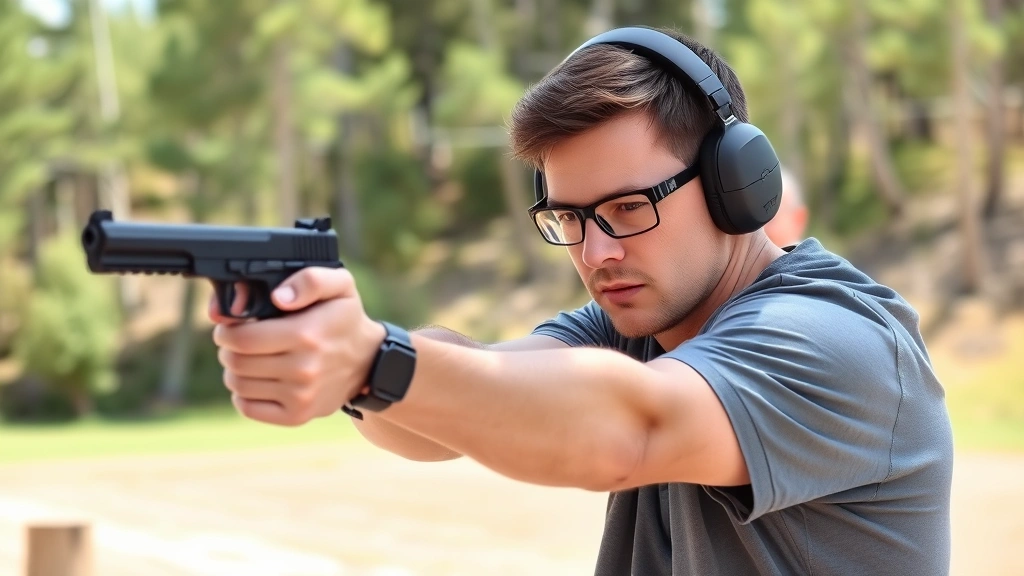
Hands-on shooting instruction represents a visible benefit of CCW training that students often prioritize. Professional courses develop shooting proficiency appropriate for self-defense contexts, emphasizing accuracy at realistic defensive distances (typically 3-25 yards) rather than precision marksmanship. Instructors teach proper grip, stance, sight alignment, and trigger control—fundamental skills that require supervised practice to develop correctly.
Quality CCW courses progress from static range shooting to dynamic scenarios incorporating movement, target transitions, and judgment decisions about appropriate force. Students practice drawing from concealment, engaging multiple targets, and shooting from various positions and locations. This progressive training builds competence and confidence while identifying skill gaps that students can address through continued practice.
Shooting instruction within CCW courses addresses the specific challenges of defensive firearms including reduced accuracy, adrenaline effects, and the need for rapid threat neutralization. Instructors teach students to assess their own skill limitations honestly and make realistic decisions about carrying based on demonstrated proficiency. Many courses include qualification standards that students must meet, ensuring minimum competency levels.
The feedback provided by professional instructors during practical shooting accelerates skill development compared to independent practice. Instructors identify and correct form problems that students might otherwise reinforce repeatedly, creating bad habits that become difficult to unlearn.
Beyond technical shooting skills, CCW courses teach ammunition selection appropriate for defensive use, understanding firearm ballistics, and recognizing how different firearms perform under stress. This knowledge ensures students carry weapons they can operate effectively and ammunition appropriate for their defensive needs.
FAQ
Is a CCW course required to carry concealed?
Requirements vary significantly by state. Some states legally mandate training before permit issuance, while others allow permitless carry. Regardless of legal requirements, professional training provides critical knowledge and skills that responsible permit holders should acquire. Even in states without training mandates, completing a quality CCW course demonstrates commitment to safe, lawful firearm use.
How long does a typical CCW course take?
Most courses range from 4-16 hours, with many states specifying minimum training hours for permit eligibility. The optimal duration allows sufficient time for comprehensive legal instruction, safety training, and practical shooting while maintaining student engagement. Longer courses typically provide more scenario-based learning and practical application opportunities.
What should I look for in a quality CCW instructor?
Seek instructors with professional certifications from recognized training organizations, demonstrated teaching experience, current knowledge of applicable laws, and commitment to safety. Reputable instructors maintain ongoing professional development, stay current with legal changes, and can articulate clear learning objectives. Reading student reviews and speaking with previous course participants helps identify instructors who balance technical competence with effective teaching.
Can I carry after completing a CCW course?
Course completion typically qualifies you to apply for a permit in states requiring training, but completing the course doesn’t automatically authorize carrying. You must complete your state’s permit application process, which may involve background checks and approval periods. Understanding your specific state’s permit procedures prevents legal violations.
How often should I take CCW training refresher courses?
Experts recommend refresher training every 1-3 years to maintain proficiency, stay current with evolving laws, and address skill degradation. Regular practice between formal courses helps maintain competency. Many instructors offer abbreviated refresher courses for previous students at reduced costs, making ongoing training accessible.
Will CCW training help me in a real defensive situation?
Research and defensive professional accounts strongly suggest that formal training improves decision-making, threat recognition, and stress management during critical incidents. While no training guarantees specific outcomes in unpredictable situations, comprehensive preparation substantially increases the likelihood of surviving dangerous encounters. The situational awareness and de-escalation skills taught in quality courses help many students avoid dangerous situations entirely.
For additional resources on firearm training standards, consider exploring the International Association of Defensive Firearms Instructors, which maintains instructor certification standards and publishes research on training effectiveness. Organizations like the Second Amendment Scholars provide detailed legal analysis relevant to self-defense law across jurisdictions.
Taking a CCW course represents a significant investment in personal safety knowledge and practical skills. Whether motivated by legal requirements or personal responsibility, quality training provides tangible benefits that extend far beyond permit acquisition. The legal knowledge, safety skills, situational awareness, and mental preparation developed through professional CCW instruction create a foundation for responsible, effective self-defense decision-making throughout your life.


