Exploring Devil’s Golf Course: Visitor Insights
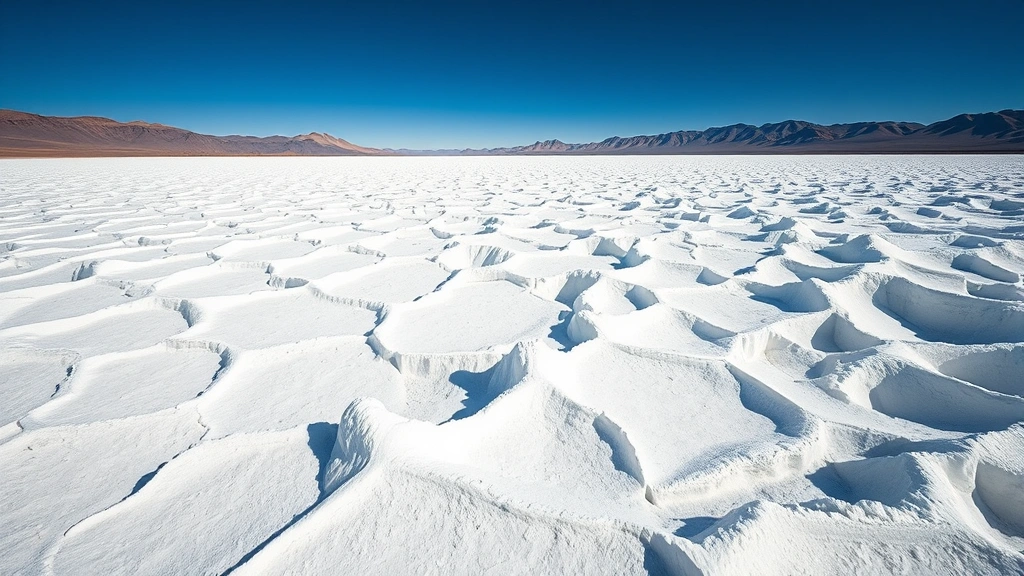
Devil’s Golf Course in Death Valley, California, stands as one of the most otherworldly and challenging natural formations in North America. Located in the heart of Death Valley National Park, this jagged badlands landscape stretches across miles of crystalline salt formations that create a surreal, almost lunar-like terrain. The name itself evokes the harsh and unforgiving nature of this unique destination, where temperatures soar and the landscape demands respect from every visitor who ventures into its depths.
Understanding what makes Devil’s Golf Course such a compelling destination requires examining both its geological significance and the practical insights that experienced visitors have gathered over years of exploration. This comprehensive guide draws from visitor experiences, geological research, and expert recommendations to provide you with essential information for planning your own journey to this remarkable location.
Geological Formation and Natural History
Devil’s Golf Course owes its distinctive appearance to millions of years of geological processes that have shaped Death Valley’s landscape. The formation consists primarily of halite, or salt deposits, that crystallized as ancient lakes evaporated during the Pleistocene epoch. These salt formations have been continuously modified by wind, water erosion, and the expansion and contraction caused by extreme temperature fluctuations characteristic of Death Valley’s climate.
The jagged, irregular surface that gives Devil’s Golf Course its memorable name resembles a golf course that has been deliberately roughed up by some malevolent force. The crystalline structures create sharp ridges and formations that can reach several feet in height, forming a maze-like landscape that challenges hikers and captivates photographers. Unlike traditional badlands formations found elsewhere in the American West, Devil’s Golf Course presents a unique combination of salt geology and harsh desert conditions that creates an environment unlike any other.
Visitors should understand that this formation is actively evolving. Seasonal rainfall, though minimal in Death Valley, continues to reshape the landscape. The salt deposits are hygroscopic, meaning they absorb moisture from the air and can expand or contract based on humidity levels. This dynamic geological process means that the landscape visitors encounter today may differ slightly from what previous visitors experienced, adding to the sense of discovery and wonder.
Visitor Experience and Accessibility
Accessing Devil’s Golf Course requires driving approximately 13 miles south of Furnace Creek on Highway 178, then turning onto the unpaved Devil’s Golf Course Road. This approximately 3-mile access road can be challenging, particularly during or after heavy rains, though such weather events are rare in Death Valley. Most standard passenger vehicles can navigate this road during dry conditions, but visitors should exercise caution and drive slowly to avoid damage from the rough terrain.
Once you arrive at the parking area, a short walk brings you to the edge of the salt formations. Most visitors spend between 30 minutes to two hours exploring the immediate area, walking among the crystalline formations and taking photographs. The terrain is extremely uneven, making it difficult to venture far from established paths without significant physical exertion and risk of injury.
The experience of standing among these towering salt formations is genuinely humbling. The landscape appears almost alien, with formations that seem to defy natural explanation at first glance. Many visitors describe a sense of isolation and wonder that few other natural formations can replicate. The sheer otherworldliness of the environment makes it a destination that appeals to geologists, photographers, adventure seekers, and anyone interested in experiencing Earth’s most extreme and unusual landscapes.
If you’re interested in comparing experiences across different natural formations, exploring Blue Hill Golf Course or Kettle Hills Golf Course can provide interesting contrasts in landscape and visitor experience.
Safety Considerations and Preparation
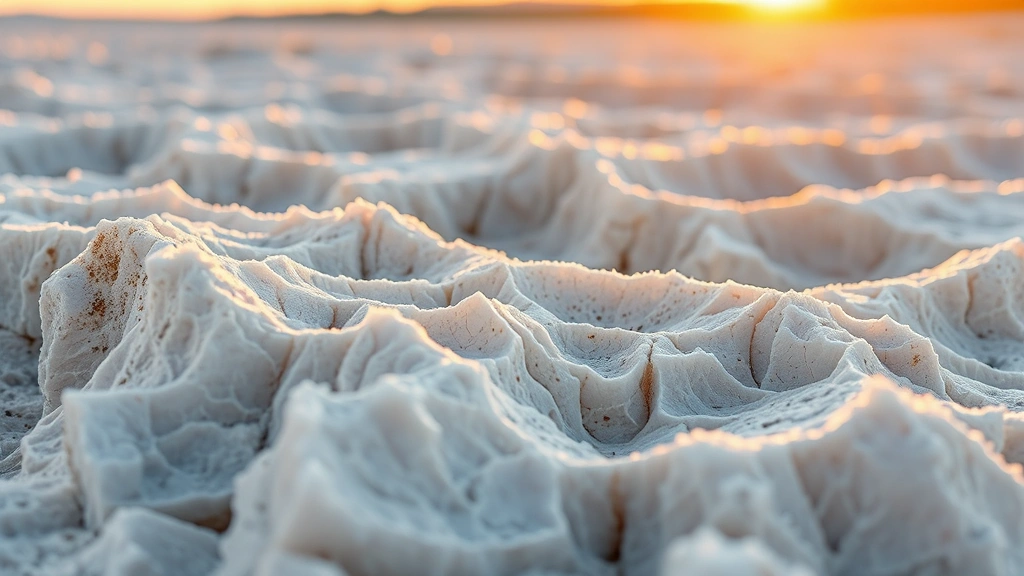
Visiting Devil’s Golf Course demands serious preparation and respect for the harsh desert environment. Death Valley consistently ranks among the hottest places on Earth, with summer temperatures regularly exceeding 120 degrees Fahrenheit. Even during seemingly mild seasons, the combination of intense sun, lack of shade, and reflective salt surfaces can cause dangerous heat exposure in remarkably short timeframes.
Water consumption is absolutely critical. Experts recommend carrying significantly more water than you think you’ll need—a minimum of two liters per person, with three liters being more appropriate for most visitors. The salt formations offer no shade whatsoever, meaning sun exposure is constant and unrelenting. Visitors should wear high-SPF sunscreen, protective clothing, and quality sunglasses to protect against both direct sun and the intense reflection from white salt surfaces.
Footwear selection is crucial for Devil’s Golf Course. The sharp crystalline formations can quickly damage standard hiking boots and shoes. Many experienced visitors recommend sturdy boots with thick soles and ankle support. The uneven terrain combined with sharp edges creates genuine hazard for twisted ankles or cut feet. Children and those with mobility challenges should carefully consider whether this destination is appropriate for their physical capabilities.
The salt formations themselves present hazards beyond sharp edges. Some areas have hollow sections or weak points that could potentially collapse under weight. Visitors should avoid putting their full weight on formations that appear unstable and should exercise caution when exploring beyond the main viewing areas. It’s also important to stay aware of your location and maintain visual contact with your vehicle or known landmarks, as the landscape can be disorienting.
Emergency services are limited in Death Valley. The nearest ranger station is at Furnace Creek, approximately 30 miles away. In case of medical emergency, cell phone coverage is unreliable, making preparation and caution even more essential. Visitors should inform someone of their plans and expected return time before heading out.
Best Times to Visit
Timing your visit to Devil’s Golf Course is critical for both safety and enjoyment. Winter months, from November through March, offer the most comfortable conditions. Daytime temperatures typically range from 60 to 75 degrees Fahrenheit, though nights can still be surprisingly cold, dropping into the 40s or even 30s. These months provide ideal conditions for outdoor exploration without the extreme heat stress of summer.
Spring months, particularly March and April, can also be excellent, with temperatures gradually warming but still remaining manageable. Fall, from September through October, presents another opportunity, though early fall can still feature dangerously high temperatures. Summer visits, from June through August, are generally not recommended for casual visitors, as temperatures can exceed 130 degrees Fahrenheit, creating life-threatening conditions within minutes of exposure.
Sunrise and sunset visits can be particularly spectacular, with the low-angle light creating dramatic shadows and highlights across the crystalline formations. However, visiting during these times requires either staying in the area after dark or arriving before dawn, which demands additional preparation and safety considerations. Many photographers plan their visits specifically to capture the golden hour light.
Seasonal precipitation, though rare, can affect accessibility. If heavy rains occur, the access road may become temporarily impassable. Checking current conditions with the Death Valley Visitor Center before planning your trip is essential, particularly if you’re traveling from a distance.
Photography and Natural Beauty
Devil’s Golf Course ranks among the most photogenic locations in Death Valley National Park. The unusual formations, dramatic lighting conditions, and extreme landscape create compelling images that convey the harsh beauty of this environment. Photographers should consider bringing wide-angle lenses to capture the expansive formations and telephoto lenses to isolate interesting details within the landscape.
The interplay of light and shadow across the crystalline formations creates constantly changing photographic opportunities throughout the day. Morning and late afternoon light produces the most dramatic results, with long shadows emphasizing the texture and dimensionality of the salt formations. Even on overcast days, the unique geology creates interesting compositions.
For those interested in landscape photography beyond Death Valley, exploring Hidden Hills Golf Course offers different photographic opportunities and compositional challenges. Similarly, Hominy Hill Golf Course provides contrast in landscape types and lighting conditions.
The challenge of photographing Devil’s Golf Course lies in conveying the scale and otherworldly nature of the formations to viewers who haven’t experienced them firsthand. Most photographs fail to fully capture the sense of isolation and alien beauty that visitors experience in person. This gap between photographic representation and lived experience is part of what makes the location so compelling as a destination.
Comparing Similar Badlands Formations
While Devil’s Golf Course is unique, understanding how it compares to other natural formations can enhance your appreciation of its distinctive characteristics. Similar badlands formations exist throughout western North America, each with their own geological stories and visitor experiences. The Borax Museum at Death Valley provides context for understanding the mining history that has shaped human interaction with the region.
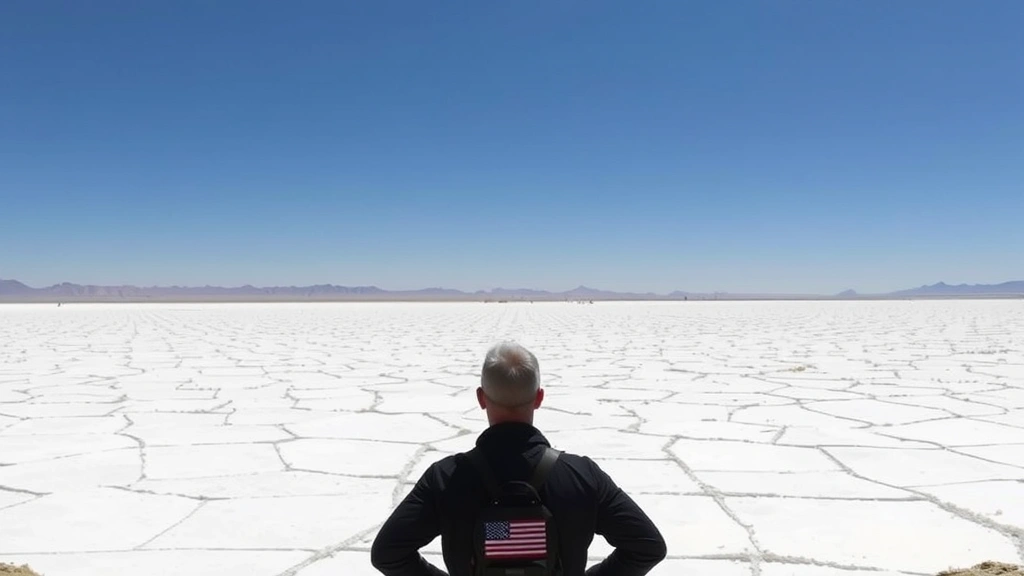
Badlands formations typically consist of layers of sedimentary rock that have been eroded into dramatic ridges and valleys. Devil’s Golf Course differs fundamentally because it’s composed primarily of salt rather than rock, creating a landscape that’s simultaneously more fragile and more visually striking. The crystalline nature of the formations creates reflective surfaces that amplify the effects of sunlight in ways that rock formations cannot replicate.
For golf enthusiasts interested in exploring actual golf courses alongside natural formations, Par 3 Course options throughout California offer interesting experiences. Additionally, those planning extended stays in Death Valley might consider Online Courses for Financial Planning to budget effectively for extended trips to remote locations.
Understanding the broader context of Death Valley’s geology—including formations like Zabriskie Point, the Racetrack Playa, and Artist’s Palette—helps visitors appreciate what makes Devil’s Golf Course particularly special. Each formation tells a different story about the geological processes that have shaped this extreme environment over millions of years.
Visitor feedback consistently indicates that Devil’s Golf Course offers an experience that’s more visceral and immediately impactful than many other Death Valley attractions. The sharp, jagged formations demand physical engagement and create a sense of being in an environment fundamentally different from most terrestrial landscapes. This distinctive quality makes it a must-visit destination for those seeking genuine geological wonder.
Death Valley National Park authorities provide extensive resources for visitors planning their trips. The National Park Service Death Valley page offers current conditions, safety information, and detailed maps. The United States Geological Survey provides scientific context for understanding the geological formations you’ll encounter. For those interested in the ecological aspects of extreme desert environments, the American Museum of Natural History offers educational resources about desert ecosystems and adaptation. The Geology.com resource provides detailed information about mineral formations and geological processes relevant to understanding Devil’s Golf Course specifically.
FAQ
How long does it take to visit Devil’s Golf Course?
Most visitors spend 30 minutes to two hours at Devil’s Golf Course. The time depends on your interest level, photography goals, and physical stamina. The initial walk from the parking area to the main formations takes approximately 10 minutes, with additional exploration time varying based on individual preferences.
Is Devil’s Golf Course safe for children?
Devil’s Golf Course can be visited with children, but careful supervision is essential. The sharp crystalline formations present genuine hazards, and the extreme heat poses risks for young children who may not recognize dehydration symptoms. Older children with good physical coordination and parents who can provide constant supervision can safely visit, but families with very young children should carefully consider the risks.
What should I bring when visiting Devil’s Golf Course?
Essential items include at least two liters of water per person, high-SPF sunscreen, protective clothing, quality sunglasses, sturdy hiking boots, and a hat. A camera or phone for photography is recommended, and a basic first aid kit is prudent. Bring more water and supplies than you anticipate needing, as the harsh environment can affect your judgment about your actual needs.
Can I drive a regular car to Devil’s Golf Course?
Most standard passenger vehicles can access Devil’s Golf Course during dry conditions, though the unpaved access road is rough. High-clearance vehicles are preferable but not absolutely necessary. During or after heavy rains, the road may become impassable. Check current conditions before planning your visit.
Are there facilities at Devil’s Golf Course?
No facilities exist at Devil’s Golf Course itself. There are no restrooms, water, shade, or services of any kind. All facilities are located at Furnace Creek, approximately 30 miles away. Visitors must be completely self-sufficient for their visit.
What makes Devil’s Golf Course unique compared to other Death Valley attractions?
Devil’s Golf Course’s distinctive appearance comes from its salt composition, creating sharp crystalline formations unlike the rock-based badlands found elsewhere. The landscape has an otherworldly, almost alien quality that makes it uniquely photogenic and memorable. The extreme jaggedness of the terrain and lack of any vegetation create an environment that feels genuinely extraterrestrial.


