
Donald Ross Courses: Architect’s Timeless Design
Donald Ross stands as one of golf’s most influential architects, having designed or redesigned over 400 golf courses throughout his legendary career spanning from 1900 to 1948. His courses remain among the most respected and playable layouts in the world, with numerous tracks still ranking in the top 100 golf courses in the US. Ross’s design philosophy emphasized strategic shot-making, natural terrain integration, and subtle contours that reward skilled play while remaining accessible to golfers of varying abilities.
Born in Dornoch, Scotland in 1873, Ross brought Scottish links principles to American golf architecture, fundamentally transforming how courses were built across the continent. His approach combined artistic vision with practical construction knowledge, creating layouts that have endured for over a century. Today, golfers worldwide seek out his original designs, recognizing them as masterpieces that stand the test of time through both technological advancement and changing player preferences.
Understanding Donald Ross’s design principles provides valuable insight into golf course architecture, the history of the sport, and the importance of preserving classic layouts. Whether you’re an avid golfer, architecture enthusiast, or student of sports history, exploring Ross courses reveals why his work remains so revered and studied.
Early Life and Scottish Roots
Donald Ross was born in Dornoch, a small village in the Scottish Highlands, on November 20, 1873. Growing up near the famous Dornoch Golf Club, Ross absorbed the principles of links golf from an early age. He apprenticed under Old Tom Morris, the legendary Scottish professional, learning both the craft of clubmaking and the art of understanding how golf courses should flow across natural terrain. This foundational education in Scottish golf culture would define his entire architectural approach.
In 1900, Ross immigrated to the United States and accepted a position as professional and greenkeeper at Pinehurst Resort in North Carolina. This move proved transformative not only for Ross but for American golf itself. Pinehurst became his laboratory, where he could experiment with design concepts and refine his architectural philosophy. The success of his early American courses established his reputation and led to commissions across the country, from prestigious clubs to public layouts.
Ross’s Scottish heritage remained evident throughout his career. He never abandoned the principles of natural golf, where the landscape itself dictated the routing and strategy rather than forcing artificial features onto the land. This philosophy distinguished his work from some contemporary architects who favored more dramatic, heavily engineered designs. His courses felt organic, as if they had evolved naturally rather than been imposed upon the terrain.
[IMAGE_1]
Design Philosophy and Principles
The foundation of Donald Ross’s design philosophy centered on strategic routing and shot-making over brute length. He believed that golf courses should challenge golfers of all skill levels without requiring exceptional physical prowess. This democratic approach meant that a weekend amateur could enjoy the same course as a professional, finding appropriate challenge and playability at their own level.
Ross developed several signature design elements that became hallmarks of his work. His famous “Redan” hole, inspired by the 15th hole at North Berwick in Scotland, became one of golf’s most copied templates. The Redan features a diagonal par-three with a back bunker protecting the far corner, requiring precise placement to reach the green safely. This hole type demonstrates Ross’s ability to create elegant strategic problems within compact spaces.
Subtlety characterized much of Ross’s design work. Rather than dramatic elevation changes or obvious hazard placement, he favored gentle slopes and contours that influenced play without appearing forced. His greens featured complex internal topography, with subtle breaks that rewarded careful study and strategic approach shot placement. These seemingly simple surfaces contained remarkable depth, revealing new challenges with repeated play and different pin positions.
Ross emphasized the importance of routing that created variety and interest throughout a full eighteen holes. He carefully studied the natural contours of each property, working with the landscape rather than against it. This approach reduced construction costs while producing more aesthetically pleasing and strategically interesting courses. He believed that the best holes emerged from understanding and respecting the existing terrain.
Another key principle involved creating multiple routes to the green. Ross favored designs that didn’t force a single shot shape or strategy. Instead, his courses offered strategic options, allowing golfers to play to their strengths while maintaining challenge for different playing styles. This flexibility contributed to the longevity of his designs, as courses remained relevant even as equipment and playing techniques evolved.
Signature Donald Ross Courses
Pinehurst No. 2 stands as Donald Ross’s most famous and accomplished design. Located in North Carolina, this masterpiece has hosted multiple U.S. Opens and remains ranked among the world’s greatest courses. The layout exemplifies all of Ross’s design principles: strategic routing, subtle contouring, and perfect integration with the natural landscape. Playing Pinehurst No. 2 provides a comprehensive education in how Ross approached course architecture.
Seminole Golf Club in Florida represents another Ross masterpiece, showcasing his ability to work within the constraints of flat coastal terrain. Despite limited elevation changes, Ross created a course of remarkable strategic interest and visual appeal. Seminole has hosted multiple major championships and remains one of the most exclusive and well-regarded clubs in the country.
Aronimink Golf Club in Philadelphia and Oakland Hills Country Club in Michigan further demonstrate Ross’s range and adaptability. Each course reflects his fundamental design philosophy while responding to unique site conditions and membership preferences. These layouts remain competitive venues for professional tournaments and treasured home courses for their members.
For golfers interested in exploring multiple Ross designs, consulting a golf course map can help identify nearby examples. Many regions contain multiple Ross courses, allowing enthusiasts to study his work across different landscapes and design contexts. This geographical study approach provides valuable insights into how his principles translated across diverse American terrain.
Architectural Features and Innovation
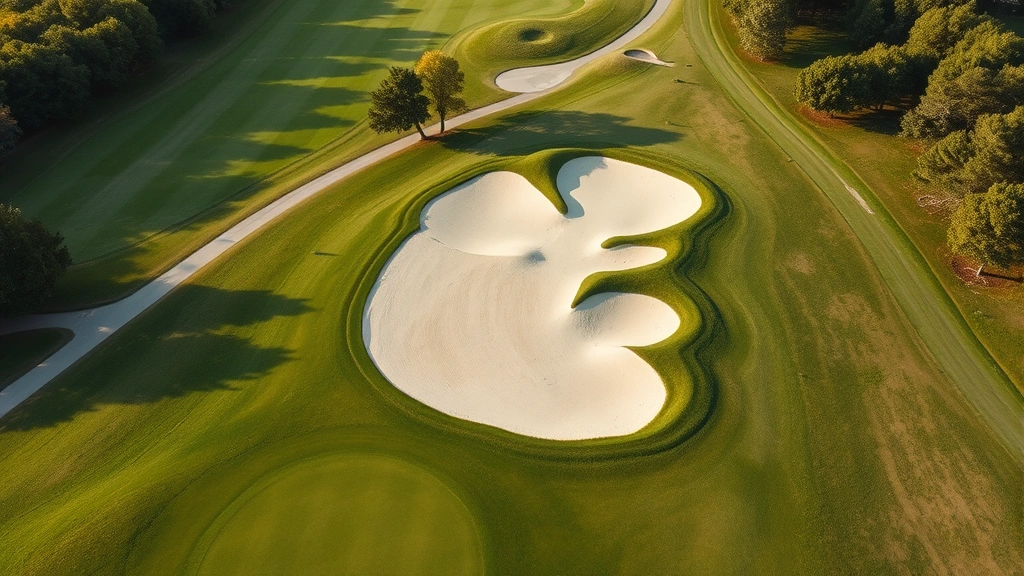
Donald Ross pioneered several architectural innovations that became standard in modern course design. His approach to bunker placement emphasized strategic positioning rather than ornamental clustering. Bunkers in Ross courses typically guard specific angles or distances, penalizing poor shots while remaining avoidable for well-executed ones. This philosophy contrasts with courses featuring decorative bunkers that don’t meaningfully influence strategy.
Green design represented another area of Ross innovation. He developed the practice of building greens with internal contours that created multiple tiers and favorable/unfavorable pin positions. A pin tucked behind a ridge might be unreachable in regulation for most golfers, while the same green with the pin in front became accessible. This flexibility allowed courses to accommodate different tournament standards and daily play difficulty.
Ross also understood the importance of visual perception in course design. He positioned bunkers and hazards where they appeared most threatening from the golfer’s perspective, creating psychological challenge beyond actual difficulty. This principle meant that a course could feel intimidating while remaining fair and playable. The mental game became as important as the physical challenge.
His approach to par-threes demonstrated sophisticated understanding of strategic variety. Rather than making all short holes similar, Ross created par-threes with completely different characters: some requiring precise iron play, others demanding long carries over hazards, still others featuring strategic options for different playing abilities. This variety maintained interest throughout eighteen holes while avoiding repetitive design.
The relationship between tees, fairways, and hazards in Ross designs shows remarkable geometric precision. He understood how different tee positions created different strategic problems from the same hole. Fairway contours influenced ball movement and stopping positions in subtle ways that rewarded course management and strategic thinking. These elements work together to create seamless strategic experiences.
Legacy and Modern Preservation
Donald Ross’s influence on golf course architecture cannot be overstated. Architects studying his work recognize him as a foundational figure whose principles remain relevant despite radical changes in equipment, athleticism, and playing styles. The fact that his courses continue to rank among the world’s greatest nearly a century after his death speaks to the timelessness of his design philosophy.
Many Donald Ross courses have undergone restoration projects in recent decades, with architects carefully studying original plans and photographs to return courses to their intended designs. These restoration efforts recognize that some modifications made over the decades moved courses away from Ross’s original vision. Restoration seeks to recapture his original intent while incorporating necessary modern maintenance and playability standards.
The Donald Ross Alliance represents an organization dedicated to preserving and promoting his legacy. This group maintains documentation of Ross courses, facilitates research, and encourages proper stewardship of his designs. Their work ensures that future generations can study and appreciate his architectural contributions.
Educational institutions and golf organizations increasingly recognize the value of studying Ross’s work. Universities with golf management programs often include case studies of his courses in curriculum. Professional architects examine his designs to understand fundamental principles that transcend specific trends or fashion in course design. This scholarly attention ensures that his legacy remains intellectually engaged rather than merely nostalgic.
Contemporary architects frequently cite Ross as an inspiration, attempting to capture his design sensibility while working with modern expectations and constraints. Some courses specifically commissioned as “Ross-style” designs demonstrate how his principles can inform new construction. This ongoing influence shows that his architectural philosophy addresses fundamental questions about how golf should be played.
Playing Donald Ross Courses Today
For golfers seeking to experience Donald Ross’s work firsthand, numerous opportunities exist across the United States. Many of his courses remain open to public play, while others restrict access to club members. Planning a golf trip focused on Ross courses provides a unique educational and recreational experience. Checking regional resources like golf courses in San Diego or other areas can help identify local options.
Playing a Donald Ross course requires understanding his design philosophy to fully appreciate the experience. Rather than attacking every hole aggressively, golfers benefit from studying green contours, recognizing strategic options, and understanding how course management relates to scoring. Ross courses reward thoughtful play and strategic decision-making over sheer length or power.
The experience of playing multiple Ross courses in sequence provides cumulative insights into his approach. Each course reflects his fundamental principles while responding to unique site conditions. Comparing how he addressed similar strategic problems across different landscapes deepens appreciation for his skill and adaptability.
Many golf clubs with Donald Ross courses offer historical tours or educational materials explaining his design intent. Taking advantage of these resources enhances the playing experience by connecting physical features to architectural philosophy. Understanding why a bunker sits in a particular location or why a green slopes in a specific direction transforms casual golf into an educational experience.
For those unable to visit multiple courses, studying the top golf courses in the US reveals how many of the world’s greatest layouts reflect Ross’s influence or were designed by him. This recognition demonstrates his enduring impact on the sport’s physical infrastructure and design standards.
Consider also exploring related information about Odana Golf Course in Madison, Wisconsin, which represents another excellent example of classic American course design from this era. Studying courses from this period provides context for understanding how Ross’s work compared to and influenced his contemporaries.

FAQ
How many courses did Donald Ross design?
Donald Ross designed or redesigned over 400 golf courses during his career from 1900 to 1948. This prolific output, combined with the quality of his work, makes him one of the most influential figures in golf course architecture. Many of his courses remain in play today, though some have been substantially altered or lost to development.
What makes Donald Ross courses different from other designs?
Ross courses emphasize strategic routing, subtle contours, and integration with natural terrain. Rather than dramatic features or forced hazards, his designs reward thoughtful play and course management. The accessibility of his courses to golfers of varying abilities, combined with the depth of strategic challenge for skilled players, distinguishes his work from many contemporary designs.
Are Donald Ross courses still competitive for professional tournaments?
Yes, several Donald Ross courses continue to host major championships and professional tournaments. Pinehurst No. 2 has hosted multiple U.S. Opens in recent decades, demonstrating that classic designs can meet modern competitive standards. The strategic sophistication of his layouts provides appropriate challenge for professional-level play.
Can I play Donald Ross courses as a public golfer?
Many Donald Ross courses remain open to public play, though access varies. Some are private clubs, while others operate as public or resort courses. Researching specific courses and contacting them directly about public access is necessary. Some courses offer public play on certain days or through resort accommodations.
What is restoration and why do Ross courses need it?
Course restoration involves returning layouts to their original designs based on historical research and documentation. Over decades, many Ross courses underwent modifications that moved them away from his original intent. Restoration seeks to recapture his design philosophy while incorporating modern maintenance standards and playability expectations. This process has become increasingly common as appreciation for classic designs has grown.
How has golf equipment evolution affected Donald Ross courses?
Modern equipment, particularly longer-hitting capabilities, has made some aspects of Ross courses less relevant. However, the strategic sophistication of his designs has allowed them to remain competitive and interesting despite these changes. Course modifications like extended tees or repositioned hazards help maintain appropriate challenge. The fundamental principles underlying Ross’s work transcend equipment changes.
Where can I learn more about Donald Ross and his courses?
The Donald Ross Alliance serves as the primary resource for information about his work and legacy. Academic publications on golf course architecture frequently discuss his contributions. Many of his courses offer historical information and tours. Books dedicated to his life and work provide comprehensive overviews of his career and design philosophy.
Which Donald Ross course should I visit first?
Pinehurst No. 2 represents the most famous and accomplished example of his work, making it an ideal starting point. However, accessibility and location matter practically. Researching courses in your region or along planned travel routes helps identify convenient options. Each course offers valuable insights into his design philosophy, so any Donald Ross course provides excellent educational and recreational value.


