
Dry Needling Course: Expert Insights & Benefits
Dry needling has emerged as one of the most sought-after skills in modern physical therapy and sports medicine. Whether you’re a healthcare professional looking to expand your clinical toolkit or an educator seeking to understand evidence-based pain management techniques, a dry needling course represents a critical investment in professional development. This comprehensive guide explores what makes these courses essential, the benefits they provide, and how they’re transforming patient care across multiple disciplines.
The demand for qualified dry needling practitioners continues to rise as research validates its effectiveness for musculoskeletal conditions. Healthcare providers recognize that traditional approaches alone often fall short, making specialized training in dry needling increasingly valuable for career advancement and patient outcomes.

What Is Dry Needling and Why Training Matters
Dry needling is a minimally invasive technique where thin filiform needles penetrate the skin to stimulate underlying myofascial trigger points, muscle tissue, and connective tissues. Unlike acupuncture, which operates within traditional Chinese medicine frameworks, dry needling is grounded in Western anatomical and neurophysiological principles. The technique addresses muscular dysfunction, reduces pain, and improves movement patterns through direct mechanical and neurochemical effects.
Understanding the foundational science behind dry needling requires formal education. A structured dry needling course teaches practitioners the anatomical landmarks, needle insertion techniques, safety protocols, and contraindications essential for ethical and effective treatment. Without proper training, practitioners risk patient harm, legal liability, and professional credibility damage.
Research published in the National Center for Complementary and Integrative Health demonstrates that dry needling activates endogenous pain modulation systems, increases blood flow to affected tissues, and promotes neuroplastic changes that facilitate functional recovery. This evidence base justifies the growing emphasis on rigorous professional training standards.
The technique works through multiple mechanisms: mechanical disruption of trigger point contractures, stimulation of the nervous system to modulate pain perception, and promotion of local inflammatory responses that initiate healing cascades. Mastering these mechanisms requires comprehensive coursework that goes beyond basic needle insertion skills.
Core Components of Quality Dry Needling Courses
Comprehensive dry needling courses typically integrate several essential educational components. The strongest programs combine theoretical knowledge with extensive hands-on practice, ensuring practitioners develop both conceptual understanding and practical competence.
Anatomical Foundation: Quality courses dedicate substantial time to surface anatomy, deep anatomy, and three-dimensional spatial relationships. Practitioners must identify landmarks palpable through skin and soft tissue, understand neurovascular structures to avoid, and recognize anatomical variations across populations. This anatomical mastery distinguishes competent practitioners from those who merely memorize injection sites.
Neurophysiology and Pain Science: Modern dry needling education incorporates contemporary pain science, including nociception, pain modulation, central sensitization, and the biopsychosocial model. Understanding how the nervous system processes pain and responds to needling intervention enables practitioners to contextualize treatment within patient-specific presentations. Courses aligned with International Association for the Study of Pain standards provide evidence-based frameworks for pain management.
Technique and Safety: Hands-on training in needle handling, insertion angles, depth control, and patient positioning constitutes the practical core of any dry needling course. Instructors must teach proper sterile technique, infection control, and emergency response protocols. Safety training includes recognition and management of adverse events, pneumothorax prevention, and vasovagal response management.
Clinical Assessment: Effective dry needling requires accurate diagnosis of trigger points and determination of whether needling is appropriate for specific conditions. Quality courses teach systematic assessment protocols, palpation skills, and clinical reasoning for patient selection and treatment planning.
Integration with Other Modalities: The most effective dry needling courses teach how to integrate needling with exercise prescription, manual therapy, and behavioral modification. Practitioners learn to use needling as one component within comprehensive rehabilitation programs rather than as a standalone intervention.
Legal and Professional Standards: Comprehensive programs address scope of practice, licensure requirements, documentation standards, informed consent procedures, and liability considerations. These professional components prepare practitioners for real-world practice environments.
Clinical Applications and Evidence Base
Dry needling demonstrates efficacy across diverse musculoskeletal conditions, making it a versatile tool for multiple healthcare disciplines. Understanding evidence-based applications helps practitioners select appropriate cases and explain treatment rationale to patients and referral sources.
Myofascial Pain Syndrome: The most extensively researched application involves treating myofascial trigger points in muscles throughout the body. A dry needling course teaches practitioners to identify taut bands, local twitch responses, and referred pain patterns characteristic of trigger points. Research shows that needling trigger points reduces pain and improves function in conditions like neck pain, low back pain, and headaches.
Musculoskeletal Injury Recovery: Practitioners use dry needling to facilitate healing following muscle strains, ligament sprains, and tendon injuries. The technique stimulates inflammatory cascade activation and promotes tissue remodeling, making it particularly valuable during early rehabilitation phases.
Sports Performance and Prevention: Many athletic teams employ dry needling specialists to address muscular dysfunction that impairs performance or increases injury risk. Courses teach practitioners to work within sports medicine teams, understanding periodization and athletic training principles.
Chronic Pain Conditions: For patients with persistent pain conditions, dry needling may provide symptom relief and facilitate participation in rehabilitation. Quality courses address the complex nature of chronic pain and how needling fits within multimodal treatment approaches.
Post-Surgical Rehabilitation: Following orthopedic procedures, dry needling addresses post-operative pain and muscular inhibition that impairs recovery. Practitioners learn to collaborate with surgeons and follow appropriate post-operative protocols.
The Cochrane Library contains systematic reviews examining dry needling efficacy, providing evidence synthesis that supports course content. Practitioners completing quality courses understand both the evidence supporting specific applications and the limitations of current research.
Certification and Professional Standards
Professional certification in dry needling varies by geographic location and professional discipline. Physical therapists, athletic trainers, occupational therapists, and other healthcare providers pursue certification through different pathways, though core educational content remains consistent.
Certification Bodies: Organizations like the International Dry Needling Federation establish standards for practitioner competence, course content, and continuing education. A quality dry needling course meets or exceeds these standards, preparing practitioners for certification examinations.
Educational Requirements: Most certification programs require completion of didactic coursework (typically 100-200 hours), supervised practical training, and passing written and practical examinations. Some jurisdictions mandate specific prerequisite licensure or education levels.
Continuing Education: Professional standards increasingly require ongoing education to maintain certification. Quality training programs prepare practitioners for lifelong learning and help them understand how to integrate emerging research into practice.
Scope of Practice Considerations: Certification doesn’t automatically determine who can perform dry needling in a given location. Practitioners must understand their scope of practice within their profession and jurisdiction. A comprehensive dry needling course addresses these legal and professional boundaries.
Practitioners should verify that training programs are accredited by recognized bodies and meet requirements established by their professional organizations and licensing boards. This verification ensures that certification obtained through the course will be recognized by employers and insurance companies.
Career Benefits and Market Demand
Completing a quality dry needling course offers substantial career advantages in today’s healthcare market. Practitioners with dry needling certification command higher compensation, attract more patients, and enhance professional credibility.
Employment Opportunities: Physical therapy clinics, sports medicine centers, orthopedic practices, and athletic teams actively recruit practitioners with dry needling credentials. This expanded job market provides flexibility in career choices and competitive compensation.
Private Practice Enhancement: For practitioners in private practice, dry needling attracts new patients, justifies higher fees, and differentiates services from competitors. Many patients specifically seek out practitioners with these specialized skills.
Referral Network Development: Physicians increasingly refer patients to practitioners with documented dry needling training. This expanded referral network accelerates practice growth and establishes the practitioner as a specialist in their field.
Professional Advancement: Practitioners with advanced certifications position themselves for leadership roles, teaching opportunities, and research involvement. These advanced opportunities enhance career satisfaction and earning potential.
Patient Outcomes and Satisfaction: Practitioners who complete comprehensive training achieve better patient outcomes, leading to improved satisfaction scores, word-of-mouth referrals, and retention rates. These clinical benefits translate directly to practice success.
The healthcare market increasingly values practitioners who combine evidence-based training with specialized skills. Investing in a quality dry needling course represents a strategic career decision with measurable return on investment.
Choosing the Right Training Program
Not all dry needling courses provide equivalent education. Practitioners should evaluate programs carefully to ensure they receive comprehensive, evidence-based training that meets professional standards.
Instructor Credentials: Quality programs employ instructors with extensive clinical experience, relevant academic credentials, and active involvement in continuing education. Instructors should demonstrate mastery of both theoretical content and practical skills.
Course Content Comprehensiveness: Evaluate whether programs address all essential components: anatomy, neurophysiology, assessment, technique, safety, clinical applications, and professional standards. Programs should allocate adequate time to hands-on practice rather than emphasizing lecture content exclusively.
Accreditation and Recognition: Verify that programs are accredited by recognized bodies and that completion meets certification requirements in your profession and jurisdiction. Accreditation ensures that courses meet established quality standards.
Student Feedback and Outcomes: Review testimonials from past participants and inquire about certification pass rates. Strong programs can document that graduates successfully obtain certification and advance their careers.
Continuing Education Alignment: Consider whether the program is part of a larger educational pathway that supports continuing professional development. Programs embedded within educational institutions or professional organizations often provide better long-term support.
Cost and Time Investment: While quality training requires investment, extremely low-cost programs may indicate inadequate instructor compensation, limited resources, or insufficient course content. Balance cost considerations with quality indicators.
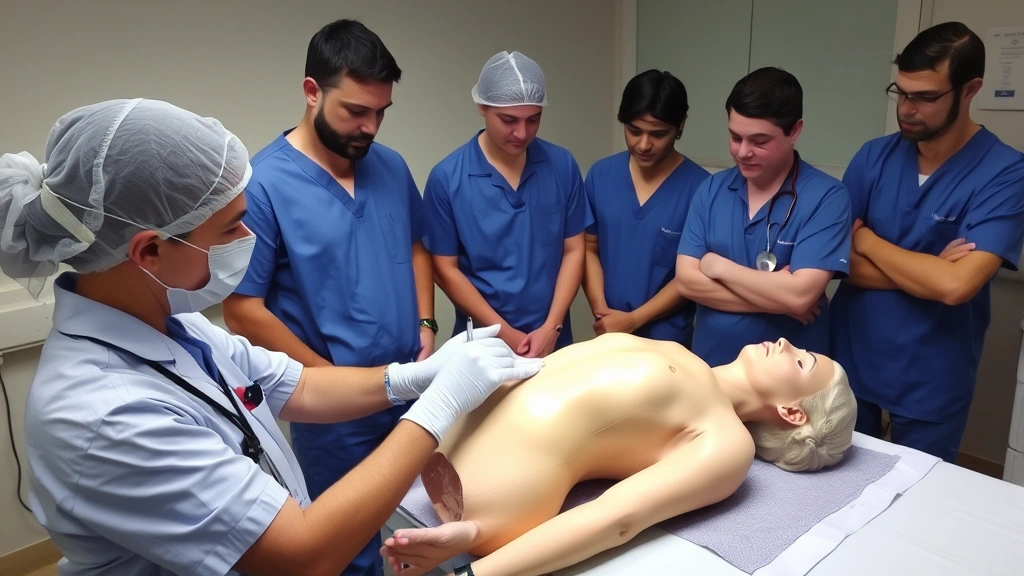
Practical Training Emphasis: Quality programs provide abundant supervised practice with feedback from experienced instructors. Students should practice on multiple partners to experience anatomical variation and develop confidence before treating patients.
Taking time to select an appropriate program yields significant dividends. A comprehensive education establishes a strong foundation for a successful career in dry needling.
Related Educational Resources: Practitioners seeking broader context might explore the American Physical Therapy Association resources, which provide professional guidelines and continuing education opportunities. Additionally, the National Athletic Trainers’ Association offers resources for athletic trainers pursuing dry needling credentials.
FAQ
What is the difference between dry needling and acupuncture?
Dry needling and acupuncture both use thin needles but operate from different theoretical frameworks. Dry needling is based on Western anatomical and neurophysiological principles, targeting specific myofascial trigger points and muscle tissue. Acupuncture originates from traditional Chinese medicine and follows meridian-based treatment protocols. While both techniques use similar needles, their assessment approaches, treatment locations, and theoretical rationales differ substantially. A dry needling course focuses exclusively on the Western medical model.
How long does a typical dry needling course take?
Most comprehensive dry needling courses require 100-200 hours of combined didactic and practical training. Some programs structure this as intensive weekend workshops, while others spread content across multiple sessions. Completion timelines range from several weeks to several months depending on program format. Additional time may be required for supervised practice hours and certification examination preparation.
What credentials do I need before taking a dry needling course?
Prerequisites vary by program and jurisdiction. Most programs require that participants hold a relevant healthcare license such as physical therapist, occupational therapist, athletic trainer, or physician. Some programs may accept healthcare providers with other credentials. Verify specific prerequisites with your chosen program and check requirements in your jurisdiction before enrolling.
Are there risks associated with dry needling?
When performed by properly trained practitioners, dry needling is generally safe. However, potential risks include infection, bruising, muscle soreness, and in rare cases, serious complications like pneumothorax. A quality dry needling course thoroughly addresses safety protocols, contraindications, and emergency management to minimize these risks.
Will dry needling certification increase my earning potential?
Research indicates that practitioners with specialized certifications command higher compensation and attract more patients. Many practices allow practitioners to bill separately for dry needling services, increasing revenue. Career advancement opportunities also expand with certification, potentially leading to higher-level positions and teaching roles.
How often must I renew my dry needling certification?
Renewal requirements vary by certifying organization and jurisdiction. Most programs require continuing education credits every 2-3 years to maintain certification. Quality dry needling courses prepare practitioners to understand these ongoing requirements and identify appropriate continuing education resources.


