
Complete EVOC Course: Instructor Insights and Implementation Guide
Exploratory Vocational (EVOC) courses represent a critical bridge between traditional academic learning and real-world career preparation. These programs introduce students to diverse occupational fields, helping them discover aptitudes, interests, and potential career pathways before committing to specialized training. For educators implementing EVOC curricula, understanding the pedagogical foundations, student engagement strategies, and assessment methodologies transforms these courses from introductory surveys into transformative learning experiences.
This comprehensive guide draws on instructor expertise, educational research, and best practices to illuminate the complete EVOC course experience. Whether you’re designing a new program, refining existing curricula, or seeking to enhance student outcomes, these insights provide actionable frameworks grounded in proven educational principles and real classroom experience.
Understanding EVOC Course Fundamentals
EVOC courses serve students typically in middle and high school who need systematic exposure to various career fields. Unlike traditional vocational education that emphasizes deep skill development in one area, exploratory vocational programs cast a wider net, allowing students to sample multiple occupations and industries. This exposure period proves invaluable for career decision-making and helps students make informed choices about future specialization.
The fundamental purpose of EVOC instruction involves three interconnected goals: broadening career awareness, developing foundational occupational competencies, and fostering self-awareness regarding aptitudes and interests. Research from the National Association for Career and Technical Education demonstrates that students completing exploratory vocational programs show increased engagement with academic content and higher graduation rates compared to peers without such exposure.
Effective instructors recognize that EVOC courses function as both survey courses and practical skill-builders. Students gain theoretical knowledge about industry standards, safety protocols, and career pathways while simultaneously developing hands-on competencies through projects, simulations, and field experiences. This dual focus requires careful instructional planning and resource allocation.
Understanding your student population proves essential. EVOC learners represent diverse ability levels, learning preferences, and career aspirations. Some students approach the course with clear vocational interests; others enter uncertain about their futures. Effective instruction accommodates this heterogeneity through differentiated learning activities, flexible pacing, and multiple pathways to demonstrate competency.

Curriculum Design and Content Structure
Successful EVOC courses balance breadth with depth, exposing students to multiple career clusters while ensuring meaningful learning in each area. A typical EVOC curriculum spans 2-4 occupational fields across a semester or year, with each unit lasting 3-6 weeks depending on program structure.
Unit Organization Framework: Each occupational unit should follow a consistent structure that includes career exploration, foundational skill development, applied projects, and reflection. Begin with career awareness activities that help students understand job responsibilities, required education, salary ranges, and employment trends. This contextual foundation motivates subsequent skill-building activities by connecting learning to authentic career applications.
When exploring online courses for financial planning and career management, instructors discover valuable digital resources that complement hands-on EVOC instruction. Similarly, reviewing detailed course catalogs from institutions like FIU provides models for structuring competency-based learning outcomes and assessment rubrics.
Core Competencies Across Occupations: Beyond occupation-specific skills, EVOC courses develop transferable competencies including communication, teamwork, problem-solving, safety consciousness, and professional behavior. These foundational workplace skills transcend specific industries and prove valuable regardless of students’ eventual career paths.
Effective curricula explicitly teach and assess these cross-cutting competencies within occupational contexts. Rather than teaching communication skills in isolation, EVOC instructors embed communication instruction within job-relevant scenarios: writing professional emails, presenting project findings, collaborating on team tasks, and interpreting technical documentation.
Integration with Academic Standards: EVOC courses strengthen academic learning by contextualizing mathematics, science, language arts, and social studies within occupational applications. A construction unit naturally incorporates geometry and measurement; healthcare exploration integrates biological science; business studies connect to economics and mathematics. This integration demonstrates academic relevance and often improves achievement in both vocational and traditional academic courses.
Engagement Strategies That Work
Student engagement represents the cornerstone of successful EVOC instruction. Because these courses introduce diverse occupational content, maintaining interest and motivation across units requires intentional strategy. Research from the American Psychological Association on learning science confirms that active learning, relevance, and student agency significantly enhance engagement and retention.
Project-Based Learning: Authentic projects that mirror real-world occupational tasks create powerful engagement opportunities. Rather than completing worksheets about construction, students might design and build a small structure. Instead of reading about healthcare, students perform first aid scenarios or assist with community health screenings. These experiential activities create memorable learning and help students envision themselves in career roles.
Industry Professionals as Guest Speakers: Inviting practicing professionals to share experiences, demonstrate techniques, and discuss career pathways brings authenticity and inspiration to EVOC courses. Students connect abstract career information to real people and hear firsthand about workplace realities, advancement opportunities, and industry trends. These interactions often spark genuine interest and help students visualize their futures.
Student Choice and Voice: Providing choices within assignments—selecting among occupational fields to explore, choosing project formats, deciding on research topics—increases motivation and ownership. When students feel agency in their learning, engagement naturally increases. Within structured EVOC curricula, teachers can embed meaningful choices that maintain curricular coherence while honoring student interests.
Peer Learning and Collaboration: Structuring activities that require teamwork develops both social skills and content understanding. Peer teaching, collaborative projects, and group problem-solving create dynamic learning environments. Additionally, peer interactions help students recognize diverse perspectives and discover peers with shared interests, potentially fostering study groups or shared career exploration.
Assessment and Student Progress Tracking
Assessment in EVOC courses must capture multiple dimensions of student learning: factual knowledge about occupations, practical skill development, and growth in workplace competencies. Effective assessment combines formative feedback with summative evaluation and balances standardized measures with authentic performance assessments.
Competency-Based Assessment: Rather than relying solely on traditional tests, EVOC assessment emphasizes demonstrating competencies through performance. Students might complete practical skills assessments where they perform actual job tasks under observation. A student exploring automotive technology demonstrates proper tool use and diagnostic procedures; a healthcare explorer demonstrates patient care techniques or vital sign measurement.
Developing clear rubrics for these performance assessments ensures consistency and helps students understand expectations. Rubrics should address both technical competency and workplace behaviors—not just whether students complete tasks correctly, but whether they work safely, communicate effectively, and demonstrate professional attitudes.
Portfolio Development: Having students maintain portfolios documenting their EVOC learning creates powerful assessment and reflection tools. Portfolios might include project artifacts, reflection essays, photographs or videos of work, skill checklists, career research, and goal-setting documents. Reviewing portfolios at unit conclusion and course end reveals growth patterns and helps students recognize developing competencies.
Self-Assessment and Reflection: Regular reflection activities—journaling, discussion, structured questionnaires—help students process learning and develop metacognitive awareness. Asking students to assess their own skill development, identify strengths and areas for growth, and set goals for subsequent units promotes self-directed learning and deeper engagement with content.
Comparing student self-assessments with instructor observations often reveals interesting discrepancies that warrant discussion. Some students underestimate their abilities; others overestimate them. These conversations provide valuable feedback and help students develop more accurate self-perceptions—important for realistic career planning.
Technology Integration in EVOC Learning
Modern EVOC instruction leverages technology to expand learning possibilities, provide simulations of expensive or dangerous procedures, and connect students with distant resources and experts. Strategic technology integration enhances rather than replaces hands-on learning.
Virtual Simulations and Augmented Reality: Virtual reality and augmented reality applications allow students to practice procedures in safe, controlled environments. Medical students can perform virtual surgeries; construction students can practice equipment operation; manufacturing students can troubleshoot equipment. These technologies reduce risks, lower costs, and allow repeated practice without resource limitations.
Online Career Exploration Tools: Comprehensive career exploration platforms provide detailed occupational information, salary data, education requirements, and employment projections. Tools like the O*NET database and Bureau of Labor Statistics Occupational Outlook Handbook provide authoritative information students use for research and decision-making. Instructors can guide students through systematic exploration using these resources.
Digital Collaboration Platforms: Learning management systems and collaborative tools enable students to work together on projects, share resources, and maintain portfolios. These platforms also facilitate communication between instructors and students, supporting asynchronous learning when needed and creating documentation of student progress.
Video-Based Learning: High-quality instructional videos, industry demonstrations, and professional interviews extend learning beyond classroom constraints. Students can review complex procedures multiple times, learn from expert practitioners, and access current industry information. Pairing videos with guided questions or note-taking structures ensures active engagement rather than passive viewing.
Building Industry Partnerships
Strong connections between schools and industry transform EVOC programs from classroom-based introductions into gateways to authentic career exploration. Industry partnerships provide resources, expertise, and opportunities that enhance student learning significantly.
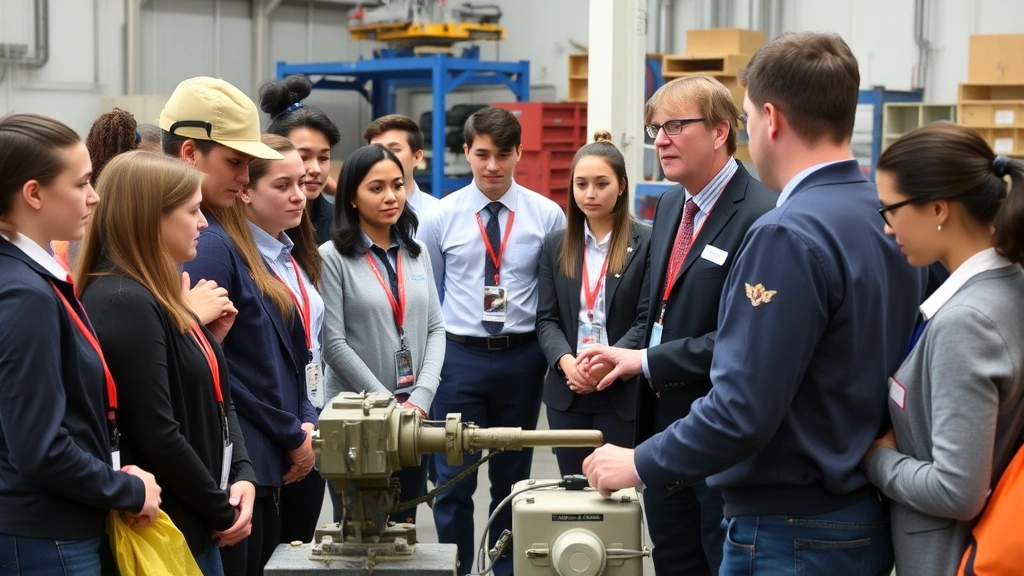
Workplace Tours and Field Experiences: Visiting actual workplaces helps students understand occupational realities beyond textbook descriptions. Seeing facilities, meeting professionals, and observing work in progress creates memorable experiences that classroom instruction cannot replicate. Field experiences work best when structured with clear learning objectives and follow-up reflection activities.
Equipment and Resource Sharing: Many industries willingly donate equipment, software, or materials to educational programs. A construction company might donate building materials; a healthcare facility might provide supplies or allow students to practice with actual equipment; a technology firm might provide software licenses. These partnerships reduce costs while ensuring students learn with current industry tools.
Internship and Apprenticeship Pathways: For students who discover strong interests during EVOC courses, pathways to internships or apprenticeships provide deeper exploration and real work experience. Establishing formal partnerships with employers facilitates these opportunities and helps students transition from exploration to specialization.
When designing EVOC programs around specific industries, research regional economic strengths and employer needs. Exploring opportunities in golf course management in Utah or similar regional industries identifies authentic partnership possibilities. Similarly, investigating specialty operations like Harding Park Golf Course in San Francisco reveals potential mentorship connections and career pathways aligned with local opportunities.
Advisory Committees: Forming advisory committees with industry representatives, parents, educators, and students ensures EVOC curricula remain current and responsive to labor market needs. These committees provide feedback on skill priorities, identify emerging occupations, and help schools stay connected to employment realities. Regular meetings ensure continuous improvement and strong community alignment.
Consulting comprehensive course catalogs like UCF’s reveals how university career and technical programs structure occupational preparation, offering models that K-12 EVOC programs can adapt. Additionally, reviewing specialized industry operations illustrates niche career opportunities that advisory committees might help integrate into EVOC curricula.
FAQ
How long should individual occupational units last in an EVOC course?
Typical units span 3-6 weeks depending on skill complexity and course structure. Shorter units (2-3 weeks) work well for awareness-focused exploration; longer units (6-8 weeks) allow deeper skill development. Most successful programs structure units to allow 4-6 occupations per academic year, providing breadth while maintaining meaningful depth. Consider student attention spans, skill complexity, and available resources when determining unit length.
What equipment investments are essential for EVOC programs?
Essential equipment depends on occupational focus but should include current, industry-standard tools and technology. Rather than investing in extensive equipment for every occupation, many successful programs focus deeply on 4-6 fields with appropriate resources. Building partnerships allows sharing expensive equipment across schools. Prioritize safety equipment and technology that students will actually encounter in workplaces.
How do EVOC courses support struggling students?
Exploratory vocational courses often engage struggling learners by providing hands-on, relevant instruction. Differentiation strategies—flexible grouping, modified assignments, additional support—ensure all students experience success. Many students who struggle with traditional academics thrive in practical, applied learning environments. EVOC courses frequently increase engagement and motivation for these learners.
Should EVOC courses count toward graduation requirements?
Many states and districts offer EVOC credit toward general education or elective requirements. Positioning EVOC as valuable course work—rather than remedial or optional—communicates importance and encourages enrollment. Some programs offer EVOC as a freshman course required for all students; others make it an elective option. Both approaches have merit depending on program goals and district context.
How can teachers measure whether EVOC courses successfully guide career exploration?
Track student outcomes including course completion, career interest surveys completed before and after courses, enrollment in related advanced programs, and student self-reported career clarity. Conduct follow-up surveys with graduates regarding course impact on career decisions. Additionally, gather feedback from industry partners regarding students’ workplace readiness and dispositions. These multiple data sources reveal program effectiveness.
What professional development do EVOC instructors need?
Successful EVOC instructors benefit from professional development in career development theory, industry updates, instructional strategies for diverse learners, and assessment methodologies. Many instructors maintain current industry certifications and participate in regular professional learning communities. Attending conferences and workshops focused on career and technical education keeps instructors current with evolving occupations and best practices.


