
Forklift Course Benefits: Expert Insights for Career Advancement
A forklift course represents one of the most practical and immediately valuable certifications available to warehouse, logistics, and manufacturing professionals. Whether you’re beginning your career in material handling or looking to advance within your current organization, understanding the tangible benefits of forklift certification can help you make an informed decision about your professional development. This comprehensive guide explores the advantages, career opportunities, and real-world impact of completing a forklift course.
The logistics and warehousing industry continues to grow at an unprecedented rate, with the U.S. Bureau of Labor Statistics projecting significant demand for material handling workers over the next decade. A forklift course provides the essential training and certification that employers actively seek, making it a strategic investment in your employability and earning potential.
Why Forklift Certification Matters in Today’s Job Market
The modern workplace demands specialized skills, and forklift operation has become one of the most sought-after competencies in logistics and material handling sectors. A forklift course provides formal certification that demonstrates your capability to operate heavy equipment safely and efficiently. Unlike general work experience, a recognized certification carries weight with employers across multiple industries and geographic locations.
According to the Occupational Safety and Health Administration (OSHA), employers are legally required to ensure that forklift operators receive proper training and certification. This regulatory requirement means that facilities actively recruiting forklift operators specifically look for candidates with documented training. When you complete a forklift course, you’re not just gaining knowledge—you’re obtaining a credential that meets legal compliance standards and demonstrates your commitment to workplace safety.
The competitive job market rewards candidates who invest in relevant certifications. Employers recognize that individuals who pursue asynchronous course options or formal training programs show initiative and dedication. Your forklift certification becomes a tangible asset that distinguishes you from other applicants when applying for positions.
Core Benefits of Completing a Forklift Course
Completing a comprehensive forklift course delivers multiple advantages that extend beyond simple job qualification. Here are the primary benefits professionals experience:
- Immediate Job Eligibility: Many warehouses and distribution centers require forklift certification as a baseline requirement. Obtaining this credential opens doors to positions that would otherwise be unavailable to you.
- Enhanced Safety Knowledge: Formal training teaches you hazard recognition, proper equipment maintenance, load securing techniques, and emergency procedures that prevent workplace accidents.
- Increased Earning Potential: Certified forklift operators typically earn higher wages than non-certified material handlers, with salary premiums ranging from 10-25% depending on location and employer.
- Professional Credibility: A recognized certification demonstrates competence and professionalism to employers, supervisors, and colleagues.
- Reduced Liability Risk: Employers appreciate certified operators because they reduce workplace injury claims and associated insurance costs.
- Career Pathway Development: Forklift certification often serves as the foundation for advancing to supervisory roles, training positions, or specialized equipment operation.
- Transferable Credentials: Your certification remains valid across different employers and industries, providing job security and mobility.
Safety Training and Risk Reduction
Safety represents the cornerstone of any legitimate forklift course. The equipment itself presents genuine hazards—improper operation can result in serious injuries, fatalities, and significant property damage. A comprehensive course educates you about these risks and teaches evidence-based techniques to minimize accidents.
Quality forklift training covers critical safety topics including load capacity limitations, stability triangle principles, ground conditions assessment, pedestrian awareness, and proper mounting and dismounting procedures. You’ll learn how environmental factors like wet surfaces, inclines, and congested spaces affect equipment operation. The course also emphasizes the importance of pre-operation inspections and routine maintenance checks that identify potential mechanical problems before they become hazardous.
Research published by NIOSH (National Institute for Occupational Safety and Health) demonstrates that operators who receive formal training demonstrate significantly lower accident rates compared to those with informal experience only. Organizations that require certified operators experience fewer workplace injuries, reduced workers’ compensation claims, and improved overall safety culture. When you complete a forklift course, you’re investing not only in your own safety but also protecting your colleagues and contributing to a safer workplace environment.
Many courses include hands-on practical training components where you operate equipment under professional supervision. This experiential learning approach is far more effective than classroom instruction alone, as it allows you to develop muscle memory and decision-making skills in controlled environments before operating equipment independently in high-pressure warehouse settings.
Career Advancement and Salary Growth
One of the most compelling reasons to pursue a forklift course is the direct impact on your earning potential and career trajectory. Entry-level material handlers without certification often earn minimum wage or slightly above. However, certified forklift operators command significantly higher compensation.
Industry data indicates that certified operators earn approximately $28,000-$38,000 annually, with experienced operators in major metropolitan areas earning $45,000 or more. This represents a substantial increase compared to non-certified positions. Moreover, your certification becomes the foundation for advancement to roles such as warehouse supervisor, operations manager, or equipment trainer—positions that offer even greater compensation and responsibility.
The career advancement benefits extend beyond immediate salary increases. Employers view forklift certification as evidence of your ability to master complex skills and follow safety protocols. This perception opens opportunities for additional training in specialized equipment operation, including boom lifts, scissor lifts, and reach trucks. Each additional certification increases your market value and makes you an indispensable member of your organization.
Many companies offer tuition reimbursement or advancement programs specifically for certified operators. Some facilities provide incentive bonuses for maintaining perfect safety records or for achieving additional certifications. By obtaining your forklift certification, you position yourself to benefit from these career development opportunities.
Employer Recognition and Competitive Advantage
Employers actively seek certified forklift operators because the certification demonstrates that you meet industry standards and legal requirements. When you apply for positions, your certification immediately signals to hiring managers that you possess essential qualifications. This advantage is particularly valuable in competitive job markets where hundreds of applicants may apply for a single position.
Many large employers—including Amazon, Walmart, DHL, and regional distribution centers—prioritize or require forklift certification for material handling positions. These companies recognize that certified operators reduce training time, require less supervision, and contribute to safer operations. Your certification essentially provides you with preferred candidate status at these major employers.
Beyond hiring preferences, employers recognize that investing in your development through formal training indicates your commitment to professional growth. This perception can influence promotion decisions, scheduling preferences, and opportunities for additional training. Supervisors and managers tend to trust certified operators more with valuable equipment and critical tasks, which can lead to more desirable assignments and greater responsibility.
Your certification also demonstrates compliance with OSHA regulations, which protects both you and your employer from potential violations and associated fines. From an employer’s perspective, hiring certified operators represents a practical risk management strategy.
Flexibility and Training Options
Modern forklift courses offer various formats to accommodate different schedules and learning preferences. Whether you’re currently employed, between jobs, or managing other commitments, you can find training options that fit your circumstances.
Traditional in-person courses typically span 1-3 days and include both classroom instruction and hands-on practical training with actual equipment. These intensive programs allow you to complete certification quickly and begin job searching or advancement efforts immediately. Many vocational schools, community colleges, and private training companies offer in-person courses on regular schedules.
Blended learning options combine online theoretical instruction with in-person practical training, providing flexibility for the classroom component while ensuring hands-on experience with equipment. This approach allows you to complete the knowledge portion at your own pace before attending a shorter practical session.
Evening and weekend courses accommodate working professionals who want to advance their skills without disrupting current employment. Some employers even arrange on-site training for their employees, bringing certified instructors to their facility to train multiple operators simultaneously.
The variety of available training options means you can pursue certification regardless of your current situation. Whether you prefer structured university programs or community-based training, legitimate forklift courses are accessible and affordable.
Real-World Applications Across Industries
While forklift operation is most associated with warehousing and logistics, certified operators find employment opportunities across numerous industries. Manufacturing facilities rely heavily on forklift operators for moving raw materials and finished products. Construction companies employ operators for material handling on job sites. Retail distribution centers, automotive suppliers, pharmaceutical warehouses, and food processing facilities all require certified operators.
This broad applicability means your certification provides genuine career flexibility. If you decide to change employers or industries, your credential remains valuable and recognized. You’re not locked into a single career path; rather, your certification opens doors across multiple sectors and geographic markets.
Specialized applications also emerge for certified operators. Some advance to operating specialized equipment like telehandlers, boom lifts, or container handlers—all of which build on the foundational skills learned in a basic forklift course. Others transition into training roles, teaching new operators and developing safety programs. The possibilities expand significantly once you obtain your initial certification.
International opportunities also exist for certified operators, particularly in global logistics operations and multinational manufacturing companies. Your OSHA certification is recognized internationally, making you competitive for positions in various countries.
Additionally, some operators leverage their certification to start independent contracting businesses, offering material handling services to small businesses and warehouses that lack full-time operations. This entrepreneurial path demonstrates the genuine economic value of forklift certification beyond traditional employment.
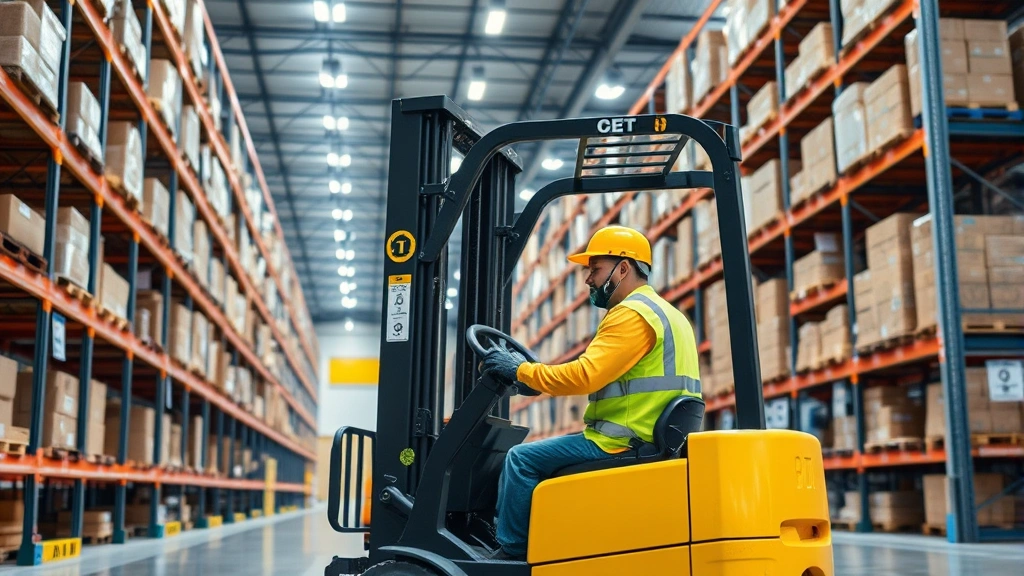
” alt=”Warehouse worker operating forklift equipment in modern distribution center with organized inventory shelving” style=”max-width: 100%; height: auto;”>
Choosing the Right Forklift Course
Not all forklift courses are created equal, so selecting the right program is important. Look for courses that include both theoretical instruction and hands-on practical training with actual equipment. The program should cover OSHA standards comprehensively and be taught by certified instructors with real-world material handling experience.
Verify that the course provider is recognized and legitimate. Your certification should be nationally recognized and acceptable to major employers in your region. Ask potential employers which training providers they recognize, or check with your local vocational school for recommended programs.
Consider course length and format based on your circumstances. If you need certification quickly, an intensive 2-3 day program might be ideal. If you prefer learning at your own pace, a blended program with online components may work better. Some programs also include refresher training and recertification options, which is valuable since OSHA recommends refresher training every three years.
Cost is another consideration, but extremely inexpensive courses may indicate inadequate training. Quality programs typically cost $100-$300 and provide thorough instruction and hands-on practice. Many employers reimburse training costs or offer tuition assistance, so don’t let cost be a barrier to obtaining this valuable certification.
The reputation of the training provider matters significantly. Look for reviews from past participants and verify that the provider maintains current certifications and adheres to OSHA standards. A legitimate course will provide a certificate upon completion that you can share with employers.
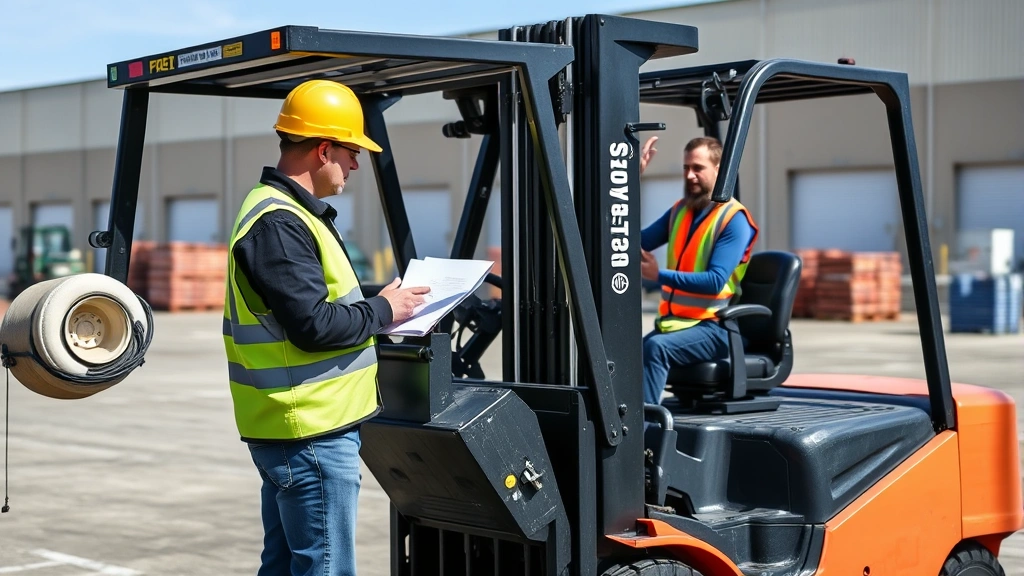
” alt=”Professional trainer conducting safety demonstration with forklift equipment in outdoor training facility with clear weather and open space” style=”max-width: 100%; height: auto;”>
Overcoming Common Concerns About Forklift Training
Some individuals hesitate to pursue forklift certification due to various concerns. Understanding these worries and addressing them can help you move forward confidently.
Many people worry about the physical demands of equipment operation. While forklifts do require physical coordination and attention, they’re not excessively physically demanding. The equipment does the heavy lifting; your role is to control it safely. The course teaches proper ergonomics and techniques that minimize physical strain.
Cost concerns are valid but manageable. At $100-$300, a forklift course represents a minimal investment compared to the earning increase it provides. You’ll likely recoup the cost within weeks of starting a certified position. Many employers also offer tuition reimbursement, effectively eliminating your out-of-pocket expense.
Some worry about the difficulty of the certification exam. The written test covers material taught in the course, and instructors provide study materials and review sessions. The practical exam assesses your ability to operate equipment safely—skills you develop through hands-on training during the course. Pass rates are typically high for students who attend all training sessions.
Age is another concern for some. Most programs require participants to be at least 18 years old, though some employers may have additional age requirements for employment. If you’re approaching this age, you can often complete the course and be job-ready immediately upon turning 18.
The Future of Forklift Operation and Automation
As warehouses increasingly adopt automation technology, you might wonder about the future demand for forklift operators. Current trends suggest that human operators will remain essential for decades. While some facilities implement autonomous systems for routine tasks, complex operations, variable environments, and problem-solving still require human judgment and skill.
In fact, automation is creating new opportunities for certified operators. Facilities implementing advanced systems need experienced operators to manage exceptions, train systems, and handle complex scenarios. Operators with strong foundational skills and safety knowledge are better positioned to adapt to emerging technologies and advance into supervisory or technical roles.
The logistics industry continues to expand, particularly with e-commerce growth and supply chain complexity. This expansion drives consistent demand for qualified material handling professionals. Obtaining your forklift certification now positions you advantageously for both current opportunities and future career evolution.
Industry research from the Bureau of Labor Statistics continues to project steady growth in material handling occupations. Your certification aligns with long-term career sustainability.
Frequently Asked Questions
How long does it take to complete a forklift course?
Most forklift courses take 1-3 days to complete, including classroom instruction and hands-on practical training. Some blended programs allow you to complete the online portion at your own pace before attending a shorter practical session. Intensive programs can certify you in as little as one day, while comprehensive programs may span a week.
How long is a forklift certification valid?
OSHA does not set an expiration date for forklift certifications, but the organization recommends refresher training every three years. Many employers require recertification at similar intervals or when an operator demonstrates unsafe behavior. Your certificate remains valid indefinitely if you maintain safe operating practices and complete refresher training as recommended.
Can I take a forklift course online?
You can complete the theoretical portion of training online, but the practical hands-on component must be conducted in person with actual equipment. Many providers offer blended programs combining online classroom content with in-person practical training, providing flexibility while ensuring proper equipment instruction.
What is the cost of a forklift course?
Forklift courses typically cost between $100-$300, depending on the provider and program format. Some employers cover training costs entirely or offer tuition reimbursement. Community colleges and vocational schools sometimes offer lower-cost options. The investment is minimal compared to the earning increase certification provides.
Do I need prior experience to take a forklift course?
No prior experience is necessary. Forklift courses are designed to teach both beginners and experienced material handlers. The training covers everything from basic equipment operation to advanced safety protocols. Instructors work with participants at all experience levels to ensure comprehension and competence.
Will a forklift certification help me get a job?
Yes, significantly. Many employers specifically seek certified forklift operators, and the certification meets legal compliance requirements. Your credential demonstrates competence and commitment to safety, making you a preferred candidate. Job placement rates for certified operators are substantially higher than for non-certified applicants.
What types of equipment do I learn to operate?
Standard forklift courses focus on counterbalance forklifts, the most common type used in warehouses and distribution centers. Some programs also cover reach trucks, pallet jacks, and other material handling equipment. Advanced courses teach specialized equipment like telehandlers and boom lifts, which build on foundational forklift training.
Is the practical training dangerous?
No, practical training is conducted in controlled environments with certified instructors supervising all operations. Training areas are designed specifically for learning, with minimal hazards. Instructors teach safety protocols before allowing you to operate equipment, and they closely monitor your performance throughout the practical component.
Can I get certified if I have a disability?
Most forklift courses can accommodate various disabilities through reasonable accommodations. Training providers work with participants to ensure accessibility. Some individuals with mobility limitations may be unable to operate equipment safely, but many disabilities do not prevent successful certification. Discuss your specific situation with the training provider to explore available options.
How often should I take refresher training?
OSHA recommends refresher training every three years. Many employers require annual or biennial refresher training, particularly if you’ve had near-misses or safety violations. Regular refresher training ensures you maintain current knowledge about safety standards and best practices, which also demonstrates your commitment to workplace safety to employers.


