Georgia Hunter Safety: Expert Course Guide
Hunting in Georgia offers incredible opportunities to experience the natural beauty of the state while pursuing game wildlife across diverse landscapes. However, responsible hunting begins with comprehensive safety education. Whether you’re a first-time hunter or someone looking to refresh your knowledge, a Georgia hunter safety course is essential for protecting yourself, other hunters, and wildlife. These courses cover critical topics including firearm handling, hunting regulations, wildlife identification, and ethical hunting practices that form the foundation of safe outdoor experiences.
The Georgia Department of Natural Resources requires hunter education certification for most hunting licenses, making formal training not just recommended but legally necessary. Modern hunter safety courses combine traditional classroom instruction with interactive online modules, practical demonstrations, and field exercises that prepare you for real-world hunting scenarios. Understanding Georgia’s specific hunting seasons, bag limits, and legal requirements ensures you remain compliant while maximizing your hunting success and safety throughout the year.
Georgia Hunter Safety Requirements and Regulations
Georgia law mandates that all hunters born after January 1, 1961 must complete a hunter safety course and obtain certification before purchasing a hunting license. The Georgia Department of Natural Resources oversees all hunter education programs and maintains strict standards for course instructors and curriculum content. This requirement applies to resident and non-resident hunters alike, ensuring a baseline level of knowledge across all individuals participating in Georgia’s hunting traditions.
The hunter safety course certification remains valid for life in Georgia, meaning once you complete the course, you won’t need to retake it. However, understanding that hunting regulations change periodically makes ongoing education valuable. Georgia’s hunting seasons vary significantly by region, weapon type, and game species. Continuing education resources help hunters stay updated on regulatory changes and new safety practices. The state divides hunting into different seasons—archery, firearms, muzzleloader—each with specific dates and legal requirements that hunters must follow strictly.
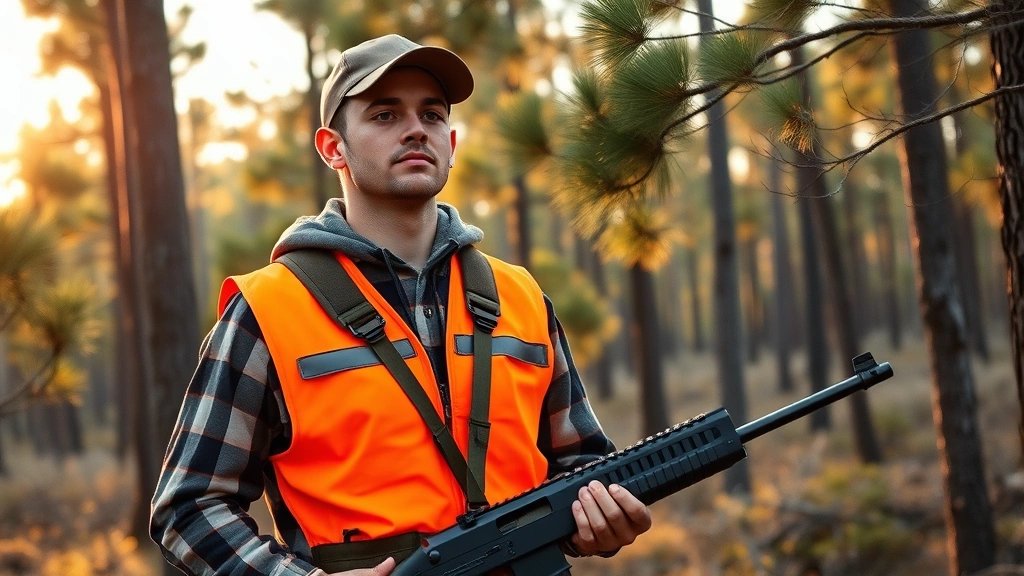
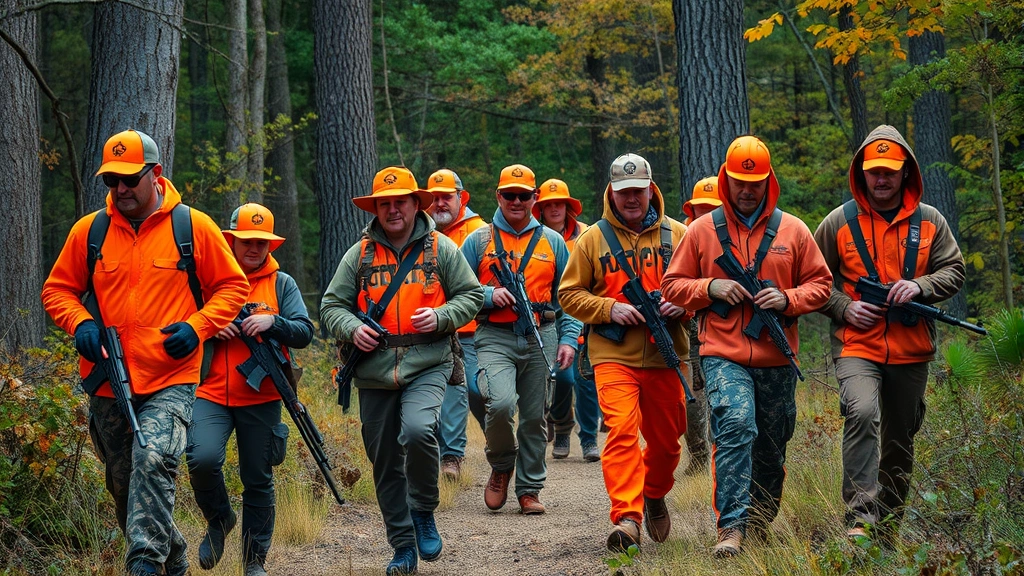
Hunters should familiarize themselves with Georgia’s Wildlife Management Areas (WMAs) where hunting is permitted, as each location has specific regulations regarding weapon types, bag limits, and access requirements. Understanding these distinctions prevents legal violations and contributes to sustainable wildlife management. The state also requires hunters to wear blaze orange during firearms season, a critical safety measure that prevents tragic hunting accidents. Georgia’s licensing system connects directly to the hunter safety certification, so completing your course is the first step toward legal hunting participation.
Essential Course Content and Topics
A comprehensive Georgia hunter safety course covers multiple interconnected topics designed to create well-rounded, responsible hunters. The curriculum emphasizes the four fundamental rules of firearm safety: treating every firearm as if it’s loaded, keeping your finger off the trigger until ready to shoot, never pointing a firearm at anything you don’t intend to shoot, and being certain of your target and what’s beyond it. These principles form the foundation of all safe hunting practices and must become automatic habits for every hunter.
The course also addresses hunting ethics and responsibilities, teaching hunters to respect wildlife, private property, and fellow hunters. Understanding the concept of fair chase—pursuing game in ways that give animals reasonable chances to escape—defines ethical hunting. Students learn about the importance of making clean, lethal shots that minimize animal suffering and waste. This ethical framework distinguishes responsible hunters from poachers and creates the foundation for long-term conservation success. Modern educational approaches integrate these values throughout course materials rather than treating them as separate topics.
Practical topics include understanding different firearm types, ammunition selection, and weapon-specific safety considerations. Courses teach hunters about shotgun patterns, rifle trajectories, and archery equipment to help them select appropriate weapons for their intended game. Students also learn about hunting clothing, equipment maintenance, survival skills, and navigation techniques that prepare them for various hunting conditions. Georgia-specific content covers the state’s diverse ecosystems, from coastal marshlands to mountain regions, and the wildlife species found in each environment.
Firearm Safety Fundamentals
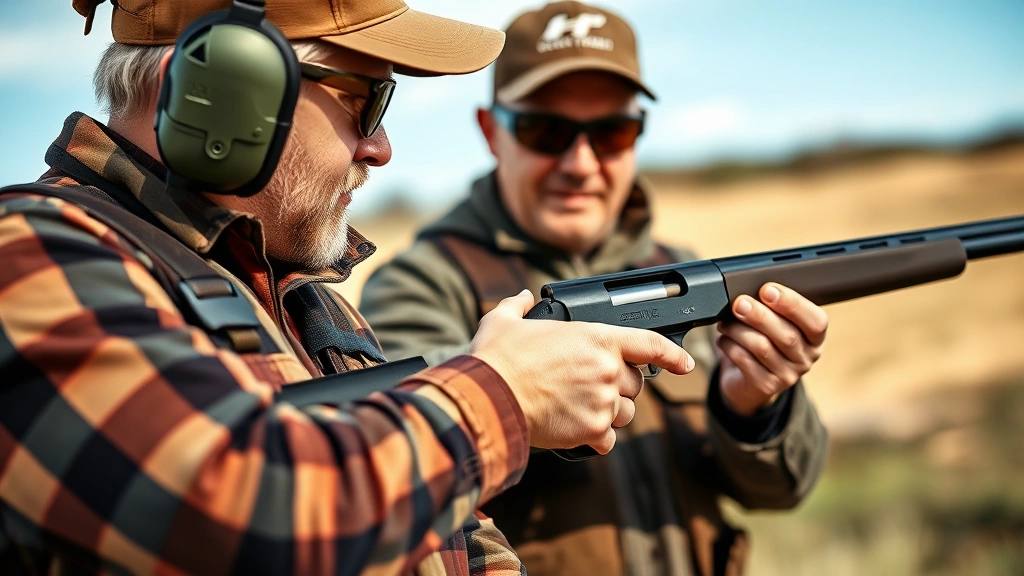
Firearm safety represents the most critical component of any hunter safety course. Instructors emphasize that firearms demand constant respect and attention, regardless of a hunter’s experience level. The course teaches proper firearm handling techniques, including how to safely load, unload, carry, and store weapons. Students learn to identify firearm parts, understand how different mechanisms operate, and recognize when firearms require maintenance or repair. This knowledge prevents accidental discharges and malfunctions that could endanger hunters.
Safe shooting practices receive extensive coverage, including stance, sight alignment, trigger control, and breathing techniques that improve accuracy while maintaining safety. Hunters learn to identify safe shooting zones, understanding that bullets travel much farther than many people realize. A hunter must know the effective range of their weapon, the distance at which projectiles remain lethal, and the terrain surrounding their shooting position. Ricochets, over-penetration, and shooting beyond intended targets cause preventable hunting accidents that safety courses specifically address.
The course emphasizes that alcohol and hunting never mix, as impaired judgment, reduced coordination, and slower reaction times create dangerous situations. Hunters also learn about tree stand safety, since falls from elevated positions cause significant injuries annually. Proper equipment use, maintenance, and safety procedures for tree stands prevent many accidents. Students learn to recognize unsafe hunting practices in others and understand their responsibility to speak up when they witness dangerous behavior. This peer accountability culture strengthens safety across entire hunting communities.
Wildlife Identification and Hunting Ethics
Accurate wildlife identification prevents hunters from shooting protected species or animals outside legal hunting seasons. Georgia’s hunter safety courses teach detailed identification of game species including deer, wild turkey, waterfowl, upland game birds, and small game animals. Students learn to distinguish between males and females, adults and juveniles, and legal versus illegal animals. This knowledge becomes especially important for species like deer, where only certain sex and age combinations may be legal to harvest during specific seasons.
Understanding animal behavior enhances hunting success while promoting ethical practices. Courses teach hunters about feeding patterns, rutting behavior, migration routes, and habitat preferences of Georgia game species. This knowledge helps hunters select appropriate hunting locations and times, increasing their chances of encountering game while minimizing environmental disruption. Ethical hunters recognize that their presence affects wildlife populations and ecosystems, and they take steps to minimize negative impacts.
Conservation forms a central theme in modern hunter education. Hunters learn how license fees fund wildlife management, habitat restoration, and research programs that sustain Georgia’s hunting heritage. Understanding the connection between hunting regulations and wildlife population management helps hunters appreciate why certain restrictions exist. Bag limits, season dates, and weapon restrictions all serve conservation purposes based on scientific data about population dynamics. Wildlife education organizations emphasize that hunters serve as important conservation partners, and their participation directly supports ecosystem health.
The course addresses fair chase principles in depth, explaining that hunting ethics extend beyond legal compliance. Hunters learn about the importance of respecting animals’ natural defenses and not using methods that provide unfair advantages. This might include avoiding the use of electronic calls during certain seasons, respecting property boundaries, and declining shots that hunters lack confidence in making cleanly. These ethical considerations define hunters as stewards rather than mere users of wildlife resources.
Choosing the Right Course Format
Georgia offers multiple course delivery methods to accommodate different learning styles and schedules. Traditional in-person courses held at local venues provide hands-on instruction, direct interaction with experienced instructors, and opportunities to handle firearms under professional supervision. These courses typically span one to two days and include classroom sessions followed by practical demonstrations. Many hunters prefer this format because it allows them to ask questions immediately and receive personalized feedback on their understanding and skills.
Online hunter safety courses provide flexibility for busy schedules, allowing students to complete coursework at their own pace from home. Georgia’s approved online courses cover all required material and include interactive modules, videos, and quizzes that ensure comprehension. However, online courses typically require students to attend a brief in-person shooting test or field day to demonstrate practical knowledge before final certification. This hybrid approach balances convenience with the need for hands-on verification of competency. Online certification programs have proven effective across various disciplines when properly structured and monitored.
When selecting a course, ensure it’s approved by the Georgia Department of Natural Resources and meets all state requirements for hunter certification. Check instructor credentials, course content, and whether the program includes practical components that align with your learning needs. Some courses specialize in specific hunting types—archery hunting, waterfowl hunting, or hunting from tree stands—offering advanced training beyond basic safety requirements. Consider your experience level, preferred learning style, and schedule when choosing between formats.
The cost of hunter safety courses varies but typically ranges from $15 to $50 for in-person courses and $20 to $40 for online options. Many local hunting clubs, sporting goods retailers, and conservation organizations offer courses at reduced rates or sponsor free training sessions. Some courses include materials like handbooks, safety equipment, or hunting guides as part of the registration fee. Investing in quality instruction pays dividends through improved safety, increased hunting success, and deeper appreciation for the hunting tradition.
After Course Certification and Continued Learning
Completing your hunter safety course represents the beginning of your hunting education journey, not the end. Your certification allows you to purchase a hunting license and legally participate in Georgia hunts, but responsible hunters continue learning throughout their careers. Hunting organizations and associations offer advanced training in specialized techniques, new equipment, and evolving best practices. Many hunters pursue additional certifications in specific disciplines like bowhunting or waterfowl hunting to deepen their expertise.
Staying current with Georgia’s hunting regulations requires annual attention, as seasons, bag limits, and legal methods change periodically. The Georgia Department of Natural Resources publishes updated hunting guides each year, and hunters should review these documents before each season. Subscribing to email newsletters from the DNR ensures you receive notifications about regulatory changes, hunting advisories, and conservation updates. Connecting with local hunting clubs and mentors provides ongoing education through shared experiences and collective knowledge.
Mentoring new hunters represents an important responsibility for experienced hunters. By sharing your knowledge, demonstrating safe practices, and modeling ethical behavior, you contribute to the next generation of responsible hunters. Many hunters find that teaching others reinforces their own understanding and strengthens their commitment to safety and conservation. Youth hunting programs throughout Georgia provide structured opportunities for young people to learn from qualified instructors in supportive environments.
Advanced skills development might include studying animal behavior more deeply, improving marksmanship through regular practice, learning field dressing and meat processing techniques, or mastering navigation and wilderness survival skills. Online resources, hunting magazines, and instructional videos provide accessible learning materials for hunters seeking to expand their capabilities. The hunting community values continuous improvement and welcomes hunters who demonstrate commitment to excellence and safety in all aspects of the sport.
FAQ
How long does a Georgia hunter safety course take?
Most in-person courses require 8-10 hours of instruction, typically completed in one or two days. Online courses vary but usually take 4-6 hours to complete all modules, plus additional time for the required field test or shooting qualification. The total time investment depends on your learning pace and the specific course format you choose.
Is my Georgia hunter safety certification valid in other states?
Georgia’s certification is recognized by most other states through reciprocity agreements, though some states may require additional documentation or have specific requirements. Check with the destination state’s wildlife agency before traveling to confirm acceptance of your Georgia certification. Some hunters choose to take additional courses when hunting in unfamiliar states to understand local regulations.
What happens if I hunt without completing the safety course?
Hunting without proper certification in Georgia is illegal and results in significant fines, potential jail time, and loss of hunting privileges. Violators may face penalties exceeding $1,000 and confiscation of hunting equipment. The legal consequences make completing your certification before hunting absolutely essential.
Can I retake the hunter safety course if I want a refresher?
Yes, you can retake the course at any time, though it’s not required for license renewal. Many hunters appreciate refresher courses to update their knowledge on regulation changes or to reinforce safety principles. Some instructors offer advanced courses that build on basic certification content.
What should I bring to an in-person hunter safety course?
Bring a notebook, pen, and any required identification. Most courses provide materials and don’t require you to bring firearms during classroom instruction. Check your specific course details for any special requirements. Wear comfortable clothing appropriate for both indoor classroom sessions and outdoor field activities.
Are there age restrictions for taking the hunter safety course?
Georgia allows hunters of any age to take the safety course, though hunters must meet age requirements to purchase licenses for specific hunting seasons. Youth hunter education programs serve younger students with age-appropriate instruction. Parental permission may be required for hunters under 18.


