Golf Course Habitats: Expert Insight
Golf courses represent complex ecosystems that extend far beyond manicured fairways and pristine greens. These landscapes, spanning thousands of acres across the United States and globally, function as dynamic habitats that support diverse plant and animal communities. Understanding golf course habitats requires examining how course design, maintenance practices, and environmental management create unique ecological niches that can either support or suppress local biodiversity.
The relationship between golf courses and natural habitats has evolved significantly over the past few decades. What once was viewed purely as recreational real estate is now recognized by environmental scientists and course managers as a potential conservation opportunity. Modern golf course design increasingly incorporates habitat restoration principles, wetland preservation, and wildlife corridors that benefit both the sport and local ecosystems. This comprehensive guide explores the multifaceted nature of golf course habitats, drawing on expertise from environmental scientists, golf course superintendents, and conservation professionals.
Understanding Golf Course Ecosystems
Golf course habitats function as distinct ecological systems with their own structural characteristics, species compositions, and environmental conditions. A typical 18-hole championship course occupies approximately 150 acres, though courses range from 50 to over 200 acres depending on design philosophy and available land. This substantial land footprint means that individual golf courses can significantly influence local environmental conditions and species populations.
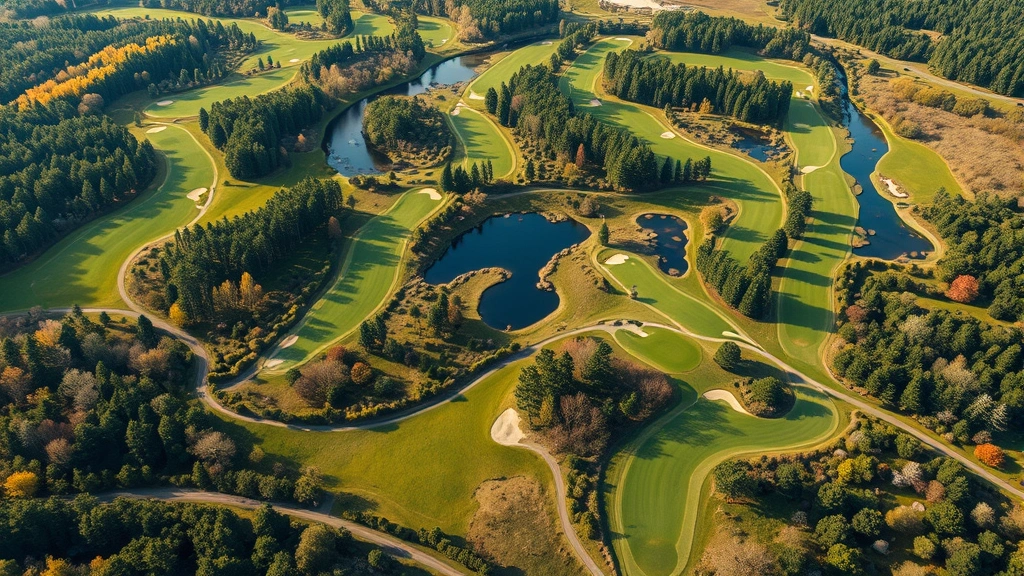
The structure of a golf course creates multiple habitat types within a single property. Fairways dominated by monoculture grass species differ dramatically from rough areas, which may contain diverse native plants. Wooded areas bordering courses provide critical shelter and food sources for wildlife. Bunkers, though primarily hazards for golfers, create sandy substrates that support specialized plant communities. Tee boxes, greens, and maintained pathways represent the most intensively managed zones, while peripheral areas often receive less intervention and can develop into more natural habitats.
According to research from the Golf Course Superintendents Association of America, modern course management recognizes that strategic habitat design enhances both playability and environmental value. Professional superintendents increasingly view their role as ecosystem managers rather than purely turf specialists. This philosophical shift has profound implications for how habitats develop and function within course boundaries.
The soil composition of golf courses varies significantly from surrounding natural areas due to course construction and maintenance practices. Fairway soils are often heavily modified, compacted, and amended to support specific grass species. These altered soil conditions support different microbial communities and invertebrate populations compared to native soils. Understanding these soil-based habitats is essential for appreciating the complete ecological picture of golf course environments.
Native Plant Communities and Vegetation Management
Vegetation management represents one of the most significant factors influencing habitat quality on golf courses. Traditional course maintenance prioritized aesthetic uniformity, typically achieved through monoculture turf of non-native grass species. Modern habitat-conscious management increasingly incorporates native plant communities that provide superior ecological value while often reducing maintenance requirements and costs.
Native grasses, wildflowers, and shrubs adapted to local climatic conditions require less water, fertilizer, and pesticide input than non-native turf species. They also provide superior food sources and shelter for native wildlife species that have co-evolved with these plants over millennia. Rough areas designated for native plant restoration can support hundreds of plant species, creating complex vegetation structures that support diverse animal communities.
The transition from monoculture to diverse native plant communities typically occurs in designated areas rather than across entire courses, allowing courses to maintain their playability and aesthetic standards while expanding habitat value. Many courses now designate 20-40% of their total acreage for native plant communities, creating a mosaic of habitats. These native plant areas attract pollinators including bees, butterflies, and moths, which provide critical ecosystem services and support the food web that sustains larger wildlife species.
Seasonal management of native plant areas differs substantially from traditional turf management. Rather than frequent mowing and chemical inputs, native plant habitats benefit from periodic prescribed burns, selective cutting, and minimal chemical intervention. These management practices mimic natural disturbance regimes that historically maintained native plant communities. Courses implementing these strategies often experience reduced maintenance costs while simultaneously improving habitat quality.
Learn more about specialized course management at San Marcos Golf Course Chandler, which demonstrates regional habitat considerations in desert environments. Similarly, Memorial Park Golf Course Houston showcases subtropical habitat management strategies.
Wildlife Corridors and Species Diversity
Golf courses positioned strategically within landscapes can function as wildlife corridors, facilitating movement of animal species between fragmented natural areas. As urban and agricultural development continues fragmenting natural habitats, these linear connections become increasingly critical for maintaining viable wildlife populations. Course design that prioritizes connectivity rather than isolation provides measurable conservation benefits.
The width and continuity of wildlife corridors significantly influences their effectiveness. Corridors narrower than 100 meters provide limited value for many species, while corridors exceeding 500 meters substantially increase species movement and genetic exchange. Golf courses can function as effective corridors when rough areas, native plant zones, and wooded boundaries form continuous pathways across the landscape.
Bird habitat represents a primary focus for many golf course habitat programs. Studies documented by the Audubon Society demonstrate that well-managed golf courses support resident and migratory bird populations at densities comparable to natural habitats. Specific habitat features supporting avian diversity include diverse vegetation structure, water features, snags (dead standing trees), and reduced pesticide use that maintains insect populations for foraging birds.
Mammalian species utilizing golf course habitats range from small rodents and rabbits to larger species including deer and coyotes. Course design that accommodates wildlife movement while minimizing human-wildlife conflicts requires careful planning. Buffer zones between developed areas and wildlife corridors, wildlife-friendly fencing, and strategic placement of water features can support mammalian populations while reducing conflicts with course operations and nearby residential areas.
Invertebrate biodiversity within golf course habitats often exceeds that of surrounding agricultural lands, particularly on courses implementing reduced pesticide programs. Beetles, spiders, grasshoppers, and other arthropods support food webs that sustain vertebrate wildlife. Native plant communities specifically support native insect species through co-evolutionary relationships, creating more robust and resilient food webs than monoculture turf systems.
Water Management and Aquatic Habitats
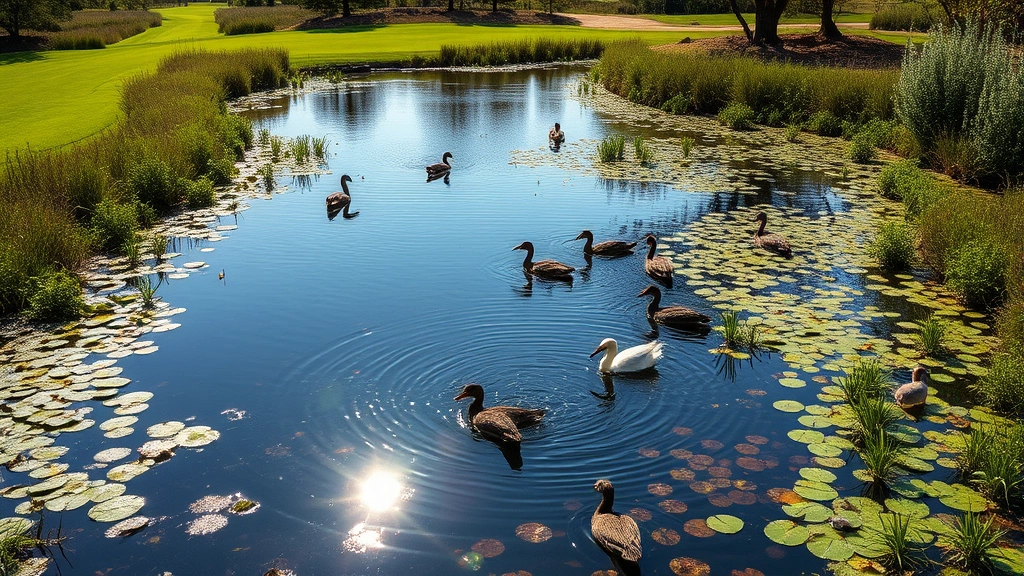
Water features integrated into golf course design serve dual purposes: supporting course playability while creating aquatic and semi-aquatic habitats. Ponds, lakes, streams, and wetlands incorporated into modern courses provide habitat for amphibians, aquatic insects, fish, and waterfowl. The quality and design of these water features significantly influences their ecological value.
Natural water quality management represents a significant advancement in golf course habitat development. Rather than relying exclusively on chemical treatments, many courses now utilize constructed wetlands, native aquatic plants, and natural filtration systems to maintain water quality. These bioengineering approaches reduce chemical inputs, improve habitat value, and often reduce long-term maintenance costs. Wetlands integrated into course design filter stormwater runoff, recharge groundwater, and support specialized plant and animal communities adapted to wet conditions.
Amphibian habitats within golf courses have received increasing attention from conservation biologists. Shallow ponds with dense vegetation provide critical breeding habitat for frogs, toads, and salamanders. These amphibians serve as indicator species for ecosystem health, as their permeable skin makes them sensitive to environmental contaminants. Courses supporting healthy amphibian populations demonstrate relatively low pesticide contamination and stable aquatic ecosystems.
Fish populations in golf course water features support predatory birds and mammals while also indicating water quality conditions. Native fish species adapted to local conditions provide superior ecological value compared to exotic species often stocked in golf course ponds. However, careful management prevents overpopulation and maintains balanced aquatic ecosystems. Some courses eliminate fish populations entirely in shallow ponds to maximize amphibian breeding success.
Water conservation represents an increasingly important consideration in golf course habitat management, particularly in water-limited regions. Drought-resistant native plant communities reduce irrigation requirements while maintaining or improving habitat value. Rainwater capture systems, recycled water utilization, and soil amendments improving water retention reduce both environmental impact and operational costs. These water management innovations demonstrate that habitat quality and resource efficiency need not be mutually exclusive.
Pesticide Use and Chemical Management
Chemical inputs including pesticides and fertilizers represent some of the most significant environmental concerns associated with conventional golf course management. These substances leach into groundwater, contaminate surface water, and disrupt ecological processes supporting wildlife. Progressive habitat management requires substantial reduction or elimination of these chemical inputs.
Integrated Pest Management (IPM) programs represent the industry standard for reducing pesticide dependence while maintaining acceptable course conditions. IPM emphasizes cultural practices including appropriate watering, mowing height adjustments, and cultivation techniques that reduce pest pressure without chemical intervention. Biological controls including beneficial insects and microbial agents address specific pest problems with minimal environmental impact. Chemical pesticides become tools of last resort rather than routine maintenance inputs.
Fertilizer management critically influences habitat quality and water resource protection. Excess nitrogen and phosphorus from fertilizer applications promote algal blooms in water features, reducing oxygen availability and supporting conditions for fish kills. Precise application timing and rates, soil testing to determine actual nutrient needs, and organic fertilizer alternatives reduce environmental contamination while often lowering costs. Many courses implementing these practices observe improved turf quality and reduced disease pressure.
Herbicide reduction particularly benefits native plant communities in rough areas and native plant zones. While selective herbicides targeting specific weed species may be necessary during habitat establishment, mature native plant communities typically require minimal or no herbicide input. The shift toward herbicide reduction fundamentally changes maintenance approaches, emphasizing ecological succession and natural community development rather than imposed uniformity.
Research from the Environmental Protection Agency documents the benefits of reduced pesticide and fertilizer use in supporting aquatic and terrestrial wildlife. Golf courses implementing these reductions consistently demonstrate improved water quality, enhanced wildlife populations, and often reduced operational costs. The transition period requires adjustment of expectations and practices, but long-term outcomes strongly justify initial investments.
Conservation Best Practices
Leading golf courses worldwide have established conservation programs serving as models for habitat-conscious management. These programs typically incorporate multiple elements including native plant restoration, wildlife monitoring, water quality protection, and community education. Implementation requires commitment from course ownership, management, and maintenance staff, along with ongoing professional development and investment in specialized equipment and techniques.
Habitat assessment and monitoring provide critical baseline information and ongoing evaluation of conservation effectiveness. Professional ecologists conduct biological surveys documenting plant and animal species present within course boundaries, establishing baseline conditions against which future improvements can be measured. Ongoing monitoring tracks changes in species composition and population sizes, informing adaptive management adjustments.
Certification programs including Audubon Cooperative Sanctuary Program for Golf Courses provide structured frameworks for habitat improvement and verification. These programs establish standards for environmental management, provide technical assistance, and recognize courses meeting conservation criteria. Participation in certification programs demonstrates commitment to environmental stewardship and provides competitive advantage in markets increasingly valuing sustainability.
Staff education and professional development ensure that conservation principles inform daily maintenance decisions. Superintendents and maintenance staff require training in ecological principles, native plant identification, wildlife biology, and sustainable management practices. Professional organizations including the Golf Course Superintendents Association offer educational programs specifically addressing habitat conservation and sustainable management.
Community engagement and education amplify conservation benefits beyond course boundaries. Golf courses serving as habitat conservation examples inspire surrounding communities to implement similar practices on residential properties and public lands. Educational signage explaining habitat features, guided nature walks, and community volunteer opportunities foster appreciation for golf course conservation efforts and environmental stewardship generally.
Regional Habitat Variations
Golf course habitat characteristics vary dramatically across different biogeographic regions, reflecting variation in native plant communities, wildlife species, and environmental conditions. Courses in arid regions face fundamentally different habitat challenges and opportunities compared to humid tropical or temperate forest environments. Understanding regional context proves essential for developing effective habitat management strategies.
Desert golf courses in the southwestern United States increasingly emphasize native desert plant communities including shrubs, cacti, and drought-resistant grasses. These communities require minimal irrigation while providing habitat for specialized wildlife including reptiles, ground-nesting birds, and small mammals adapted to arid conditions. Courses like San Marcos Golf Course Chandler demonstrate successful desert habitat integration.
Subtropical and tropical courses in southeastern and southwestern regions support fundamentally different native plant and animal communities compared to temperate courses. Courses in these regions prioritize native palm species, tropical hardwoods, and understory vegetation supporting diverse bird populations and other wildlife. Water management in humid tropical regions emphasizes drainage and water quality rather than conservation, though these concerns remain important.
Temperate forest region courses, including those in the northeastern and midwestern United States, benefit from mature native plant communities including deciduous and coniferous forests. These courses can prioritize forest understory restoration, native wildflower meadows, and stream habitat enhancement. Memorial Park Golf Course Houston exemplifies subtropical habitat management in a major metropolitan area.
Courses in agricultural regions often serve critical functions as habitat refugia, providing protected areas where native plant and animal communities can persist despite surrounding agricultural intensification. These courses may support plant and animal species threatened or eliminated from surrounding agricultural lands. Strategic habitat management in agricultural regions can contribute meaningfully to regional conservation objectives.
Coastal courses present unique habitat opportunities and challenges related to salt marsh, beach, and dune ecosystems. Courses incorporating coastal native plant communities and protecting dune systems provide critical habitat for specialized species including nesting sea turtles, shorebirds, and salt marsh specialists. Water quality protection prevents contamination of sensitive estuarine ecosystems adjacent to coastal courses.
Golf courses in developed urban areas, though limited in total acreage, often provide disproportionately important habitat value due to scarcity of natural areas. Urban golf courses can function as oases supporting wildlife populations in otherwise developed landscapes. These courses often prioritize native plant communities and wildlife-friendly management despite space constraints and surrounding development pressures.
FAQ
What percentage of golf courses actively manage habitat?
Estimates suggest approximately 30-40% of golf courses in the United States have implemented some form of habitat management or conservation program. However, the extent and effectiveness of these programs varies considerably. Courses participating in formal certification programs like the Audubon Cooperative Sanctuary Program represent a smaller subset, approximately 5-10% of total courses, but their numbers continue growing as environmental awareness increases among course ownership and management.
How long does native plant restoration take on a golf course?
Native plant community establishment typically requires 3-5 years to achieve self-sustaining conditions. Initial establishment involves site preparation, planting, and intensive management to prevent invasive species encroachment. After this period, mature native plant communities require minimal inputs compared to conventional turf, though periodic maintenance including selective cutting and prescribed burning may continue indefinitely. The time investment produces long-term benefits including reduced maintenance costs and enhanced habitat value.
Can golf courses support endangered species?
Yes, strategically managed golf courses have successfully supported endangered and threatened species. Examples include courses providing habitat for endangered grassland birds, protected amphibian species, and native plant communities. Success requires detailed knowledge of species requirements and commitment to management practices specifically supporting target species. Collaboration between course managers and conservation biologists optimizes outcomes for both course operations and species recovery objectives.
How do golf courses compare to natural habitats for wildlife support?
Well-managed golf courses can support wildlife populations at densities and diversity levels comparable to natural habitats, particularly for certain taxa including birds and some mammal species. However, monoculture turf courses support substantially lower biodiversity compared to natural communities. The habitat value of any golf course depends critically on management practices, with courses emphasizing native plants, reduced chemical inputs, and strategic wildlife corridors providing substantially greater conservation value than conventional courses.
What role do golf courses play in water conservation?
Golf courses historically consumed substantial water resources, but modern courses increasingly implement conservation practices reducing water use by 30-50% compared to conventional management. Native plant communities, improved irrigation efficiency, rainwater capture, and recycled water utilization reduce water consumption while maintaining or improving habitat value. In water-limited regions, golf courses implementing aggressive conservation practices demonstrate that environmental responsibility and recreational use need not conflict.
How can homeowners apply golf course habitat principles to residential properties?
Homeowners can implement many golf course habitat practices on residential properties, including native plant landscaping, reduced pesticide and fertilizer use, water feature installation supporting wildlife, and wildlife corridor connectivity with neighboring properties. Native plant gardens specifically attract pollinators and support bird populations. Reducing chemical inputs benefits both personal health and environmental quality. Even small residential properties implementing these practices contribute meaningfully to landscape-scale habitat conservation and connectivity.