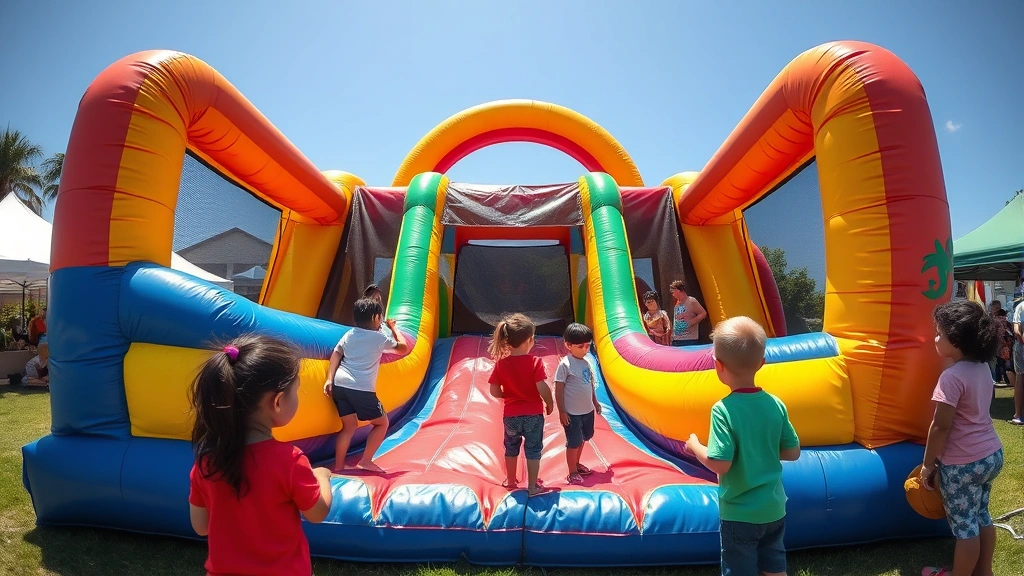
Inflatable Obstacle Courses: Expert Safety Tips for Maximum Fun and Protection
Inflatable obstacle courses have become increasingly popular at schools, corporate events, birthday parties, and recreational facilities across the country. These colorful, dynamic structures offer participants an exciting physical challenge while providing entertainment value that appeals to both children and adults. However, the popularity of these attractions comes with important safety considerations that event organizers, instructors, and participants must understand and implement.
Whether you’re planning to set up an inflatable obstacle course for a community event, managing one at a facility, or simply wanting to understand the risks involved, comprehensive safety knowledge is essential. This guide explores evidence-based practices, expert recommendations, and practical strategies for ensuring that everyone who engages with inflatable obstacle courses does so in the safest possible environment. Understanding proper setup, maintenance, supervision, and participant preparation can dramatically reduce injury risk while maximizing the enjoyment these attractions provide.
Understanding Inflatable Obstacle Course Safety Standards
The inflatable amusement industry operates under specific safety standards and regulations designed to protect users from injury. The American Society for Testing and Materials (ASTM) has developed comprehensive standards, particularly ASTM F24 Committee standards, which address the design, manufacture, installation, and operation of inflatable amusement devices. Understanding these standards is fundamental for anyone responsible for operating an inflatable obstacle course.
These safety standards cover critical aspects including structural integrity, material specifications, anchor requirements, and operational procedures. They establish guidelines for maximum occupancy limits, age restrictions, and supervision ratios. Many states and local jurisdictions have adopted these ASTM standards into their regulations, making compliance not just a best practice but a legal requirement. Facility managers should verify which specific standards apply in their jurisdiction and ensure all equipment meets or exceeds these requirements.
Beyond regulatory standards, industry best practices have evolved through years of operational experience and incident analysis. Organizations like the International Association of Amusement Parks and Attractions (IAAPA) provide additional guidance and resources for maintaining safe operations. Many of these recommendations go beyond minimum legal requirements and represent industry consensus on what truly protects participants.
Pre-Event Setup and Inspection Protocols
Proper setup of an inflatable obstacle course begins long before participants arrive. The location selection, ground preparation, and installation procedures all significantly impact safety. The ground surface should be level, free of debris, and composed of appropriate material such as grass, rubber mats, or specifically designed surfaces. Hard surfaces like concrete or asphalt should never be used as they dramatically increase injury risk from falls.
Before inflating the structure, conduct a thorough visual inspection of the equipment. Check for tears, punctures, or signs of wear in the material. Examine all seams and stress points where the fabric is stitched or glued. Verify that all anchor points are intact and that guy ropes and stakes are present and undamaged. Look for any signs of previous repairs that may not have been properly executed.
During inflation, monitor the process carefully to ensure the structure inflates evenly and completely. The air pressure must reach the manufacturer’s specified PSI (pounds per square inch). Under-inflation creates instability and increases collapse risk, while over-inflation stresses seams and can cause ruptures. Use only the recommended air pump and monitor pressure continuously. Once fully inflated, conduct a second inspection, looking specifically for any bulges, soft spots, or areas that don’t feel properly firm.
All anchor points must be secured according to manufacturer specifications. This typically involves stakes driven into the ground at specific angles and distances, supplemented by guy ropes and potentially weights. The anchoring system prevents the structure from shifting, tipping, or becoming airborne in wind. Never skip or compromise the anchoring process, as this is a critical safety element. Consider checking out resources about best online learning websites for additional training materials on equipment setup.
Create a checklist for setup procedures and have multiple team members verify completion of each item. Documentation of setup procedures provides important records and ensures consistency across multiple events. This systematic approach prevents overlooking critical safety steps.
Proper Supervision and Staffing Requirements
Adequate supervision is perhaps the most critical element of inflatable obstacle course safety. The number of supervisors required depends on the structure’s size, complexity, and the number of participants. Industry standards typically recommend a minimum of one trained supervisor for every 10-15 participants, though many experts recommend lower ratios for maximum safety.
Supervisors must be positioned where they can observe all areas of the course simultaneously. They should be able to see entry and exit points, monitor participant movement throughout the structure, and identify any unsafe behaviors or equipment issues immediately. Multiple supervisors may be necessary for larger courses, with clear designation of responsibility areas.
All supervisory staff must receive proper training covering equipment operation, emergency procedures, first aid, and participant management. This training should occur before the event and be documented. Staff should understand how to recognize signs of distress, fatigue, or unsafe behavior in participants. They need to know exactly what to do if someone becomes stuck, injured, or panicked within the structure.
Supervisors should enforce all safety rules consistently and communicate expectations clearly to participants before they enter the course. This includes weight limits, age restrictions, behavior guidelines, and physical activity warnings. Clear communication prevents misunderstandings and helps participants make informed decisions about participation.

Participant Screening and Health Considerations
Before allowing anyone to participate in an inflatable obstacle course, operators should implement a screening process to identify individuals who may be at higher risk for injury. This screening can take the form of a brief health questionnaire or verbal discussion with participants and their guardians.
Certain medical conditions increase injury risk and may contraindicate participation. These include heart conditions, joint problems, recent surgeries, pregnancy, and balance disorders. Participants with these conditions should be advised to consult with their healthcare provider before participating. Individuals recovering from injuries should not participate until fully healed and cleared by medical professionals.
Age and developmental stage significantly impact both capability and risk. Young children may lack the coordination, strength, and judgment needed for complex courses. Elderly participants may have balance issues or reduced bone density that increases fracture risk. Course designers should create age-appropriate challenges and operators should enforce age restrictions. Consider learning more about online courses for professional development in risk assessment and participant evaluation.
Physical fitness level matters significantly. Participants in poor physical condition are more likely to experience fatigue, loss of control, and falls. Operators should encourage realistic self-assessment and remind participants that they can exit the course at any time without judgment. Competitive pressure or peer influence should never override personal limitations.
Footwear and clothing choices affect safety. Participants should wear closed-toe athletic shoes with good grip. Loose clothing, jewelry, or items that could catch on the inflatable material should be removed. Glasses or other personal items should be secured or removed to prevent loss or injury.
Equipment Maintenance and Regular Checks
Inflatable structures require ongoing maintenance to ensure continued safety. Establish a regular inspection schedule with daily checks before use and more comprehensive inspections on weekly or monthly schedules depending on usage frequency.
Daily pre-use inspections should include visual examination of the entire surface for new tears or damage, verification of proper inflation pressure, checking that all anchor points remain secure, and ensuring the ground surface is clear of hazards. Any damage discovered should result in immediate removal of the equipment from service until repairs are completed.
Professional cleaning maintains both hygiene and allows for detailed inspection of the material. Mold, mildew, or algae growth can create slippery surfaces and may indicate moisture problems that could compromise structural integrity. Clean the surface regularly with appropriate cleaning solutions that won’t damage the material.
Air pump systems should be maintained according to manufacturer specifications. A malfunctioning pump that fails to maintain proper pressure creates significant safety hazards. Keep backup pumps available and test them regularly to ensure functionality.
Repairs must be performed by qualified professionals using manufacturer-approved repair kits and procedures. Improper repairs can create weak points that fail during use. Keep detailed records of all maintenance, repairs, and inspections. This documentation demonstrates due diligence and provides valuable information for identifying patterns of wear or damage.
Emergency Response Planning
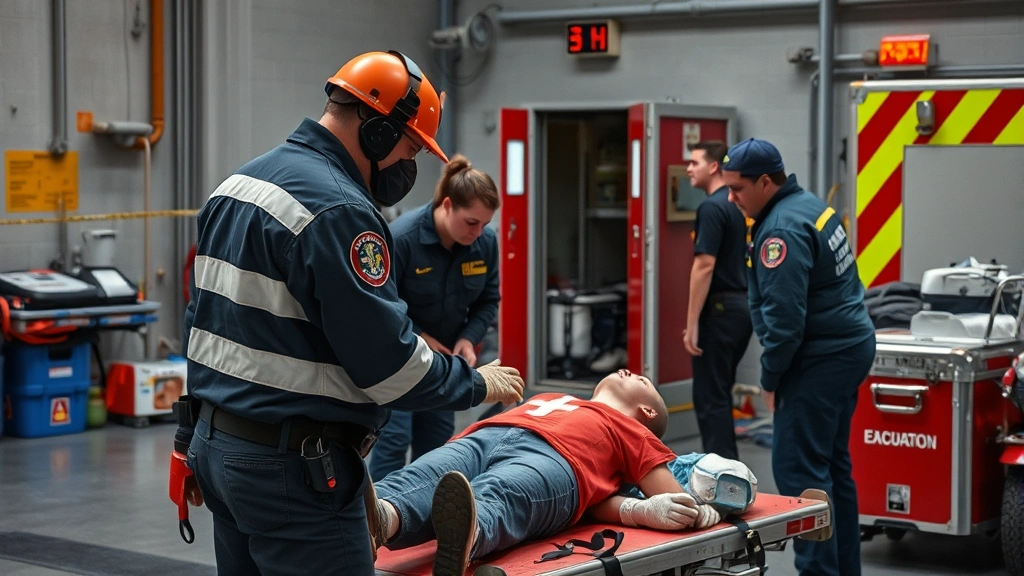
Every facility operating an inflatable obstacle course should have a comprehensive emergency response plan. This plan should address various scenarios including participant injury, equipment failure, medical emergencies, and environmental hazards.
The plan should identify the specific roles and responsibilities of each staff member during an emergency. Who calls emergency services? Who performs first aid? Who manages other participants and prevents additional injuries? Clear designation of responsibilities prevents confusion and ensures appropriate response.
All staff should receive training in first aid and CPR through recognized organizations. At least one staff member with current certification should be present whenever the course operates. Having staff trained in recognizing and responding to common injuries like sprains, strains, and impact injuries is essential.
Establish clear evacuation procedures for situations where participants need to exit the structure quickly. Ensure multiple exit points are available and clearly marked. Participants should know how to safely exit even if the structure is partially deflated or in an emergency situation.
Create communication systems for staff coordination during emergencies. This might include walkie-talkies, hand signals, or other methods that allow rapid communication between supervisory staff. Test these systems regularly to ensure functionality.
Document all incidents, injuries, and near-misses. This information helps identify patterns and areas for improvement. It also provides important documentation for liability and insurance purposes. Incident reports should be detailed and objective, describing exactly what happened and what factors contributed.
Weather and Environmental Factors
Weather conditions significantly impact the safety of inflatable obstacle courses. Wind is a particular concern as it can cause structural movement, create instability, and potentially lift or damage the equipment. Most manufacturers specify maximum wind speeds for safe operation, typically 15-20 miles per hour. Operators should monitor weather conditions continuously and cease operations if wind speeds exceed safe limits.
Rain and wet conditions create slippery surfaces that increase fall risk. While the course can typically continue operating in light rain, heavy rain should result in temporary closure until conditions improve. Wet surfaces require more frequent supervision as participants are more likely to slip and fall.
Extreme heat can affect both equipment and participants. The inflatable material can become uncomfortably hot in direct sun, potentially causing discomfort or burns. Provide shaded areas and encourage hydration. Heat exhaustion becomes more likely during prolonged physical activity in high temperatures, particularly for young children and elderly participants.
Cold temperatures can make materials brittle and less flexible, increasing tear risk. Very cold weather may require equipment shutdown to prevent damage. Snow or ice on the ground around the structure creates hazards for entry and exit.
Sun exposure degrades the material over time, fading color and weakening structural integrity. When not in use, cover the equipment or store it indoors when possible. Use UV-protective covers if outdoor storage is necessary.
Age-Appropriate Course Design
Inflatable obstacle courses should be designed with specific age groups in mind. Courses for young children require different features, heights, and challenge levels than those designed for teenagers or adults. Mixing age groups on courses designed for different developmental stages creates safety risks.
Young children (ages 3-6) need courses with lower heights, simpler obstacles, and wider pathways. They require constant supervision and may benefit from courses designed for single-user navigation to prevent crowding and collisions. Challenge elements should focus on fun and basic movement rather than difficulty.
Elementary-age children (ages 7-12) can handle more complex obstacles and greater heights, though still within reasonable limits. These courses can incorporate climbing, sliding, and jumping elements. Supervision remains critical as children this age may overestimate their abilities.
Teenager and adult courses can include more challenging elements, greater heights, and complex obstacle combinations. These participants generally have better judgment and physical capability, though supervision is still necessary to prevent reckless behavior and ensure safe progression through the course.
Separate courses for different age groups is ideal when possible. If mixed-age groups must use the same course, establish clear rules about supervision and pacing to ensure younger or less capable participants aren’t pressured to move faster than safely possible.
FAQ
What is the standard supervision ratio for inflatable obstacle courses?
Industry standards recommend a minimum of one trained supervisor for every 10-15 participants, though many experts recommend one supervisor per 8-10 participants for optimal safety. Larger or more complex courses may require additional supervisors positioned to observe all areas simultaneously.
Can inflatable obstacle courses be used during rain?
Light rain typically doesn’t require closure, but wet surfaces increase slip risk significantly. Heavy rain should result in temporary closure until conditions improve. Supervisors should increase vigilance during wet conditions as participants are more likely to fall. Always check manufacturer guidelines regarding weather limitations.
What medical conditions contraindicate participation?
Heart conditions, severe joint problems, recent surgeries, pregnancy, balance disorders, and conditions affecting coordination should be evaluated carefully. Participants with these conditions should consult healthcare providers before participating. Operators should implement screening procedures to identify at-risk individuals.
How often should inflatable obstacle courses be inspected?
Daily inspections before use are essential, checking for damage, proper inflation, and secure anchoring. More comprehensive inspections should occur weekly or monthly depending on usage frequency. Professional inspections should occur annually or as recommended by manufacturers. Keep detailed records of all inspections and maintenance.
What is the proper ground surface for an inflatable obstacle course?
Grass, sand, rubber mats, or specifically designed impact-absorbing surfaces are appropriate. Hard surfaces like concrete or asphalt should never be used as they dramatically increase injury risk from falls. The ground should be level, free of debris, and properly prepared before equipment installation.
How should participants prepare for using an inflatable obstacle course?
Wear closed-toe athletic shoes with good grip, remove loose clothing and jewelry, stay hydrated, warm up before starting, and assess personal fitness level honestly. Participants should start with easier obstacles and progress to more challenging elements. Never feel pressured to participate beyond comfort level or physical capability.
What should operators do if equipment damage is discovered?
Remove the equipment from service immediately and cease all operations. Contact the manufacturer or qualified repair service to assess damage and perform repairs using approved procedures and materials. Do not attempt makeshift repairs. Document all damage and repairs carefully. Resume operations only after the equipment has been inspected and approved by qualified personnel.
How can operators prevent heat-related illness during hot weather?
Provide shaded rest areas, encourage frequent water breaks, limit activity duration during peak heat hours, and monitor participants for signs of heat exhaustion. Consider operating during cooler morning or evening hours. Remind participants to hydrate before, during, and after activity. Watch for symptoms like dizziness, nausea, or excessive fatigue.
For additional information on safety standards, consult the American Society for Testing and Materials (ASTM) website for comprehensive guidelines on inflatable amusement device safety. The International Association of Amusement Parks and Attractions (IAAPA) provides industry resources and best practices. For emergency response training, contact the American Red Cross for first aid and CPR certification. The Centers for Disease Control and Prevention (CDC) offers guidelines on injury prevention and heat-related illness. For facility management and risk assessment, the National Fire Protection Association (NFPA) provides valuable safety resources.


