
Is Oklahoma Hunter Safety Course Essential? Expert View
Hunting is a cherished tradition in Oklahoma, drawing thousands of enthusiasts to forests and fields each season. However, before picking up a rifle or bow, aspiring hunters must navigate important legal and safety requirements. The Oklahoma hunter safety course stands as a critical gateway to responsible hunting, combining legal compliance with life-saving knowledge. This comprehensive guide examines whether this course is truly essential and what every Oklahoma hunter needs to know.
The question isn’t simply whether the Oklahoma hunter safety course is required by law—it absolutely is for most hunters—but rather understanding the deeper value it provides beyond legal necessity. Expert educators and wildlife officials emphasize that this certification represents a fundamental commitment to safe, ethical hunting practices that protect both human lives and wildlife populations.
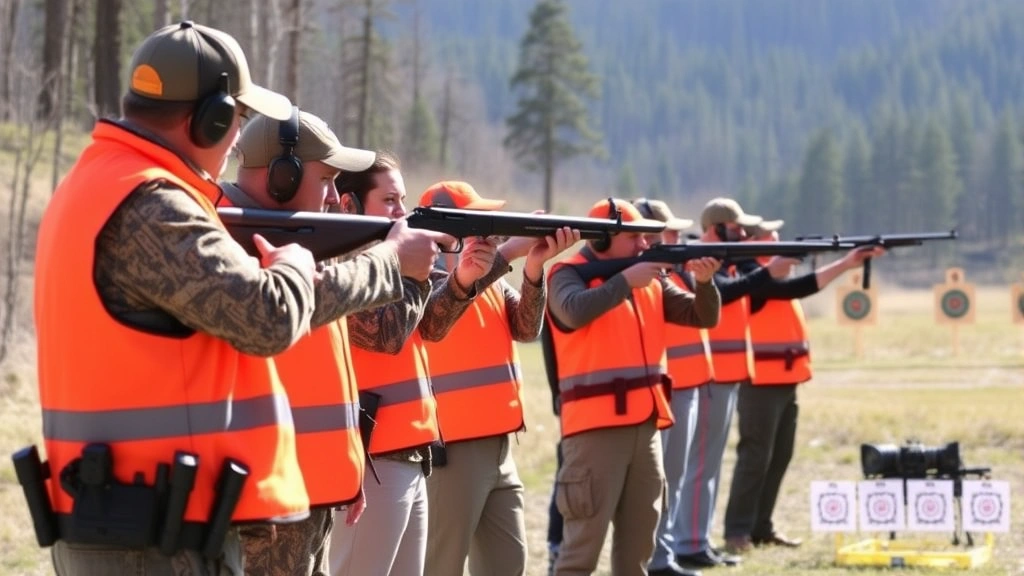
Legal Requirements in Oklahoma
Oklahoma’s Wildlife Department mandates that virtually all hunters born after January 1, 1985, must complete a certified hunter education course before obtaining a hunting license. This requirement applies whether you’re pursuing deer, waterfowl, upland game, or any other species. The law represents Oklahoma’s commitment to ensuring every hunter possesses baseline safety knowledge.
Those born before 1985 may hunt without the certification, though many seasoned hunters choose to complete the course anyway. Non-resident hunters must also complete Oklahoma’s certification or provide proof of equivalent hunter education from their home state. This reciprocal agreement recognizes that quality hunter education meets consistent standards across states.
Violating these requirements carries consequences beyond inconvenience. Hunting without proper certification can result in citations, fines ranging from $50 to $500, and confiscation of hunting equipment. More importantly, it demonstrates disrespect for the legal framework designed to protect public safety.

Safety Fundamentals and Accident Prevention
The primary purpose of any hunter safety course extends far beyond paperwork compliance. According to research from the International Hunter Education Association, certified hunters experience significantly fewer accidents than uncertified individuals. The course directly addresses the leading causes of hunting-related injuries and fatalities.
Firearm safety forms the cornerstone of hunter education. Participants learn the four fundamental rules: treat every firearm as loaded, keep the muzzle pointed in a safe direction, keep the finger off the trigger until ready to shoot, and be certain of the target and what lies beyond it. These principles, when internalized and practiced consistently, prevent the vast majority of preventable hunting accidents.
Beyond firearms, the Oklahoma hunter safety course teaches critical skills including:
- Proper shooting techniques that reduce missed shots and wounded game
- Tree stand safety to prevent falls, which cause numerous hunting injuries annually
- Hunter visibility and blaze orange requirements that save lives during hunting season
- Wilderness navigation to prevent getting lost in unfamiliar terrain
- Emergency preparedness and survival skills for unexpected situations
- Wildlife identification to ensure you’re targeting the correct species
These competencies create a protective framework that makes hunting demonstrably safer. Research published in the Journal of Wildlife Education shows that hunter education participants report higher confidence levels when facing challenging hunting situations and make better judgment calls under pressure.
What the Course Actually Covers
The Oklahoma hunter safety curriculum balances practical skills with ethical and legal knowledge. Most courses require 8-10 hours of instruction, delivered either in-person or increasingly through online platforms with final in-person shooting proficiency components.
Firearm and Archery Safety: Detailed instruction covers rifle, shotgun, and bow safety specific to hunting applications. Participants learn ballistics, bullet behavior, and ethical shooting distances. The course emphasizes that hunting weapons require different handling than sport firearms because hunters often shoot from elevated positions, at moving targets, and in low-light conditions.
Hunting Laws and Ethics: Oklahoma-specific regulations receive detailed coverage, including season dates, bag limits, licensing requirements, and protected species. The ethical component—often overlooked but crucial—teaches hunters about conservation principles, fair chase, and the hunter’s code of conduct. This transforms hunting from mere activity into a responsibility-based pursuit.
Wildlife Management and Ecology: Understanding animal behavior, habitat requirements, and population dynamics helps hunters make ethical decisions about which animals to harvest. This knowledge separates responsible hunters from those who view hunting as simple killing.
Survival and Wilderness Skills: Practical instruction covers navigation, weather-related hazards, and emergency response. Hunters learn to recognize hypothermia symptoms, treat injuries in remote areas, and signal for help when needed.
Hunter Responsibility and Landowner Relations: The course emphasizes that hunting is a privilege granted by landowners and wildlife agencies. Proper etiquette, asking permission, respecting property boundaries, and leaving land in better condition than found are essential components of responsible hunting.
Practical Benefits Beyond Certification
While legal compliance and accident prevention are paramount, the Oklahoma hunter safety course delivers additional practical advantages that enhance the hunting experience.
Many hunters report increased confidence and competence in the field after completing certification. Understanding why safety rules exist—not just learning the rules themselves—creates internalized discipline. You’ll make better decisions under stress because you understand the principles, not just the procedures.
The course also provides networking opportunities with experienced hunters and instructors. These relationships often lead to hunting partnerships, access to private land, and mentorship that can span years. Many hunters form lifelong friendships through safety course classes.
Additionally, some insurance providers offer discounts for hunters who complete certified courses, offsetting the course cost. This recognition reflects the reduced liability associated with educated hunters.
For younger hunters, the Oklahoma hunter safety course serves as a rite of passage, connecting them to hunting traditions and community. The accomplishment of earning certification builds confidence that extends beyond hunting into other life pursuits. Parents frequently report that the structure and responsibility of formal hunter education positively influences their children’s maturity and decision-making.
Eligibility and Exemptions
While most Oklahoma hunters require certification, several categories exist where exemptions or modifications apply. Understanding these distinctions prevents unnecessary registration or confusion.
Age-Based Exemptions: Hunters born before January 1, 1985, are not legally required to complete the course, though the Oklahoma Wildlife Department encourages all hunters to participate. If you’re unsure of your birth date requirements, contact the Wildlife Department directly.
Junior Hunting Programs: Hunters ages 6-17 participating in Oklahoma’s junior hunting programs receive specialized instruction integrated into their program participation. This alternative satisfies certification requirements while maintaining age-appropriate content.
Non-Resident Reciprocity: Non-residents holding valid hunter education certificates from their home state typically satisfy Oklahoma’s requirements. However, it’s essential to verify your specific state’s certification meets Oklahoma standards before assuming reciprocity applies. The International Hunter Education Association maintains reciprocity agreements between states.
Mentored Hunting: Oklahoma’s mentored hunting program allows youth ages 6-16 to hunt under direct supervision of certified adults without immediate certification, though they must complete the course before hunting independently.
Choosing a Course Provider
Oklahoma offers multiple avenues for completing hunter education, each with distinct advantages depending on your schedule and learning preferences.
In-Person Classroom Courses: Traditional classroom instruction, typically offered by the Oklahoma Wildlife Department through wildlife area offices and partnering organizations, provides hands-on learning and immediate feedback. These courses often include live-fire components where instructors observe your shooting technique and provide corrections. The social element appeals to many learners.
Online Hunter Education: Oklahoma recognizes online courses from approved providers, which offer flexibility for busy schedules. These self-paced options allow you to progress at your own speed, reviewing complex topics multiple times. However, most online courses require a separate in-person shooting proficiency test, which must be completed with certified instructors.
Hybrid Programs: Many providers combine online instruction with in-person testing and shooting components, balancing flexibility with hands-on instruction. This approach works well for adult learners managing work and family commitments.
When selecting a provider, verify Oklahoma Wildlife Department approval. Unauthorized courses won’t satisfy legal requirements. Ask about instructor experience, course format, pricing, and whether the certificate is accepted immediately or if there are processing delays. Some providers offer makeup sessions if you miss content, which is valuable insurance.
The cost typically ranges from $15-$50 for state-sponsored courses and $30-$100 for private providers, making it one of the most affordable safety investments you’ll make. Consider this investment in your safety and legal compliance as essential as quality hunting equipment.
FAQ
How long does the Oklahoma hunter safety course take?
Most Oklahoma hunter safety courses require 8-10 hours of instruction. In-person classroom courses typically span two to three sessions or a single intensive weekend. Online courses can be completed at your own pace, though most students complete them within 4-6 hours of active learning time, plus additional hours for study and practice tests.
Can I hunt without the certification if I’m older than the requirement?
If you were born before January 1, 1985, you are not legally required to complete Oklahoma’s hunter safety course. However, completing the course remains highly recommended. Many experienced hunters take refresher courses to update their knowledge on changing regulations and modern safety practices. You’ll need to purchase a hunting license regardless of age.
What happens if I fail the course exam?
Most Oklahoma hunter safety courses allow retesting at no additional cost if you don’t pass on your first attempt. The passing score is typically 80%, which most students achieve with study effort. Instructors provide study materials and often offer review sessions before testing. Taking practice exams seriously dramatically improves your chances of passing on the first attempt.
Is the Oklahoma hunter safety certificate valid in other states?
Most states recognize Oklahoma’s hunter education certificate through reciprocal agreements. However, verification requirements vary by state. Before hunting in another state, contact that state’s wildlife agency to confirm Oklahoma’s certificate satisfies their requirements. Some states accept certificates automatically; others require notification or registration.
Can I hunt with someone who has their certification if I don’t have mine yet?
Oklahoma’s mentored hunting program allows uncertified youth ages 6-16 to hunt under direct supervision of certified adults. However, the adult must maintain direct contact with the youth throughout the hunt. This program facilitates youth hunting while they work toward independent certification. Adults cannot hunt with uncertified hunters; the mentoring relationship is specifically for youth.
How often do I need to renew my hunter safety certification?
Oklahoma hunter safety certificates are typically valid for life. Once you complete the course and pass the exam, you don’t need to retake it unless regulations specifically change or the Wildlife Department issues guidance otherwise. However, staying current with regulation changes through the Oklahoma Wildlife Department website is essential, as hunting laws change annually.
What should I bring to an in-person hunter safety course?
For classroom portions, bring paper, pen, and your Oklahoma hunting license information if you have one. For shooting proficiency components, bring a valid firearm or bow you plan to use, appropriate ammunition, hearing and eye protection, and comfortable clothing suitable for outdoor ranges. Some courses provide firearms for testing; verify this with your course provider beforehand. Dress for weather conditions, as shooting tests occur outdoors regardless of weather.
Does completing the Oklahoma hunter safety course guarantee I’ll never have an accident?
No course guarantees zero risk—hunting involves inherent risks like any outdoor activity. However, certified hunters experience significantly fewer accidents than uncertified hunters. The course provides knowledge and skills that, when applied consistently, dramatically reduce preventable accidents. Your ongoing commitment to safe practices, good judgment, and respect for firearms determines your actual safety record.


