
PA Hunter Safety Course: Expert-Backed Guide to Becoming a Responsible Sportsman
Pennsylvania’s hunting tradition runs deep, with thousands of residents pursuing game across diverse landscapes each year. However, hunting success and personal safety depend on one critical foundation: comprehensive hunter education. A PA hunter safety course represents far more than a legal requirement—it’s an investment in your wellbeing, ethical hunting practices, and respect for Pennsylvania’s wildlife management systems.
Whether you’re a first-time hunter eager to learn proper firearm handling or an experienced sportsman seeking to refresh your knowledge, understanding what Pennsylvania’s hunter safety courses offer is essential. This guide explores the requirements, benefits, course content, and how to successfully complete your certification to legally hunt in the Keystone State.

Pennsylvania Hunter Safety Requirements
Pennsylvania’s Game Commission mandates that all hunters born after September 11, 1983, must complete a hunter safety course before purchasing a hunting license. This age cutoff ensures that newer generations receive formal education on safe hunting practices, legal regulations, and ethical decision-making in the field.
The requirement isn’t arbitrary—it reflects decades of research into hunting accidents and wildlife management best practices. States with mandatory hunter education have documented significant reductions in hunting-related injuries and fatalities. Pennsylvania’s approach aligns with The Wildlife Society’s standards for hunter education, ensuring your certification meets national benchmarks for competency.
If you were born before September 12, 1983, you may hunt without certification, though many experienced hunters choose to complete courses anyway to refresh knowledge or master advanced techniques. Taking a PA hunter safety course demonstrates your commitment to responsible hunting regardless of age.
The course completion is valid for life—you won’t need to retake it unless Pennsylvania’s Game Commission updates requirements. However, many hunters benefit from reviewing materials periodically, especially if they haven’t hunted for several years. Consider exploring best online learning websites that offer refresher materials on hunting safety topics.
What’s Covered in PA Hunter Education
Pennsylvania’s hunter safety curriculum addresses eight core competency areas designed to prepare you for safe, legal, and ethical hunting:
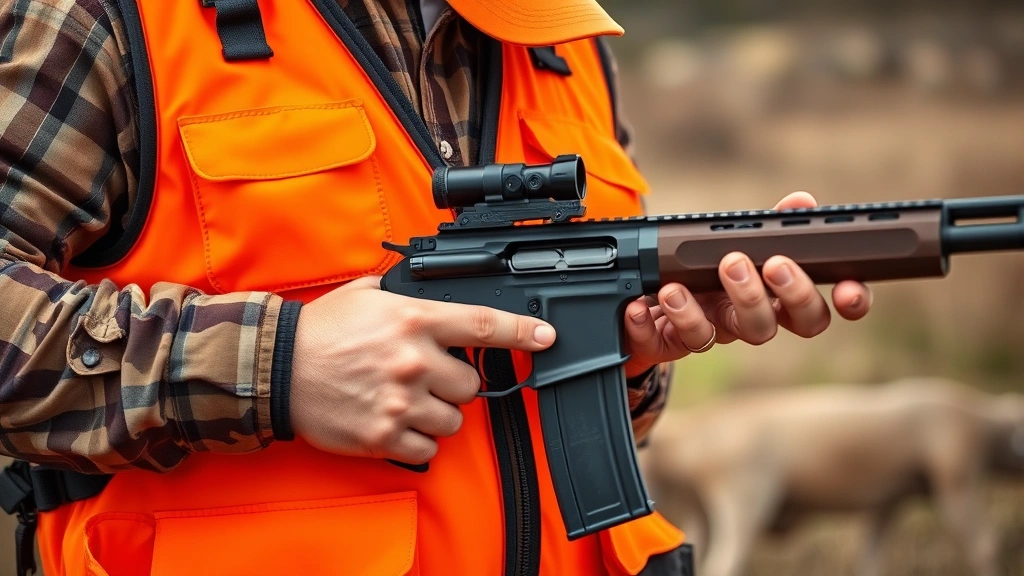
- Firearm Safety and Handling: Proper grip, stance, sight alignment, and trigger control for various firearm types
- Wildlife Identification: Distinguishing game species, understanding hunting seasons, and recognizing protected animals
- Hunting Regulations: Bag limits, season dates, licensing requirements, and zone-specific rules
- Safety in the Field: Tree stand safety, hunting with companions, visibility requirements, and emergency procedures
- Ammunition and Ballistics: Understanding ammunition types, terminal ballistics, and ethical shot placement
- Wildlife Management: How Pennsylvania manages game populations and why hunting seasons exist
- Survival and First Aid: Basic wilderness survival, hypothermia prevention, and emergency response
- Hunter Ethics: Respect for wildlife, landowners, and fellow hunters
These competencies build systematically throughout the course, with each module reinforcing previous learning. The structure mirrors educational psychology principles that emphasize active learning and knowledge retention, ensuring information stays with you when you’re actually hunting.
Most courses include practical demonstrations where instructors show proper techniques before you practice them yourself. This hands-on approach significantly improves skill acquisition compared to passive reading or lectures alone.
Online vs. In-Person Course Options
Pennsylvania offers both online and traditional classroom options for hunter safety education, each with distinct advantages depending on your learning style and schedule.
Online PA Hunter Safety Courses provide flexibility and convenience. You can progress through modules at your own pace, often completing the course in one to three weeks. Online platforms typically include interactive videos, quizzes, and downloadable resources you can reference later. This format works well for busy professionals or those with transportation challenges. Many online courses meet Pennsylvania Game Commission standards and result in valid, recognized certification.
However, online courses lack in-person firearm handling practice. You’ll learn theory and safety principles, but you won’t physically hold a gun or practice shooting positions under instructor guidance. This is why Pennsylvania requires that hunters completing online courses must still pass a range proficiency test at an approved facility before their license becomes valid.
In-Person Classroom Courses typically last two to three days and include both lecture and hands-on components. Instructors demonstrate firearm safety, help you practice proper shooting positions, and provide immediate feedback. You’ll handle various firearm types under controlled conditions, which builds confidence and muscle memory. The social aspect also benefits some learners—you can ask questions directly and learn from other aspiring hunters’ questions.
In-person courses often include range time where certified instructors supervise your shooting and evaluate your safety practices. This direct observation satisfies Pennsylvania’s proficiency requirement without additional testing. For many first-time hunters, the in-person experience proves invaluable for developing proper habits from the start.
Consider your learning preferences, schedule, and access to facilities when choosing. Those seeking comprehensive skill development often prefer in-person formats, while others value the flexibility of online options combined with a local range visit. Explore available course offerings to find what suits your situation.
[IMAGE_2: Photorealistic image of an outdoor shooting range with multiple target stations, safety equipment visible, instructor observing a hunter at the firing line in natural daylight]
Firearm Safety and Handling Fundamentals
Firearm safety forms the cornerstone of any legitimate PA hunter safety course. This isn’t theoretical knowledge—it’s practical information that prevents tragedies and protects everyone in the field.
The fundamental rules taught in every course remain consistent: treat every firearm as if it’s loaded, keep your finger off the trigger until ready to shoot, keep the muzzle pointed in a safe direction, and be certain of your target and what’s beyond it. These four rules, when followed without exception, eliminate virtually all accidental shootings.
Courses teach you to identify different firearm types—rifles, shotguns, and handguns—and understand how each operates. You’ll learn the parts of firearms, how to safely load and unload various models, and how to store them securely at home. This knowledge ensures you can handle any firearm you encounter safely, whether it’s your own or borrowed equipment.
Proper shooting technique receives significant attention. Instructors teach stance, grip, sight alignment, and trigger control. Your stance affects recoil management and accuracy; your grip influences control and safety; sight alignment determines where your shot goes; and trigger control determines whether you hit your intended target. Each element matters for both safety and hunting success.
Understanding ammunition is equally important. You’ll learn how different calibers and ammunition types behave, why matching ammunition to your firearm is critical, and how to recognize defective ammunition. This knowledge prevents firearm malfunctions that could cause injury.
Many courses include discussions of firearm-related hearing and eye protection. Shooting without proper hearing protection causes permanent hearing damage, yet many hunters neglect this simple precaution. Quality ear and eye protection is inexpensive compared to the irreversible damage it prevents.
Wildlife Ethics and Conservation
Beyond safety mechanics, a comprehensive PA hunter safety course addresses the philosophical foundations of responsible hunting. This ethical dimension distinguishes hunters from mere shooters and connects individual actions to broader conservation outcomes.
Pennsylvania’s hunting seasons exist because of sophisticated population management. The Game Commission uses decades of research data to set harvest limits that maintain healthy wildlife populations while allowing recreational hunting. Understanding this system helps you appreciate why regulations exist and why following them matters. When you harvest an animal, you’re participating in a managed ecosystem—your actions have ecological consequences.
Ethical hunting emphasizes clean, quick kills that minimize animal suffering. Courses teach shot placement principles that ensure your bullets strike vital areas, causing rapid death rather than prolonged suffering. This requires understanding animal anatomy, understanding your firearm’s capabilities, and knowing your own limitations as a marksman. Ethical hunters practice regularly and only take shots they’re confident they’ll execute cleanly.
Respect for wildlife extends beyond the moment of harvest. It includes proper field care of harvested animals—keeping meat clean and cool to preserve quality, using all usable parts rather than wasting meat, and handling carcasses with dignity. Many courses include detailed instructions on field dressing, butchering, and meat preservation.
Respect for other hunters and landowners forms another crucial ethical component. You’ll learn about hunter orange requirements that prevent accidents, about asking permission before hunting private land, and about leaving property in good condition. These practices maintain hunting’s social license—public support for hunting depends on hunters demonstrating respect for others and the environment.
Conservation ethics also address habitat stewardship. Hunters often become conservation advocates, supporting habitat restoration projects and participating in wildlife management efforts. Understanding how habitat relates to wildlife populations helps you appreciate why conservation work matters and how you can contribute beyond just following regulations.
[IMAGE_3: Photorealistic image of a pristine Pennsylvania forest landscape with diverse wildlife habitat, deer visible in natural setting, morning light filtering through trees, showing healthy ecosystem]
Getting Your Certificate and License
After completing your PA hunter safety course, you’ll receive a certificate of completion. This document is required when purchasing your hunting license and is proof that you’ve met Pennsylvania’s legal requirements.
The process differs slightly depending on whether you took an online or in-person course. Online course completers must submit their certificate and pass a range proficiency test at an approved shooting facility. Pennsylvania Game Commission staff or certified instructors will observe you handling a firearm safely and demonstrate basic shooting competency. This typically takes 30 minutes to an hour and isn’t designed to be difficult—it simply confirms you can safely handle a gun.
In-person course completers who performed satisfactorily during range time in their course typically don’t need additional testing. Your instructor will note this on your certificate, expediting the licensing process.
Once you have your certificate and have passed any required proficiency testing, you can purchase your hunting license through Pennsylvania’s Game Commission. Licenses are available online, by phone, or at authorized retailers throughout the state. You’ll need to select your license type based on what species you plan to hunt and whether you’re a resident or non-resident.
Keep your certificate and license with you whenever you hunt. Conservation officers may request to see them, and having proper documentation ensures you’re legally compliant. Many hunters photograph their certificates and store digital copies for backup.
Your certification remains valid for life, but staying current with regulation changes is important. Pennsylvania’s Game Commission publishes an annual hunting guide with current seasons, bag limits, and zone-specific regulations. Many hunters review this guide before each season. For additional learning resources, check LearnWise’s educational blog for hunting and outdoor safety articles.
If you’re interested in specialized hunting pursuits, Pennsylvania offers additional certifications. For instance, some hunters pursue emergency medical training to enhance their wilderness safety knowledge, or explore FEMA courses for comprehensive emergency preparedness skills relevant to outdoor activities.
Frequently Asked Questions
How long does a PA hunter safety course take?
Online courses typically require 8-12 hours of instruction spread over one to three weeks, though you set your own pace. In-person classroom courses usually run two to three full days, often scheduled as weekend intensives. Either format satisfies Pennsylvania’s legal requirement.
What’s the cost of a PA hunter safety course?
Most courses cost between $15-$50. Online courses tend toward the lower end, while in-person courses vary based on location and whether they include range time. Some organizations offer free or reduced-cost courses for youth. Check with your local Game Commission office for available options.
Can I hunt in other states with a Pennsylvania hunter safety certificate?
Pennsylvania’s certificate is recognized by most states, though some require their own certification. Before hunting out of state, contact that state’s wildlife agency to confirm whether your PA certificate is acceptable or if you need additional certification.
What if I fail the range proficiency test?
If you don’t pass on your first attempt, you can retake the test. Most people pass on retakes after reviewing the safety principles. The test isn’t designed to be difficult—it simply confirms you can handle firearms safely.
Is the PA hunter safety course only for rifles?
No, courses cover all firearm types used in hunting—rifles, shotguns, and handguns. You’ll learn how each operates and the specific safety considerations for each type. This comprehensive approach prepares you for any hunting situation.
Can I take the course if I’ve never handled a gun?
Absolutely. Courses are designed for complete beginners. Instructors expect many students to have zero firearm experience and teach everything from basic terminology onward. Starting with formal education is actually ideal because you’ll learn correct habits from the beginning.
Do I need to own a gun before taking the course?
No. The course teaches general principles applicable to any firearm. You can borrow a gun for range practice or in-person course components. Some instructors provide firearms for range testing if you don’t have access to one.


