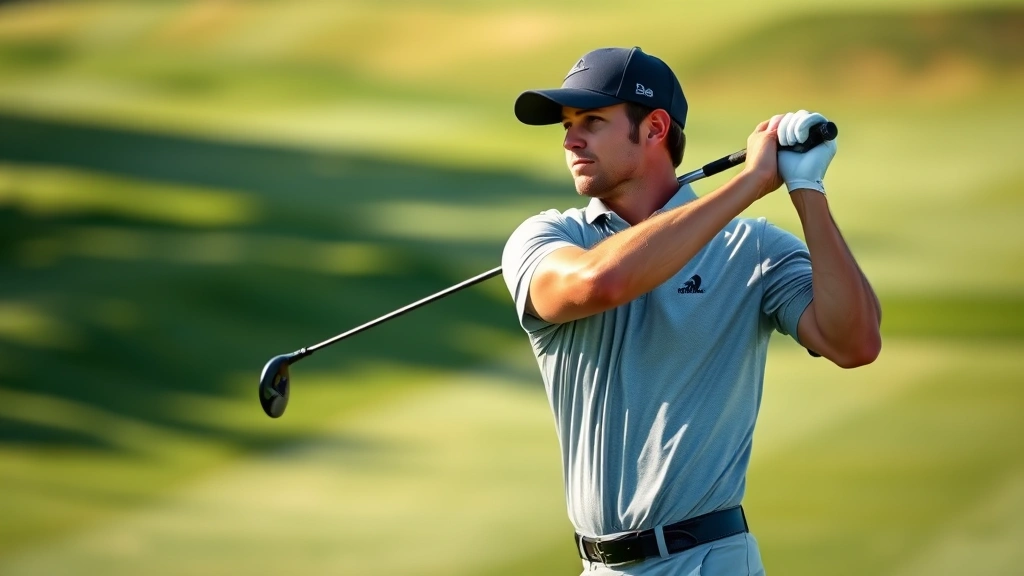
Is Golf a Sport? Coach Insights and Expert Analysis
Golf has long occupied a unique position in the athletic world, often debated whether it truly qualifies as a sport in the traditional sense. Professional coaches, athletes, and sports scientists continue to examine this question through various lenses—physical demands, competitive structure, skill requirements, and mental fortitude. The answer is more nuanced than a simple yes or no, revealing insights into what we actually mean when we call something a sport.
This comprehensive guide explores golf’s athletic legitimacy through the perspectives of experienced coaches, scientific research, and comparative analysis with other recognized sports. Whether you’re a golfer seeking validation for your passion, an educator teaching about sports classification, or simply curious about athletic definitions, understanding golf’s position in the sports world provides valuable context for appreciating the game’s complexity and challenges.
Defining What Makes Something a Sport
Before determining whether golf qualifies as a sport, we must establish clear criteria. According to the American Alliance for Health, Physical Education, Recreation and Dance, a sport typically requires physical activity, competition, established rules, and recognized institutions governing play. These foundational elements help distinguish sports from games, recreational activities, or mere pastimes.
Most definitions emphasize several key components: physical exertion, competitive opposition, standardized rules, and organized competition. Golf meets all these criteria. Players expend considerable physical energy across 18 holes, competing against opponents under strict rules established by governing bodies like the PGA Tour and USGA. The structured tournament system, ranking systems, and professional organizations further support golf’s classification as a legitimate sport.
The debate often stems from comparing golf to high-intensity sports like basketball or soccer. However, this comparison overlooks the diversity within athletics. Not all sports require identical physical intensity levels; rather, they demand different skill sets, training regimens, and physical capabilities.
Physical Demands and Athletic Requirements
Golf demands remarkable physical capabilities that many casual observers underestimate. Professional golfers engage in intensive training programs addressing strength, flexibility, cardiovascular endurance, and explosive power. A single round involves walking four to five miles while carrying or pushing equipment, requiring sustained aerobic capacity and muscular endurance.
The swing mechanics alone demonstrate golf’s physical complexity. Executing a proper golf swing requires explosive hip rotation, core stability, shoulder flexibility, and precise neuromuscular coordination. Professional golfers generate club head speeds exceeding 160 mph, requiring power comparable to baseball pitchers. Research published in the Journal of Sports Sciences confirms that elite golfers display fitness levels approaching those of athletes in recognized sports.
Modern professional golfers maintain rigorous training schedules including:
- Strength and conditioning programs targeting rotational power and stability
- Flexibility training for range of motion and injury prevention
- Cardiovascular exercise building endurance for tournament play
- Sport-specific drills refining swing mechanics and accuracy
- Balance and proprioception work enhancing body awareness
These training demands rival those of traditional sports athletes, requiring dedication, discipline, and systematic progression. The physical toll of professional golf includes repetitive stress injuries, back problems, and joint strain similar to other athletic pursuits.
Mental and Psychological Aspects
Perhaps golf’s most distinctive characteristic involves its psychological demands. Unlike team sports with constant action and momentum shifts, golf requires sustained concentration, emotional control, and mental resilience across hours of competition. A single poor shot can derail confidence; conversely, recovering from adversity demonstrates mental strength.
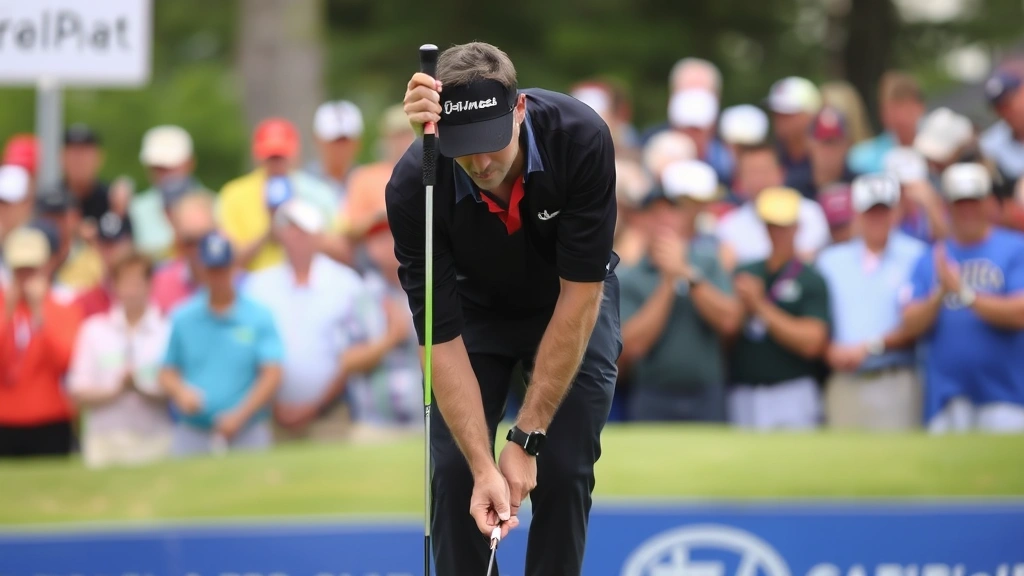
Golf’s mental game encompasses pressure management, focus maintenance, and emotional regulation under extreme conditions. Professional tournaments determine outcomes worth millions of dollars, creating psychological pressure unmatched in many sports. Players must maintain composure when trailing, execute clutch shots when leading, and process disappointment from mistakes instantly.
Sports psychologists recognize golf as one of the most mentally demanding athletic endeavors. The game’s individual nature means no teammates provide support or distraction; players face themselves entirely. This psychological intensity, combined with physical demands, creates a comprehensive athletic challenge that legitimizes golf’s status as a sport.
Key mental skills golf demands include:
- Concentration maintaining focus for four+ hours
- Emotional control managing frustration and anxiety
- Resilience bouncing back from poor shots
- Confidence trusting abilities under pressure
- Visualization mentally rehearsing shots before execution
- Pressure management performing optimally when stakes are highest
Competitive Structure and Organization
Golf possesses sophisticated competitive infrastructure supporting its sports status. The PGA Tour, European Tour, and other professional circuits operate with standardized rules, consistent formats, and transparent ranking systems. Tournament structures follow established protocols ensuring fairness and competitive integrity.
Governing bodies like the USGA and R&A establish rules covering equipment specifications, course design standards, and playing procedures. This regulatory framework mirrors structures in recognized sports, providing consistency and legitimacy. The handicap system allows golfers of different abilities to compete fairly, demonstrating sophisticated organizational thinking.
Professional golf generates substantial revenue through television rights, sponsorships, and tournament purses. Major championships like the Masters, US Open, Open Championship, and PGA Championship attract global audiences and offer prize pools rivaling other professional sports. This financial infrastructure supports full-time professional athletes, coaching staffs, and supporting industries.
Coach Perspectives on Golf’s Athletic Status
Experienced golf coaches universally recognize golf as a legitimate sport requiring comprehensive athletic development. Coaches emphasize that modern golf demands training sophistication matching traditional sports. A professional golf coach might oversee swing technique, course management strategy, physical conditioning, mental coaching, and equipment optimization simultaneously.
Coaches at facilities like Buffalo Ridge Golf Course and Sharon Woods Golf Course work with golfers of all levels, observing firsthand the athletic development required for improvement. They recognize that becoming an accomplished golfer requires dedication comparable to other sports.
Coaches highlight several factors supporting golf’s athletic classification:
- Measurable skill progression through systematic training and practice
- Physical conditioning requirements affecting performance outcomes
- Competitive structures with established rankings and advancement pathways
- Performance metrics quantifying success objectively
- Professional opportunities for elite athletes earning substantial incomes
Many coaches emphasize that questioning golf’s sport status reflects outdated perspectives on athletics. Modern sports science confirms that golf demands comprehensive athletic development, sophisticated training methodologies, and elite-level physical and mental capabilities.
Comparison with Traditional Sports
Comparing golf to basketball, football, and soccer reveals both similarities and differences that illuminate golf’s athletic nature. While golf lacks the continuous action and team dynamics of traditional sports, it compensates through other demanding characteristics.
Intensity differences don’t disqualify golf from sport classification. Golf emphasizes precision, consistency, and sustained focus rather than explosive athleticism. This represents a different athletic paradigm, not an inferior one. A golfer executing a 30-foot putt under pressure demonstrates athleticism as legitimate as a basketball player making a pressure free throw.
Skill requirements across sports vary substantially. Golf’s technical complexity—requiring precise biomechanics, trajectory calculation, and environmental adaptation—rivals the complexity in any sport. The number of variables affecting golf shots (wind, slope, grass conditions, humidity, temperature) exceeds those in many traditional sports.
Training demands in professional golf match or exceed those in recognized sports. Elite golfers practice 6-8 hours daily, maintain rigorous fitness programs, and work with specialists in biomechanics, sports psychology, and nutrition. This dedication parallels training in traditional sports.
The comparison ultimately suggests that golf represents a distinct athletic category rather than a lesser sport. Its differences from traditional sports reflect diversity in athletic expression, not inferior athletic status.
Golf’s Evolution in Modern Athletics
Golf’s recognition as a sport has strengthened significantly in recent decades. The sport’s inclusion in the Olympic Games (returning in 2016 after a 112-year absence) represents major validation of its athletic legitimacy. Olympic inclusion requires meeting strict criteria regarding athleticism, organization, and international competitive standards.
Modern golf has professionalized dramatically. Players earn substantial incomes through tournament winnings, sponsorships, and appearance fees. This financial structure supports dedicated athletes pursuing golf as their primary career, similar to professional baseball, basketball, or tennis players.
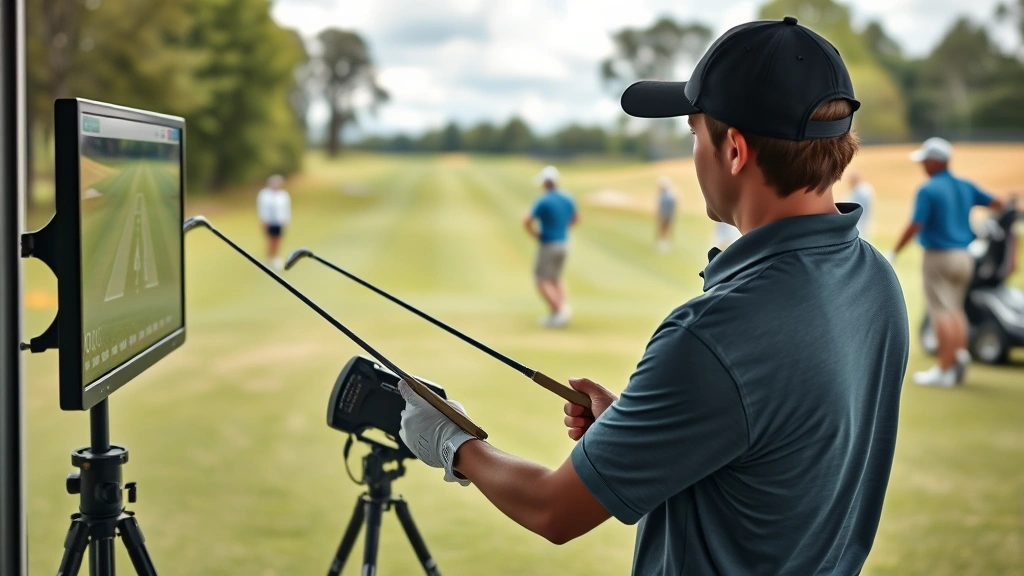
Technology has enhanced golf’s athletic sophistication. Launch monitors, swing analysis software, and biometric tracking devices provide data-driven training methodologies. Golfers now train with the scientific rigor found in traditional sports, supported by sports scientists, biomechanists, and performance coaches.
The emergence of golf course jobs near me and related careers demonstrates golf’s established position within broader athletic infrastructure. From course management to instruction to professional playing, golf supports complex professional ecosystems similar to traditional sports.
For those interested in golf instruction or careers in the sport, understanding golf’s athletic legitimacy provides context for professional development. Facilities like Liberty Forge Golf Course and Oak Mountain Golf Course employ professionals who recognize golf’s demands and structure training accordingly.
Scientific Evidence Supporting Golf’s Sport Status
Academic research increasingly validates golf’s classification as a sport. The National Center for Biotechnology Information contains numerous peer-reviewed studies examining golf’s physiological and psychological demands. These studies consistently demonstrate that elite golfers display fitness levels, mental resilience, and skill complexity comparable to traditional athletes.
Biomechanical analyses reveal that golf swings involve complex neuromuscular coordination requiring years of deliberate practice to master. The precision demanded—hitting targets from 100-400 yards away consistently—exceeds the accuracy requirements in many sports. This technical sophistication supports golf’s athletic legitimacy.
Cardiovascular studies show that professional golfers maintain elevated heart rates during competition, particularly on challenging courses or in pressure situations. While not matching the sustained intensity of endurance sports, this cardiovascular engagement supports the classification of golf as an athletic activity requiring physical exertion.
Psychological research emphasizes golf’s unique mental demands. The American Psychological Association recognizes golf as one of the most psychologically demanding sports. The combination of individual competition, extended duration, and high-pressure situations creates psychological stress comparable to traditional sports.
The Role of Coaching in Golf’s Athletic Development
Professional golf coaching represents a sophisticated discipline supporting athletes in comprehensive development. Modern golf coaches address technical mechanics, strategic course management, physical conditioning, and mental performance simultaneously. This integrated approach mirrors coaching methodologies in traditional sports.
Coaching at various facilities demonstrates golf’s athletic infrastructure. Whether at Buffalo Ridge Golf Course, Liberty Forge Golf Course, or Oak Mountain Golf Course, professional instructors work with golfers to develop skills, improve fitness, and enhance competitive performance.
Golf coaches increasingly pursue formal certifications and continuing education, establishing professional standards. Organizations like the PGA of America provide comprehensive training programs ensuring coaching quality and consistency. This professionalization supports golf’s recognition as a legitimate sport with established coaching standards.
FAQ
Is golf officially recognized as a sport?
Yes, golf is officially recognized as a sport by major athletic organizations including the International Olympic Committee, which included golf in the 2016 Olympics. The PGA Tour, USGA, and R&A operate as official governing bodies establishing rules and competitive standards.
Why do some people question golf’s sport status?
Golf differs from traditional high-intensity sports in its pace, continuous action level, and team dynamics. However, these differences reflect diversity in athletic expression rather than inferior athletic status. Golf demands unique skills, training, and mental resilience that legitimize its sport classification.
What physical demands does golf place on athletes?
Professional golfers require strength for powerful swings, flexibility for proper biomechanics, cardiovascular endurance for walking 18 holes, and muscular endurance for maintaining swing quality across 4+ hours. Modern golf training programs address all these physical components systematically.
How does golf compare mentally to other sports?
Golf presents unique psychological demands due to its individual nature, extended duration, and high-pressure situations. The mental game of golf—managing emotions, maintaining focus, executing under pressure—rivals the psychological demands in any sport.
Are there professional opportunities in golf?
Yes, professional golf offers substantial career opportunities. Elite players earn significant income through tournament winnings and sponsorships. Additionally, golf instruction, course management, and related careers provide employment opportunities at facilities like those offering golf course jobs near me.
What training do professional golfers undertake?
Professional golfers maintain comprehensive training programs including strength and conditioning, flexibility work, cardiovascular exercise, technical practice, and mental coaching. Many work with sports scientists, biomechanists, nutritionists, and sports psychologists to optimize performance.


