
Master Par 3 Courses: Golfer’s Guide
Par 3 courses represent one of the most accessible and rewarding segments of the golf world, offering players of all skill levels an opportunity to develop their short game while enjoying a relaxed, social atmosphere. Whether you’re a beginner taking your first swings or an experienced golfer seeking to refine your precision shots, understanding the nuances of par 3 courses is essential to maximizing your performance and enjoyment. These specialized courses feature holes designed exclusively as par 3s, typically ranging from 100 to 200 yards, making them ideal for practicing accuracy and club selection without the intimidation factor of full-length courses.
The beauty of par 3 golf lies in its democratic nature—anyone with a golf club and a desire to improve can access these courses. Unlike championship courses that demand powerful drives and extensive course management skills, par 3 courses emphasize precision, mental focus, and technical proficiency. This guide will walk you through everything you need to know about mastering par 3 courses, from understanding course design principles to developing strategies that lower your scores and enhance your overall golfing ability.
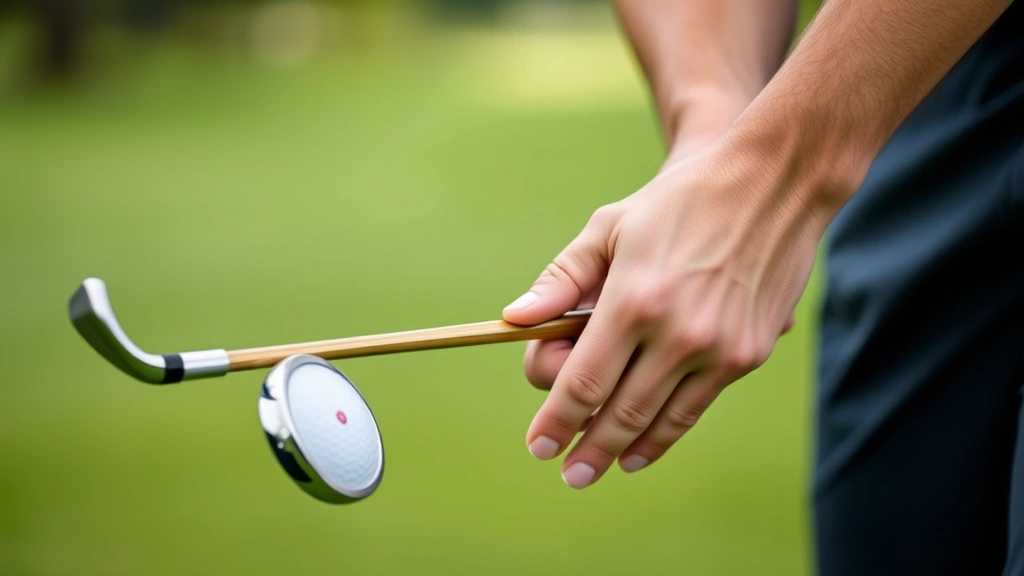
Understanding Par 3 Course Fundamentals
A par 3 course is specifically designed with every hole playing as a par 3, meaning the target score for each hole is three strokes. These courses typically consist of 9 or 18 holes, with yardages generally ranging from 100 to 220 yards per hole. The fundamental appeal lies in their accessibility—players can complete a full round in 45 minutes to an hour, making them perfect for those with limited time or those seeking concentrated skill development.
Understanding the scoring structure of par 3 courses is crucial for setting realistic goals. An eagle (two strokes) on a par 3 represents exceptional play, a birdie (one stroke under par) indicates solid performance, and pars demonstrate competent execution. Many beginners find that consistently shooting pars on par 3 courses provides confidence-building foundation work. The psychological benefits of achieving pars and birdies on these courses cannot be overstated—success breeds confidence that translates to improvement on longer courses.
Par 3 courses also serve as excellent diagnostic tools for identifying weaknesses in your game. If you’re consistently missing greens, you’ll quickly discover whether your issue stems from poor club selection, inconsistent striking, or faulty aim. This immediate feedback loop accelerates learning compared to full-length courses where variables multiply significantly.
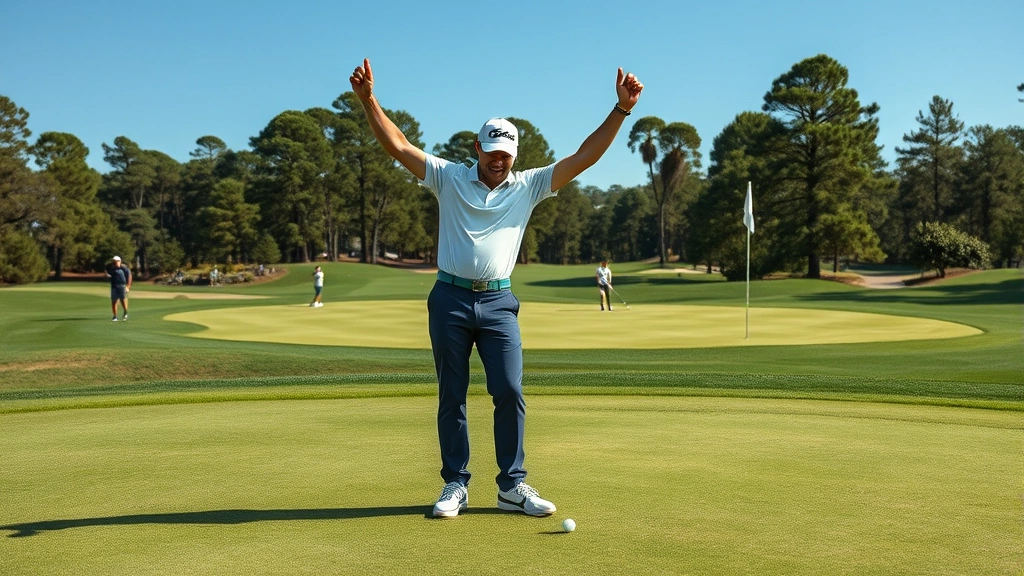
Course Design and Layout Strategies
Architects design par 3 courses with specific learning objectives in mind. Most feature progressive difficulty, starting with shorter, more forgiving holes and gradually introducing hazards, elevation changes, and tighter landing areas. When you visit a par 3 course near me, you’ll notice deliberate design elements that challenge different aspects of your game.
Effective par 3 course layouts incorporate several key features. Water hazards, whether ponds or streams, appear on approximately 40-60% of holes, forcing players to commit fully to their shots rather than playing tentatively. Bunkers are strategically positioned around greens to penalize poor approach shots, typically placed at distances where golfers commonly land. Elevation changes, from subtle slopes to dramatic hill climbs, add complexity that mimics real-world course conditions.
Understanding these design principles helps you approach each hole strategically. Rather than simply hitting clubs at targets, successful par 3 golfers analyze how hazard placement, elevation, and green contours should influence their shot selection. Golf course map resources help you preview layouts before visiting, allowing preparation for specific challenges.
Many par 3 courses feature back tees and forward tees, allowing players to adjust difficulty based on skill level. Beginners should never feel pressured to play back tees; playing forward tees while focusing on solid fundamentals builds better long-term skills than struggling from back tees.
Essential Clubs for Par 3 Success
Par 3 courses require a different club selection philosophy than full-length courses. Since all holes play as par 3s, you’ll primarily use mid-irons, short irons, and wedges, with occasional use of long irons or fairway woods on longer par 3s. Understanding which clubs perform best in specific situations dramatically improves scoring potential.
A typical par 3 golfer’s bag should include: a driver or hybrid for the longest par 3s (typically 200+ yards), fairway woods or long irons for 180-200 yard holes, mid-irons (5-7 irons) for 140-180 yard holes, short irons (8-9 irons) for 120-150 yard holes, and wedges (pitching wedge, gap wedge, sand wedge) for holes under 120 yards. Putter selection, though often overlooked, significantly impacts par 3 scoring since putting represents 30-40% of your strokes on these courses.
Club selection accuracy on par 3s requires honest assessment of your capabilities. Many golfers underestimate distances or overestimate their abilities, selecting clubs that don’t match their actual striking power. Investing in a rangefinder helps eliminate guesswork—knowing exact distances allows proper club selection and builds confidence in your decisions.
The quality of your equipment matters less than consistency and understanding your clubs’ actual performance characteristics. Spend time at the range determining how far each club travels under normal conditions, accounting for elevation and weather variations you’ll encounter on course.
Mastering Short Game Techniques
Par 3 courses place premium emphasis on short game proficiency. Since every approach shot involves irons or wedges, developing exceptional accuracy with these clubs directly translates to lower scores. Short game mastery encompasses three key areas: approach shot consistency, chipping technique, and putting skill.
Approach shot consistency requires developing a repeatable pre-shot routine that includes alignment verification, distance confirmation, and mental commitment. Many golfers rush their approach shots, neglecting the deliberate preparation that ensures solid contact. Blog resources discussing swing mechanics can supplement your understanding of proper technique.
Chipping technique becomes essential when you miss greens, which even skilled golfers do regularly. Effective chipping involves selecting the appropriate club (typically a 7-9 iron or pitching wedge for most situations), positioning the ball correctly in your stance, and executing a smooth, controlled stroke. The goal is getting the ball close enough for a one-putt or ensuring you don’t leave yourself difficult second chips.
Putting skill, perhaps the most critical short game element, determines whether your approach shot excellence translates to low scores. Par 3 courses feature greens with varying speeds, breaks, and contours. Developing a consistent putting stroke, reading greens accurately, and managing the mental pressure of crucial putts separates good par 3 golfers from great ones. PGA Tour resources provide detailed putting instruction from professional instructors.
Mental Game and Course Management
Mental resilience determines success on par 3 courses as much as technical skill. Since holes are relatively short and isolated, each shot carries significant weight in your overall score. A poor shot early in your round can affect confidence for subsequent holes, while bouncing back from mistakes demonstrates mental toughness.
Effective course management on par 3s involves identifying each hole’s key challenges before playing. Is the primary hazard left or right? Where should you aim to avoid the worst outcomes? What’s your realistic scoring target—is this a birdie opportunity or should you focus on pars? This pre-shot analysis prevents reactive, emotional decisions that lead to poor shots.
Temperature control—managing frustration, anxiety, and overconfidence—is essential for consistent scoring. When you make a poor shot, acknowledge it briefly, learn from it, and move forward rather than dwelling on the mistake. Conversely, when you execute well, enjoy the success without becoming overconfident about subsequent shots.
Many golfers find par 3 courses ideal for practicing sports psychology principles in a low-pressure environment. The condensed format means you complete rounds quickly, allowing multiple practice rounds to develop consistent mental approaches.
Finding Quality Par 3 Courses
Locating appropriate par 3 courses requires considering several factors beyond simple proximity. Course condition, difficulty level, amenities, and atmosphere all influence your experience and learning potential. Latah Creek Golf Course exemplifies quality par 3 course design, featuring well-maintained grounds and progressive difficulty suitable for varied skill levels.
When evaluating par 3 courses, assess maintenance standards—greens should be relatively smooth and consistently paced, fairways should be playable, and hazards should be clearly marked. Poor maintenance indicates the course prioritizes volume over quality, potentially limiting your learning opportunities. Par 3 course near me searches help identify facilities within reasonable travel distance.
Course difficulty should match your current skill level. Beginners benefit from courses with generous fairways, minimal hazards, and shorter yardages, while advancing players seek courses featuring strategic hazards and elevated greens requiring confident shot-making. Many facilities offer multiple tee positions, accommodating various skill levels on the same course.
Consider the course’s atmosphere and clientele. Some par 3 courses attract serious golfers focused on improvement, while others emphasize social atmosphere and casual play. Both environments have value—serious practice courses facilitate skill development, while social courses provide enjoyable, pressure-free experiences that build love for the game.
Training Drills and Practice Methods
Dedicated practice significantly accelerates par 3 course proficiency. Rather than simply playing rounds, structured drills targeting specific skills produce measurable improvement. Effective training combines range work, short game practice, and on-course application.
Range practice should emphasize distance accuracy rather than raw power. Set up targets at 100-yard, 120-yard, 140-yard, and 160-yard intervals, attempting to land balls within 10 yards of each target. Track your consistency over multiple sessions to identify progress and remaining weaknesses. Course offerings at many facilities include instruction programs that structure your practice effectively.
Short game drills involve hitting multiple chips and pitches from various distances, focusing on distance control and directional accuracy. Practice chipping from 15, 25, and 35 feet, attempting to get each shot within tap-in distance. Putting drills should include lag putting from distance to develop feel, short putt drills to build confidence, and breaking putt practice to improve green reading.
On-course practice rounds should emphasize specific objectives rather than casual play. One round might focus entirely on approach shot accuracy, another on putting consistency, another on decision-making under pressure. This targeted approach accelerates skill development compared to unfocused play.
Many golfers benefit from professional instruction. PGA professionals can identify technical flaws, provide corrected technique instruction, and suggest appropriate practice routines. Even a few lessons can dramatically accelerate improvement, particularly for beginners establishing proper fundamentals.
FAQ
What is the typical length of a par 3 course?
Par 3 courses typically range from 1,000 to 2,500 total yards for 18 holes, with individual holes playing 100-220 yards. This compact length allows players to complete rounds in 45 minutes to an hour, making them accessible for time-limited golfers.
Are par 3 courses suitable for beginners?
Absolutely. Par 3 courses provide ideal learning environments for beginners. Shorter distances reduce intimidation, while the high frequency of similar shots accelerates skill development. Beginners should play forward tees and focus on consistency rather than distance.
How often should I play par 3 courses to improve?
Playing 2-3 times weekly, combined with structured practice, produces noticeable improvement within 4-6 weeks. Beginners may see faster progress, while advanced golfers require more time to achieve measurable gains.
What’s the difference between par 3 courses and executive courses?
Par 3 courses feature only par 3 holes, while executive courses mix par 3s with some par 4s, typically playing 2,500-4,500 yards. Par 3 courses focus exclusively on short game development, while executive courses provide more varied challenges.
Should I use a golf cart or walk par 3 courses?
Walking par 3 courses offers superior benefits—it maintains fitness, accelerates learning by keeping you mentally engaged between shots, and costs less than cart rental. However, carts are available for those with mobility concerns or preferring convenience.
How do par 3 courses compare to full-length courses for skill development?
Par 3 courses excel at short game development and building fundamentals, while full-length courses require broader skill sets including driving accuracy and course management. Most serious golfers benefit from dividing practice time between both formats.


