
Par 3 Golf Courses: The Perfect Starting Point for New Golfers
Par 3 golf courses represent an ideal entry point for beginners looking to develop their skills without the intimidation factor of full-length championship courses. These shorter courses feature holes designed to be completed in three strokes or fewer, making them accessible to golfers of all ages and ability levels. Whether you’re a complete novice picking up a club for the first time or an experienced player looking for a quick round, par 3 courses offer unique advantages that traditional courses simply cannot match.
The beauty of par 3 golf lies in its fundamental simplicity combined with genuine strategic challenge. Each hole typically ranges from 80 to 170 yards, allowing players to focus on precision and technique rather than raw power. This format has become increasingly popular across the United States, with thousands of par 3 courses operating in virtually every state. Understanding what makes these courses special and how to approach them strategically can transform your golf experience and accelerate your learning curve significantly.
What Defines a Par 3 Golf Course
A par 3 golf course consists exclusively of holes where the standard score for skilled golfers is three strokes. This means a player should be able to reach the green with a single shot, then complete two putts to finish the hole. Unlike traditional 18-hole courses that feature a mix of par 3s, par 4s, and par 5s, these specialized venues dedicate every single hole to this shorter format.
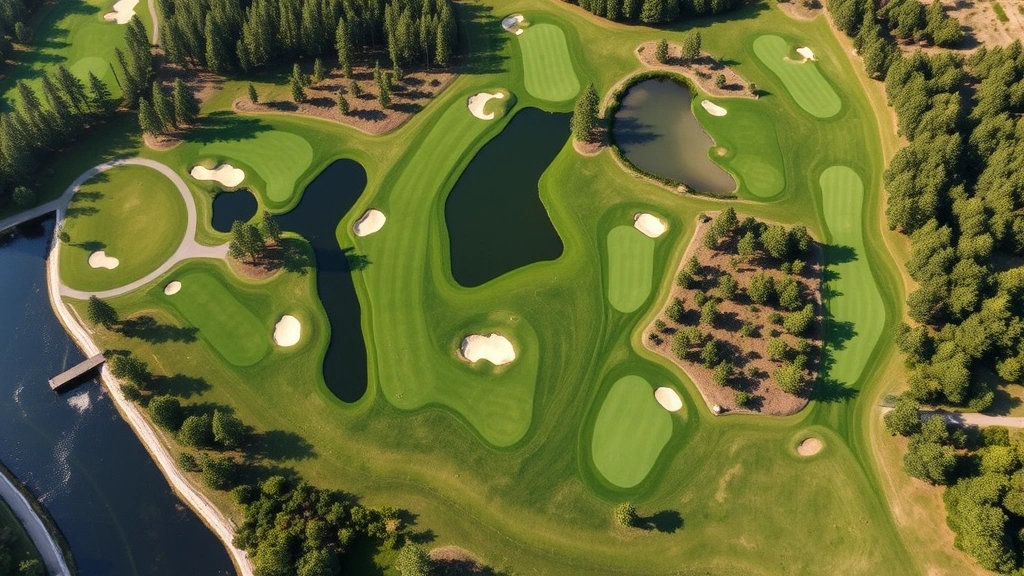
The design philosophy behind par 3 courses emphasizes accessibility without sacrificing playability. Course architects must create enough variety and challenge within the 80-170 yard range to keep experienced golfers engaged while ensuring beginners can still enjoy competitive rounds. Water hazards, bunkers, elevation changes, and strategic green placement all contribute to making par 3 courses compelling despite their shorter distances.
Most par 3 courses feature nine holes rather than eighteen, making them perfect for a quick 45-minute to 90-minute round depending on course traffic and player skill level. Some facilities offer eighteen-hole par 3 layouts, providing a more comprehensive experience while still maintaining the beginner-friendly nature of the format. The flexibility in course length means you can choose an experience that fits your schedule and energy level.

Key Advantages for Beginner Golfers
Par 3 courses provide numerous benefits that make them superior learning environments compared to full-length courses. The most obvious advantage is confidence building—beginners experience immediate success on shorter holes, which reinforces proper technique and encourages continued practice. When you can reach the green in one shot and have realistic scoring opportunities, golf becomes fun rather than frustrating.
The reduced distance requirements mean beginners can focus on swing mechanics without worrying about generating maximum power. This allows you to develop smooth, repeatable techniques that form the foundation for all golf improvement. Instructors and experienced golfers universally recommend starting on par 3 courses because they isolate the specific skills you need to master before progressing to longer courses.
Cost efficiency represents another significant benefit. Par 3 courses typically charge substantially less than championship courses, with green fees ranging from $10 to $30 compared to $50 to $150+ at traditional venues. This affordability removes financial barriers to frequent practice, allowing beginners to play multiple rounds weekly without breaking their budgets. The lower cost also means you can experiment with different clubs and techniques without feeling pressured to perform.
Par 3 courses also attract more beginner-friendly communities and instructors. Many facilities offer lessons specifically designed for par 3 play, and you’ll encounter numerous other beginners working through the same learning curve. This creates a supportive environment where slower play and occasional mistakes are completely normalized and expected.
Time efficiency allows you to fit golf into busy schedules. A nine-hole par 3 round takes roughly one hour, compared to four to five hours for a full 18-hole course. This accessibility means you can play before work, during lunch breaks, or in the evening without dedicating your entire day to golf. For busy professionals and students, this flexibility often determines whether golf remains a viable hobby.
Essential Equipment and Club Selection
Beginning golfers often feel overwhelmed by equipment choices, but par 3 courses simplify this decision significantly. You don’t need a complete 14-club set to play successfully on par 3 courses. Instead, focus on mastering a smaller selection of quality clubs that cover the distance ranges you’ll encounter.
The essential par 3 arsenal includes a putter, a wedge (pitching wedge or sand wedge), a mid-iron (6 or 7 iron), and a short iron (8 or 9 iron). These four clubs will handle virtually every situation you’ll face on par 3 courses. Many beginners benefit from starting with just these basics before gradually adding clubs as their skills develop and they understand their distance gaps.
Wedges deserve special attention since par 3 courses feature numerous approach shots from 50 to 130 yards. Developing proficiency with wedges dramatically improves your scoring potential. A quality pitching wedge ($40-$100) represents an essential investment that will serve you well regardless of where you eventually play. Consider adding a gap wedge or sand wedge once you’ve developed consistent pitching mechanics.
Putter selection significantly impacts your par 3 experience since putting accounts for roughly half your strokes on these courses. Modern putters range from $20 to $300+, but beginners should focus on comfort and alignment rather than premium brands. Many golf shops allow you to test putters before purchasing, which helps ensure you find a style that feels natural.
Golf balls matter less on par 3 courses than on longer courses where distance variance becomes critical. Beginner-friendly, durable balls typically cost $15-$30 per dozen and provide excellent value. Avoid premium balls until you develop consistent ball-striking, as you’ll likely lose several during the learning process.
Proper footwear and comfortable clothing complete your equipment needs. Golf shoes provide stability and traction, though many par 3 courses permit sneakers. Wear moisture-wicking clothing that allows a full swing range without restriction. Most par 3 courses maintain relaxed dress codes compared to traditional clubs, so focus on comfort and practicality.
Fundamental Techniques for Success
Mastering basic swing mechanics forms the foundation for par 3 success. Unlike longer courses where raw power matters, par 3 courses reward precision and consistency. Focus on developing a smooth, repeatable swing that produces reliable contact and predictable ball flight.
The grip represents your only connection to the club, making proper hand placement essential. Your grip should feel secure without tension that restricts wrist movement. Spend time ensuring your grip matches recommended guidelines, as improper grip causes more beginner problems than any other factor. Many golf instructors recommend video analysis of your grip to ensure proper technique before investing in swing changes.
Stance and alignment directly influence shot direction and consistency. Position your feet shoulder-width apart with your body aligned parallel to your target line. Your head should remain relatively still throughout the swing, tracking the ball without excessive movement. Proper alignment eliminates a major source of beginner frustration—shots that miss not because of swing flaws but because you aimed incorrectly.
The backswing should feel smooth and controlled rather than rushed or jerky. Many beginners swing too fast, trying to generate power they don’t need on par 3 distances. Instead, focus on a smooth tempo that allows your body to rotate naturally. Your backswing should complete roughly 75% of your forward swing, creating rhythm and balance throughout the motion.
The downswing and impact represent where club head speed and contact quality determine results. Maintain your wrist angle through impact rather than releasing too early, which causes inconsistent contact and poor distance control. Practice this transition repeatedly, as it directly correlates with scoring improvement on par 3 courses.
Follow-through and balance complete the swing sequence. Your finish position should feel stable and controlled, not rushed or off-balance. A proper follow-through indicates that your swing mechanics worked efficiently throughout the motion. If you find yourself falling forward or struggling to maintain balance, your swing likely contains flaws that par 3 course practice can help identify and correct.
Course Strategy and Shot Planning
Par 3 courses demand strategic thinking despite their shorter distances. Simply hitting at the flag without considering hazards, green slope, and pin position costs strokes and prevents scoring improvement. Developing sound course management habits on par 3 layouts establishes patterns that benefit your golf regardless of where you eventually play.
Green reading becomes crucial on par 3 courses where two-putt pars represent reasonable expectations. Study the slope and grain of each green before hitting your approach shot. Walk around the green perimeter to understand how putts will break. This habit transforms putting from guesswork into educated decision-making based on observable features.
Hazard avoidance strategies should guide your shot selection throughout your round. If water guards the right side of a par 3, aim left of the flag even if that means longer putts. Scoring well requires accepting that some approach shots will miss the ideal landing area to avoid catastrophic mistakes. Professional golfers consistently choose safety over aggressive play, and beginners should adopt this mentality immediately.
Wind analysis impacts all golf shots but becomes especially critical on par 3 courses where distance gaps are minimal. A 10-mile-per-hour wind can shift your 140-yard shot by 15 yards or more. Learn to read wind direction from flag movement, tree sway, and cloud patterns. Adjust your club selection accordingly rather than assuming identical distances in all conditions.
Course conditions affect ball flight and rolling distance significantly. Dry, firm conditions allow more roll after landing, while wet, soft conditions increase carry distance but reduce roll. Adjust your target landing area based on current conditions rather than relying on past experience at the same course. This adaptability separates consistent scorers from streaky players.
Pin position dictates your target area on approach shots. Front pins allow aggressive play since you can land short and roll to the hole. Back pins demand precision or acceptance of longer putts. Side pins create angle considerations that affect club selection and aim point. Always identify pin position before playing your shot rather than discovering it after landing on the green.
Notable Par 3 Courses Worth Visiting
Several exceptional par 3 courses demonstrate the quality and variety available within this format. Ken McDonald Golf Course offers a premier par 3 experience with beautifully maintained greens and strategic hole design. This course showcases how par 3 layouts can provide challenge and enjoyment for players across all skill levels.
Sky Mountain Golf Course provides another excellent option featuring elevation changes and scenic views that enhance the playing experience. Courses like Sky Mountain demonstrate that par 3 layouts don’t sacrifice beauty or strategic interest despite their shorter distances.
Charleston National Golf Course represents the quality available in par 3 facilities, combining professional course conditioning with beginner-friendly design. Visiting established par 3 courses teaches you what good course architecture looks like and exposes you to different design philosophies.
Beyond these specific venues, thousands of par 3 courses operate nationwide, each offering unique character and challenge. Research courses in your area using online reviews and local golf communities. Many courses offer discounted rates for first-time visitors, making it affordable to sample different facilities and find your favorites.
Traveling to play different par 3 courses accelerates your learning by exposing you to varied conditions, elevations, and design styles. Each course teaches different lessons about shot-making, course management, and adaptation. Building experience across multiple venues develops the versatility that distinguishes good golfers from great ones.
Etiquette and Rules Specific to Par 3 Play
Par 3 courses maintain specific etiquette standards that all players should understand and respect. Pace of play becomes especially important on par 3 courses where shorter holes create expectations for faster rounds. Limit your time searching for lost balls to five minutes maximum, then move forward without the ball rather than delaying the group behind you.
Quiet, respectful behavior during other players’ swings represents a fundamental courtesy. Avoid talking, moving, or making noise while someone is addressing their ball or putting. This respect for other players’ concentration creates the positive environment that makes par 3 courses so welcoming for beginners.
Green care requires attention to detail that prevents damage and maintains course quality. Repair your ball marks immediately using a ball mark repair tool. Rake bunkers completely after playing from them, smoothing the sand to eliminate footprints and divots. Replace divots with sand-seed mixture if provided, or simply smooth the area if divot replacement isn’t available. These habits preserve the course for everyone’s enjoyment.
Proper golf etiquette dictates staying on designated paths and avoiding walking through other players’ putting lines. Always mark your ball on the green with a ball marker rather than your hand, then replace it in the exact spot before putting. These small courtesies demonstrate respect and maintain the integrity of the game.
Rules specific to par 3 play generally follow standard golf rules, but beginners should familiarize themselves with basic regulations. Understand out-of-bounds rules for your course, water hazard penalties, and lost ball procedures. Most par 3 courses provide rule cards or scorecards that clarify local rules and special conditions.
Scoring honestly represents an essential principle that distinguishes golf from other sports. Record every stroke accurately, including penalty strokes for rule violations or lost balls. This honesty ensures your scores reflect genuine improvement and maintains the integrity of your handicap if you eventually pursue formal rating systems.
FAQ
What is the typical cost of playing a par 3 golf course?
Par 3 courses typically charge $10-$30 for nine holes, significantly less than traditional courses. Many facilities offer membership options or punch cards that reduce per-round costs for frequent players. Some courses offer discounted rates for seniors, juniors, or off-peak play times, making golf even more affordable for budget-conscious players.
How long does a nine-hole par 3 round typically take?
A nine-hole par 3 round usually takes 45 minutes to 90 minutes depending on course difficulty, player skill level, and course traffic. Beginners might require 90 minutes for their first rounds, while experienced players often complete nine holes in 45 minutes. This time efficiency makes par 3 courses ideal for busy schedules.
Should beginners take lessons before playing par 3 courses?
While lessons aren’t absolutely necessary, they dramatically accelerate improvement and increase enjoyment. Many par 3 courses offer affordable group lessons specifically designed for beginners. Even one or two lessons establishing proper grip, stance, and swing basics will improve your experience and prevent developing bad habits that become difficult to break later.
Can experienced golfers enjoy par 3 courses?
Absolutely. Par 3 courses provide excellent practice opportunities for experienced golfers focusing on short-game development. Many tour professionals practice extensively on par 3 courses to sharpen their wedge play and putting. These courses also offer quick rounds when time is limited or when golfers want relaxed, social experiences without the commitment of full 18-hole courses.
What’s the difference between par 3 courses and executive courses?
Par 3 courses feature only par 3 holes, while executive courses typically include a mix of par 3s and par 4s with very short par 4s. Executive courses offer slightly more variety and challenge but remain beginner-friendly. Both formats provide excellent learning opportunities, though pure par 3 courses better isolate specific skills like short-game technique.
How do I find par 3 courses near me?
Online search engines and golf-specific apps like GolfNow or GolfLogix help locate nearby par 3 courses with ratings and reviews. Local golf shops often maintain lists of area courses and can provide recommendations. Golf associations and state golf organizations typically maintain course directories that include par 3 facilities.
What should I practice most to improve on par 3 courses?
Prioritize wedge shots from 50-130 yards, as these represent the majority of your approach shots on par 3 courses. Develop consistent distance control and directional accuracy with your wedges. Simultaneously work on putting, which accounts for roughly half your strokes. These two areas directly impact your par 3 scoring more than any other skills.


