Officer Training Success? Veterans Share Insights on the Potential Officers Course
Becoming a commissioned officer represents one of the most significant career milestones in military service. The potential officers course stands as a critical gateway for aspiring leaders, determining not only admission to officer training programs but also shaping the foundational competencies required for effective command. Yet many candidates approach this intensive program without fully understanding what separates successful participants from those who struggle. Veterans who have navigated this demanding curriculum offer invaluable perspectives on preparation strategies, common pitfalls, and the transformative impact of proper training.
The journey to officer status involves rigorous assessment of leadership potential, physical capability, academic knowledge, and psychological resilience. Those who have completed the potential officers course consistently emphasize that success extends far beyond memorizing regulations or achieving top physical fitness scores. Instead, veteran officers highlight the importance of holistic preparation, adaptive learning strategies, and understanding the underlying principles that guide military leadership. This comprehensive guide synthesizes their collective wisdom to help current and prospective candidates optimize their preparation.
What the Potential Officers Course Actually Demands
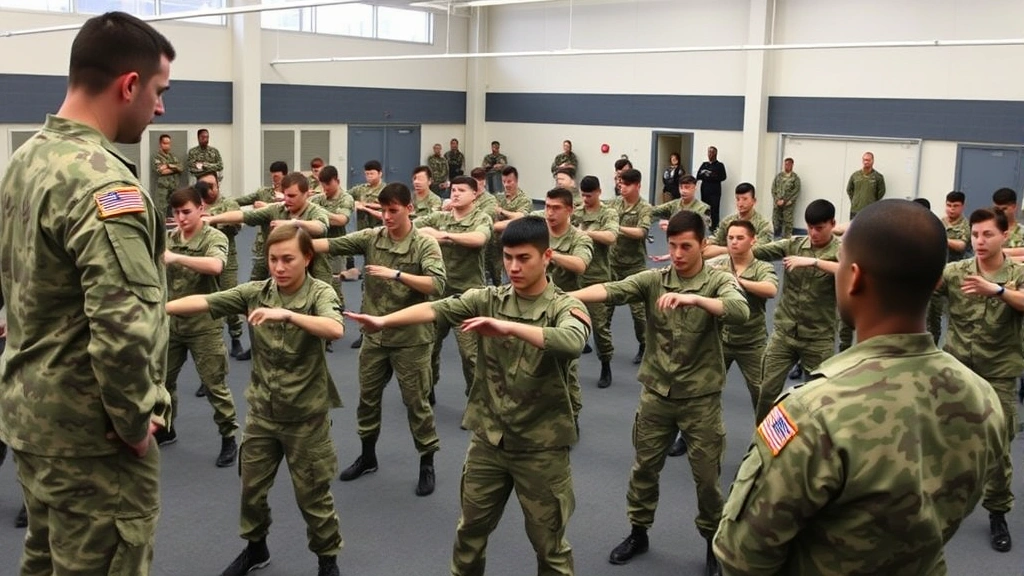
Veterans consistently report that the potential officers course differs significantly from their initial expectations. The program functions as both an assessment tool and a training mechanism, evaluating candidates across multiple dimensions simultaneously. Unlike traditional educational programs where success is measured primarily through examination scores, officer training incorporates continuous evaluation of leadership behavior, decision-making under pressure, and interpersonal effectiveness.
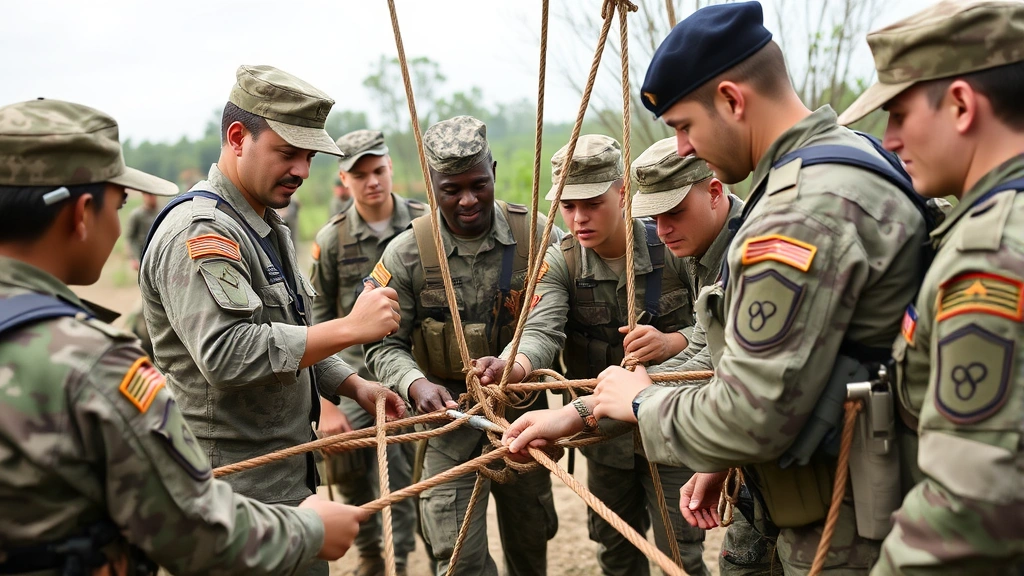
The course typically spans several weeks of intensive instruction, combining classroom learning with practical field exercises, tactical scenarios, and group challenges. Candidates must demonstrate proficiency in military knowledge, understand complex organizational structures, and apply strategic thinking to realistic operational problems. According to veteran instructors, the most successful candidates approach the course as a comprehensive learning experience rather than a series of isolated tests to pass.
Understanding the principles of professional development courses proves surprisingly relevant here. Officer training emphasizes continuous learning, adaptability, and the integration of new knowledge into practical decision-making—core elements of effective professional development. Veterans recommend that candidates familiarize themselves with adult learning principles and evidence-based training methodologies before arrival.
Veteran Insights on Academic Preparation
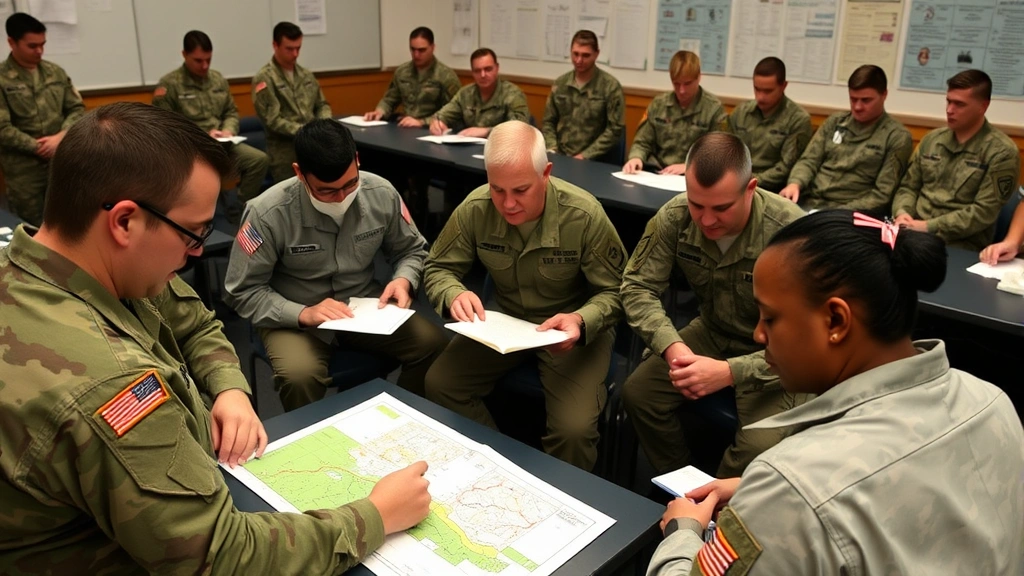
Former officers unanimously stress that academic preparation constitutes only one component of success, yet it remains essential. The potential officers course includes written examinations covering military history, strategic doctrine, organizational theory, and tactical principles. Veterans who excelled academically report that they combined traditional study methods with deeper conceptual understanding.
One critical insight from successful veterans involves the importance of connecting theoretical knowledge to practical application. Rather than memorizing facts in isolation, they studied military doctrine by analyzing historical case studies, understanding the reasoning behind strategic decisions, and considering how principles apply to contemporary challenges. This approach aligns with contemporary best practices in online learning websites, which emphasize active engagement over passive information absorption.
Veterans recommend beginning academic preparation three to six months before course commencement. This timeline allows candidates to develop deep understanding rather than superficial familiarity with required material. They also emphasize the value of study groups, where multiple perspectives on complex concepts enhance comprehension. Additionally, successful candidates regularly consulted primary source materials, military publications, and current strategic analyses to maintain relevance and depth.
The reading load proves substantial, and veterans suggest developing efficient reading strategies early. Techniques such as active annotation, concept mapping, and regular review sessions prevent information overload while building robust knowledge structures. Understanding how to create online courses also provides insight into effective learning design—applying these principles to self-directed study significantly improves retention and application.
Key academic focus areas identified by veterans include:
- Military history and strategic doctrine evolution
- Organizational leadership and management theory
- Tactical decision-making frameworks
- International relations and geopolitical analysis
- Military law and ethical decision-making
- Logistics and resource management principles
Physical Training: Beyond Basic Fitness Standards
Physical fitness requirements for the potential officers course extend beyond standard military physical fitness tests. Veterans emphasize that the program assesses not just current fitness levels but also the capacity to maintain performance under extreme fatigue, stress, and adverse conditions. This distinction fundamentally changes preparation strategies.
Successful candidates report that they incorporated periodized training programs—structured approaches that vary intensity, volume, and focus across training cycles. This methodology, borrowed from athletic training science, prepares candidates for the specific demands they’ll face rather than achieving arbitrary fitness benchmarks. Veterans recommend consulting fitness professionals who understand military training demands to optimize preparation.
The psychological dimension of physical training often surprises candidates. Veterans consistently note that the ability to push through discomfort, maintain focus during exhaustion, and problem-solve under physical stress matters as much as raw athletic ability. Training programs should therefore include challenging mental components—maintaining tactical focus during physically demanding scenarios, for example—rather than isolated fitness activities.
Recovery and injury prevention receive insufficient attention in many candidates’ preparation, according to veteran insights. The intensive course demands place significant stress on musculoskeletal systems, and candidates arriving with unresolved injuries or poor recovery practices often struggle disproportionately. Veterans recommend incorporating comprehensive recovery protocols, addressing movement dysfunction, and building training volume gradually to prevent overuse injuries.
Leadership Development and Character Assessment
Perhaps the most significant insight from veteran officers concerns the course’s emphasis on character and leadership potential. The potential officers course serves partly as an extended interview process, assessing whether candidates possess the integrity, judgment, and interpersonal skills necessary for command responsibility. This assessment occurs continuously throughout the program, not during designated evaluation periods.
Veterans emphasize that leadership development during the course focuses on self-awareness and adaptive capacity. Candidates receive extensive feedback on their decision-making, interpersonal effectiveness, and response to challenging situations. The most successful participants view this feedback as valuable information for improvement rather than personal criticism. This growth mindset—the belief that abilities can be developed through effort—strongly predicts success throughout the course and subsequent officer training.
Character assessment encompasses consistency between stated values and actual behavior, especially under pressure. Veterans report that instructors closely observe how candidates treat peers, respond to setbacks, handle disagreements, and make decisions when no one is watching. Authentic integrity—not performed integrity—emerges as a critical differentiator. Candidates cannot successfully fake character for weeks of intensive evaluation.
Exploring online courses for personal development provides valuable frameworks for understanding leadership development principles. Many of these programs emphasize emotional intelligence, self-regulation, and interpersonal communication—all critical competencies assessed during the potential officers course.
Mental Resilience and Psychological Readiness
Veterans consistently identify psychological resilience as the single most important predictor of success in the potential officers course. Unlike physical fitness or academic knowledge, mental toughness cannot be quickly developed in the weeks before training begins. Instead, it represents the culmination of years of habit development, stress management practice, and self-regulation training.
The course deliberately incorporates stressors—sleep deprivation, time pressure, ambiguous requirements, conflicting instructions—to assess how candidates function when optimal conditions disappear. Veterans who succeeded report developing robust mental frameworks before arrival, including realistic optimism, acceptance of uncertainty, and systematic problem-solving approaches. They practiced stress management techniques regularly, making these responses automatic during high-stress situations.
One particularly valuable insight from veteran officers involves the importance of understanding stress physiology. When candidates understand that stress responses like elevated heart rate, adrenaline release, and heightened focus represent normal physiological adaptations rather than signs of failure, they respond more effectively. Veterans recommend studying stress physiology and practicing techniques that optimize performance during stress—breathing protocols, visualization, and positive self-talk—well before the course.
Social resilience emerges as equally important as individual resilience. The course includes extensive group challenges where success depends on team coordination, communication, and mutual support. Veterans emphasize developing genuine concern for teammates, practicing effective communication under stress, and building trust through consistent follow-through. Candidates who approach the course as a shared challenge rather than individual competition report higher satisfaction and better outcomes.
Technology and Modern Learning Approaches
Contemporary officer training increasingly incorporates technology-enhanced learning, simulation-based training, and adaptive learning platforms. Veterans who have recently completed the potential officers course emphasize the importance of technological literacy and comfort with digital learning environments. Understanding online degree accreditation standards and quality indicators provides insight into how modern military training maintains rigor while incorporating technological tools.
Simulation-based training represents a particularly valuable component, allowing candidates to practice tactical decision-making, command responsibilities, and crisis management in realistic but controlled environments. Veterans recommend seeking opportunities to practice with similar technologies before the course, as comfort with the tools allows fuller focus on the content. Many military websites and professional organizations offer access to training simulations that candidates can explore during preparation.
Virtual learning components have become increasingly common, particularly for theoretical instruction. Veterans report that success with online learning requires different skills than classroom learning—self-direction, active note-taking, and proactive engagement with instructors. Developing these competencies before the course begins significantly enhances performance in technology-mediated instruction.
Common Mistakes and How to Avoid Them
Veterans identify several patterns among candidates who struggle during the potential officers course. Understanding these common mistakes allows prospective candidates to avoid them through deliberate preparation.
Overconfidence in existing abilities represents perhaps the most frequent mistake. Candidates with strong academic records, athletic backgrounds, or previous military experience sometimes assume these strengths alone ensure success. Veterans emphasize that the course challenges candidates across all dimensions simultaneously, and previous excellence in one area does not guarantee overall success. Approaching preparation with humility and willingness to develop all competencies proves essential.
Insufficient preparation for the specific course affects many candidates. Rather than generic military preparation, successful candidates focus specifically on the potential officers course curriculum, assessment criteria, and training format. They research course requirements thoroughly, understand what instructors evaluate, and tailor preparation accordingly. This specificity dramatically improves readiness.
Neglecting mental and emotional preparation leaves many candidates vulnerable. The course’s psychological intensity surprises candidates who prepared primarily physically and academically. Veterans recommend dedicating substantial preparation time to stress management, resilience building, and emotional regulation. These skills prove as trainable as physical fitness, but require consistent practice.
Isolating preparation efforts prevents candidates from benefiting from collective wisdom. Veterans consistently recommend seeking mentorship from officers who have completed the course, joining preparation study groups, and engaging with veteran communities. These connections provide realistic perspectives, identify preparation gaps, and offer encouragement during challenging phases.
Poor physical preparation methodology leads to injuries and suboptimal performance. Candidates who approach physical training haphazardly, ignore recovery, or fail to address movement dysfunction often arrive at the course already compromised. Working with qualified fitness professionals and following periodized training programs prevents these preventable problems.
Post-Course Success and Career Trajectory
Veterans emphasize that the potential officers course represents a beginning rather than a conclusion. Success in the course opens doors to officer training programs, but the habits, competencies, and mindsets developed during preparation and the course itself establish trajectories for entire military careers.
Officers who thrived during the potential officers course report that they continued prioritizing the same competencies that enabled success—continuous learning, physical fitness, character development, and resilience building. They view their careers as ongoing professional development rather than static achievement. Understanding principles of continuous professional development through educational resources provides frameworks for sustaining growth throughout military careers.
The relationships formed during the potential officers course often prove as valuable as the formal training. Veterans consistently maintain connections with cohort members, creating networks of mutual support, knowledge sharing, and professional collaboration that enhance their effectiveness throughout their careers. Candidates should approach the course with genuine interest in building these relationships rather than viewing peers as competition.
Post-course, successful officers emphasize the importance of seeking challenging assignments, pursuing additional training opportunities, and remaining engaged with ongoing professional development. The military education system offers numerous opportunities for advanced training, specialized certifications, and academic credentials. Officers who maintain the learning mindset developed during the potential officers course position themselves for continued advancement and impact.
FAQ
How long does the potential officers course typically last?
Most potential officers courses run between three to twelve weeks, depending on the specific military branch and program structure. Veterans recommend confirming the exact duration for your specific program, as this affects preparation timeline and intensity. Longer courses often allow deeper development of competencies, while shorter courses demand more intensive preparation beforehand.
What is the pass rate for the potential officers course?
Pass rates vary significantly by military branch and program, typically ranging from 60-85 percent. Veterans emphasize that these statistics reflect the course’s challenging nature but also indicate that most well-prepared candidates succeed. Focus on thorough preparation rather than worrying about aggregate statistics.
Can you retake the potential officers course if you don’t pass initially?
Policies regarding retakes vary by military branch. Some branches allow one retake after a waiting period, while others have different policies. Veterans recommend clarifying your specific branch’s policy before attempting the course, as this information affects decision-making if initial attempts prove unsuccessful.
Should I use external coaching or preparation services?
Veterans report mixed experiences with external coaching. Quality matters significantly—working with coaches who understand the specific course, have military experience, and focus on competency development rather than test preparation proves valuable. Many successful candidates benefited from working with qualified mentors, while others succeeded through self-directed preparation combined with study groups.
How important is prior military experience for success?
Prior military service provides advantages in cultural familiarity and baseline fitness, but veterans emphasize that it does not guarantee success. In fact, some candidates with extensive military experience struggle because they assume existing knowledge suffices, neglecting preparation for the specific course. Approach preparation with fresh perspective regardless of background.
What should I do if I’m struggling during the course?
Veterans unanimously recommend seeking help immediately if you encounter significant difficulties. Most courses include academic support, physical training assistance, and counseling resources. Reaching out for support demonstrates self-awareness and commitment to improvement—qualities instructors value. Struggling silently often leads to failure, while seeking help early frequently enables success.


