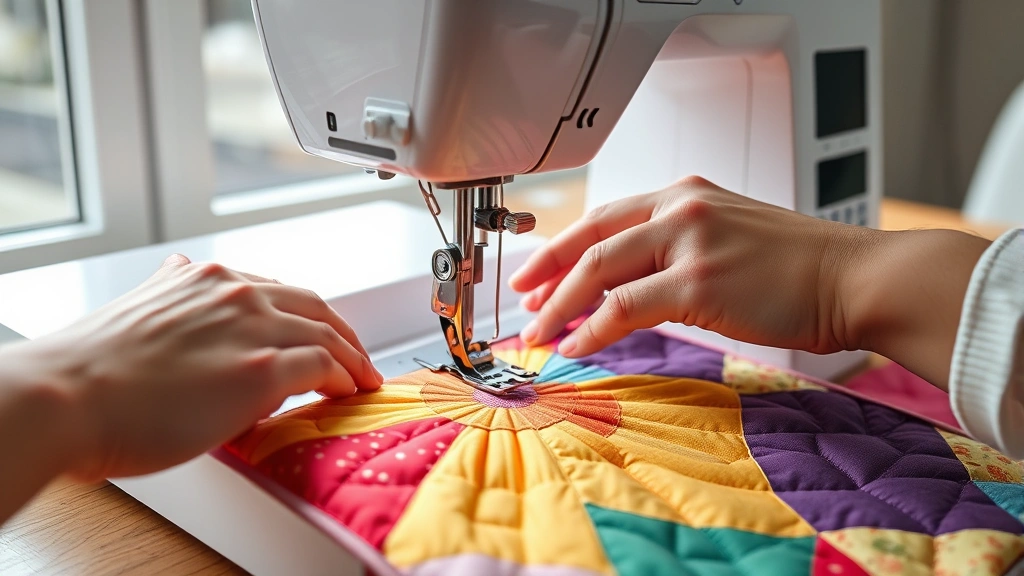
Find Sewing Courses Near Me: Expert Recommendations for Beginners and Advanced Learners
Learning to sew is one of the most rewarding skills you can develop, combining creativity, practical knowledge, and the satisfaction of creating something with your own hands. Whether you’re interested in basic mending, fashion design, or quilting, finding the right sewing course near you is the first step toward mastering this timeless craft. With the growing popularity of sustainable fashion and DIY culture, sewing instruction has become more accessible than ever before, with options ranging from community centers to specialized academies.
The journey to becoming a skilled seamstress or tailor doesn’t have to be complicated. This comprehensive guide will help you navigate the landscape of sewing courses in your area, understand what to look for in quality instruction, and discover proven methods for accelerating your learning. Whether you’re a complete beginner picking up a needle for the first time or an experienced crafter looking to refine advanced techniques, we’ve gathered expert recommendations and practical strategies to help you find the perfect sewing course that matches your goals, schedule, and budget.
Types of Sewing Courses Available
The sewing education landscape has expanded dramatically over the past decade, offering diverse learning pathways tailored to different skill levels and interests. Understanding the various course types available will help you select the one that best aligns with your objectives and learning style.
Beginner Foundation Courses are designed for individuals with little to no sewing experience. These courses typically cover essential topics such as understanding sewing machines, thread selection, basic stitches, pattern reading, and simple project completion. Most beginner courses span 4-8 weeks and meet once or twice weekly for 2-3 hours per session. Instructors emphasize building confidence alongside technical skills, creating a supportive environment where newcomers feel comfortable making mistakes and learning from them.
Intermediate and Advanced Courses build upon foundational knowledge, introducing more complex techniques like garment construction, fitting adjustments, advanced seaming methods, and specialty fabrics. These courses often require completion of beginner classes or demonstrated previous experience. Advanced learners can explore specialized areas such as couture techniques, tailoring, pattern grading, or industrial sewing methods.
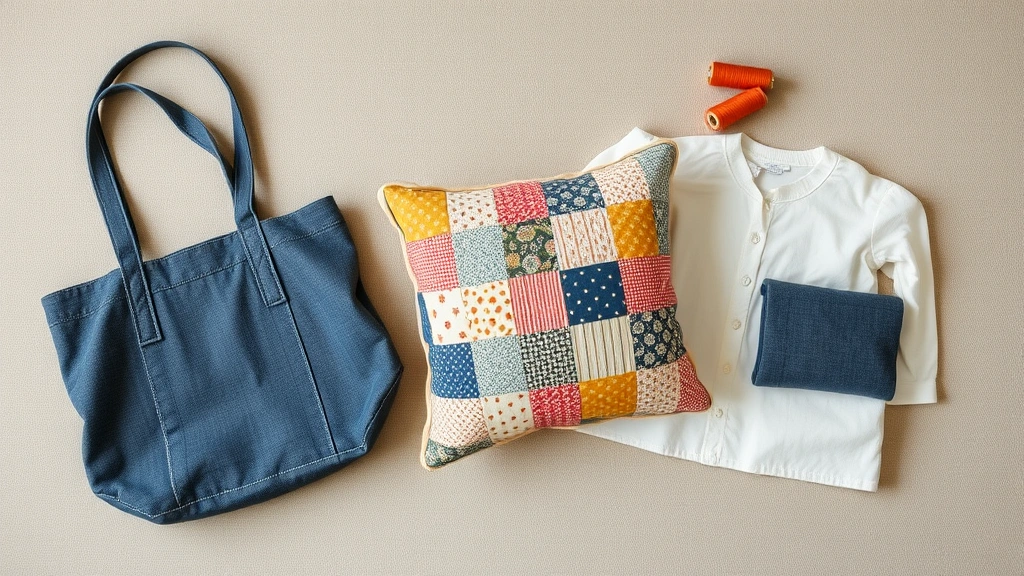
Project-Based Workshops focus on completing specific items within a limited timeframe. Common project workshops include making tote bags, simple skirts, pillowcases, quilts, or children’s clothing. These intensive sessions typically run 2-4 hours and are perfect for learners who prefer hands-on experience with defined outcomes. Project-based learning provides immediate gratification and tangible results that motivate continued skill development.
Specialty and Niche Courses cater to specific interests within the sewing world. These might include quilting, embroidery, alterations and mending, bridal wear construction, costume design, upholstery, or leather working. Specialty courses often attract enthusiasts with particular passions and create communities of like-minded learners who share specific interests and goals.
Where to Find Sewing Classes in Your Community
Locating quality sewing instruction near you requires knowing where to look and what resources are available. Multiple venues now offer sewing education, each with distinct advantages and characteristics.
Community Colleges and Educational Institutions represent one of the most reliable sources for affordable, quality sewing instruction. Most community colleges offer continuing education programs that include comprehensive sewing courses at reasonable prices. These institutions employ experienced instructors, maintain well-equipped facilities with multiple machines, and often provide curriculum that builds progressively from basics to advanced techniques. The structured environment and institutional accountability ensure consistent quality and professional instruction standards.
Independent Sewing Studios and Academies specialize exclusively in sewing instruction and often provide the most personalized learning experiences. These dedicated facilities typically feature modern equipment, curated fabric selections for student projects, and instructors with extensive professional sewing backgrounds. Independent studios frequently offer flexible scheduling, small class sizes, and specialized courses unavailable through larger institutions. Many independent studios have established reputations within local sewing communities and maintain active social media presence showcasing student projects and course offerings.
Fabric and Craft Stores frequently offer sewing classes in-store or through affiliated instructors. Major retailers like Joann Fabrics, local independent fabric shops, and craft supply stores recognize that teaching customers to sew increases customer loyalty and product purchases. These venues offer convenience, access to materials for immediate projects, and instructors who understand inventory and product applications. While quality varies by location, store-based classes provide affordable entry points for beginners.
Community Centers and Recreation Programs offer accessible, budget-friendly sewing instruction through local government or nonprofit organizations. These programs serve diverse populations and prioritize affordability, making sewing accessible to families with limited resources. Community center classes often create inclusive environments where learners of all backgrounds connect and build friendships alongside developing practical skills.
Libraries and Public Institutions increasingly offer sewing classes and workshops as part of community enrichment programming. Many libraries partner with local instructors or community members to provide free or low-cost workshops. Some libraries maintain sewing spaces with shared equipment available for member use, democratizing access to tools and instruction.
When searching for courses near you, start by contacting these venues directly, checking their websites, and asking about current offerings. Many institutions post schedules online with enrollment details and instructor information. Personal recommendations from friends and family who’ve taken sewing classes provide valuable insights into instruction quality and learning environments.
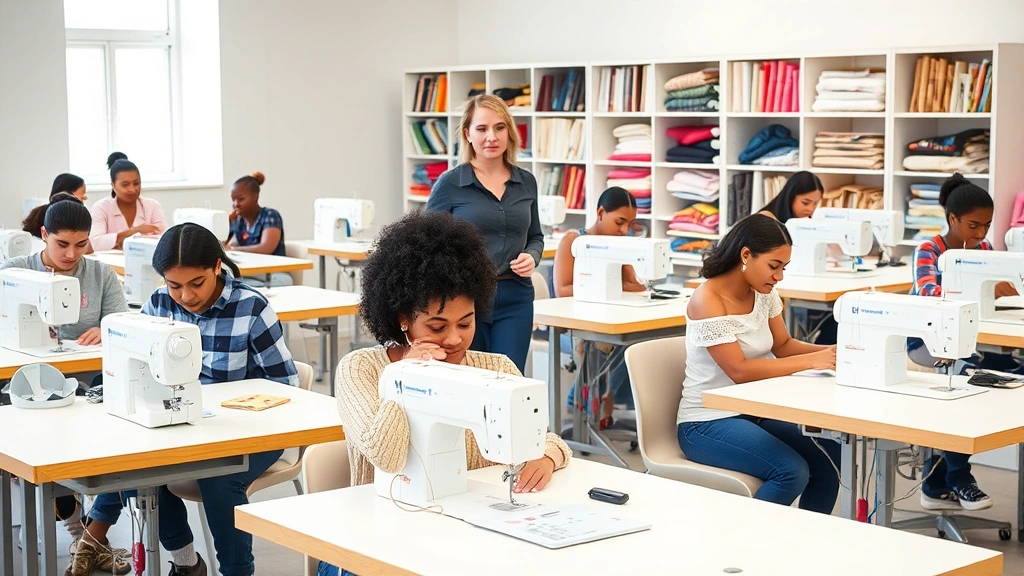
Evaluating Course Quality and Instructors
Not all sewing courses deliver equivalent value or instruction quality. Developing evaluation criteria helps you identify courses that will provide genuine skill development and positive learning experiences.
Instructor Qualifications and Experience significantly impact learning outcomes. Seek instructors with documented sewing expertise, professional experience in garment construction or related fields, and formal teaching credentials or training. Ask potential instructors about their background: How many years have they sewn? What professional experience do they have? Have they completed teacher training programs? Do they stay current with evolving techniques and technologies? Experienced instructors understand common beginner challenges, anticipate confusion points, and provide clear explanations adapted to diverse learning styles.
Class Size and Student-Instructor Ratio affect the quality of individual attention and feedback. Smaller classes (6-10 students) allow instructors to provide personalized guidance, assess individual progress, and adjust instruction to meet varied learning needs. Larger classes (15+ students) may feel impersonal and limit opportunities for meaningful instructor feedback. For beginners, smaller class sizes typically provide superior learning experiences.
Equipment and Facilities matter significantly for practical skill development. Quality instruction requires well-maintained machines, adequate lighting, comfortable seating, and organized workspace. Ideally, courses provide machines for student use, eliminating the need to purchase equipment before determining your commitment level. Visit facilities before enrolling to assess equipment quality, cleanliness, and organization. Ask whether machines are regularly serviced and if backup equipment is available if machines malfunction during class.
Curriculum Structure and Learning Progression should follow logical sequences that build skills systematically. Well-designed courses introduce foundational concepts before advancing to complex techniques. Review course descriptions carefully to ensure progression matches your goals. Reputable instructors provide detailed syllabi or course outlines explaining topics covered, projects completed, and learning objectives for each session.
Student Reviews and Testimonials offer insights into actual learning experiences. Check online review platforms, social media pages, and ask instructors for references from previous students. Pay attention to recurring themes in feedback: Do students report skill improvement? Did they feel supported and encouraged? Would they recommend the course? Consistent positive feedback indicates quality instruction and positive learning environments.
Flexibility and Make-Up Policies reflect instructor and institution commitment to student success. Ask about attendance policies, make-up class options, and flexibility for students who need to miss sessions. Responsive institutions recognize that life happens and provide reasonable accommodations for students managing multiple responsibilities.
Beginner Sewing Fundamentals
If you’re starting your sewing journey, understanding core fundamentals will accelerate your progress and build confidence. Quality beginner courses systematically develop these essential competencies.
Machine Operation and Maintenance forms the foundation of practical sewing skills. Beginners must understand machine anatomy, threading procedures, bobbin systems, tension settings, and basic troubleshooting. Good instruction includes hands-on practice with multiple machine types, since different machines have varying operational procedures. Learning proper maintenance—cleaning, oiling, and needle replacement—extends machine lifespan and ensures consistent stitch quality. Instructors should emphasize that modern sewing machines are tools requiring respect and care, not mysterious devices to fear.
Stitch Types and Their Applications expand creative possibilities and project options. Fundamental stitches include the straight stitch (basic seaming), zigzag stitch (finishing edges and preventing fraying), backstitch (reinforcement), and various decorative stitches. Understanding which stitches serve specific purposes—seaming, edge finishing, decoration, or stretch fabric accommodation—enables informed decisions during project construction. Experienced instructors provide ample practice opportunities, allowing students to develop muscle memory and confidence with each stitch type.
Fabric Selection and Preparation impacts project success significantly. Beginners learn to identify common fabric types, understand fiber content and its implications for care and draping, and recognize how fabric characteristics affect project selection. Pre-washing, grain line alignment, and proper pattern layout prevent frustrating mistakes later in construction. Instructors guide students toward beginner-friendly fabrics—cotton quilting fabrics, lightweight cotton blends, and other stable materials—before advancing to challenging fabrics like stretchy knits or slippery synthetics.
Pattern Reading and Measurement unlock access to countless sewing projects. Students learn to interpret pattern symbols, understand seam allowances, identify grain lines, and accurately measure bodies for proper fit. Clear instruction in these areas prevents common beginner mistakes like cutting patterns incorrectly or assembling pieces in wrong order. Practice with simple patterns builds confidence before tackling complex garment construction.
Hand Sewing Techniques remain valuable despite machine sewing’s prevalence. Hand stitching serves purposes including seam finishing, button attachment, invisible closures, and detailed embellishment. Developing hand sewing competency provides alternatives when machines are unavailable and enables refinement of finished projects. Many experienced sewers consider hand sewing skills essential for achieving professional-quality results.
Advanced Sewing Specializations
Once you’ve mastered fundamentals, specialized courses allow exploration of particular sewing interests and development of expertise in focused areas.
Garment Construction and Tailoring represents a natural progression for sewers interested in creating wearable clothing. Advanced garment courses cover pattern fitting and adjustment, complex closures, professional finishing techniques, and construction methods used in commercial apparel production. Tailoring specialization includes alteration techniques, suit construction, and methods for achieving tailored silhouettes. These courses require strong foundational skills and often span several months to develop genuine expertise.
Quilting and Patchwork appeal to sewers interested in textile art and functional home goods. Quilting courses cover piecing techniques, batting selection, quilting methods (hand and machine), and binding application. Advanced quilting explores complex patterns, color theory, and artistic design principles. The quilting community remains vibrant and welcoming, with abundant resources, competitions, and social opportunities for enthusiasts.
Embroidery and Decorative Techniques enable personalization and artistic expression through thread work. Students learn various embroidery stitches, thread types, hoop use, and design transfer methods. Machine embroidery courses introduce computerized embroidery machines and digitizing software. These specializations appeal to sewers seeking creative outlets and opportunities to add unique details to projects.
Alterations and Mending serve practical purposes while developing problem-solving skills. Professional alteration instruction teaches techniques for adjusting garment fit, replacing zippers, hemming various fabric types, and addressing wear damage. This specialization appeals to environmentally conscious sewers interested in extending garment lifespan and reducing textile waste. Mending skills prove invaluable for maintaining personal wardrobes and potentially generating income through alteration services.
Online vs. In-Person Learning
Modern sewing education increasingly offers online and hybrid options alongside traditional in-person instruction. Understanding advantages and limitations of each format helps you select the best fit for your learning style and circumstances.
In-Person Instruction Advantages include direct instructor feedback, hands-on problem-solving, immediate access to equipment, and community building. Physical presence allows instructors to observe your technique, identify errors immediately, and provide corrections before bad habits develop. Working alongside other students creates accountability, motivation, and social connection. For beginners especially, in-person instruction provides reassurance and personalized support that accelerates learning.
Online Learning Benefits include flexibility, accessibility, and affordability. Online courses accommodate students with scheduling constraints, mobility limitations, or geographic isolation from quality instruction. Students can review video lessons repeatedly, learning at individual pace without pressure to keep up. Online platforms often cost less than in-person courses and eliminate travel time. However, online learning requires self-discipline, independent problem-solving, and comfort with technology.
Hybrid Approaches combine online and in-person components, offering flexibility with personalized support. Some courses include recorded lessons for review and live virtual sessions for questions and interaction. Others blend online theory instruction with occasional in-person workshops where students access shared equipment and receive hands-on guidance.
For beginners, a blend of in-person instruction for fundamentals with supplementary online resources often provides optimal learning. Experienced sewers frequently prefer online courses that accommodate their busy schedules while providing focused instruction on specific advanced topics.
Cost Considerations and Financial Assistance
Sewing course costs vary widely based on venue, instructor experience, course length, and included materials. Understanding pricing structures and financial options makes quality instruction accessible regardless of budget.
Community College Courses typically cost $50-$200 per course, making them among the most affordable options. Costs cover instruction, facility use, and sometimes basic materials. Students typically purchase their own supplies beyond course-provided basics. Financial aid availability varies by institution, with some community colleges offering tuition assistance for qualifying students.
Independent Studio Classes generally range from $200-$600+ for multi-week courses, with higher costs reflecting smaller class sizes and specialized instruction. Specialized courses and intensive workshops cost more than beginner group classes. Many studios offer discounts for multiple course enrollment or membership packages providing ongoing access.
One-Time Workshops typically cost $30-$100 for 2-4 hour sessions. These short formats work well for project-specific learning or skill testing before committing to longer courses.
Equipment Costs represent significant initial investment beyond course tuition. Beginner machines cost $100-$500, while quality machines suitable for regular use range from $300-$1000+. Many courses provide machine access, eliminating this initial expense. Before purchasing equipment, take courses using institutional machines to ensure genuine interest before investing in personal equipment.
Material Expenses vary by projects but typically total $50-$200 per course. Budget-conscious students can minimize costs by purchasing sale-priced fabric, shopping fabric store clearance sections, and upcycling existing materials. Many instructors welcome students bringing personal fabric selections, allowing cost management through material sourcing.
Financial Assistance Options expand access to quality instruction. Community colleges often offer need-based tuition assistance or payment plans. Some nonprofits provide sewing instruction scholarships for low-income individuals. Check whether your employer offers tuition reimbursement for professional development courses. Vocational rehabilitation programs serve individuals with disabilities, sometimes funding skill development courses including sewing.
Consider sewing education an investment in a lifelong skill providing years of creative satisfaction and practical value. Even seemingly expensive courses cost less per use when amortized across years of sewing projects and garments created.
FAQ
What’s the best sewing course for complete beginners?
Beginner sewing fundamentals courses at community colleges or independent studios offer the best value and instruction quality for complete novices. Look for courses explicitly labeled “beginner” or “absolute beginner,” with small class sizes (under 12 students), experienced instructors, and provided machine access. Project-based beginner workshops work well for learners preferring concrete outcomes over comprehensive theory.
How long does it take to become proficient at sewing?
Basic proficiency typically requires 20-30 hours of instruction and practice, achievable in 4-8 weeks of weekly classes. However, developing genuine expertise and comfort with varied projects takes months or years of consistent practice. The timeline varies based on individual learning pace, practice frequency, and complexity of projects attempted.
Should I buy a sewing machine before taking classes?
Most experts recommend taking at least one beginner course before purchasing equipment. Courses provide machine access, eliminating expense before determining genuine interest. You’ll also learn which machine features matter for your intended projects, enabling informed purchasing decisions. Many dedicated sewers own multiple machines for different purposes, so waiting to purchase prevents costly mistakes.
What’s the difference between sewing classes and sewing circles?
Sewing classes provide structured instruction from qualified teachers with defined curriculum and learning objectives. Sewing circles and groups are social gatherings of sewers working on personal projects, providing community and motivation but not formal instruction. Both offer value for different purposes—classes for skill development, circles for social connection and accountability.
Can I learn sewing entirely online?
Online learning works for some students, particularly those with sewing experience or strong self-discipline. However, beginners typically benefit from in-person instruction for hands-on guidance and immediate feedback. Consider supplementing online courses with occasional in-person workshops for machine troubleshooting and technique refinement.
What should I look for in a sewing instructor?
Seek instructors with documented sewing expertise, professional experience, teaching credentials or training, and current knowledge of contemporary techniques. Good instructors demonstrate patience, adapt to different learning styles, provide clear explanations, and create supportive environments where students feel comfortable asking questions and making mistakes.


