Silverbell Golf Course: Local Review Insights and What You Need to Know
Silverbell Golf Course stands as a notable destination for golf enthusiasts seeking a quality playing experience in the Tucson, Arizona area. Located in the western part of Tucson, this public course has earned a reputation for maintaining reasonable green fees while offering a challenging layout suitable for players of various skill levels. Whether you’re a local resident or visiting the region, understanding what Silverbell Golf Course offers can help you decide if it’s the right choice for your next round.
This comprehensive review explores the course’s features, playing conditions, amenities, and what golfers consistently report about their experiences. We’ll examine everything from course design and difficulty ratings to member feedback and how it compares with other Arizona golf destinations. If you’re researching Silverbell Golf Course before booking your tee time, this guide provides the insights you need to make an informed decision.

Course Layout and Design Features
Silverbell Golf Course presents an 18-hole layout that reflects classic Arizona desert golf design principles. The course stretches approximately 6,600 yards from the championship tees, offering multiple tee selections that accommodate different player abilities. The par-72 configuration provides a balanced mix of challenge and playability throughout the round.
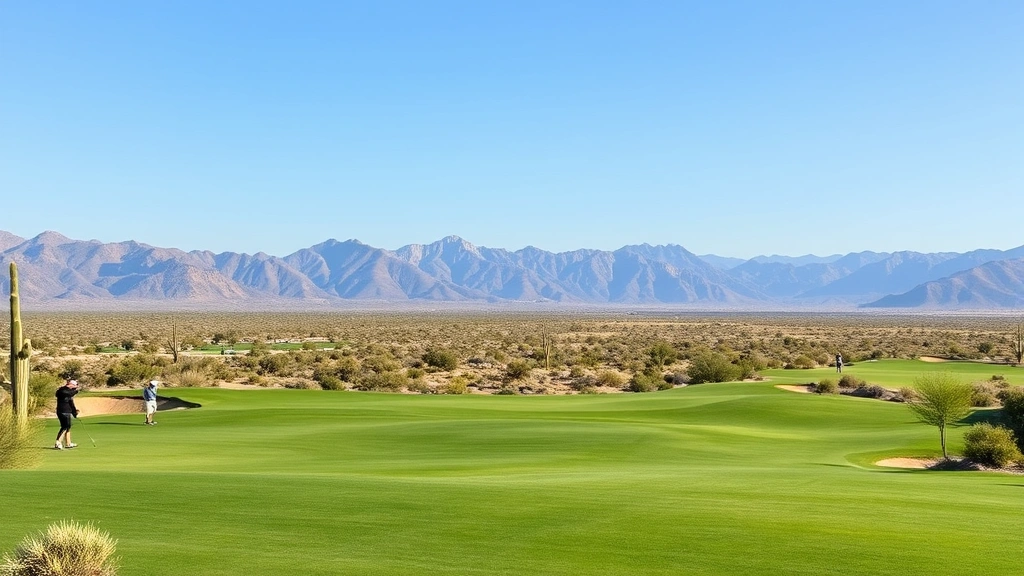
The routing of Silverbell takes advantage of the natural Sonoran Desert terrain, with fairways bordered by native vegetation and natural desert landscaping. Rather than the heavily irrigated, manicured look of resort courses, Silverbell maintains a more authentic desert aesthetic. This design philosophy reduces water usage while maintaining playable conditions. The course features several elevated tees that provide scenic views across the surrounding landscape and add strategic interest to shot selection.
Water hazards appear on select holes, requiring golfers to make thoughtful decisions about club selection and shot placement. The rough consists primarily of native desert vegetation, which means errant shots can be challenging to locate and recover from. This design element rewards accuracy and strategic thinking over pure distance-hitting ability. Bunkers are strategically placed around greens and fairways, typically positioned to guard key landing areas and protect par.
Golfers frequently note that the course design encourages shot-making variety. Rather than simply hitting the longest club possible, successful rounds at Silverbell require understanding wind patterns, elevation changes, and course management. The layout includes several dogleg holes that add visual interest and strategic complexity to the routing.
Playing Conditions and Maintenance
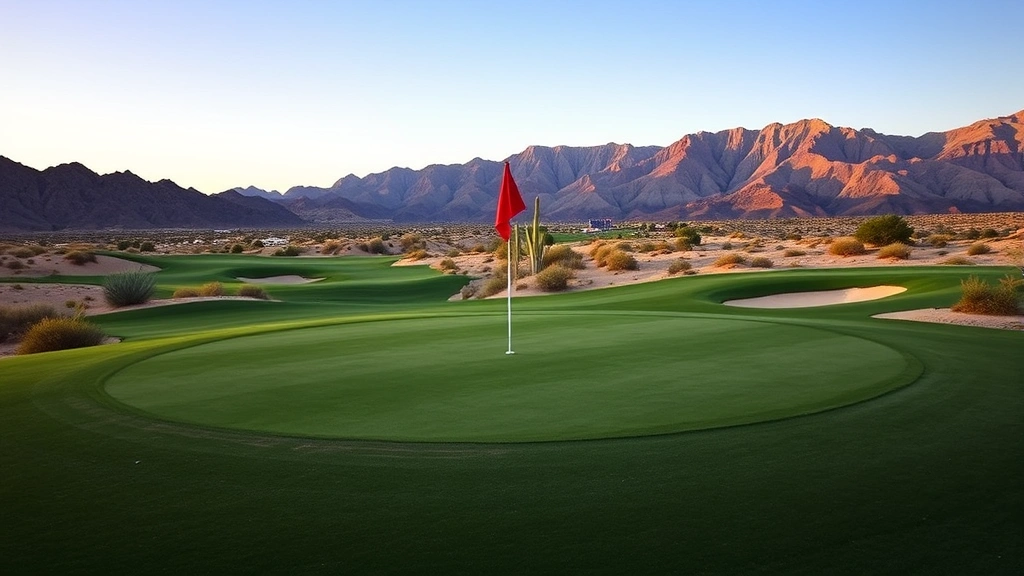
Course maintenance at Silverbell receives generally positive feedback from regular players, though conditions can vary seasonally based on Arizona’s unique climate. During the peak winter season (November through March), when temperatures are mild and favorable for golf, the course typically maintains excellent conditions with lush, well-manicured fairways and fast greens.
The transition seasons of spring and fall present intermediate conditions. Summer presents the most challenging period for Arizona golf courses due to extreme heat. Silverbell, like most public courses in the region, may show signs of stress during July and August when temperatures regularly exceed 110 degrees Fahrenheit. The course remains playable, but fairways may appear less vibrant and greens may be slower during these months.
Irrigation management appears to be a focus for the maintenance crew, balancing the need for playable conditions with water conservation in the desert environment. Greens are typically well-maintained and provide consistent putting surfaces, though speed and firmness vary with seasonal conditions. Fairways are regularly mowed and managed to encourage good lies for most shots.
Local players report that tee box maintenance is generally consistent, with fresh tee markers placed regularly and tee areas kept in good playing condition. The rough, being primarily native desert vegetation, requires less intensive maintenance while still presenting a penalty for wayward shots. Cart paths are well-maintained throughout the course, and signage is clear and helpful for navigation.
Difficulty Ratings and Handicap Information
Understanding Silverbell’s difficulty rating helps golfers anticipate the challenge level and how their score might translate relative to their home course. The course rating and slope rating provide standardized measurements used by the United States Golf Association (USGA) to calculate handicaps and predict score difficulty.
From the championship tees, Silverbell carries a course rating around 72.0 with a slope rating in the mid-120s, indicating a moderately challenging layout for skilled players. These ratings suggest that a scratch golfer (0 handicap) should expect to shoot near par under normal conditions. Higher handicap golfers will find the course more challenging, particularly from the back tees.
The forward tees provide significantly more accessible conditions, with shorter distances and lower slope ratings. This accessibility makes Silverbell a reasonable choice for developing golfers and those seeking a less demanding round. The variety of tee options means golfers of different abilities can find appropriate challenge levels on the same course.
Players with official USGA handicaps can use Silverbell’s rating and slope data to adjust their expected scores. A 15-handicap golfer, for example, should expect to score approximately 87 on a course with Silverbell’s rating and slope under average conditions. This standardized approach helps golfers track improvement and compare their play across different courses.
Pricing and Membership Options
Green fees at Silverbell Golf Course are positioned as moderate for the Tucson area, making it accessible for recreational players without the premium pricing of resort courses. Daily green fees vary by season, with higher rates during the peak winter months when demand is greatest and lower rates during summer when heat limits play.
Walk rates are typically available and offer modest savings compared to cart rates, appealing to golfers seeking exercise and cost reduction. Cart rental fees are separate from green fees and are mandatory on most courses in the region due to course conditions and pace-of-play considerations. Twilight rates, offering discounted green fees for afternoon rounds, provide budget-friendly options for golfers with flexible scheduling.
Membership options at Silverbell provide value for regular players. Various membership tiers typically include unlimited play, discounted rates, or specific play allowances. Annual memberships often provide break-even points for golfers planning more than 20-30 rounds annually, depending on membership tier and seasonal rate variations. Junior memberships and senior discounts may be available, expanding accessibility across age groups.
Package deals and multi-round tickets sometimes offer savings compared to daily rates, making them attractive for visiting golfers or those planning several rounds. It’s advisable to contact the pro shop directly regarding current pricing, as rates fluctuate seasonally and promotional offers change periodically. Many Arizona courses offer special rates during summer months to encourage play during traditionally slower periods.
Amenities and Facilities
The clubhouse at Silverbell provides essential amenities including a pro shop, restaurant or snack bar, and restroom facilities. The pro shop stocks basic golf equipment, apparel, and accessories, though selection may be more limited than resort courses. Staff at the pro shop can typically assist with equipment rentals, tee time booking, and local course information.
Dining options range from casual snack bar offerings to more substantial meals, with many courses offering breakfast before rounds and lunch during or after play. The ability to grab refreshments between the front and back nines is important for Arizona golf, where hydration is critical during warm months. Many players appreciate having food and beverage options available without leaving the property.
Driving range facilities allow for pre-round warm-up and practice. The quality and size of practice facilities varies, but most public courses in the area provide adequate space for range work. Chipping and putting practice areas help golfers prepare for the short game demands of the course.
Locker room facilities typically include changing areas, lockers for equipment storage, and shower facilities. These amenities are particularly valuable for golfers playing before work or those wanting to freshen up after their round. Many courses maintain reasonable cleanliness standards in these facilities.
Handicap tracking and tournament hosting capabilities make Silverbell suitable for organized play. The course likely participates in USGA handicap systems and may host local tournaments or leagues. This infrastructure supports competitive play and formal handicap management for serious golfers.
Local Player Reviews and Ratings
Player feedback consistently highlights several aspects of the Silverbell experience. Golfers appreciate the course’s playability across different skill levels and the generally fair design that rewards good shots without being unreasonably punitive. The desert setting appeals to those seeking authentic Arizona golf rather than heavily landscaped resort experiences.
Service quality receives mixed reviews depending on specific visits. Some players report friendly, attentive staff and smooth operations, while others note inconsistency in customer service quality. Like many public courses, Silverbell’s experience can vary based on staffing and operational factors on any given day.
Course conditioning comments vary seasonally. Winter rounds typically generate positive feedback about green quality and fairway appearance. Summer rounds sometimes receive comments about stress on turf and slower green speeds, though this is typical for Arizona courses during peak heat.
Pace of play is frequently mentioned by golfers. Some players report reasonable rounds completing in standard time, while others note slower-than-expected play during busy periods. Course management may implement pace-of-play initiatives during peak seasons to address this concern.
Value perception is generally positive. Players often feel they receive reasonable quality and playability for the green fees charged. Comparisons with other Miami golf courses and regional options suggest Silverbell competes favorably on value proposition. Some golfers specifically seek out the course for its balance of quality and affordability.
Visiting golfers appreciate the welcoming atmosphere and straightforward public course operations. Unlike private clubs requiring membership or resort courses emphasizing luxury amenities, Silverbell’s public access appeals to casual and serious golfers alike who simply want to play golf without additional complications.
Seasonal Considerations for Arizona Golf
Arizona’s climate dramatically influences the golf experience at Silverbell and all regional courses. Understanding seasonal variations helps golfers plan visits strategically and set appropriate expectations for conditions.
The peak season runs from November through March when temperatures are mild, typically ranging from 50-75 degrees Fahrenheit. During these months, course conditions are excellent, demand is high, and green fees are at premium rates. This season attracts visiting golfers from colder climates and represents the most popular time for Arizona golf.
Spring (April-May) presents transition conditions with warming temperatures and occasional wind. Course conditions remain good, though irrigation demands increase and rates may begin rising. Late spring can see temperatures exceeding 95 degrees, signaling the approach of summer conditions.
Summer (June-August) is the most challenging season for Arizona golf. Temperatures regularly exceed 100 degrees and frequently reach 110-120 degrees. Most golfers avoid midday rounds due to heat intensity. Early morning tee times become standard practice. Course conditions can stress turf, and green fees are typically discounted significantly to encourage play during this slow season. Summer rounds require special preparation including extra hydration, sun protection, and awareness of heat-related risks.
Fall (September-October) gradually transitions from summer heat toward more comfortable temperatures. Early fall remains quite hot, but by October, conditions become more pleasant. Course conditions improve as stress on turf decreases. This season represents good value for golfers seeking moderate conditions without peak-season pricing.
Planning Silverbell visits around these seasonal patterns helps golfers optimize their experience. Winter visits offer the best conditions but higher costs and busier tee sheets. Summer visits provide significant savings and shorter waits but require heat preparation. Spring and fall offer reasonable compromises between conditions, cost, and availability.
Comparison with Regional Courses
Understanding how Silverbell compares with other Tucson and Arizona options helps golfers decide if it’s the right choice for their needs. The region offers diverse course options at various price points and difficulty levels.
Public courses like Silverbell occupy a middle ground between exclusive private clubs and resort courses. They offer public access without membership requirements while maintaining better conditions than many municipal courses. Compared to San Carlos Golf Course Florida and other regional public options, Silverbell provides solid value and playability.
Resort courses in the Tucson area typically offer more extensive amenities, higher-quality conditioning, and premium pricing. These courses may feature championship designs and tournament hosting capabilities. Golfers seeking luxury experiences and pristine conditions typically prefer resort options despite higher costs.
Municipal courses represent the most budget-friendly option but may feature older designs and less intensive maintenance. These courses serve important roles in making golf accessible to all players but often present more variable conditions.
Private clubs require membership and often feature restricted access, but members enjoy unlimited play privileges and community benefits. The commitment and cost of private membership appeals to serious golfers planning frequent play.
Silverbell’s positioning as an accessible public course with reasonable conditions and moderate pricing makes it an attractive option for regular players and visiting golfers seeking straightforward golf without resort premium pricing. For those exploring alternatives, courses like Emerald Greens Golf Course offer similar value propositions in other markets.
Golfers planning Arizona visits might also consider AARP driver safety course information for insurance discounts, and those seeking broader skill development might explore grant writing courses or online medical terminology course resources for personal enrichment beyond golf.
FAQ
What is the current green fee at Silverbell Golf Course?
Green fees vary seasonally, typically ranging from $35-75 depending on season and tee time. Contact the pro shop directly for current rates, as pricing changes throughout the year with peak winter rates being highest.
Does Silverbell Golf Course offer memberships?
Yes, various membership options are typically available ranging from unlimited play memberships to limited-play packages. Membership costs and benefits vary, so contact the course for specific membership details and pricing.
What is the best time to visit Silverbell Golf Course?
November through March offers the most pleasant playing conditions with mild temperatures and excellent course conditioning. However, this peak season brings higher prices and busier tee sheets. Summer months offer significant discounts but require early morning tee times due to extreme heat.
How challenging is Silverbell Golf Course?
With a course rating near 72.0 and slope rating in the mid-120s from championship tees, Silverbell presents moderate challenge. Multiple tee options accommodate different skill levels, making it accessible for developing golfers while still challenging for experienced players.
Are walking rounds permitted at Silverbell?
Walking is typically permitted at reduced rates, though cart use may be mandatory during certain conditions or peak times. Check with the pro shop about walking availability when booking your tee time.
What amenities does Silverbell offer?
Silverbell includes a pro shop, restaurant/snack bar, driving range, practice areas, locker rooms, and restroom facilities. The scope of amenities is typical for public courses in the region.
How does Silverbell compare to other Tucson courses?
Silverbell occupies the public course middle ground, offering better conditions than municipal courses while charging less than resort courses. It’s an excellent choice for golfers seeking accessible golf with solid conditions and moderate pricing.
Can I host tournaments at Silverbell?
Tournament hosting capabilities are typically available at Silverbell. Contact the pro shop or golf director to discuss tournament details, dates, and requirements.


