Best Local Spanish Courses? Expert Recommendations for Learning Near You
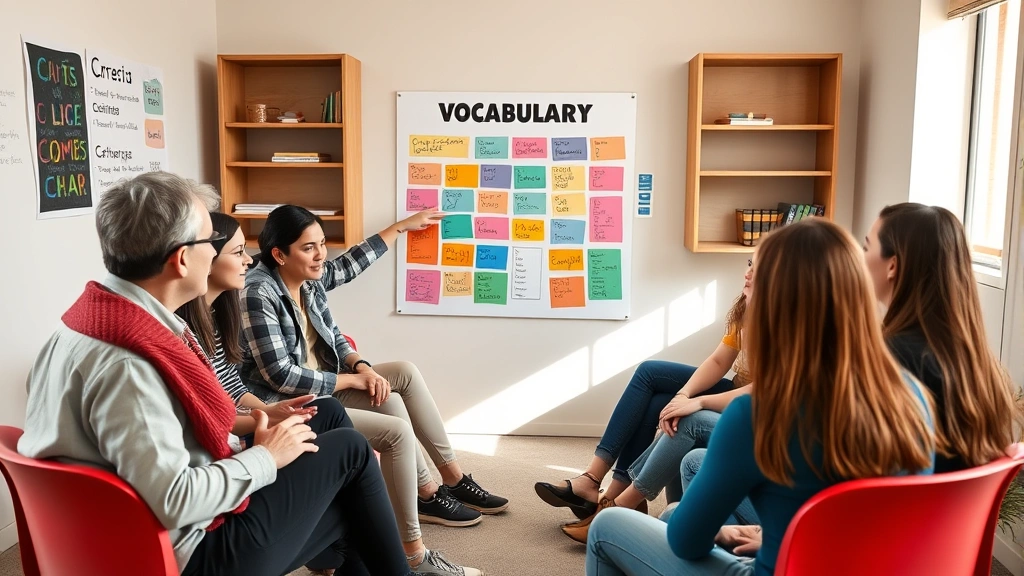
Finding quality Spanish courses near you requires understanding what makes language instruction effective. Whether you’re a complete beginner or looking to refine advanced conversational skills, local Spanish courses offer personalized instruction, real-time interaction with instructors, and community connections that online platforms sometimes lack. The decision to pursue Spanish education locally opens doors to cultural immersion, networking opportunities, and accountability structures that support consistent learning progress.
Spanish has become one of the most sought-after languages in North America, with over 500 million native speakers worldwide. Local courses provide the advantage of face-to-face learning environments where instructors can assess your pronunciation, correct grammatical mistakes immediately, and adapt teaching methods to your specific learning style. This comprehensive guide explores the best strategies for finding, evaluating, and selecting Spanish courses in your area that match your goals, budget, and schedule.
Types of Local Spanish Courses Available
Local Spanish education comes in several formats, each with distinct advantages. Community colleges typically offer comprehensive curricula spanning beginner through advanced levels, taught by credentialed instructors with language education backgrounds. These institutions follow standardized teaching frameworks aligned with recognized proficiency standards like ACTFL (American Council on the Teaching of Foreign Languages).
Private language academies specialize exclusively in language instruction and often provide smaller class sizes, flexible scheduling, and intensive programs. Many academies employ native Spanish speakers who bring authentic cultural perspectives and contemporary language usage. Universities and continuing education departments offer rigorous academic Spanish courses alongside conversation clubs and cultural enrichment activities.
Independent tutors and small group classes provide personalized attention and customizable curricula. These options work exceptionally well for adult learners with specific objectives, such as business Spanish, medical Spanish, or travel preparation. Community centers and adult education programs frequently offer affordable Spanish classes focused on practical communication skills rather than academic credentials.
Immersive environments like Spanish conversation meetups, cultural organizations, and local Hispanic community centers provide informal learning opportunities. While these settings may lack structured curriculum, they offer authentic interaction with native speakers and cultural context that enriches language acquisition. Many learners combine formal courses with informal community engagement for optimal results.

How to Find Spanish Courses Near Me
Begin your search by identifying all educational institutions in your area. Contact your local community college directly—their continuing education or language departments maintain current course catalogs with class times, instructor credentials, and enrollment information. Best online learning websites often list local course options alongside digital alternatives, helping you compare in-person and hybrid formats.
Search online directories specifically designed for language instruction. Google Maps searches for “Spanish classes near me” or “Spanish tutors [your city]” reveal location-based results with reviews, ratings, and contact information. Educational platforms like Yelp and ClassPass sometimes feature local language courses with student testimonials and instructor photos.
Contact your city’s parks and recreation department—they frequently coordinate affordable Spanish classes for residents. Check university extension programs and adult education centers, which maintain searchable course databases. Professional organizations like ACTFL provide directories of certified language educators.
Ask for recommendations from friends, colleagues, and family members who’ve studied Spanish locally. Personal referrals often reveal hidden gems—excellent independent tutors or small academies that don’t advertise extensively. Visit local cultural centers, Hispanic chambers of commerce, and Spanish-language churches or organizations, which typically maintain lists of recommended educational resources.
Social media groups focused on local education and lifelong learning frequently discuss Spanish courses. Facebook community groups, Nextdoor, and Reddit communities specific to your city often contain recommendations and honest reviews. Explore online courses for professional development options as well, since many institutions offer hybrid models combining local instruction with digital resources.
Evaluating Course Quality and Instructors
Instructor qualifications represent the most critical factor in course quality. Verify that instructors hold relevant degrees—ideally a bachelor’s degree in Spanish, linguistics, or foreign language education. Native Spanish speakers bring authentic pronunciation and cultural knowledge, but they should also have formal teacher training. Look for certifications from organizations like ACTFL or TESOL (Teaching English to Speakers of Other Languages), which has parallel standards for Spanish instruction.
Examine course curriculum structure. Quality programs follow recognized proficiency frameworks, typically organizing instruction around ACTFL Proficiency Levels (Novice, Intermediate, Advanced, Superior). The curriculum should address all language skills: listening, speaking, reading, and writing, rather than emphasizing grammar exclusively. Request syllabi to review learning objectives, assessment methods, and textbook selections.
Class size significantly impacts learning effectiveness. Research from TESOL indicates that classes of 8-12 students allow optimal instructor interaction and peer learning opportunities. Larger classes (20+ students) reduce personalized feedback opportunities, while one-on-one tutoring maximizes customization but increases costs substantially.
Student reviews and testimonials reveal real-world course experiences. Read multiple reviews, noting patterns in feedback about instructor effectiveness, curriculum clarity, and learning outcomes. Negative reviews mentioning disorganized instruction, unprepared teachers, or unclear progression should raise concerns. Positive reviews highlighting cultural integration, conversational fluency development, and supportive learning environments suggest quality programs.
Ask programs whether they offer trial classes or auditing opportunities. Attending a sample class reveals teaching methodology, classroom dynamics, and instructor communication style firsthand. This experience helps determine if the instructional approach matches your learning preferences and pace.
Verify whether courses follow standards-based assessment. Quality programs regularly assess student progress using proficiency rubrics, not just grades. Request information about how programs measure learning outcomes and whether they provide proficiency certifications recognized by employers or educational institutions.
Cost Considerations and Value
Spanish course pricing varies dramatically based on format, intensity, and provider type. Community college courses typically cost $200-$500 per semester for comprehensive instruction. Private language academies charge $300-$800 for comparable timeframes, while intensive immersion programs may cost $1,500-$3,000+ for concentrated study periods.
Individual tutoring ranges from $25-$100+ per hour depending on tutor qualifications and location. Group classes at community centers often cost $100-$250 for multi-week programs. Calculate cost-per-hour to compare value fairly across different formats.
Consider total program costs, not just course fees. Budget for required textbooks (typically $50-$150), supplementary materials, and cultural activities. Some programs include these materials; others charge separately. Evaluate whether programs offer payment plans or scholarships for qualifying students.
Value extends beyond price. A $400 course with an excellent instructor and structured curriculum provides better learning outcomes than a $200 course with inadequate instruction. Assess value by considering instructor credentials, class size, curriculum quality, and expected proficiency gains. Online courses for professional development sometimes offer comparable content at lower costs, though local courses provide irreplaceable in-person interaction benefits.
Research whether courses qualify for employer tuition reimbursement or educational tax credits. Some employers fund professional development including language study. HSA and FSA accounts sometimes cover educational expenses. Veterans may access educational benefits through VA programs.
Making Your Final Selection
Narrow your options to three to five promising programs. Contact each directly with specific questions: What is the instructor’s native language and educational background? How are students placed into appropriate proficiency levels? What percentage of students complete courses and progress to higher levels? How frequently are new courses offered?
Ask about course flexibility. Can you adjust schedules if circumstances change? Do programs offer makeup classes for absences? Can you pause enrollment without losing fees? Understanding flexibility policies prevents frustration if life circumstances require course interruptions.
Clarify program philosophies. Some emphasize grammatical precision and academic Spanish; others prioritize conversational fluency and practical communication. Determine which approach aligns with your goals. If you need business Spanish or specialized vocabulary, ensure programs offer targeted instruction in those areas.
Investigate community aspects. Do programs include social events, conversation clubs, or cultural outings? These supplementary activities enhance learning and build relationships with fellow learners. Community engagement often improves course completion rates and long-term language retention.
Make your decision based on the program that best combines quality instruction, appropriate level placement, reasonable cost, convenient scheduling, and strong community support. Don’t automatically choose the cheapest option—investing in quality instruction yields faster proficiency gains and higher satisfaction. Commit to consistent attendance, as language acquisition requires regular practice and cumulative learning.
After enrolling, actively participate in class, complete assignments diligently, and seek instructor feedback regularly. Supplement formal instruction with self-study using resources like language testing organizations that provide practice materials aligned with proficiency standards. Join local Spanish conversation groups to reinforce classroom learning through authentic interaction.
FAQ
What proficiency level should I choose as a complete beginner?
Look for courses labeled “Beginner,” “Spanish I,” or “Novice Level” following ACTFL standards. These courses assume zero Spanish knowledge and begin with fundamental vocabulary, basic grammar, and survival communication phrases. Avoid intermediate courses; they move too quickly for beginners and create frustration.
How long does it take to become conversational in Spanish through local courses?
Most learners reach basic conversational ability (Intermediate Low proficiency) after 150-200 classroom hours plus self-study. This typically requires 6-9 months of consistent weekly classes. Intensive programs compress this timeline to 8-12 weeks. Individual variables like prior language learning experience, daily practice, and natural aptitude significantly affect progression speed.
Are native Spanish speakers always better teachers than non-native speakers?
Native speakers bring authentic pronunciation and cultural knowledge, but effective teaching requires pedagogical training. A well-trained non-native teacher with formal language education credentials often outperforms an untrained native speaker. Seek instructors who combine native (or near-native) proficiency with documented teaching qualifications.
Should I choose group classes or individual tutoring?
Group classes offer affordability, peer interaction, and structured curriculum at lower costs. Individual tutoring provides customization and intensive feedback but costs more. Many learners benefit from combining both—taking group classes for foundational instruction while using occasional tutoring sessions to address specific challenges.
How do I know if a Spanish course is worth the price?
Evaluate instructor qualifications, class size, curriculum structure, and expected learning outcomes. Research student reviews and request trial classes. Compare cost-per-hour across programs. Quality instruction from credentialed teachers in appropriately-sized classes justifies higher costs through faster proficiency development and better outcomes.
Can I switch proficiency levels mid-course if the level is wrong?
Most reputable programs allow level adjustments during the first week or two. Contact the program immediately if you feel misplaced—either the course is too easy or too challenging. Proper level placement ensures you remain engaged and make consistent progress without boredom or frustration.
What should I do if I miss classes?
Clarify makeup policies before enrolling. Some programs offer recorded sessions, makeup sessions, or online materials for absent students. Consistent attendance is crucial for language learning—missing classes creates knowledge gaps that compound. If you anticipate irregular attendance, consider tutoring or self-paced online options instead.


